Katso seinällä
 Lähetä
 Jaa
Jaa
 Tarkemmat tiedot
 Opas
Opas

 Lataa kuva
 Samanlaisia kohteita
 Röntgenkuvaus
 Diaesitys
 Tilastot
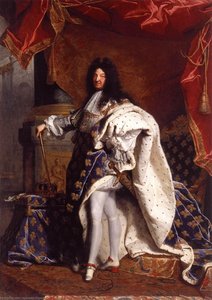
LA PRESENTATION AU TEMPLE


 Lue lisää
Käsinmaalattu öljyvärinen jäljennös
Käsinmaalattu öljyväri kankaalle haluamassasi koossa ja kehyksissä, taiteilijoidemme valmistamana tilauksesta. ( Vaihda tulosteeseen Siirry digitaaliseen kuvaan)




P118B €10

P118H €10

P118W €10

P438Z €10

P508JH €12

P508YH €12

P805H €10

P805Z €10

P919BZ €10

P919G €10

P919XJ €10

P959ZH €10

P968JZ €12

W106C €8

W218G €10

W218JH €8

W218Y €10

W307PJ €10

W316G €10

W316PJ €8

W316Y €10

W398PJ €8

W4111J €10

W500HY €15

W500JH €15

W692G €12

W849H €8

W940BG €15

W953PJ €8




Valitse valmiista mitoistamme sellaiset, jotka vastaavat teoksen alkuperäisiä mittasuhteita.

Kirjoita tarvitsemasi leveys ja korkeus, jotta teos sopii kehyskehyksiisi tai seinällesi. Koska kyseessä on käsinmaalattu teos, taiteilija voi maalata hieman enemmän kuvan ympärille tai rajata sitä hieman, jos haluat eri muotoisen koon — valinta on sinun. Lähetämme sinulle digitaalisen mallikuvan hyväksyttäväksi ennen kuin maalaus alkaa. Tällä sivulla näkyvä kuva ei vastaa lopullista tulosta — vain mallikuva näyttää sen.
Tilauksen jälkeen OriginalUniqueArt.com -tiimi lähettää asiakkaalle sähköpostitse ohjeet ja esikatselukuvan.
Maailmanlaajuinen toimitus () 3–4 viikossa tavallisen 5 viikon sijaan. (26 lokakuu). Laadusta ei tingitä.

Ilmainen pikatoimitus ympäri maailman

Korkealaatuinen pellavakangas

Kattava kuljetusvakuutus

Tulliveron palautustakuu

Takuu täydellisestä värien vastaavuudesta

100 päivän palautusoikeus valmistusvirhetapauksissa

100% rahat takaisin -takuu

Määräalennus saatavilla
 Lasivaihtoehto on saatavilla vain alle 110 cm kokoisille teoksille

LA PRESENTATION AU TEMPLE
Reproduktiotapa
Replikaatin koko
-


Kokonaishinta
€ 505
A Divine Encounter in Baroque Grandeur
In the heart of the High Baroque era, few works capture the intersection of celestial grace and earthly majesty as profoundly as Hyacinthe Rigaud’s La Présentation au Temple. Painted between 1724 and 1743, this monumental masterpiece serves as a breathtaking window into a moment of sacred significance: the presentation of the infant Jesus at the Temple. Rigaud, a master renowned for his ability to immortalize the dignity of the French nobility, pivots here from the halls of Versailles to the hallowed architecture of the divine. The scene is not merely a depiction of a biblical event but an immersive experience of spiritual awe, where every brushstroke conspires to elevate the viewer into a state of reverence.
The composition is anchored by a masterful pyramidal structure, a hallmark of Baroque brilliance that guides the eye upward toward the heavens. At the apex of this sacred geometry sits the Virgin Mary, radiating a serene and untouchable dignity. Flanked by the infant Christ, she becomes the focal point of a complex, bustling tableau of priests, elders, and onlookers. This arrangement is deeply symbolic; the central positioning of Mary signifies her holiness, while the surrounding crowd represents the collective witness of the Church to the incarnation. The temple itself, with its imposing pillars and grand arches, acts as a visual anchor, grounding the ethereal subject matter within a tangible, architectural reality.
A Symphony of Light, Texture, and Emotion
To behold this work is to witness a symphony of chiaroscuro. Rigaud employs a dramatic interplay between light and shadow to sculpt his figures, pulling them from the deep, velvety darkness of the temple interior into a brilliant, celestial glow. This lighting does more than create depth; it directs the emotional narrative, illuminating the innocence of the Christ child and the luminous skin tones of the holy figures while allowing the peripheral onlookers to recede into a mysterious, atmospheric shadow. The result is a sense of controlled chaos—a crowded, energetic scene that nonetheless feels profoundly ordered and peaceful.
The technical virtuosity on display in this oil on canvas is nothing short of extraordinary. For the discerning collector or interior designer, the painting offers an unparalleled richness of texture. Rigaud’s meticulous brushwork captures the heavy weight of liturgical vestments, the shimmering luster of silk, and the soft, delicate folds of Mary’s blue robe—a color traditionally symbolizing purity and divine status. The warm palette of golds, deep reds, and ochres creates a sense of warmth and opulence, making the piece an ideal centerpiece for spaces that demand a sense of history, luxury, and intellectual depth.
Beyond its technical mastery, La Présentation au Temple resonates with a timeless emotional impact. It is a painting that speaks of legacy, faith, and the enduring power of tradition. Whether gracing a private gallery or serving as a sophisticated focal point in a grand salon, this reproduction invites a contemplative dialogue between the past and the present. It is an invitation to surround oneself with the splendor of the French Baroque, offering not just decoration, but a profound connection to one of the most celebrated eras of art history.
Kysymykset ja vastaukset
Onko Hyacinthe Rigaud:n "LA PRESENTATION AU TEMPLE" pysty-, vaaka- vai neliökompositio?
Teoksen "LA PRESENTATION AU TEMPLE" formaatti on Portrait. Tämä on hyödyllinen tieto, kun suunnittelet jäljennöksen sijoituspaikkaa.
Kuinka vaalea "LA PRESENTATION AU TEMPLE" on kokonaisuudessaan?
Teoksen Hyacinthe Rigaud:n "LA PRESENTATION AU TEMPLE" koettu kirkkaus on deep_shadow. Sen valoisuuden voi sovittaa tarkoitettuun tilaan.
Minkä tunteen kanssa "LA PRESENTATION AU TEMPLE" yhdistetään?
Hyacinthe Rigaud:n "LA PRESENTATION AU TEMPLE" välittää Mysterious tunnelman.
Taiteilijan elämäkerta
Hyacinthe Rigaud: Elämä ja perintö
Hyacinthe Rigaud (1659–1743) oli katalonialaisperäinen ranskalainen barokkimaalari, jonka mestarilliset muotokuvat vangitsivat ainutlaatuisella tavalla 1700-luvun ranskalaisen aateliston olemuksen ja muodin. Hänen työnsä on säilynyt merkittävänä panoksena muotokuvataiteen historiaan, tarjoten katsojalle ikkunan menneeseen loistoon.
Nuoruus ja koulutus
Rigaud syntyi 18. heinäkuuta 1659 Perpignaniin, Ranskan Pyrénées-Orientalesiin, perheeseen, jolla oli vahvat taiteelliset juuret – hänen isoisänsä oli maalari-kulturi. Vaikka hän aloitti koulutuksensa räntälänä isänsä työpajassa, hän löysi pian intohimonsa maalaamiseen. Vuodesta 1671 alkaen hän hioi taitojaan Montpellierissa Antoine Rancin johdolla. Siirtyessään Lyoniin vuonna 1675, hän kohtasi flaamilaisia, hollantilaisia ja italialaisia mestareita, mikä syvensi hänen taiteellista ymmärrystään.
Taiteellinen kehitys ja vaikutteet
Rigaudin taiteellinen polku muovautui voimakkaasti vanhojen mestareiden vaikutuksesta. Hän ammentoi inspiraatiota ja ihaili syvästi seuraavia taiteilijoita:
- Peter Paul Rubens: dynaamiset sommitelmat ja rikkaat väripaletit.
- Anthony van Dyck: elegantti muotokuvataide ja hienostunut tekniikka.
- Rembrandt: mestarillinen valon ja varjon käyttö sekä psykologinen syvyys.
- Titiaan: eloisat värit ja ilmeikäs siveltimenkäyttö.
Saavuttuaan Pariisiin vuonna 1681, hän voitti arvostetun -akatemiaan, ja hän nousi instituution arvostettuun asemaan ennen eläkepäivilleen jäämistään vuonna 1735.
Hänen merkittävimpiin teoksiinsa kuuluvat:
- : kaksoismuotokuva, joka osoittaa hänen kykynsä vangita persoonallisuus ja säädyllisyys.
- Lukuisat ranskalaisen aateliston muotokuvat, jotka tarjoavat korvaamattomia historiallisia dokumentteja aikakauden muodista ja sosiaalisesta asemasta.
Tyyli ja tekniikka
Rigaudin tyylille on ominaista useita elementtejä, jotka tekevät hänen teoksistaan niin vaikuttavia:
- Realismi: pyrkimys esittää kohteet mahdollisimman tarkasti.
- Yksityiskohtaisuus: huolellinen huomio kankaisiin, koruihin ja muihin asusteisiin.
- Imartelu: hän esitti mallinsa usein idealisoidussa valossa, korostaen heidän asemaansa ja ulkonäköään.
- Barokin suuruus: rikkaat värit, dramaattinen valaistus ja loistokas ympäristö.
Historiallinen merkitys
Hyacinthe Rigaudin muotokuvat tarjoavat ainutlaatuisen ikkunan 1700-luvun Ranskan maailmaan. Hänen teoksensa eivät ole pelkkiä muotokuvia, vaan historiallisia dokumentteja, jotka paljastavat paljon aikakauden sosiaalisista tavoista, poliittisesta vallasta ja taiteellisesta mausta. Hänestä tuli ranskalaisen eliitin ensisijainen muotokuvaaja, mikä vakiinnutti hänen paikkansa taidehistorian keskeisenä hahmona.
Perpignanissa sijaitseva

Hyacinthe Rigaud
1659 - 1743 , Ranska
Tietoa taiteilijasta
- Birth Date: 18. heinäkuuta 1659
- Birth Place: Perpignan, Ranska
- Death Date: 29. joulukuuta 1743
- Influenced By:
- Rubens
- Van Dyck
- Rembrandt
- Titian
- Movement: Barokki
- Name: Hyacinthe Rigaud
- Nationality: Ranskalainen
- Notable Works: ['Louis XIV:n muotokuva']
Aiheeseen liittyvät artikkelit

Baroque Classicism: The Grandeur of Order and Drama in 17th-Century Art History
Explore the profound elegance of Baroque Classicism. Discover how 17th-century masters synthesized dramatic emotion with classical order through the lens of the Counter-Reformation and the works of legends like Carlo Maratta and Andrea Sacchi.

The Visceral Stage: Exploring Dramatic Narratives & Emotional Intensity in Baroque Art
Explore the dramatic world of Baroque art! Discover iconic masters like Caravaggio & Rembrandt, their techniques, and the movement's lasting impact. Expert insights for collectors & enthusiasts at OriginalUniqueArt.

Barokin loisto: Kuinka tuoda ylellisyyttä ja tunnetta nykyaikaiseen sisustukseen
Tutustu barokki sisustuksen loistoon! Opi luomaan ylellistä ja tunnelmallista kotia historiallisen tyylin inspiroimana. Vinkkejä, esimerkkejä ja in apua.

The Dramatic Flourish: Exploring the Baroque Movement's Enduring Legacy in Art History
Explore the dramatic world of Baroque art! Discover iconic artists like Caravaggio & Rubens, defining techniques, and its lasting impact on art history. Expert insights for collectors & enthusiasts at OriginalUniqueArt.

Barokin mestariteokset: Taidetta ja loistoa kotiisi – OriginalUniqueArt.com
Uppoudu barokin loistokkuuteen! Tutustu Caravaggion, Rembrandtin ja Vermeerin kaltaisten mestareiden tunnetuimpiin teoksiin. Taidehistoriaa kotiisi – löydä upeat taidetulosteet ja canvas-taulut OriginalUniqueArt.comista.