Romanticism · 1790
Painters (Hubert Robert, 1790)
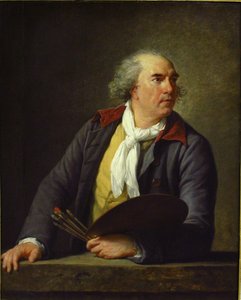
Hubert Robert (1733–1808) on luonut teoksen Painters. Se on peräisin vuodelta 1790. Se kuuluu Romanticism-liikkeeseen. Se on valmistettu materiaalilla Acrylic On Canvas. Teos sijaitsee Hermitage-museo -museossa paikassa Pietari, Venäjä. Koko on 24 × 32 cm.
- 1790
- Acrylic On Canvas
- 24 × 32 cm
- Hermitage-museo, Pietari

 Esikatselu

 Käsinmaalattu öljymaalaus
 Jaa teos
 Jaa
 Tiedot-arkki


 Lataa kuva
 Samanlaisia kohteita
 Röntgenkuvaus
 Diaesitys
 Kysymykset ja vastaukset

 Tilastot
Painters lyhyesti
- Otsikko
- Painters
- Taiteilija
- Hubert Robert (1733–1808)
- Taiteilija syntynyt
- Pariisi, Ranska
- Päivämäärä
- 1790
- Tekniikka
- Acrylic On Canvas
- Mitat
- 24 × 32 cm
- Missä teos on nähtävissä
- Hermitage-museo, Pietari, Venäjä
- Tyylisuunta
- Romanticism
- Aihe
- landscapes, ruins, figures, daytime, field, workers
Mitä Painters esittää?
Hubert Robert’s “Painters”: A Vision of Ruin and Remembrance
Hubert Robert's "Painters," painted in 1790, isn’t merely a depiction of laborers at work; it’s a carefully constructed meditation on labor, time, and the enduring power of memory. The scene unfolds within a rugged, almost theatrical landscape – a dramatic vista dominated by a towering rock formation, its weathered surface hinting at centuries of exposure to the elements. Two figures, rendered with a subtle realism that belies Robert's penchant for romanticized ruins, are engaged in the arduous task of carving stone. One, positioned atop the rock, directs the work with a commanding presence, while the other, lower down, meticulously shapes the material beneath him. The composition isn’t about capturing a specific moment; it’s about evoking a feeling – a sense of timelessness and the relentless passage of time, beautifully intertwined with the human effort to impose order upon nature.
Robert's style is distinctly rooted in the Neoclassical tradition, yet infused with the burgeoning Romantic sensibility that was beginning to challenge its rigid formality. He masterfully employs atmospheric perspective – the subtle blurring and darkening of distant elements – to create a profound sense of depth and space. The light, diffused and golden, washes over the scene, casting long shadows and highlighting the textures of the rock and the figures’ clothing. Notice how Robert utilizes loose brushstrokes, particularly in the depiction of the landscape, creating an impressionistic effect that anticipates later developments in art history. This deliberate softness contrasts with the sharper detail given to the men themselves, suggesting a focus on their individual struggles within the grand scheme of nature.
The Context of Labor and Ruin
To fully appreciate “Painters,” it’s crucial to understand Robert's artistic interests – particularly his fascination with ruins. Following the upheavals of the French Revolution, a renewed interest in antiquity and the past emerged, fueled by archaeological discoveries and a desire to reconnect with a perceived lost sense of order and stability. Robert, like many artists of his time, found inspiration in the decaying grandeur of Roman temples and medieval castles, transforming these remnants into evocative landscapes – ‘capriccios’ as he called them. These weren't simply artistic exercises; they were explorations of memory, loss, and the cyclical nature of history. The very act of painting ruins became a way to preserve a fading past, imbuing it with new life and meaning.
The figures depicted in “Painters” represent a specific segment of 18th-century French society – laborers engaged in essential but often overlooked work. Robert’s choice to portray them within such a dramatic landscape elevates their status, suggesting that even the most humble tasks are worthy of artistic attention. The scene subtly critiques the social hierarchies of the time, presenting these men not as mere workers, but as active participants in shaping the world around them. The rock formation itself can be interpreted as a symbol of enduring strength and resilience – a testament to the power of human labor against the forces of nature.
Symbolism and Emotional Resonance
Beyond its straightforward depiction of work, “Painters” is rich in symbolic meaning. The towering rock formation, with its weathered surface, represents the weight of history and the passage of time. The figures’ focused expressions convey a sense of dedication and perseverance, but also hint at the physical strain of their labor. Robert's use of color – predominantly earthy tones punctuated by flashes of gold – evokes feelings of warmth, nostalgia, and perhaps even melancholy. The overall effect is one of quiet contemplation, inviting the viewer to reflect on the relationship between humanity and nature, work and memory.
The inclusion of animals—a horse and a dog—adds another layer of complexity to the scene. Animals have long been associated with labor and service in art, symbolizing loyalty, strength, and connection to the natural world. Their presence reinforces the theme of human interaction with the environment, suggesting a harmonious coexistence – albeit one marked by hard work and enduring effort. “Painters” is not simply a landscape; it’s a carefully orchestrated tableau that speaks volumes about the values and anxieties of its time.
A Timeless Masterpiece: Reproduction Considerations
Reproductions of Hubert Robert's “Painters” offer a remarkable opportunity to bring this evocative artwork into your home or office. The meticulous detail captured by Robert’s brushstrokes, combined with his masterful use of light and shadow, translates beautifully to high-quality reproductions. When selecting a reproduction, pay close attention to the texture and color accuracy – features that are crucial for capturing the painting's atmospheric depth and emotional resonance. OriginalUniqueArt offers meticulously crafted hand-painted reproductions that faithfully recreate Robert’s original vision, ensuring that you experience the full impact of this timeless masterpiece.
Missä museossa teos Painters on?
Hermitage-museo
Pietari, Venäjä
Hermitage-museon juuret ja historia Hermitage-museon tarina sai alkunsa vuonna 1764, kun Berliinistä hankittu 225 maalauksen kokoelma loi pohjan tälle suurelle kulttuuriperinnölle. Johann Ernst Gotzkowskyn keräämät teokset päätyivät Catherine Suuren käsiin, ja keisarinarinnan aloite loi samalla pysyvän jalansijan museolle Pietarin kaupungissa, Venäjällä. Nämä varhaiset hankinnat muodostivat ytimen sille, mitä tulee myöhemmin valtavaksi länsimaisen eurooppalaisen taiteen arkistoksi.


Painters korkearesoluutioiset kuvat

Hubert Robert, Painters (1790), Hermitage-museo. Tekijänoikeudet vapaat.
Kysymyksiä teoksesta Painters, vastaukset
Missä voin nähdä alkuperäisen teoksen Hubert Robert:n "Painters"?
Teos Hubert Robert:n "Painters" on esillä Hermitage-museo, Pietari, Venäjä-museossa. Museoluettelo viittaa alkuperäisteokseen, ei jäljennöksiin.
Milloin teos Hubert Robert:n "Painters" on luotu?
"Painters" on peräisin vuodelta 1790. Teoksen valmistumisajankohta sijoittaa sen Hubert Robert uran ja aikakauden kontekstiin.
Mitä tekniikkaa teoksessa Hubert Robert:n "Painters" on käytetty?
Hubert Robert käytti teoksessa "Painters" Acrylic On Canvas-tekniikkaa. Tekniikka määrittelee alkuperäisen teoksen materiaalisen luonteen.
Mitkä ovat alkuperäisen "Painters" mitat?
Teoksen "Painters" alkuperäiset mitat ovat 24 x 32 cm. Alkuperäiset mitat ovat hyödyllinen vertailukohta, kun valitset reproduktion kokoa.
Mitä aiheita teoksessa Hubert Robert:n "Painters" esiintyy?
Hubert Robert:n "Painters" esittää: landscapes, ruins, figures, daytime, field, workers, composition, xviii century.
Onko teos "Painters" tekijänoikeusvapaa?
Hubert Robert:n "Painters" on vapaasti käytettävissä – tekijänoikeussuoja on päättynyt. Tämä tila määrittää, miten teoksen kuvaa saa käyttää uudelleen.
Kuka on teoksen "Painters" taiteilija?
Teos "Painters" on yhdistetty Hubert Robert.
Mihin taidesuuntaukseen Hubert Robert:n "Painters" kuuluu?
"Painters" on Romanticism-tyylisuuntaan kuuluva teos. Tyylisuunta ilmaisee taiteellisen perinteen, johon teos kuuluu.
Mihin Hubert Robert'n uran vaiheeseen "Painters" kuuluu?
"Painters" edustaa taiteilijan Hubert Robert tuotantokautta Mature Period."
Tietoa taiteilijasta, Hubert Robert
1733–1808, Ranska
Hubert Robert
Varhaisluonnos, perhe ja taiteellinen kasvu Pariisissa vuonna 1733 syntynyt Hubert Robert astui maailmaan, jossa hänen perheensä sosiaalinen asema oli sidottu muiden palvelemiseen. Hänen isänsä, Nicolas Robert, toimi merkittävän henkilön taloudessa, ja tämä yhteys helpottaisi myöhemmin nuoren miehen nousua Ranskan yhteiskunnan ylimpiin kerroksiin. Tämä varhainen vakaus loi pohjan muodolliselle koulutukselle, jota hän seurasi Collège de Navarren kurinalaisessa ympäristössä. Vuoteen 1751 mennessä hän oli suorittanut opintonsa jesuiittojen johdolla, hankkien itselleen kurinalaisen älyllisen taustan ennen kuin hän käänsi katseensa visuaalisiin taiteisiin.
Tietoa kohteesta Hubert Robert Hubert Robertn merkittävimpiä teoksia
Myös Hubert Robert -teoksia
 The Pont du Gard1787
 The Finding of the Laocoön1773
 Le port de Ripetta
 PROJET D'AMENAGEMENT DE LA GRANDE GALERIE DU LOUVRE

Esseitä teoksesta Painters
 Top 10 Impressionistia: Taidemaailman mullistajat ja mestariteokset kotiisi – OriginalUniqueArtTutustu 10 impressionismin mestariteokseen – Monet'n vesiliilat, Renoir'n tanssijat ja muut ikonit! Taidemaalausten tarinat, tekniikat & in…
 Hubert Robert: Picturing Ruins, Preserving Memory – A Study of Romantic Antiquarianism & Artistic InnovationExplore the captivating world of Hubert Robert, master of Romantic landscape painting & 'capriccio' ruins. Discover his historical context,…
 Emotion vs. Observation: A Guide to Romanticism and RealismMaster the differences between Romanticism and Realism through expert analysis. Discover the art of emotion versus observation now.