Esikatselu
 Jaa teos
 Jaa
Jaa
 Tiedot
 Opas
Opas

 Lataa kuva
 Samanlaisia kohteita
 Röntgenkuvaus
 Diaesitys
 Kysymykset ja vastaukset
 Tilastot
The Washerwoman

- 49.0 x 34.0 cm


 Lue lisää
Giclée- ja taideprintit
Museolaatuisia giclée- tai kankaitaulun tulosteita nopealla tuotannolla ja joustavilla viimeistelyvaihtoehdoilla. ( Osta käsinmaalattu taideteos Siirry digitaaliseen kuvaan)




P118B €10

P118H €10

P118W €10

P438Z €10

P508JH €12

P508YH €12

P805H €10

P805Z €10

P919BZ €10

P919G €10

P919XJ €10

P959ZH €10

P968JZ €12

W106C €8

W218G €10

W218JH €8

W218Y €10

W307PJ €10

W316G €10

W316PJ €8

W316Y €10

W398PJ €8

W4111J €10

W500HY €15

W500JH €15

W692G €12

W849H €8

W940BG €15

W953PJ €8




Valitse valmiista mitoistamme sellaiset, jotka vastaavat teoksen alkuperäisiä mittasuhteita.

Syötä tarvitsemasi leveys ja korkeus, jotta tuloste sopii kehyksiisi tai seinällesi. Tulostetta voidaan vain leikata, sitä ei voida koskaan suurentaa alkuperäistä kuvaa suuremmaksi, joten eri muotoinen koko aiheuttaa osan kuvasta katoamisen. Lähetämme sinulle digitaalisen mallikuvan hyväksyttäväksi ennen kuin aloitamme tulostuksen. Tällä sivulla näkyvä kuva ei näytä lopullista rajausta — vain mallikuva näyttää sen.
Maailmanlaajuinen toimitus () 2 viikossa tavallisen 4–5 viikon sijaan. (9 marraskuu)

Ilmainen pikatoimitus ympäri maailman

Korkealaatuinen pellavakangas

Kattava kuljetusvakuutus

Tulliveron palautustakuu

Takuu täydellisestä värien vastaavuudesta

100 päivän palautusoikeus (vain valmistusvirheet)

100% rahat takaisin -takuu

Määräalennus tarjolla
 Lasivaihtoehto on saatavilla vain alle 110 cm kokoisille teoksille

The Washerwoman
Giclée- ja taideprintit
Replikaatin koko
-


Kokonaishinta
€ 72
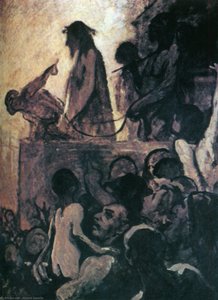
The Washerwoman: A Study in Urban Dignity by Honoré Daumier
Honoré Daumier’s “The Washerwoman,” painted in 1863, is more than just a depiction of a woman laboring by the Seine; it's a poignant meditation on poverty, resilience, and the quiet dignity of everyday life in mid-nineteenth century Paris. This oil-on-panel work, now residing within the Metropolitan Museum of Art’s collection, offers a rare glimpse into the lives of those often overlooked by history – the working class women who sustained the city through their tireless efforts.
Daumier, a master of social commentary and caricature, employed his artistic skills not merely to entertain but to expose the injustices and inequalities prevalent in French society. He was deeply attuned to the struggles of the marginalized, frequently using his art as a platform for critique and empathy. “The Washerwoman” embodies this commitment, presenting a scene stripped of romanticism or idealization – instead, it offers a starkly realistic portrayal of a woman’s arduous existence.
A Study in Realist Detail
The painting immediately draws the viewer's attention to the central figure, a woman engaged in the repetitive task of washing clothes. Her posture is one of quiet determination, her hands firmly planted on the ground as she works with a heavy wooden beater. The composition is deliberately simple and unadorned; Daumier eschews elaborate backgrounds or dramatic lighting, focusing instead on capturing the essence of the subject’s physicality and emotional state. The muted palette – dominated by browns, grays, and ochres – reinforces this sense of realism, mirroring the drabness of her surroundings and reflecting the weariness of her labor.
Daumier's technique is characterized by a meticulous attention to detail, particularly in rendering the textures of the clothing, the rough surface of the brick wall behind her, and the worn fabric of her dress. He skillfully employs broken brushstrokes and subtle gradations of color to create a sense of depth and volume, imbuing the scene with a tangible quality. The use of light is equally deliberate; it illuminates the woman’s face and hands, highlighting her vulnerability while simultaneously casting shadows that emphasize the weight of her task.
Symbolism and Social Context
Beyond its immediate visual impact, “The Washerwoman” carries significant symbolic weight. The presence of a young child assisting his mother – a small figure perched on a chair near the left side of the painting – speaks to the cycle of poverty and the intergenerational transmission of hardship. The two handbags resting on the ground suggest a limited means of sustenance, while the bottle nearby hints at the harsh chemicals used in the cleaning process. The building behind her is not merely a backdrop; it represents the urban environment that both sustains and confines these women.
Painted during a period of significant social unrest in France – following the July Revolution and amidst growing calls for reform – Daumier’s work reflects the anxieties and tensions of the era. The painting can be interpreted as a critique of the prevailing economic system, which offered little opportunity for advancement or security to those at the bottom of the social hierarchy. It's a powerful reminder of the human cost of industrialization and the struggles faced by working-class families.
A Timeless Portrait of Resilience
Despite its bleak subject matter, “The Washerwoman” is not devoid of hope or beauty. The woman’s unwavering gaze and her steadfast commitment to her task convey a sense of dignity and resilience – qualities that transcend the limitations of her circumstances. Daumier's masterful depiction captures a moment of quiet strength in the face of adversity, offering a poignant testament to the enduring spirit of humanity. Reproductions of this iconic work continue to resonate with viewers today, prompting reflection on social justice, economic inequality, and the dignity of labor.
Kysymykset ja vastaukset
Missä teosta Honoré Daumier:n "The Washerwoman" voidaan tällä hetkellä nähdä?
Teos Honoré Daumier:n "The Washerwoman" on esillä Musée d'Orsay, Paris, France-museossa. Museoluettelo viittaa alkuperäisteokseen, ei jäljennöksiin.
Voinko nähdä röntgenkuvan teoksesta Honoré Daumier:n "The Washerwoman"?
Honoré Daumier:n "The Washerwoman"-teoksen röntgennäkymä löytyy teoksen Röntgentutkimus-sivulta: interaktiivinen tutkimusmatka kuvaan yhdenentoista optisen kerroksen läpi.
Mikä koko "The Washerwoman"-teokselle suositellaan Living Room-tilaan?
Living Room-tilaan "The Washerwoman"-teokselle suositellaan Medium-kokoista tulostetta.
Taiteilijan elämäkerta
A Life Etched in Satire: The World of Honoré Daumier
Honoré-Victorin Daumier, syntyi Marseillen sydämessä vuonna 1808, ja hänen elämänsä oli syvästi kietoutunut 1800-luvun turbulenteeseen Ranskaan. Varhaiset vuotensa, joihin vaikuttivat isänsä runollinen pyrkimys ja myöhempi muutto Pariisiin vuonna 1814, sijoittuivat kaupunkiin täynnä taiteellista energiaa. Vaikka Daumier oli alun perin määrätty juristiksi, hänen intohimonsa kääntyi vakaasti taidetta kohti. Hän opiskeli Alexandre Lenoirin johdolla, imien klassisia vaikutteita yhdessä Rubens’n dramaattisen varjoilun kanssa ja hioen taitojaan Sveitsin akatemiassa. Tämä peruskoulutus osoittautui ratkaisevaksi hänen oman, ainutlaatuisen tyylinsä muotoutumisessa – voimakas sekoitus realismia ja ilmeikäistä drafttausta. Mutta Daumier ei ollut vain taiteellinen taitaja; hänellä oli syvä herkkyys ympäröivien sosiaalisten epäoikeudenmukaisuuksien ja poliittisten absurditioiden suhteen.The Sharpened Pen: Caricature and Social Commentary
Daumierin ura alkoi vauhdikkaasti vuoden 1830 vallankumouksen jälkeen, joka muutti Ranskan historiaa peruuttamattomasti ja tarjosi samalla hedelmällisen maaperän hänen kehittyvälle satiirikykyilleen. Hänestä tuli nopeasti mestari litografian saralla, aluksi tekemällä nimettömiä töitä useissa julkaisuissa ennen kuin hän sai tunnustusta työskentelemällä *Le Charivari* -lehtisessä, anarkistisen komikkajutun perustajana Charles Philiponin johdolla. Tässä lehdissä Daumierin lahjakkuus kukoisti täysimittaisena. Hänen karikatyyrinsä eivät olleet pelkästään hauskoja kuvauksia; ne olivat raivoisia tuomioita porvaristosta, oikeusjärjestelmästä ja poliittisesta vallasta. Hän pilkkasi rohkeasti kuningas Ludvig Filip I:tä, jolloin hänelle määrättiin kuuden kuukauden vankeusrangaistus vuonna 1832 karikatyyristään. Tämä kokemus, eikä tukahduttanut häntä, vaan vahvisti hänen sitoutumistaan paljastamaan epärehellisyyttä ja haastamaan auktoriteettia taiteen avulla. Litografiansa muuttuivat visuaalisiksi manifesteiksi, vangiten vastarinnan henkeä ja tarjoten kriittistä kommentaarua aikansa yhteiskunnallisiin ongelmiin. Näiden teosten määrä oli uskomaton – tuhannet litografiat, jotka toimivat sekä suosituimpana viihdyttämisenä että voimakkaana poliittisena lausuntoina.Beyond Caricature: Painting and Sculptural Visions
Vaikka Daumier on parhaiten tunnettu litografiastaan, hänen rajoittaminen vain karikatyyreihin olisi suuri epäreiluus. Hän oli myös omistautunut maalaukseen ja veistämiseen, vaikka tunnustus näille töille tuli myöhemmin elämässään. Hänen maalauksensa, usein kuvaillen arkipäiväistä Pariisin elämää – ensimmäisen luokan vaunuja, pesijöitä, asianajajia – ovat täynnä syvää realismia ja empatiaa. Ne eivät olleet ihannetekoja vaan armottomia kuvauksia vaikeuksista ja kamppailusta. Hän hallitsi vapaata sivellintekniikkaa ja dramaattista valaistusta tunteiden ja tunnelmien välittämiseksi, ennakoimalla tekniikoita, joita myöhemmin omaksui impressionistit. Hänen veistotyönsä, useimmiten tehty saveesta (monet kappaleet jäivät ennalleen hänen elinaikanaan), osoittaa samanlaista sitoutumista ihmisfiguuren vangitsemiseen rehellisyydellä ja emotionaalisella syvyydellä. Nämä veistokset, jotka löydettiin kuoleman jälkeen, osoittavat hämmästyttävää mallintamistaitoa ja kykyä välittää psykologista monimutkaisuutta fyysisen asennon kautta.A Lasting Legacy: Influence and Historical Significance
Honoré Daumierin vaikutus taiteen historiaan on kiistaton. Hän yhdisti romanttisen ja realistisen ajattelun, luoden tien tuleville taiteilijoille, jotka pyrkivät kuvaamaan maailmaa sellaisena kuin se todella oli – kaikkine puutteineen. Hänen epäilemättömän sosiaalinen kommentaarinsa vaikutti taiteilijoihin kuten Gustave Courbet ja Édouard Manet, kun taas innovatiivinen litografiansa mullisti tulostustekniikan. Hänen työnsä resonoivat edelleen tänään, muistuttaen meitä taiteen voimasta haastaa auktoriteettia, paljastaa epäoikeudenmukaisuutta ja todistaa ihmiskunnan olemassaolosta. Musée d'Orsay Pariisissa säilyttää merkittävän kokoelman hänen maalauksiaan ja veistoksiaan, tarjoamalla vierailla kurkistuksen maailmaan, jonka hän kuvasi niin elävästi. Hänen litografiansa ovat laajalti saatavilla kokoelmissa kuten OriginalUniqueArtlla, varmistaen että hänen satiirinen lahjakkuutensa jatkaa ajatusten herättämistä ja dialogin inspirointia. Daumier ei ollut vain taiteilija; hän oli aikansa kronikkaari – visuaalinen runoilija, joka käytti lahjansa antamaan äänen äärittevyydelle ja pitämään vallan vastuullisena. Hänen perintönsä säilyy testamenttina taiteen pysyvästä merkityksestä sosiaalisen muutoksen voimana.
Honoré Daumier
1808 - 1879 , Ranska
Pähkinänkuoressa
- Artistic Movement Or Style: Realismi, satiiri
- Artists Or Movements Influenced By This Artist:
- Impressionismi
- Moderni taide
- Artists Who Influenced This Artist:
- Alexandre Lenoir
- Jacques-Louis David
- Date Of Birth: 26. helmikuuta 1808
- Date Of Death: 10. helmikuuta 1879
- Full Name: Honoré-Victorin Daumier
- Nationality: Ranskalainen
- Notable Artworks:
- Rue Transnonain
- Les gens de justice
- Place Of Birth: Marseille, Ranska
Aiheeseen liittyvät artikkelit

The Enduring Muse: Women as Subject & Symbol in Art History
Explore the rich history of women in art – from iconic muses to groundbreaking artists. Discover feminist movements, global perspectives & reclaim female narratives with OriginalUniqueArt.

American Realism: Social Commentary & Artistic Representation in Early 20th-Century Painting
Explore the powerful social commentary & artistic representation of American Realism. Discover key artists like Bellows & Sloan, and understand the movement's lasting impact on 20th-century art history.

Romantic Realism's Finest: 10 Masterpieces for Your Home | OriginalUniqueArt
Explore 10 defining masterpieces of Romantic Realism! Discover Courbet, Millet & Daumier's powerful paintings—capturing emotion and social realities. Find museum-quality reproductions for your home at OriginalUniqueArt.com.

Echoes of Society: Exploring Social Realism's Enduring Legacy in Art
Explore the powerful world of Social Realism art! Discover key artists, masterpieces & its profound social commentary. Expert insights into this influential movement's history and enduring legacy.
Realistisen taiteen mestariteokset: 10 teosta, jotka muuttivat maailmaa – OriginalUniqueArt.com
Tutustu realistisen taiteen 10 mestariteokseen – Courbet'sta Manetiin. Uppoudu taidehistoriaan ja löydä ikonisten maalausten tarinat OriginalUniqueArt.comissa. Laadukkaat taideprintit sisustukseesi! Tutki kokoelma verkossa.