
 Esikatselu
 Jaa teos
 Jaa
Jaa
 Tiedot
 Opas
Opas

 Lataa kuva
 Samanlaisia kohteita
 Röntgenkuvaus
 Diaesitys
 Kysymykset ja vastaukset
 Tilastot
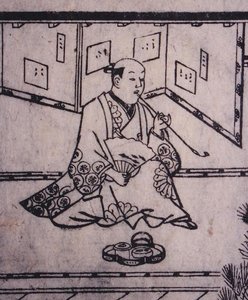
Dancer

- 78.0 x 42.0 cm
 Lue lisää
Saat tulostusvalmiin tiedoston, jonka laatu ylittää verkkonäkymän huomattavasti. Jokainen myymämme digitaalinen kuva on peräisin arkistomme korkearesoluutioisesta mestariteoksesta — yleensä 5 000–15 000 pikselin levyisenä — joten voit tulostaa suuria kokoja, rajata tiukasti tai toistaa hienovaraiset yksityiskohdat luottavaisin mielin.
Mikään tiedosto ei lähde studiostamme muuttamatta. Digitaalinen asiantuntija vertaa värejä alkuperäiseen maalaukseen ja korjaa niitä tarvittaessa, minkä jälkeen hän parantaa kuvan selkeyttä ja yksityiskohtia ammattimaisilla retusointityökaluilla — säilyttäen aina uskollisena taiteilijan siveltimenjäljen ja tyylin. Lopputuloksena on kuva, joka näyttää maalaukselta, eikä suodatetulta skannaukselta.
Hyväksyt työn ennen valmistumistaan: asiantuntijamme lähettää kuvan tarkistettavaksi sähköpostitse 72 tunnin kuluessa. Etkö ole tyytyväinen? Pyydä parannuksia tai korjauksia, tai pyydä hyvitystä, mikäli laatu ei vastaa odotuksia.
Tämä on laatua, johon kustantamot, design-studiot, galleriat ja painotalot luottavat.
Digitaalinen kuva
Lataa korkearesoluutioinen tiedosto henkilökohtaiseen näyttelyyn, tulostamiseen ja luoviin projekteihin. ( Vaihda tulosteeseen Osta käsinmaalattu taideteos)
Sisältyy jokaiseen digitaalisen kuvan tilaukseen
Asiantunteva digitaalinen toimitus, laatu taattu
Kun valitset OriginalUniqueArt.com-palvelun, et saa vain kuvaa – saat ammattimaisesti viimeistellyn digitaalisen taideteoksen, joka on luotu tarkkuudella ja jonka takaa tulee tyytyväisyystakuu. Tässä on kaikki, mitä tilauksesi sisältää, automaattisesti:

Nopea sähköpostitoimitus
Saat korkearesoluutioisen digitaalisen kuvatiedostosi sähköpostiisi 72 tunnin kuluessa tilauksesta – valmiina käytettäväksi välittömästi.

Tekoälyllä parannettu digitaalinen tiedosto
Teoksesi on optimoitu ammattimaisesti edistyneiden tekoälytyökalujen ja manuaalisen jälkikäsittelyn avulla, mikä takaa maksimaalisen yksityiskohtaisuuden, selkeyden ja väritarkkuuden.

Ilmainen uudelleenlähetys elinikäisesti
Oletko vahingossa poistanut tai kadottanut tiedostosi? Ei hätää – lähetämme sen sinulle uudelleen milloin tahansa täysin maksutta.

Ei tuontimaksuja – koskaan
Nauti taiteestasi välittömästi ilman tullimaksuja, veroja tai toimituskuluja – digitaaliset lataukset ovat aina verovapaita.

Värintoiston tarkkuustakuu
Varmistamme, että digitaalinen kuvasi vastaa alkuperäisiä värejä mahdollisimman tarkasti käyttämällä ammattilaistason työkaluja ja värinhallintaa.

100 päivän tyytyväisyystakuu
Jos et ole tyytyväinen digitaaliseen kuvaasi, muokkaamme sitä tai palautamme 100% hinnan 100 päivän kuluessa – kysymystä ei esitetä.

100% Rahat takaisin -takuu
Et ole tyytyväinen? Saat täyden hyvityksen 100 päivän kuluessa digitaalisen tiedostosi vastaanottamisesta – kysymystä ei esitetä.

Määräalennukset
Osta 3 kuvaa, säästä 10% - Osta 5, säästä 15% - Osta 10+, säästä 20%. Erinomainen valinta luoviin projekteihin, gallerioille ja toimistoille.
Taiteilijan esittely
The Dawn of Ukiyo-e: Hishikawa Moronobu and the Floating World
Hishikawa Moronobu, born in Edo (modern Tokyo) in 1618, stands as a pivotal figure in the history of Japanese art. He wasn’t merely an artist; he was a cultural architect, instrumental in shaping the ukiyo-e movement – “pictures of the floating world” – that would come to define much of Japan's artistic legacy. Before Moronobu, painting and printmaking were largely confined to established themes: landscapes inspired by Chinese masters, portraits of the elite, and religious subjects. He dared to turn his brush towards the everyday lives of ordinary people, a radical shift that resonated deeply with the burgeoning merchant class in Edo’s vibrant urban landscape. Moronobu's early life remains somewhat shrouded in mystery, but it is known he came from a relatively humble background, initially working as a book designer and illustrator before establishing himself as an independent artist. This foundation proved crucial; his understanding of narrative composition and design would become hallmarks of his style.Forging a New Aesthetic: From Book Illustration to Popular Prints
The Edo period (1603-1868) witnessed a flourishing of urban culture, fueled by economic prosperity and relative peace. A new class of wealthy merchants emerged, eager for entertainment and self-expression. Moronobu astutely recognized this demand. He began producing single-sheet prints – nishiki-e, or brocade pictures – that depicted scenes from contemporary life: beautiful women engaged in their daily routines, actors performing on stage, legendary samurai tales brought to vivid life. These weren’t the grand historical narratives favored by earlier artists; they were intimate glimpses into the world around them. His work consolidated various Japanese art styles—the refined elegance of Kanō school painting, the decorative flair of Tosa school illustrations, and the dynamic energy of popular theater – blending these influences into a uniquely accessible aesthetic. He wasn’t simply copying existing forms; he was synthesizing them, creating something entirely new. His prints were relatively affordable, making art available to a wider audience than ever before. This democratization of art was perhaps his most significant achievement.Themes and Techniques: Capturing the Essence of Edo Life
Moronobu’s subject matter centered on the pleasures and pastimes of Edo society. Beautiful women (bijin-ga) were a recurring motif, often depicted in elegant kimonos, engaged in activities like playing musical instruments, writing poetry, or simply enjoying the scenery. He also created numerous prints featuring actors (yakusha-e), capturing their dramatic poses and expressive faces with remarkable detail. Samurai tales, though romanticized, offered a glimpse into the warrior ethos that still held sway in Japanese culture. His technique was characterized by bold outlines, flat areas of color, and meticulous attention to detail. He employed sophisticated woodblock carving and printing methods, achieving a level of precision previously unseen in ukiyo-e. The use of multiple blocks allowed for complex compositions and vibrant color palettes. Moronobu’s prints weren't merely representations of reality; they were idealized versions, imbued with a sense of grace and refinement. He skillfully used negative space to create balance and harmony within his compositions, drawing the viewer’s eye to key elements.Legacy and Influence: The Foundation of a Movement
Hishikawa Moronobu died in 1694, leaving behind a body of work that would profoundly influence generations of ukiyo-e artists. He established many of the conventions – subject matter, composition, technique – that would define the genre for centuries to come. Artists like Torii Kiyonobu, his adopted son and pupil, continued his style, further popularizing ukiyo-e. Later masters such as Hokusai and Hiroshige built upon the foundations laid by Moronobu, pushing the boundaries of the genre in new directions. His impact extends beyond the realm of art; he captured a specific moment in Japanese history – the rise of urban culture and the emergence of a vibrant merchant class – providing invaluable insights into the social values and aesthetic sensibilities of the Edo period.- He is considered the first true master of ukiyo-e.
- His work bridged the gap between traditional painting styles and popular printmaking.
- Moronobu’s prints democratized art, making it accessible to a wider audience.
- He established many of the conventions that would define ukiyo-e for centuries.
Hishikawa Moronobu
1618 - 1694 , Japan
Pähkinänkuoressa
- Full Name: Hishikawa Moronobu
- Nationality: Japanese
- Date Of Birth: 1618
- Date Of Death: 1694
- Place Of Birth: Tokyo, Japan
- Artistic Movement Or Style: Ukiyo-e
- Artists Or Movements Influenced By This Artist: ['Early Ukiyo-e']