Esikatselu
 Jaa teos
 Jaa
Jaa
 Tiedot
 Opas
Opas

 Lataa kuva
 Samanlaisia kohteita
 Röntgenkuvaus
 Diaesitys
 Q&A
Q&A Tilastot
The Dance Lesson

- 65.0 x 56.0 cm


 Lue lisää
Giclée- ja taideprintit
Museolaatuisia giclée- tai kankaitaulun tulosteita nopealla tuotannolla ja joustavilla viimeistelyvaihtoehdoilla. ( Osta käsinmaalattu taideteos Siirry digitaaliseen kuvaan)




P118B €10

P118H €10

P118W €10

P438Z €10

P508JH €12

P508YH €12

P805H €10

P805Z €10

P919BZ €10

P919G €10

P919XJ €10

P959ZH €10

P968JZ €12

W106C €8

W218G €10

W218JH €8

W218Y €10

W307PJ €10

W316G €10

W316PJ €8

W316Y €10

W398PJ €8

W4111J €10

W500HY €15

W500JH €15

W692G €12

W849H €8

W940BG €15

W953PJ €8




Valitse valmiista mitoistamme sellaiset, jotka vastaavat teoksen alkuperäisiä mittasuhteita.

Syötä tarvitsemasi leveys ja korkeus, jotta tuloste sopii kehyksiisi tai seinällesi. Tulostetta voidaan vain leikata, sitä ei voida koskaan suurentaa alkuperäistä kuvaa suuremmaksi, joten eri muotoinen koko aiheuttaa osan kuvasta katoamisen. Lähetämme sinulle digitaalisen mallikuvan hyväksyttäväksi ennen kuin aloitamme tulostuksen. Tällä sivulla näkyvä kuva ei näytä lopullista rajausta — vain mallikuva näyttää sen.
Maailmanlaajuinen toimitus () 2 viikossa tavallisen 4–5 viikon sijaan. (2 marraskuu)

Ilmainen pikatoimitus ympäri maailman

Korkealaatuinen pellavakangas

Kattava kuljetusvakuutus

Tulliveron palautustakuu

Takuu täydellisestä värien vastaavuudesta

100 päivän palautusoikeus (vain valmistusvirheet)

100% rahat takaisin -takuu

Määräalennus tarjolla
 Lasivaihtoehto on saatavilla vain alle 110 cm kokoisille teoksille

The Dance Lesson
Giclée- ja taideprintit
Replikaatin koko
-


Kokonaishinta
€ 71
A Moment Frozen in Motion: The Soul of Degas’s Mastery
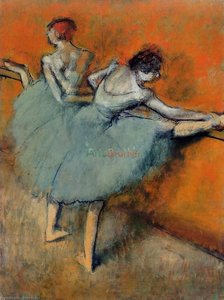
In the quiet, sun-drenched corners of the late 19th-century Parisian studio, Edgar Degas found his most profound inspiration. His masterpiece, “The Dance Lesson,” completed in 1879, serves as a breathtaking window into a world defined by discipline and grace. Unlike many of his contemporaries who sought to capture the fleeting shimmer of light on water, Degas turned his gaze inward toward the human form in motion. This work is not merely a depiction of ballet training; it is a meticulously crafted meditation on the intersection of effort and elegance. Through his expert use of pastel, Degas invites the viewer to step into the room, feeling the stillness of the air and the focused intensity of a young dancer caught in a singular, transformative moment of practice.
The composition centers on a young girl, her form poised with a delicate balance of vulnerability and strength. As she stands on one leg, gripping the wooden barre for stability, the viewer witnesses the raw reality of artistic pursuit. Beside her, an older figure—perhaps an instructor or a seasoned observer—provides a grounding presence, embodying the weight of experience and guidance. The inclusion of a violin in the background adds a subtle, melodic layer to the visual narrative, suggesting that the rhythm of the music is inseparable from the rhythm of the dance. Every element, from the soft folds of her pink dress to the textured surface of the studio floor, contributes to a scene that feels both intimately private and universally resonant.
Technique and the Impressionist Paradox
While history often labels Degas as an Impressionist, he famously resisted the term, preferring to identify as a realist. This distinction is palpable in the technique of “The Dance Lesson.” Rather than relying on the broad, atmospheric strokes of oil paint, Degas utilized the unique properties of pastel to achieve a level of nuance that few could replicate. The medium allowed him to layer soft, powdery tones, creating subtle gradations that mimic the softness of skin and the ethereal quality of light filtering through studio windows. This tactile approach creates a surface that is rich with texture, inviting the eye to linger on the fine details of the dancers' movements and the atmospheric depth of the room.
His mastery of draftsmanship—honed through years of studying classical works in the Louvre—is evident in the precision of his lines. Even within the soft, blurred edges characteristic of the era, there is an unmistakable structural integrity to every limb and gesture. This tension between the softness of the medium and the rigor of the composition mirrors the subject matter itself: the softness of the ballet aesthetic contrasted with the grueling, disciplined reality of the dancer's life. For collectors and designers, this duality makes the piece a versatile treasure, capable of adding both a sense of classical sophistication and a modern, emotive energy to any curated space.
A Timeless Legacy for the Discerning Collector
Beyond its technical brilliance, “The Dance Lesson” carries a profound emotional weight that transcends time. It speaks to the universal themes of aspiration, perseverance, and the quiet beauty found in the pursuit of perfection. The painting captures the "Belle Époque" not through grand spectacles, but through the intimate, unvarnished truth of daily practice. It is a tribute to the unseen hours of toil that precede the public glory of the stage.
For those looking to adorn a home or gallery with art that inspires contemplation, a high-quality reproduction of this work offers more than just decoration; it offers a narrative. Whether placed in a contemporary minimalist setting where its soft pastels can provide warmth, or within a traditional study to highlight its historical depth, Degas’s vision remains as potent today as it was in 1879. To possess such a piece is to hold a fragment of Parisian history, a silent symphony of movement and light that continues to captivate the human spirit.
Kysymykset ja vastaukset
Mitä tunnetta Hilaire-Germain-Edgar Degas:n "The Dance Lesson" välittää?
Teoksessa "The Dance Lesson" Elegant-tunnelma kohtaa Calm-tunteen.
Kuinka vaalea "The Dance Lesson" on kokonaisuudessaan?
Kokonaisuudessaan teoksen "The Dance Lesson" kirkkaus on kirjattu arvoon balanced. Koettu kirkkaus kuvaa sitä, kuinka vaaleana tai tummana teos vaikuttaa.
Mihin Hilaire-Germain-Edgar Degas'n uran vaiheeseen "The Dance Lesson" kuuluu?
Hilaire-Germain-Edgar Degas'n uralla teos "The Dance Lesson" sijoittuu aikakaudelle Mature Impressionism. Tämä vaihe auttaa vertaamaan sitä taiteilijan muihin teoksiin.
Taiteilijan elämäkerta
A Life Immersed in Movement
Edgar Degas, syntynyt Hilaire-Germain-Edgar De Gas vuonna 1834 Pariisissa, oli taiteilijaelämä, joka täynnä vastakohtia. Vaikka hänet usein luokitellaan Impressionistien pariin – Monet’n, Renoir’n ja muiden, jotka mullistivat maalaustekniikkaa 1800-luvun lopulla – hän itse vastusti tätä nimitystä, identifioiden itsensä realistiksi. Tämä sitoutuminen perustui hänen tarkkaan havaintoonsa maailmasta ja omistautumiseensa sen kuvaamiseen rehellisesti. Degasin varhainen elämä oli mukava bourgeois-elämä; isänsä oli pankki, ja äitinsä perhe oli kreikkiläinen New Orleansista. Tämä tausta tarjosi hänelle pääsyn koulutukseen ja taidekoulutukseen, vaikka hän usein vastusti akateemisia rajoitteita. Hän ilmoittautui alun perin Lycée Louis-le-Grandiin, mutta hänen todellinen koulutuksensa alkoi, kun hän alkoi kopioida teoksia Louvressa, hioen taitojaan ja sytyttäen elinikäisen intohimon klassiseen taiteeseen. Kuitenkin Degasin tie ei ollut pelkkää perinteiden noudattamista; se oli merkitty jatkuvalla kyseenalaistamisella ja taiteellisten normien uudelleenarvioinnilla. Hänellä oli itsenäinen henki, joka määrittelisi koko uransa.Impressionismista Poikkeava Taiteellinen Visio
Vaikka hänen ikäisensä, kuten Monet, tavoittelivat valon hetkellisiä vaikutuksia ulkona, Degas työskenteli pääasiassa studioissaan, rakentaen tarkasti kohtauksia havaintojen ja muistojen pohjalta. Hänen aiheensa olivat selvästi moderneja – poikkeus historiallisten tai mytologisten teemojen suhteen, joita suosivat monet akateemiset maalarit. Hän löysi inspiraatiota Pariisin tavallisten ihmisten elämään: pesimiehet, kabaree-laulajat, hattujen tekijät ja, mikä tärkeintä, tanssijat. Tämä tanssiin liittyvä intohimo määrittelee hänen teoksiaan suurelta osin. Degas ei maalannut vain kauniita balettitanssijoita; hän vangitsi heidän työn raskaan todellisuuden – loputtomat harjoitukset, fyysinen rasitus, ohikiitävät hetket eleganssin keskellä vaikeaa työtä. Hänen kompositiot ovat usein epätavallisia, esittäen hahmoja odottamattomilla tavoilla ja käyttämällä epäsymmetrisiä järjestelyjä luomaan dynaamisuuden ja välittömyyden tunnetta. Hän oli mestari vangitsemaan liikettä, ei sumeiden linjojen tai hämärän efektien kautta, vaan tarkkaan havaintojen ja muotojen huolellisen esittämisen avulla. *Tanssija tamburiinin kanssa*, *Baletttiluokka* ja *Degas vihreässä kaulahuivissa* ovat hyviä esimerkkejä tästä omistautumisesta ihmisfiguuren kuvaamiseen liikkeessä ja modernin elämän monimutkaisuuksien paljastamisessa. Hän ei ollut kiinnostunut pinnallisesta kauneudesta; hän etsi totuutta pinnan alla.Vaikutukset ja Taiteellinen Kehitys
Degasin taiteellinen matka muotoutui monipuolisten vaikutteiden pohjalta. Varhaiset koulutuksensa korosti klassisia periaatteita, erityisesti Jean-Auguste-Dominique Ingresin työtä, jonka linjakkuuden ja tarkkaan esitettyjen periaatteiden painotus jätti pysyvän jälkivaikutuksen. Kuitenkin Degas ihaillut myös Realisteja, kuten Gustave Courbetia, jotka haastoivat akateemisia normeja ja edustivat nykyelämän kuvaamista. Merkittävä hetki hänen kehityksessään oli hänen yhteytensä Camille Pissarro’hun, johtavaan Impressionistiin, joka esitteli hänet muiden taiteilijoiden pariin ja rohkaisi häntä kokeilemaan uusia tekniikoita. Hän oli lumoutunut japanilaisten painokuvien vaikutuksesta – Ukiyo-e – jotka vaikuttivat hänen epäsymmetristen komposiittien käyttöön, tasoitetuihin näkökulmiin ja rohkeisiin kuvioihin. Hän omaksui myös valokuvausta, tunnistaen sen potentiaalin liikkeen tutkimisessa ja ohikiitävien hetkien vangitsemisessa. Tämä halukkuus sisällyttää erilaisia vaikutteita teoksiinsa on se, mikä erottaa Degasin ja edistää hänen taiteensa ainutlaatuista luonnetta. Hän ei pelännyt lainata eri lähteitä, yhdistäen ne johonkin täysin uuteen.Saavutukset ja Perinnön Jättö
Edgar Degas kuoli Pariisissa vuonna 1917, jättäen jälkeensä teosten kokoelman, joka vangitsee edelleen yleisön huomion. Hänen innovatiivinen lähestymistapansa komposiittien luomiseen, hänen mestarillinen draftsaamisen taitonsa ja ihmisten elämän rehellinen kuvaus ovat vaikuttaneet taiteen historian kulkuun syvästi. Hän avasi tietä tuleville sukupolville taiteilijoille, jotka halusivat irtautua perinteisistä normeista ja tutkia uusia tapoja maailman esittämiseen. Hänen vaikutuksensa voidaan nähdä Pablo Picasson ja Henri Matissen teoksissa sekä monissa muissa. Teokset säilytetään laajalti museoissa ympäri maailmaa – Musée d’Orsayssa ja Musée de l’Orangeriessa Pariisissa – varmistaen, että hänen perintönsä kestää sukupolvien ajan. Degas ei ollut pelkästään tanssijoiden tai ratsastajien maalari; hän oli tarkkanäköinen havaintoeläjä, muotojen ja liikkeen mestari ja todellinen innovaattori, joka uudensi taiteen mahdollisuuksia.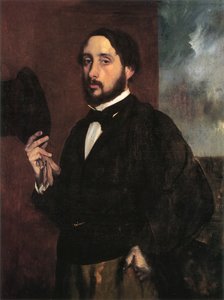
Hilaire-Germain-Edgar Degas
1834 - 1917 , Ranska
Pähkinänkuoressa
- Artistic Movement Or Style: Impressionismi, Realismi
- Artists Or Movements Influenced By This Artist:
- Picasso
- Matisse
- Artists Who Influenced This Artist:
- Ingres
- Courbet
- Pissarro
- Date Of Birth: 1834
- Date Of Death: 1917
- Full Name: Hilaire-Germain-Edgar De Gas
- Nationality: Ranskalainen
- Notable Artworks:
- Tanssijoita siivissä 1
- Kilpahevosten Pariisilainen Lähtö
- Balettin harjoitus
- Place Of Birth: Pariisi, Ranska
Aiheeseen liittyvät artikkelit
Vaaleanpunkan sävyt taiteessa: 10 kuuluisinta mestariteosta kotiisi – OriginalUniqueArt.com
Uppoudu vaaleanpunkan sävyjen maailmaan! Tutustu 10 kuuluisimpaan maalaukseen – Monet, Renoir, Degas ja muut mestarit. Löydä inspiraatiota sisustukseesi ja tilaa upeat taideteokset kotiisi OriginalUniqueArt.comista. Explore the full collection online!

Mastering Pastel Art: A Professional Guide to Texture, Color, and Technique for the Discerning Collector
Discover the professional secrets of pastel art. From Impressionist light techniques to mastering texture and pigment layering, our expert guide explores the ethereal beauty and technical precision required to master this delicate medium.

The Magic of Pastel Art: A Guide to Soft Colors and Velvately Textures in Impressionist Masterpieces
Explore the ethereal beauty of pastel art. Discover how Impressionist masters used soft hues and velvety textures to capture light. A professional guide for art enthusiasts seeking to understand, collect, and appreciate the delicate magic of this timeless medium.

10 Iconic Pastel Masterpieces That Revolutionized Art History
Journey through history with 10 iconic pastel masterpieces. From Impressionist legends to soft, emotive textures, explore the stories behind these timeless works. Find museum-quality art reproductions and decor inspiration at OriginalUniqueArt.com. Discover all masterpieces online.

The Soft Power of Pastel: A Connoisseur's Guide to History, Technique, and the Art of Texture
Explore the ethereal beauty of pastel art. From Renaissance origins to Impressionist mastery, discover the history, technique, and velvety textures that define this luminous medium in our expert guide for art connoisseurs.