
 Esikatselu
 Jaa
Jaa Jaa
Jaa
 Tarkemmat tiedot

 Lataa
Lataa
 Samanlaisia
 Röntgenkuva
 Diaesitys
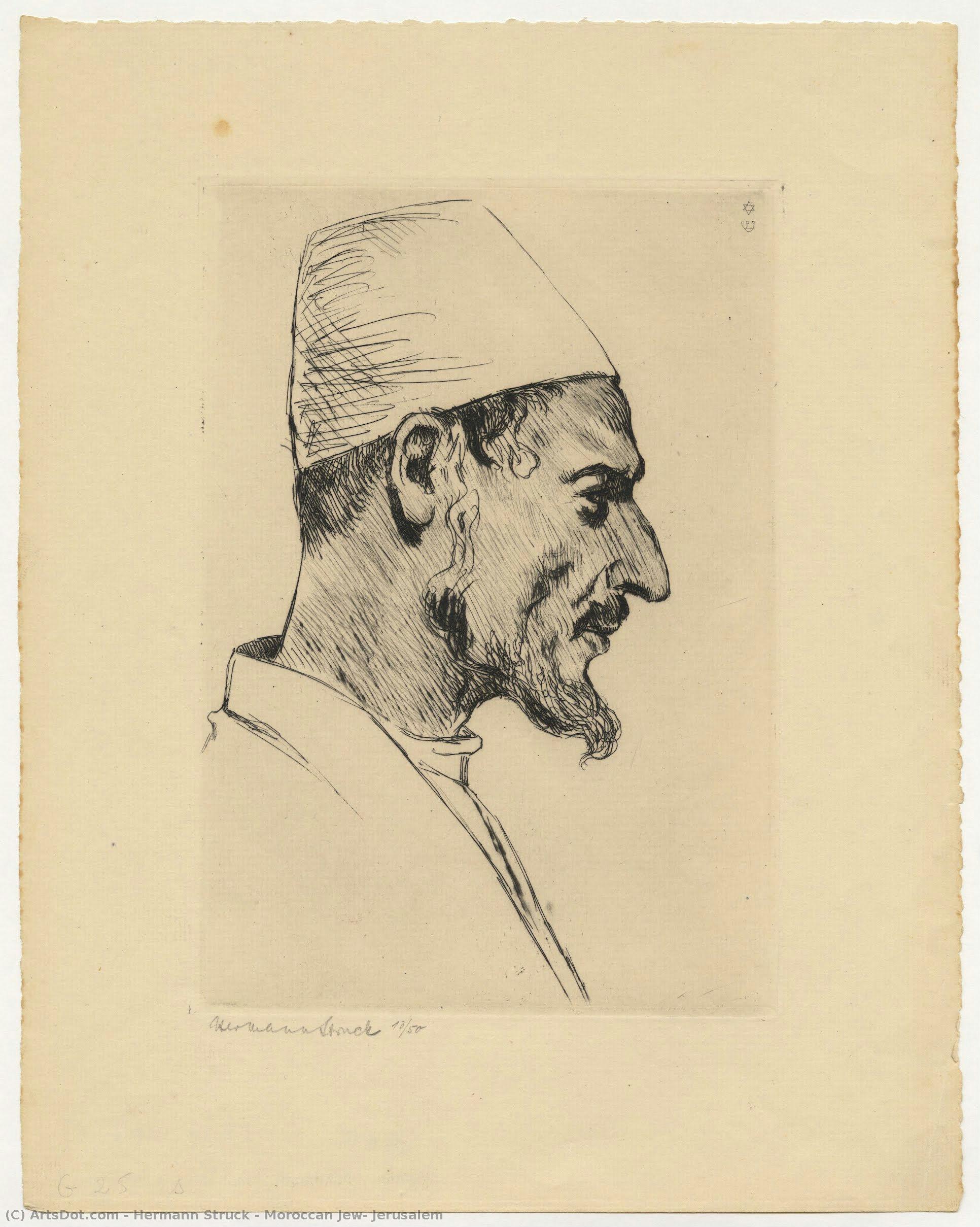
Moroccan Jew, Jerusalem
 Ink On Paper
- Contemporary Realism
 1900
1900- 19th Century
 23.0 x 29.0 cm
 Leo Baeck Institute
 Näytä lisää
Giclée-printit ja taideprintit
Museolaatuisia giclée- tai kankaitaulun tulosteita nopealla tuotannolla ja joustavilla viimeistelyvaihtoehdoilla. ( Osta käsintehty maalaus Osta kuva)




P118B $10

P118H $10

P118W $10

P438Z $10

P508JH $12

P508YH $12

P805H $10

P805Z $10

P919BZ $10

P919G $10

P919XJ $10

P959ZH $10

P968JZ $12

W106C $8

W218G $10

W218JH $8

W218Y $10

W307PJ $10

W316G $10

W316PJ $8

W316Y $10

W398PJ $8

W4111J $10

W500HY $15

W500JH $15

W692G $12

W849H $8

W940BG $15

W953PJ $8




Valitse valmiista mitoistamme sellaiset, jotka vastaavat teoksen alkuperäisiä mittasuhteita.

Voit syöttää omat mitat sopiaksesi tiettyyn kehykseen tai tilaan. Jos valittu koko ei vastaa alkuperäisen kuvan mittasuhteita, rajaamme teosta tai laajennamme kuvaa peilatulla tai yhtenäisellä reunalla. Digitaalinen mallikuva lähetetään hyväksyttäväksi ennen tuotannon aloittamista.
Huomaathan, että näytöllä näkyvä esikatselu ei vastaa lopullista rajausta tai laajennusta. Vain mallikuva näyttää lopullisen sommittelun tarkasti.
Vaikka räätälöityjä kokoja on saatavilla, suosittelemme valitsemaan mitat valmiista listasta alkuperäisten mittasuhteiden säilyttämiseksi.
Toimitus maailmanlaajuisesti () kahdessa viikossa tavallisen 4–5 viikon sijaan. (18 elokuu)

Ilmainen pikatoimitus ympäri maailman

Korkealaatuinen pellavakangas

Kattava kuljetusvakuutus

Tulliveron palautustakuu

Täydellinen värien vastaavuustakuu

60 päivän palautusoikeus (vain valmistusvirheet)

100% rahat takaisin -takuu

Määräalennus tarjous
 Lasivaihtoehto on saatavilla vain alle 110 cm kokoisina teoksina

Moroccan Jew, Jerusalem
Giclée-printit ja taideprintit
Replikaatin koko
-


Kokonaishinta
$ 80
Teoksen kuvaus
A Glimpse into the Soul of Jerusalem
In the delicate, monochromatic world of Hermann Struck’s Moroccan Jew, Jerusalem, time seems to suspend itself within the fine strokes of a pen. Created in 1900, this exquisite drawing serves as more than just a portrait; it is a profound window into a vanishing era and a specific cultural identity. The subject, captured in a dignified profile, wears the traditional turban and head coverings characteristic of North African Jewish heritage, grounding the viewer in the historical tapestry of Jerusalem at the turn of the century. Struck, a master of line, does not merely depict a face; he captures a presence that feels both intimately personal and historically monumental.
The emotional resonance of the piece lies in its quietude. There is a sense of contemplative stillness emanating from the subject’s gaze, inviting the observer to pause and reflect. For the collector or the lover of fine art, this work offers a moment of meditative peace. The subtle interplay of light and shadow across the contours of the man's features evokes a feeling of reverence, making it an ideal centerpiece for a space dedicated to thought, history, or cultural appreciation.
Mastery of Line and Ink
Technically, Moroccan Jew, Jerusalem is a triumph of precision and patience. Struck utilizes the medium of pen and ink with the expertise of a seasoned etcher, employing meticulous hatching and stippling to build volume where there is no color. The artist’s hand is visible in every varying line weight, which creates a sculptural depth across the subject's brow, nose, and beard. This technique allows for a remarkable level of realism while maintaining a stylized, almost graphic elegance that prevents the portrait from feeling like a mere photographic reproduction.
The texture of the work is particularly captivating for those with an eye for detail. The way the ink settles into the paper creates a sense of organic warmth, despite the lack of a palette. Through careful cross-hatching, Struck achieves a sophisticated tonal range that suggests the soft folds of fabric and the ruggedness of skin. This mastery of monochrome makes the piece exceptionally versatile for interior design; its neutral, classic tones allow it to integrate seamlessly into both contemporary minimalist settings and more traditional, opulent decors.
A Legacy of Identity and Artistry
To understand this artwork is to understand the broader context of Hermann Struck’s life and his role in the Zionist art movement. As a German-Jewish artist who would later become a pivotal figure in documenting prominent figures like Albert Einstein and Theodor Herzl, Struck possessed a unique ability to capture the essence of human dignity. This portrait is part of that larger mission—to document the faces, landscapes, and spirits of a people and their connection to sacred lands.
For an interior designer or a discerning collector, acquiring a reproduction of this caliber means bringing a piece of art history into the home. It is a work that speaks of heritage, resilience, and the enduring power of the human spirit. Whether displayed in a private study, a sophisticated gallery wall, or a curated living space, Moroccan Jew, Jerusalem acts as a conversation starter, bridging the gap between the historical significance of the early 20th century and the aesthetic demands of the modern era.
Taiteilijan elämäkerta
nuoruus ja koulutus
Hermann Struck, arvostettu saksalais-juutalainen taiteilija, syntyi 6. maaliskuuta 1876 Berliiniin, Saksaan. Hän opiskeli Berliinin taideakatemiassa, missä hän hioi taitojaan maalaamisessa ja etsauksessa.taiteellinen ura
Struckin taiteellista uraa leimasivat hänen poikkeuksellinen lahjakkuutensa litografioissa ja etsauksissa, jotka kantoivat usein mukanaan juutalaisia aiheita ja maisemia. Hänen työnsä saavutti laajaa tunnustusta, ja hänestä tuli arvostettu hahmo taidemaailmassa. Erityisen merkittävää on, että Struck julkaisi vuonna 1908 teoksen "Die Kunst des Radierens" ("Etsauksen taito"), joka oli mullistava teos tarjoten sekä teoreettista tietoa että käytännön ohjeita.merkittäviä teoksia ja yhteyksiä
jotkut Struckin tunnetuimmista teoksista sisältävät:- muotokuvia Ibsenistä, Nietzschestä, Freudista, Albert Einsteinista, Herzlistä ja Oscar Wildesta, jotka osoittavat hänen kykynsään vangita merkkihenkilöiden olemus.
- matkoiltaan peräisin olevia maisemaetsauksia, jotka ilmentävät hänen taitoaan vangita luonnon kauneutta.
- tilausmuotokuvia, mukaan lukien Theodor Herzlin muotokuva, josta tuli sionismin ikoninen symboli.
sionistinen aktivismi ja sotapalvelus
Struck oli intohimoinen sionisti ja juutalainen aktivisti. Hän vieraili Israelin maassa vuonna 1903 ja esitteli taidettaan viidennessä sionistisessa kongressissa. Ensimerän aikana hän toimi kääntäjänä, yhteysupseerina ja sotataiteilijana.perintö ja myöhempi elämä
Struckin perintö säilyy hänen lukemattomien etsaustensa ja maalaustensa kautta, joita löytyy useista museoista, kuten Kaiser-Wilhelm-Museumista (Krefeld, Saksa). Hän kuoli 11. tammikuuta 1944 Haifaan, Israeliin.tutustu Struckin taiteeseen OriginalUniqueArtssa
tutustu Hermann Struckin teoksiin OriginalUniqueArtssa, joka sisältää kokoelman hänen etsauksiaan ja maalauksiaan. Lisätietoja Struckin elämästä ja työstä löydät Wikipediasta. löydä Hermann Struckin taide:
Hermann Struck
1876 - 1944 , Saksa
Pikatiedot
- Artistic Movement Or Style: Litografiat, etsauksia
- Artists Or Movements Influenced By This Artist: ['Marc Chagall']
- Artists Who Influenced This Artist: ['Jozef Israëls']
- Date Of Birth: 6. maaliskuuta 1876
- Date Of Death: 11. tammikuuta 1944
- Full Name: Hermann Struck
- Nationality: Saksalais-juutalainen
- Notable Artworks:
- The Blind Beggar
- Central Park, NY
- Duomo Florence
- Place Of Birth: Berliini, Saksa
Liittyvät artikkelit
The Alchemy of Ink: Mastering the Timeless Beauty and Art History of Paper and Brush
Embark on a sophisticated exploration of ink wash painting and Sumi-e. Uncover the profound historical lineages, Zen philosophies, and technical mastery behind this timeless medium in our authoritative guide for fine art enthusiasts.

Ephemeral Expressions: Exploring the Nuances of Ink on Paper Through History & Contemporary Art
Explore the captivating world of ink wash painting – from its ancient origins to contemporary masters. Discover techniques, symbolism & conservation insights with OriginalUniqueArt.com.

Mastering Ink on Paper: The Timeless Art of Precision, Flow, and Calligraphic Heritage
Explore the profound mastery of ink on paper. From Japanese haiku traditions to Ming Dynasty calligraphy, discover the delicate balance of precision and flow that defines this timeless art form through an expert historical lens.

Ephemeral Lines: Exploring Emotional Resonance in Ink Sketching Traditions
Explore the profound art of ink sketching! Discover techniques to express emotion, master line work, and cultivate artistic sensitivity. Learn from historical masters & unlock your creative potential.
Mastering the Flow: The Timeless Art of Ink on Paper and the Legacy of Calligraphic Mastery
Explore the profound elegance of ink on paper. From the rhythmic running script of the Ming Dynasty to Zen-inspired haiku, discover the history, technique, and meditative mastery behind the world's most timeless calligraphic traditions.

