Contemporary Realism · 1957
Falling Warrior (Henry Moore, 1957)
Henry Moore (1898–1986) on luonut teoksen Falling Warrior. Se on peräisin vuodelta 1957. Se kuuluu Contemporary Realism-liikkeeseen. Se on valmistettu materiaalilla Bronze. Teos sijaitsee National Museums Liverpool -museossa paikassa Liverpool, Yhdistynyt kuningaskunta. Koko on 48 × 147 cm.
- 1957
- Bronze
- 48 × 147 cm
- National Museums Liverpool

 Käsinmaalattu öljymaalaus
 Jaa teos
 Jaa
 Tiedot-arkki


 Lataa kuva
 Samanlaisia kohteita
 Diaesitys
 Kysymykset ja vastaukset

 Tilastot
Falling Warrior lyhyesti
- Otsikko
- Falling Warrior
- Taiteilija
- Henry Moore (1898–1986)
- Taiteilija syntynyt
- Castleford, Yhdistynyt kuningaskunta
- Päivämäärä
- 1957
- Tekniikka
- Bronze
- Mitat
- 48 × 147 cm
- Missä teos on nähtävissä
- National Museums Liverpool, Liverpool, Yhdistynyt kuningaskunta
- Tyylisuunta
- Contemporary Realism
- Aikakausi
- Modern
- Aihe
- bronze sculpture, female figure, reclining pose, minimalism, organic form, tranquility
Mitä Falling Warrior esittää?
A Symphony of Bronze and Bone: The Essence of Falling Warrior
In the quiet halls of Tate Britain, there exists a moment of profound stillness captured in bronze—a masterpiece that breathes with the weight of history and the lightness of spirit. Henry Moore’s “Falling Warrior,” created between 1956 and 1957, is far more than a mere sculpture; it is a meditation on the very nature of existence. As one approaches this monumental work, the eye is immediately drawn to the fluid, undulating lines that define the female form. The figure lies horizontally, her body a landscape of soft curves and deliberate voids, evoking a sense of both immense strength and heartbreaking vulnerability. It is a piece that does not merely occupy space but commands it, inviting the viewer into a silent dialogue about resilience in the face of inevitable decline.
The brilliance of Moore’s technique lies in his ability to marry the tactile reality of metal with the ethereal quality of movement. Through a masterful process of modeling clay and subsequent bronze casting, Moore achieved a surface texture that feels alive. One can trace the subtle depressions and ridges that mimic the contours of flesh and bone, creating a rhythmic vitality that suggests the figure is caught in a single, breathless moment of transition. His pioneering use of negative space—the intentional piercing of the form—allows light to pass through the sculpture, integrating the surrounding environment into the artwork itself. This interplay of solid mass and hollow void creates a dynamic tension, making the bronze appear deceptively supple, as if the warrior might stir at any moment.
Modernism Rooted in the Earth
To understand the soul of “Falling Warrior,” one must look to the rugged landscapes of Yorkshire, where Henry Moore first learned to see the world. The rolling hills and weathered stones of his youth are echoed in the organic abstractions of this piece. While the sculpture sits firmly within the mid-century movements of Abstract Expressionism and Surrealism, it avoids the coldness often associated with pure abstraction. Instead, Moore utilizes a semi-abstract language to explore deep psychological states. The pose—a female figure with an arm outstretched in what could be interpreted as either defiance or surrender—serves as a universal symbol for the human condition. It captures the duality of our existence: the struggle to remain upright and the eventual, graceful acceptance of our own mortality.
For the discerning collector or interior designer, “Falling Warrior” represents an unparalleled opportunity to introduce a sense of timelessness and intellectual depth into a space. A high-quality reproduction of this work brings with it the prestige of British Modernism and the calming influence of organic form. Whether placed in a sunlit gallery, a sophisticated study, or as a focal point in a contemporary living space, the sculpture’s presence is transformative. It offers more than decoration; it provides a window into a profound aesthetic experience, where the boundaries between the human body and the natural world dissolve into a single, hauntingly beautiful expression of life.
Missä museossa teos Falling Warrior on?
National Museums Liverpool
Liverpool, Yhdistynyt kuningaskunta
Kiveen ja kankaaseen kaiverrettu perintö: National Museums Liverpoolin paljastaminen Liverpoolin elävässä sydämessä, kaupungissa, joka on kylpenyt merellisessä historiassa, teollisessa karuudessa ja taiteellisessa innovaatiossa, sijaitsee National Museums Liverpool – instituutio, joka on paljon enemmän kuin pelkkä esineiden arkisto. Se on elävä kronikka, todistus Merseysiden kehityksestä ja vuosituhansien mittainen syvä ylistys ihmisen luovuudelle. Toisin kuin suuret, keskitetyt museot, jotka usein rajoittuvat Lontoon kulttuuripiiriin, NML kukoistaa omassa ainutlaatuisessa alueellisessa identiteetissään, joka on juurtunut Luoteis-Englannin sitkeään henkeen ja omistautunut saavutettavuudelle kaikille.


Falling Warrior korkearesoluutioiset kuvat

Protected by copyright: these files are for personal reference, not a licence to republish.
Henry Moore, Falling Warrior (1957), National Museums Liverpool.
Kysymyksiä teoksesta Falling Warrior, vastaukset
Missä museossa alkuperäinen "Falling Warrior" on esillä?
Alkuperäinen Henry Moore:n "Falling Warrior" on osa National Museums Liverpool, Liverpool, Yhdistynyt kuningaskunta-museon kokoelmaa. Reproduktio mahdollistaa teoksen näyttämisen kotona.
Milloin teos Henry Moore:n "Falling Warrior" on luotu?
Henry Moore:n "Falling Warrior" on luotu vuonna 1957.
Mitä tekniikkaa teoksessa Henry Moore:n "Falling Warrior" on käytetty?
Henry Moore käytti teoksessa "Falling Warrior" Bronze-tekniikkaa. Tekniikka määrittelee alkuperäisen teoksen materiaalisen luonteen.
Mitkä ovat alkuperäisen Henry Moore:n "Falling Warrior" mitat?
Alkuperäisen teoksen Henry Moore:n "Falling Warrior" mitat ovat 147 x 48 cm.
Mitä Henry Moore:n "Falling Warrior" esittää?
Teoksen "Falling Warrior" aiheina ovat bronze sculpture, female figure, reclining pose, minimalism, organic form, tranquility, monumental art.
Onko teoksen Henry Moore:n "Falling Warrior" kuva vapaasti käytettävissä?
Tekijänoikeustiedot teokselle Henry Moore:n "Falling Warrior": teos on on edelleen tekijänoikeuden alainen. Tämä määrittää, voidaanko kuvasta tehdä vapaasti jäljennöksiä.
Kuka on luonut teoksen "Falling Warrior"?
"Falling Warrior" on Henry Moore:n luoma teos. Tällä sivulla olevat tiedot kuvaavat Henry Moore:n alkuperäistä työtä.
Mihin taidesuuntaukseen Henry Moore:n "Falling Warrior" kuuluu?
Teoksen Henry Moore:n "Falling Warrior" tyylisuunta on Contemporary Realism. Tämä luokittelu sijoittaa teoksen muiden samankaltaisten taiteilijoiden ja teosten joukkoon.
Mihin Henry Moore'n uran vaiheeseen "Falling Warrior" kuuluu?
Henry Moore'n uralla teos "Falling Warrior" sijoittuu aikakaudelle Mature Period. Tämä vaihe auttaa vertaamaan sitä taiteilijan muihin teoksiin.
Tietoa taiteilijasta, Henry Moore

1898–1986, Yhdistynyt kuningaskunta
Henry Moore
A Life Sculpted in Form: The World of Henry Moore Henry Spencer Moore, syntyi vuonna 1898 syrjäseiskan Castlefordissa, Pohjois-Yorkshiressa, ja nousi yhdeksi 2000-luvun merkittävimmistä brittiläisistä veistämistä taiteilijoista. Hänen elämänsä, joka alkoi vähävaraisista alkuperäisistä, on todiste hänen omistautumisestaan taiteelliseen tutkimukseen ja syvästä yhteydestään ihmisen muotoon ja luontoon. Moore’n isä, itseoppinut mies, jolla oli intohimo oppimiseen, opetti hänelle arvostusta koulutuksen voimaa ja ohjasi hänet pois kaivoksen työnteosta muodolliseen koulutukseen. Jo nuorena poikana Moore osoitti luontaisia taitoja saveen muotoiluun ja puun veistämiseen, mikä enteili hänen elämänsä polkua, joka määriteltiin kolmiulotteisella muodolla.
Tietoa kohteesta Henry Moore Henry Mooren merkittävimpiä teoksia
Myös Henry Moore -teoksia
 Reclining Figure
 Sculptural Objects (Cramer 47)
 Sheep 1
 A Miner at Work1942
Esseitä teoksesta Falling Warrior
 Romantic Realism's Finest: 10 Masterpieces for Your Home | OriginalUniqueArtExplore 10 defining masterpieces of Romantic Realism! Discover Courbet, Millet & Daumier's powerful paintings—capturing emotion and social …
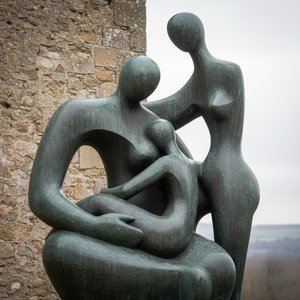 Henry Moore: Sculpting Modernity – Form, Emotion & the Human ConditionExplore the revolutionary sculptures of Henry Moore – abstract forms, reclining figures & powerful expressions of the human condition. Disc…
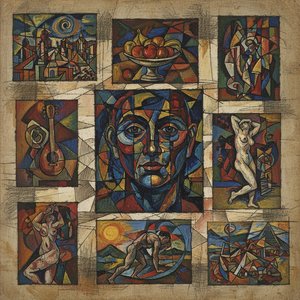 Kubismin ja ekspressionismin mestariteokset: 10 taideteosta, jotka muuttivat maailmaaTutustu kubismin ja ekspressionismin 10 ikonista mestariteosta! Picasso, Braque & Kandinsky – taiteen historiaa OriginalUniqueArt.comissa. …