

 Katso seinällä
 Lähetä
 Jaa
Jaa
 Tarkemmat tiedot
 Opas
Opas

 Lataa kuva
 Samanlaisia kohteita
 Röntgenkuvaus
 Diaesitys
 Tilastot
Le Pavillon
 Oil On Canvas
- WallArt
- Impressionism
 1909
1909- 19th Century
 81.0 x 100.0 cm
 Lue lisää
Giclée- ja taideprintit
Museolaatuisia giclée- tai kankaitaulun tulosteita nopealla tuotannolla ja joustavilla viimeistelyvaihtoehdoilla. ( Tilaa käsinmaalattu jäljennös Siirry digitaaliseen kuvaan)




P118B €10

P118H €10

P118W €10

P438Z €10

P508JH €12

P508YH €12

P805H €10

P805Z €10

P919BZ €10

P919G €10

P919XJ €10

P959ZH €10

P968JZ €12

W106C €8

W218G €10

W218JH €8

W218Y €10

W307PJ €10

W316G €10

W316PJ €8

W316Y €10

W398PJ €8

W4111J €10

W500HY €15

W500JH €15

W692G €12

W849H €8

W940BG €15

W953PJ €8




Valitse valmiista mitoistamme sellaiset, jotka vastaavat teoksen alkuperäisiä mittasuhteita.

Kirjoita tarvitsemasi leveys ja korkeus, jotta tuloste sopii kehyskokoon tai seinällesi. Tulostetta voidaan vain leikata, sitä ei voi koskaan tehdä suuremmaksi kuin alkuperäinen kuva, joten eri muotoinen koko aiheuttaa osan kuvasta katoamisen. Lähetämme sinulle digitaalisen mallikuvan hyväksyttäväksi ennen kuin aloitamme tulostuksen. Tällä sivulla näkyvä kuva ei näytä lopullista leikkausta — vain mallikuva näyttää sen.
Maailmanlaajuinen toimitus () 2 viikossa tavallisen 4–5 viikon sijaan. (27 lokakuu)

Ilmainen pikatoimitus ympäri maailman

Korkealaatuinen pellavakangas

Kattava kuljetusvakuutus

Tulliveron palautustakuu

Takuu täydellisestä värien vastaavuudesta

100 päivän palautusoikeus valmistusvirhetapauksissa

100% rahat takaisin -takuu

Määräalennus saatavilla
 Lasivaihtoehto on saatavilla vain alle 110 cm kokoisille teoksille

Le Pavillon
Giclée- ja taideprintit
Replikaatin koko
-


Kokonaishinta
€ 70
Le Pavillon: A Glimpse of Tranquility by Henri Le Sidaner
Henri Le Sidaner's "Le Pavillon," painted in 1909, is an exquisite example of Intimist painting, capturing a serene garden scene with remarkable atmospheric depth. Measuring 81 x 100 cm, this oil on canvas artwork transports viewers to a world of quiet beauty and gentle contemplation. The piece exemplifies Le Sidaner's signature style – characterized by soft light, muted colors, and an almost dreamlike quality—and offers a window into the artist’s personal haven in Gerberoy.
Subject & Composition: A Garden Sanctuary
"Le Pavillon" depicts a picturesque garden setting centered around a circular fountain adorned with roses. The fountain's presence serves as a focal point, drawing the eye and establishing a sense of harmony within the composition. Lush greenery surrounds the fountain, creating a vibrant backdrop that contrasts beautifully with the soft pink hues of the flowers. A charming cottage nestled in the background adds depth and context to the scene, suggesting a secluded retreat from the bustle of everyday life. The perspective is subtly flattened, enhancing the painting's atmospheric quality and contributing to its overall sense of tranquility. The foreground features a circular bed covered with white flowers and green moss, leading the eye towards the central fountain. Behind the fountain, a small cottage with a thatched roof provides a focal point. The background consists of dense foliage and rolling hills, further blurring the lines between objects and creating a sense of atmospheric perspective.
Style & Technique: Impressionistic Nuances
Le Sidaner’s style is deeply rooted in Impressionism but transcends it with his unique Intimist approach. He masterfully employs loose brushstrokes and subtle color variations to capture the fleeting effects of light and atmosphere. Unlike some Impressionists who focused on capturing a moment's vibrancy, Le Sidaner sought to evoke a sense of quiet introspection and peaceful solitude. The painting’s palette leans towards muted greens, pinks, and browns, creating a harmonious and calming visual experience. The technique involves layering paint in short, broken strokes to build up color and form. This creates a hazy effect that enhances the dreamlike quality of the scene. Le Sidaner's use of light is particularly noteworthy; he skillfully depicts diffused sunlight filtering through the foliage, casting soft shadows and highlighting the delicate details of the flowers and fountain.
Historical Context & Symbolism: Gerberoy’s Embrace
“Le Pavillon” was created during a period when Impressionism had evolved into various artistic movements. Le Sidaner, however, remained true to his Intimist sensibilities, focusing on intimate scenes of domesticity and nature. The painting is intrinsically linked to the artist's life in Gerberoy, a village he adopted as his home in the early 20th century. He restored a medieval fortress there and cultivated enchanting gardens, which became recurring subjects in his mature works. The garden itself symbolizes tranquility, refuge, and the beauty of simple pleasures. The fountain can be interpreted as a source of life and renewal, while the cottage represents comfort and security. Symbolically, the scene evokes themes of nostalgia, peaceful solitude, and the enduring power of nature to soothe the soul.
Emotional Impact & Legacy: A Timeless Retreat
"Le Pavillon" resonates with viewers through its ability to evoke a sense of calm and serenity. The painting’s gentle colors, soft light, and harmonious composition create an atmosphere of peaceful contemplation. It offers a visual escape from the stresses of modern life, inviting viewers to immerse themselves in a world of quiet beauty. Le Sidaner's work continues to be admired for its dreamlike allure and its striking blend of impressionistic technique with contemplative themes. For those interested in purchasing handmade oil painting reproductions of this stunning garden scene, OriginalUniqueArt.com offers a wide range of options.
Kysymykset ja vastaukset
Onko teoksesta "Le Pavillon" saatavilla korkearesoluutioinen lataus?
Teoksen Henri Le Sidaner:n "Le Pavillon" digitaalisen kuvan voi ostaa sen Digitaalinen kuva -sivulta: korkearesoluutioinen digitaalinen kuvalataus.
Kuinka tunnettu teos "Le Pavillon" on, jonka on luonut Henri Le Sidaner?
"Le Pavillon" on luokiteltu kategoriaan Recognized.
Mitä tunnetta Henri Le Sidaner:n "Le Pavillon" välittää?
Teoksessa "Le Pavillon" Serene-tunnelma kohtaa Tranquil-tunteen.
Taiteilijan elämäkerta
Early Life and Background
Henri Le Sidaner, syntynyt 7. elokuuta 1862 Port Louis’ssa Mauritiusissa, oli monipuolinen taiteilija, jonka ura alkoi poissa kotimaasta. Hänen isänsä, Jean Marie Le Sidaner, toimi Lloyd's -yhtiön laivastotarkastajana, ja perhe muutti Ranskaan vuonna 1872, asettuen lopulta Dunkerquiin. Jo varhain osoitettua intohimoaan taiteeseen, Le Sidaner sai tukea vanhemmiltaan, jotka mahdollistivat hänen opiskelunsa paikallisessa Collège et Lycée Notre Dame des Dunes -koulussa.
Dunkerquiin saamansa apuraha avasi hänelle tien Pariisiin, missä hän pääsi opiskelemaan arvostetussa École nationale supérieure des beaux-arts -taidekouluun. Koulu oli tunnettu kouluttaessaan tulevia ranskalaisia taiteilijoita ja Le Sidaner sai siellä vaikutteita monista eri taiteellisista suuntauksista, mikä muokkasi hänen tyyliään merkittävästi.
Artistic Training and Influences
École des Beaux-Arts -koulussa Le Sidanerin opettajanaan toimi Alexandre Cabanel, tunnettu akatemistinen maalaari. Vaikka Cabanelin vaikutus oli merkittävä, Le Sidaner ei pitänyt tästä koulutuksesta ja jätti sen lopulta erovuorotuessa, koska hän etsi oman, henkilökohtaisemman tavan ilmaista taiteellisia ideoitaan. Varhaiset vaikutteet saatiin impressionisteistä taiteilijoista kuten Édouard Manet ja Claude Monet sekä pointillistisesta tyylisuunnasta, joka korosti värien ja valon käyttöä pienissä, erillisissä pisteissä.
Hän liittyi Étaples’n taidekoloniaan, jossa hän työskenteli yhdessä muiden taiteilijoiden kanssa. Tämä yhteisöllinen ympäristö edisti hänen taitojaan ja auttoi häntä kehittämään omaa taiteellista näkemystään.
Artistic Style and Development
Le Sidanerin tyyli on tunnettu hienostuneesta väriasteikosta, tummista harmaista sävyistä ja opaalimaisten efektien käytöstä. Hän käytti epätasaisia, täplätyylisiä siveltimiä luodakseen ainutlaatuisen tunnelman ja mystisen vaikutelman teoksiinsa. Hänen erityinen vahvuutensa oli yöllisten maisemien maalaaminen, jossa hän vangitsi valon ja varjon hienovaraiset sävyt auringonlaskun aikaan. Aluksi hänen tyylinsä heijasti symbolistisia vaikutteita, mutta ajan myötä se kehittyi kohti henkilökohtaisempaa tyyliä, joka yhdisti impressionistisia tekniikoita ja symbolistisia elementtejä.
Vuosikymmeniä myöhemmin, Gerberoyn maalaiskylässä Picardy’ssä, hänestä tuli tunnettu hänen luomistaan puutarhoistaan, jotka sijaitsivat keskiaikaisen linnoituksen raunioiden keskellä. Nämä maalaukset esittivät usein heijastavia auringonsäteitä ja roisoja, vahvistaen hänen mainettaan ainutlaatuisena taiteilijana.
Major Works and Recognition
Le Sidanerin merkittäviä teoksia ovat muun muassa "Still life and a window, Gisors", joka on esillä Musée des Beaux-Arts Tournai’ssa Belgiassa. Hänen maalauksensa ovat saaneet tunnustusta ja kerättyjä kokoelmissa ympäri maailmaa. Vuonna 1905 hän järjesti Veneziaan liittyvän näyttelyn Pariisissa ja Lontoossa, mikä herätti suurta kiinnostusta ja arvostusta hänen tyylinsä puolesta.
Vuonna 1913 hänelle myönnettiin Ranskan suuryrityksen, Legion d'Honneurin ritariluokka tunnustuksena hänen taiteellisen panoksensa arvostamisesta. Hänen teoksiaan on esillä useissa museoissa ympäri maailmaa.
Historical Significance
Le Sidaner on usein kuvattu "impressionismin viimeiseksi", joka yhdisti impressionistisen ja post-impressionistisen taiteen. Hänen ainutlaatuinen tyylinsä, joka sisälsi monien suuntauksien vaikutteita säilyttäen samalla henkilökohtaisen ilmaisun, erottaa hänet muista taiteilijoista. Hän vangitsi kodin ja kadun tunnelmat hienovaraisesti ja taitavasti, tarjoten katsojille näkymiä intiimeihin hetkiin ja rauhallisiin maisemiin.
Hänen perintönsä inspiroi edelleen taiteilijoita ja taiteen ystäviä ympäri maailmaa. Hänen teoksiaan on esillä useissa museoissa ja niitä on saatavilla verkossa, kuten OriginalUniqueArt.com -sivustolla.
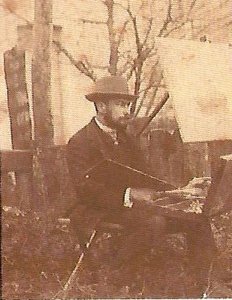
Henri Le Sidaner
1862 - 1939 , Mauritius
Tietoa taiteilijasta
- Artistic Movement Or Style: Intimisti, Impressionismi
- Artists Or Movements Influenced By This Artist: ['Impressionismi']
- Artists Who Influenced This Artist:
- Édouard Manet
- Monet
- Pointillistit
- Date Of Birth: 7 elokuuta 1862
- Date Of Death: 14 heinäkuuta 1939
- Full Name: Henri Eugène Augustin Le Sidaner
- Nationality: Ranskalainen
- Notable Artworks:
- Still life ja ikkuna, Gisors
- Beauvaisin aukiolla kuussa
- Place Of Birth: Port Louis, Mauritius
Aiheeseen liittyvät artikkelit

Paul Cézannen 25 mestariteosta: Taidetta kotiisi – OriginalUniqueArt.com
Tutustu Paul Cézannen 25 vaikuttavinta mestariteosta! Postimpressionismin huipputeoksia, still life -maalauksia ja ikonisia maisemia. Löydä taiteen tarinat ja inspiroi kotisi sisustusta OriginalUniqueArt.com:ssa. Tutki kokoelma verkossa!

Evocations of Place: A Historical Journey Through Landscape Art
Explore the rich history of landscape art with OriginalUniqueArt. Discover renowned artists, movements like Impressionism & Romanticism, and expert guidance for collecting timeless pieces. Find your perfect serene escape today!

John Constablein 25 mestariteosta: Taidetta ja tunnelmaa kotiisi – OriginalUniqueArt.com
Tutustu John Constable'n 25 mestariteokseen – romanttisia maisemamaalauksia, jotka vangitsevat englantilaisen luonnon tunnelman. Taidehistoriaa ja inspiraatiota kotiisi OriginalUniqueArt.com:ssa. Löydä kaikki taideteokset verkossa!
Cultivating Paradise: A Historical & Artistic Exploration of Gardens in Painting
Explore the rich history of gardens in painting! Discover masterpieces from Renaissance to Impressionism & beyond. Learn about symbolism, artists like Monet & Klimt, and find your perfect artwork at OriginalUniqueArt.
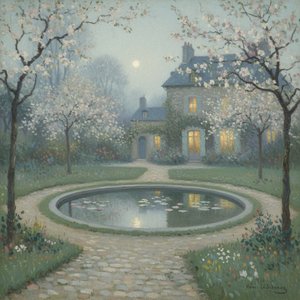
Henri Le Sidaner: Evoking Atmosphere & Intimacy in Post-Impressionist Landscapes
Discover the evocative world of Henri Le Sidaner, a master of Intimist painting. Explore his tranquil landscapes & atmospheric interiors – a celebration of light and intimacy. Learn about his life, style, and lasting legacy.