Valikko
Text size

() ·

A painting made for you, by hand

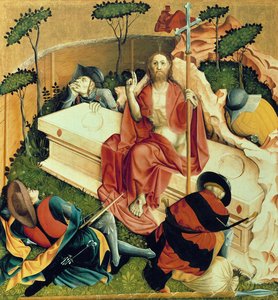
Christ before Pilate (detail)

Käsinmaalattu öljyvärinen jäljennös

Käsinmaalattu öljyväri kankaalle haluamassasi koossa ja kehyksissä, taiteilijoidemme valmistamana tilauksesta. ( Vaihda tulosteeseen Siirry digitaaliseen kuvaan)

Keräilykohteen kuvaus

Experience the poignant detail of Hans Multscher's 'Christ before Pilate.' This iconic 1437 painting captures a pivotal moment, showcasing realism and religious drama within a masterful work.

Taiteilijan elämäkerta

"meta_description": "Hans Multscher (1400-1467) oli merkittävä saksalainen kuvanveisto- ja maalari, joka yhdisti goottilaisen ja renessanssin tyylit. Tunnettu Wurzachin alttarista ja realistisesta tyylistään, hän oli keskeinen taiteellisen muutoksen aikaansaattaja Saksassa."

from ·

Chapter 1

How large should it be?

Slide to change the size; the picture on the left shows the frame at its real width. The proportions of the original are kept.

Vakiokoko
räätälöity
CM
INCH

Valitse valmiista mitoistamme sellaiset, jotka vastaavat teoksen alkuperäisiä mittasuhteita.

leveys
korkeus

Kirjoita tarvitsemasi leveys ja korkeus, jotta teos sopii kehyksiisi tai seinällesi. Koska kyseessä on käsinmaalattu teos, taiteilija voi maalata hieman enemmän kuvan ympärille tai rajata sitä hieman, jos haluat eri muotoisen koon — valinta on sinun. Lähetämme sinulle digitaalisen mallikuvan hyväksyttäväksi ennen kuin maalaus alkaa. Tällä sivulla näkyvä kuva ei vastaa lopullista tulosta — vain mallikuva näyttää sen.

Chapter 2

How should it arrive?

Choose the edges of the stretched canvas

Choose your frame

Corner sample of the WhiteWrap canvas edge finish, stretched on massiivipuu bars
White €1
Corner sample of the BlurSideWrap canvas edge finish, stretched on massiivipuu bars
Blurside €1
Corner sample of the ExtendedWrap canvas edge finish, stretched on massiivipuu bars
Extended €1
Corner sample of the P118B picture frame: valettu polystyreeni, 5 cm wide and 3 cm thick
P118B €10
Corner sample of the P118H picture frame: valettu polystyreeni, 5 cm wide and 3 cm thick
P118H €10
Corner sample of the P118W picture frame: valettu polystyreeni, 5 cm wide and 3 cm thick
P118W €10
Corner sample of the P438Z picture frame: valettu polystyreeni, 5.5 cm wide and 3.5 cm thick
P438Z €10
Corner sample of the P508JH picture frame: valettu polystyreeni, 7 cm wide and 3.5 cm thick
P508JH €12
Corner sample of the P508YH picture frame: valettu polystyreeni, 7 cm wide and 3.5 cm thick
P508YH €12
Corner sample of the P805H picture frame: valettu polystyreeni, 5 cm wide and 3.5 cm thick
P805H €10
Corner sample of the P805Z picture frame: valettu polystyreeni, 5 cm wide and 3.5 cm thick
P805Z €10
Corner sample of the P919BZ picture frame: valettu polystyreeni, 7 cm wide and 3.5 cm thick
P919BZ €10
Corner sample of the P919G picture frame: valettu polystyreeni, 7 cm wide and 3.5 cm thick
P919G €10
Corner sample of the P919XJ picture frame: valettu polystyreeni, 7 cm wide and 3.5 cm thick
P919XJ €10
Corner sample of the P959ZH picture frame: valettu polystyreeni, 5 cm wide and 3 cm thick
P959ZH €10
Corner sample of the P968JZ picture frame: valettu polystyreeni, 6 cm wide and 4 cm thick
P968JZ €12
Corner sample of the W106C picture frame: massiivipuu, 5 cm wide and 3 cm thick
W106C €8
Corner sample of the W218G picture frame: massiivipuu, 5 cm wide and 3 cm thick
W218G €10
Corner sample of the W218JH picture frame: massiivipuu, 5 cm wide and 3 cm thick
W218JH €8
Corner sample of the W218Y picture frame: massiivipuu, 5 cm wide and 3 cm thick
W218Y €10
Corner sample of the W307PJ picture frame: massiivipuu, 6 cm wide and 3 cm thick
W307PJ €10
Corner sample of the W316G picture frame: massiivipuu, 6 cm wide and 3 cm thick
W316G €10
Corner sample of the W316PJ picture frame: massiivipuu, 6 cm wide and 3 cm thick
W316PJ €8
Corner sample of the W316Y picture frame: massiivipuu, 6 cm wide and 3 cm thick
W316Y €10
Corner sample of the W398PJ picture frame: massiivipuu, 5 cm wide and 3 cm thick
W398PJ €8
Corner sample of the W4111J picture frame: massiivipuu, 6.5 cm wide and 3.5 cm thick
W4111J €10
Corner sample of the W500HY picture frame: massiivipuu, 7 cm wide and 5 cm thick
W500HY €15
Corner sample of the W500JH picture frame: massiivipuu, 7 cm wide and 5 cm thick
W500JH €15
Corner sample of the W692G picture frame: massiivipuu, 8 cm wide and 4 cm thick
W692G €12
Corner sample of the W849H picture frame: massiivipuu, 5 cm wide and 3 cm thick
W849H €8
Corner sample of the W940BG picture frame: massiivipuu, 7.5 cm wide and 4.5 cm thick
W940BG €15
Corner sample of the W953PJ picture frame: massiivipuu, 6 cm wide and 3.5 cm thick
W953PJ €8
Corner sample of the H24-GOLD picture frame: kaiverrettua puuta ja gessoa, 10 cm wide and 6 cm thick
H24-GOLD €30
Corner sample of the H24-SILVER picture frame: kaiverrettua puuta ja gessoa, 10 cm wide and 6 cm thick
H24-SILVER €30
Corner sample of the H36-GOLD picture frame: kaiverrettua puuta ja gessoa, 15 cm wide and 6.5 cm thick
H36-GOLD €45
Corner sample of the H36-SILVER picture frame: kaiverrettua puuta ja gessoa, 15 cm wide and 6.5 cm thick
H36-SILVER €45
Kehyksen esikatselu
Kehystetty

Moulding: . Overall size with the frame: .

Chapter 3

Who paints it, and should anything change?

Examples of what can be changed: Replace face with customer photo; Add pet (e.g., replace cat with dog); Include hidden message in background; Change background landscape or elements.
After order, OriginalUniqueArt.com team will email client for instructions and provide a mockup preview

Maailmanlaajuinen toimitus () 3–4 viikossa tavallisen 5 viikon sijaan. (30 lokakuu). Laadusta ei tingitä.

Chapter 4

The finishing touches

A nameplate, as in a museum?

Kaiverretun pronssilaatan tiedot

This elegant plaque features the artist's name and the title of the artwork, finely engraved for a timeless presentation.

It is made from bronze with a refined, elegant finish. The text is precisely laser-engraved for a sharp and permanent result. Measuring 9x2 cm, the plaque is compact yet easy to read. It's built to be durable and scratch-resistant, offering a professional, museum-quality look. Mounting is simple thanks to the included adhesive backing.

Läpinäkyvän akryylilaatan tiedot

The plaque includes essential engraved details such as the artist's name, the title of the artwork, the date it was created, the type of media used-like oil on canvas or watercolor-a brief description of the piece, and a QR code that links to the complete artwork information.

It is crafted from clear acrylic, offering a sleek, modern appearance. The text is UV-engraved in black to ensure strong visual contrast. With a size of 10x15 cm, it ensures optimal readability. It comes equipped with two metal hooks for secure wall mounting. The plaque is designed to be weather-resistant, making it suitable for various environments, and it includes interactive features that work seamlessly with smartphone scanning.

Mustan akryylilaatan tiedot

This elegant plaque includes engraved information such as the artist's name, the title of the artwork, the date it was created, the type of media used (like oil on canvas or watercolor), a short description of the artwork, and a QR code for quick access to more information.

The plaque itself is made from refined black acrylic with a premium finish. The text is laser-engraved in white for high contrast and readability. Its size is 10x15 cm, designed to be easy to read. It comes with two metal hooks for professional mounting. The design is sleek and fits any interior style. It is also weather-resistant and durable, with built-in digital integration for mobile compatibility.

A protective varnish?

When do you need it?

Chapter 5

Your painting, as you ordered it

Christ before Pilate (detail)

Reproduktiotekniikka

Replikaatin koko

-

Kokenut huipputaiteilija

Lisää yksityiskohtia, hienostuneisuutta ja enemmän aikaa tuotantoon

-

Reproduktion kehystysvaihtoehdot

-

-

Teoksille tai reproduktioille, joiden mikä tahansa sivu on suurempi kuin 105 cm (noin 41 tuumaa), kehys toimitetaan osina purettuna sarjana. Tämä menetelmä varmistaa turvallisen toimituksen ja ehkäisee vaurioita kuljetuksen aikana.

Vaatii ammattimaista kokoamista – kyseessä ei ole tee-se-itse-tuote.
Sarja on koottava ja kangas kiristettävä kokeneen kehystysammattilaisen toimesta käyttäen puuliimaa (ei sisälly pakkaukseen), kangaspinnetteitä ja puristimia, jotta kehyksen kulmat pysyvät suorina liiman kuivuessa. Virheellinen kokoaminen tai epätasainen kankaan kiristys voi vaurioittaa teosta pysyvästi, eikä tällaiset vauriot ala takuun piiriin.

  • Kaikki massiivipuupalat sisältyvät, tarkasti mittojen mukaan leikattuina.

  • Kootaan mukana tulevilla ruuveilla sekä kulmaliitoksia varten tarvittavalla puuliimalla, jota ei toimiteta, joten se on hankittava kehystäjältä.

  • Vaatii ammattilaisvälineitä, jotka eivät sisälly pakkaukseen: kankaan venytyspihdit (kiristin) ja puristimet, joilla pidetään kehyksen puut suorassa liiman kuivuessa.

Tärkeää:
Kulmaliitoksissa tarvitaan puuliimaa, kehyksien osat on pidettävä puristimilla, kunnes liima on täysin kuivunut, ja koottuun kehykseen jännitettävän kankaan kiristämiseen tarvitaan kangaspenssipihti. Mikään näistä ei sisälly pakkaukseen. Suosittelemme varmistamaan kokeneen kehystäjän saatavuuden ennen tämän kokoisen kehyksen tilaamista.

Nimilaatta

-

-

Suojalakkaus

Kiiltävä lakka (syventää värejä, suojaa valolta ja kosteudelta)

-

Mukauta taideteokseni

Esimerkkejä muokattavista asioista: Vaihda kasvot asiakkaan omaan valokuvaan; Lisää lemmikki (esim. vaihda kissa koiraan); Lisää taustalle piilotettu viesti; Muuta taustan maisemaa tai elementtejä.

-

Pikatoimitus

Maailmanlaajuinen toimitus () 3–4 viikossa tavallisen 5 viikon sijaan. (30 lokakuu). Laadusta ei tingitä.

-

Pikatoimitus

Maailmanlaajuinen toimitus () 5 viikon kuluessa. (6 marraskuu).

Sisältyy hintaan

Kokonaishinta

€ 265

Kokonaishinta € 265

Lasivaihtoehto on saatavilla vain alle 110 cm kokoisille teoksille

Included with every order

  • Ilmainen pikatoimitus ympäri maailman
  • Korkealaatuinen pellavakangas
  • Kattava kuljetusvakuutus
  • Tulliveron palautustakuu
  • Takuu täydellisestä värien vastaavuudesta
  • 100 päivän palautusoikeus (vain valmistusvirheet)
  • 100% rahat takaisin -takuu
  • Määräalennus tarjolla

A Moment of Contemplation: Christ Before Pilate by Hans Multscher

The painting “Christ before Pilate” by Hans Multscher, created around 1437, is not merely a depiction of a biblical scene; it’s a profound meditation on power, judgment, and the weight of human responsibility. Multscher, a pivotal figure bridging the Gothic and burgeoning Renaissance in Germany, masterfully captures a tense, almost suffocating atmosphere within this single composition. He wasn't simply replicating a narrative from scripture; he was distilling its essence – the agonizing confrontation between divine authority and earthly doubt – into a powerfully resonant visual experience. The painting’s enduring appeal lies not just in its technical skill but in its ability to evoke a deep sense of empathy for both Christ and Pilate, forcing the viewer to confront uncomfortable questions about faith, guilt, and the nature of leadership.

A Masterclass in Early German Realism

Multscher’s style is immediately recognizable as a significant step forward in German art. Departing from the stylized forms of late Gothic painting, he embraces a newfound realism that anticipates the meticulous detail and naturalistic portrayal characteristic of the Northern Renaissance. Observe how he renders the textures of the clothing – the heavy wool of Christ's robe, the rough linen of Pilate’s tunic – with astonishing accuracy. The faces are equally compelling; Christ’s expression is one of quiet resignation mingled with a profound sorrow, while Pilate’s face reflects a mixture of weariness and reluctant apprehension. The artist skillfully employs chiaroscuro—the dramatic contrast between light and shadow—to heighten the emotional impact, drawing our attention to key figures and creating a sense of depth within the crowded scene. The use of oil paint allowed for layering and blending, contributing significantly to the richness and luminosity of the work.

Symbolism Woven into the Scene

Beyond its realistic depiction, “Christ before Pilate” is rich in symbolic detail. The gathering of onlookers – a diverse group representing Roman officials, Jewish elders, and common citizens – underscores the universal nature of Christ’s trial. The presence of the bowls and cups suggests the offer of compromise, the temptation to avert judgment through earthly means. Note the subtle gestures: Christ's outstretched hands, Pilate’s averted gaze, the nervous fidgeting of the guards—each detail contributes to the narrative tension. The inclusion of animals – a dog and a bird – adds an element of earthy realism and perhaps hints at the broader themes of judgment and innocence. The positioning of these figures is deliberate; they frame Christ within a microcosm of human society, highlighting the conflict between divine law and human desire.

Historical Context and Artistic Legacy

Created during a period of significant artistic transition in Germany, “Christ before Pilate” reflects Multscher’s engagement with both established Gothic traditions and emerging Renaissance influences. His work is closely linked to the Wurzach Altar, a monumental altarpiece that once dominated the church of Wurzach in southern Germany. The wings of this altar, now separated into panels, are particularly significant for their depiction of the Passion narrative. Multscher’s contribution—the central panel depicting Christ before Pilate—is considered one of the most compelling and emotionally resonant images from the entire altarpiece. His workshop produced numerous copies and variations on this theme, demonstrating its enduring appeal to artists and viewers alike. The painting's influence can be seen in subsequent depictions of the Passion narrative, solidifying Multscher’s place as a key figure in the development of German art.

Today, reproductions of “Christ before Pilate” continue to captivate audiences with its timeless message and masterful execution. It serves as a poignant reminder of the complexities of faith, justice, and the enduring power of human emotion—a testament to Hans Multscher’s artistic vision and his profound understanding of the human condition.

Kysymykset ja vastaukset

Onko teokselle Hans Multscher:n "Christ before Pilate (detail)" opasta?

Teoksesta Hans Multscher:n "Christ before Pilate (detail)" on saatavilla Opas -sivu: tulostettava tietolomake teoksesta, joka on suunniteltu opiskelijoita ja luokkahuonekäyttöä varten.

Mikä tila sopii yhteen teoksen Hans Multscher:n "Christ before Pilate (detail)" värien kanssa?

Sen Earthy sävyjen huomioiden "Christ before Pilate (detail)" sopii erinomaisesti Living Room-tilaan.

Minkä tyyppinen teos Hans Multscher:n "Christ before Pilate (detail)" on?

"Christ before Pilate (detail)" on WallArt-teos.

More about this painting

Esikatselu Esikatsele AR-tilassa Vaihda tulosteeseen Siirry digitaaliseen kuvaan Jaa teos
Tiedot Opas Lisää suosikkeihin Lataa kuva Samanlaisia kohteita Röntgenkuvaus Diaesitys Q&A Tilastot

In numbers

  • 1437the year it was painted
  • 29frames to choose from
  • standard sizes, in its own proportions
  • 5weeks to paint and deliver it
Hans Multscher

Hans Multscher

1400 - 1467, Saksa

Quick facts about Hans Multscher

  • Artistic Movement Or Style: Myöhäinen Goottilainen/Renessanssi
  • Artists Or Movements Influenced By This Artist: ['Myöhäinen Goottilainen']
  • Artists Who Influenced This Artist:
    • Pohjois-Frankfurtiin tyylit
    • Alankomaiden tyylit
  • Date Of Birth: c. 1400
  • Date Of Death: 1467
  • Full Name: Hans Multscher
  • Nationality: Saksa
  • Notable Artworks:
    • Pyhä Maria Magdalena
    • Surujen mies
    • Keisarien ryhmä
  • Place Of Birth: Reichenbach, Saksa

Taiteilijan elämäkerta

A Pioneer of German Realism: The Life and Art of Hans Multscher

Hans Multscher, a name often overshadowed by the towering figures of his contemporaries, nevertheless stands as a crucial bridge between the late Gothic and burgeoning Renaissance in Germany. Born around 1400 in the small Bavarian town of Reichenhofen – now part of Leutkirch im Allgäu – he possessed an inquisitive spirit and a keen eye for artistic innovation that propelled him beyond the stylistic confines of his time. Multscher wasn’t merely a passive recipient of prevailing trends; he actively sought out new influences, embarking on journeys that profoundly shaped his distinctive aesthetic vision. These travels likely took him to the vibrant artistic centers of northern France and the Netherlands, exposing him to the burgeoning realism and meticulous detail characteristic of Early Netherlandish painting – a style that would become inextricably linked with his own work. His life was not one of grand courtly patronage but rather one rooted in the industrious spirit of Ulm, where he established himself as a free citizen in 1427, marking a pivotal moment in his career and solidifying his position within the thriving commercial hub of the Danube River. There, alongside his brother Heinrich, he founded a workshop that quickly gained renown for its innovative sculptures and paintings, becoming a significant force in shaping artistic production throughout Swabia.

The Workshop and Artistic Development

The Multscher workshop wasn’t simply a factory churning out art; it was a dynamic environment of experimentation and collaboration. Hans oversaw a substantial team – records indicate as many as sixteen assistants at times – fostering an atmosphere where the traditions of late Gothic forms were gradually infused with the naturalism he had absorbed during his travels. This blending is particularly evident in his sculptural work, which moved away from the elongated figures and stylized drapery typical of the late Gothic period towards more anatomically accurate representations and a greater sense of emotional depth. The faces of his subjects weren’t idealized; they possessed a tangible humanity, reflecting a growing interest in portraying individual character and psychological states. His paintings, though fewer in number than his sculptures, demonstrate an equally compelling shift. The *Wurzacher Altar*, begun in 1437, stands as a testament to this evolving style – a monumental undertaking intended for the church of St. James in Wurzach. This ambitious project, originally conceived as a series of panels depicting scenes from the life of Christ and the Virgin Mary, showcases Multscher’s mastery of oil painting – a relatively new medium at the time – and his remarkable ability to render textures, light, and shadow with breathtaking precision. The altar's panels are not merely decorative; they are imbued with a palpable sense of drama and emotion, reflecting the devotional fervor of the era. It’s important to note that Multscher wasn’t solely focused on religious subjects; his commissions also included secular works, such as the group of emperors adorning the eastern window of Ulm's city hall – a testament to his versatility and appeal to a broad clientele. The workshop’s success was built not just on individual talent but on a systematic approach to training apprentices, ensuring that Multscher’s artistic principles were disseminated throughout Swabia.

Key Works and Lasting Legacy

Beyond the *Wurzacher Altar*, several other works cemented Multscher’s reputation as one of Germany's most important artists. The sculpture of *Holy Mary Magdalen*, now housed in Frankfurt’s Liebieghaus, is a particularly poignant example of his ability to convey profound emotion through sculpted form. Her sorrowful expression and the delicate rendering of her hair and clothing reveal a deep understanding of human psychology – a characteristic that distinguishes his work from earlier, more stylized depictions of the Virgin Mary. Another notable piece is the *Man of Sorrows* – copies of which can be found at Ulm Minster – a powerful depiction of Christ’s suffering that reflects the devotional fervor of the era. These pieces, along with his contributions to the Ulm city hall, demonstrate Multscher's skill in both sculpture and painting, as well as his ability to adapt his style to different contexts and patrons. His influence extended far beyond his own lifetime; the workshop he established continued to thrive after his death in 1467, disseminating his artistic principles throughout Swabia and beyond. The legacy of Multscher lies not only in the beauty and technical skill of his art but also in his role as a catalyst for change – a pioneer who helped usher in a new era of realism and naturalism in German art.

Influences and Artistic Style

Multscher’s artistic style was shaped by a complex interplay of influences. As mentioned, he drew heavily from the vibrant artistic scene of northern France and the Netherlands, particularly the meticulous detail and realistic portrayal of figures characteristic of Early Netherlandish painting. However, he didn't simply imitate these styles; rather, he synthesized them with his own innate talent and the traditions of late Gothic art. His work retains a certain solemnity and formality reminiscent of the Gothic period, but it is infused with a newfound sense of naturalism and human emotion. The use of light and shadow – *chiaroscuro* – becomes increasingly sophisticated in his later works, creating dramatic effects and adding depth to his compositions. He was also influenced by the humanist movement, which emphasized the study of classical antiquity and promoted a more rational and scientific approach to art. This influence can be seen in his careful attention to anatomical detail and his desire to represent the human form with accuracy and grace.

Historical Significance

Hans Multscher’s significance lies not just in the beauty of his individual works but also in his role as a pivotal figure bridging the stylistic transition from the late Gothic period to the burgeoning Renaissance in Germany. He wasn't merely a follower of trends; he actively shaped them, laying the groundwork for subsequent generations of German artists. His work represents a crucial moment in the development of German art – a departure from the stylized conventions of the Gothic period towards a more humanistic and observational approach. While he didn’t entirely abandon traditional forms – elements of Gothic ornamentation can still be detected in his work – he skillfully integrated them with new techniques and aesthetic sensibilities, creating a unique artistic language that resonated deeply with his contemporaries and continues to captivate audiences today. He stands as a testament to the power of artistic exchange and the enduring legacy of those who dare to challenge convention.

Pikaista tietoa

  • Subject or theme: Religious art, Passion
  • Artist: Hans Multscher
  • Artistic style: Early Renaissance
  • Year: 1437
  • Medium: Oil on fir wood

Taidevisat

Jokaisessa kysymyksessä on vain yksi oikea vastaus.

Kysymys 1:
What is the primary subject depicted in Hans Multscher’s ‘Christ before Pilate (detail)’?
Kysymys 2:
In what century was ‘Christ before Pilate (detail)’ painted?
Kysymys 3:
Which artistic movement is most closely associated with Hans Multscher’s style?
Kysymys 4:
The painting features a dog and a bird. What do these animals likely symbolize in the context of the scene?
Kysymys 5:
Hans Multscher’s ‘Christ before Pilate (detail)’ is part of a larger altarpiece. What was the original purpose of this altarpiece?
Tutustu teoksiin, jotka on järjestetty aiheiden, tyylien ja ominaisuuksien mukaan.