
 Esikatselu
 Jaa teos
 Jaa
Jaa
 Tiedot
 Opas
Opas

 Lataa kuva
 Samanlaisia kohteita
 Röntgenkuvaus
 Diaesitys
 Kysymykset ja vastaukset
 Tilastot
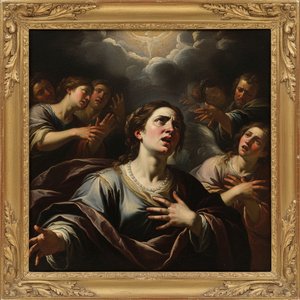
Susanna and the Elders

- 144.0 x 173.0 cm


 Lue lisää
Giclée- ja taideprintit
Museolaatuisia giclée- tai kankaitaulun tulosteita nopealla tuotannolla ja joustavilla viimeistelyvaihtoehdoilla. ( Osta käsinmaalattu taideteos Siirry digitaaliseen kuvaan)




P118B €10

P118H €10

P118W €10

P438Z €10

P508JH €12

P508YH €12

P805H €10

P805Z €10

P919BZ €10

P919G €10

P919XJ €10

P959ZH €10

P968JZ €12

W106C €8

W218G €10

W218JH €8

W218Y €10

W307PJ €10

W316G €10

W316PJ €8

W316Y €10

W398PJ €8

W4111J €10

W500HY €15

W500JH €15

W692G €12

W849H €8

W940BG €15

W953PJ €8




Valitse valmiista mitoistamme sellaiset, jotka vastaavat teoksen alkuperäisiä mittasuhteita.

Syötä tarvitsemasi leveys ja korkeus, jotta tuloste sopii kehyksiisi tai seinällesi. Tulostetta voidaan vain leikata, sitä ei voida koskaan suurentaa alkuperäistä kuvaa suuremmaksi, joten eri muotoinen koko aiheuttaa osan kuvasta katoamisen. Lähetämme sinulle digitaalisen mallikuvan hyväksyttäväksi ennen kuin aloitamme tulostuksen. Tällä sivulla näkyvä kuva ei näytä lopullista rajausta — vain mallikuva näyttää sen.
Maailmanlaajuinen toimitus () 2 viikossa tavallisen 4–5 viikon sijaan. (6 marraskuu)

Ilmainen pikatoimitus ympäri maailman

Korkealaatuinen pellavakangas

Kattava kuljetusvakuutus

Tulliveron palautustakuu

Takuu täydellisestä värien vastaavuudesta

100 päivän palautusoikeus (vain valmistusvirheet)

100% rahat takaisin -takuu

Määräalennus tarjolla
 Lasivaihtoehto on saatavilla vain alle 110 cm kokoisille teoksille

Susanna and the Elders
Giclée- ja taideprintit
Replikaatin koko
-


Kokonaishinta
€ 72
The Enigmatic Scene: Guido Cagnacci’s Susanna and the Elders
Guido Cagnacci's “Susanna and the Elders” is not merely a depiction of a biblical narrative; it’s an immersion into the sensual drama and psychological tension that defined the height of the Bolognese Baroque. Painted around 1627-1630, this arresting work resides within the hallowed halls of The Hermitage Museum in St. Petersburg, Russia, yet its power transcends geographical boundaries, captivating viewers with a masterful blend of classical restraint and intensely felt emotion. Cagnacci, born in Sant'Arcangelo di Romagna, skillfully inherited and expanded upon the traditions of his predecessors – Reni, Carracci – while forging a distinctly personal style characterized by rich color palettes, dramatic chiaroscuro, and an uncanny ability to capture the fleeting expressions of human desire.
A Story of Deception and Virtue
The narrative unfolds with a quiet intensity, centered around Susanna, a young woman renowned for her beauty and virtue. She is depicted in a moment of vulnerability – seated on a simple bench within a private garden, bathed in the diffused light of an unseen window. Her gaze, direct and unwavering, draws the viewer into the scene, creating an immediate connection between subject and observer. Behind her, two elderly men, figures of authority and presumed wisdom, lurk in shadow, their faces etched with lustful intent. The Elders, driven by a desperate desire for Susanna, have falsely accused her of adultery, threatening to expose her shame to the community. This isn’t a grand, operatic drama; it's a slow-burning revelation of deceit and the struggle between innocence and corruption.
Cagnacci masterfully utilizes composition to heighten this tension. The diagonal lines created by Susanna’s posture and the placement of the Elders draw our eye across the canvas, emphasizing their proximity and the potential danger she faces. The mirror reflecting her image adds a layer of self-awareness, suggesting that even in her vulnerability, Susanna retains a sense of dignity and control.
Technique and Artistic Flourishes
Cagnacci’s technical prowess is immediately apparent in the painting's rich textures and luminous colors. He employs a masterful use of chiaroscuro – the dramatic contrast between light and shadow – to sculpt Susanna’s form and create a sense of depth within the intimate setting. The warm hues of her dress and skin stand in stark opposition to the cool, shadowed figures of the Elders, further emphasizing their moral corruption. The brushwork is remarkably smooth and refined, indicative of Cagnacci's meticulous attention to detail. Note particularly the delicate rendering of the fabric folds, the subtle nuances of expression on Susanna’s face, and the atmospheric quality of the background – a dark, suggestive space that hints at both danger and mystery.
The painting is executed in oil on canvas, measuring 144 x 173 cm. The scale allows for a remarkable level of detail and intimacy, drawing the viewer into the heart of the drama. The artist’s choice to depict Susanna partially clothed – seated on a bench with only her dress covering her body – is deliberate, inviting contemplation about themes of modesty, virtue, and the vulnerability of women in a patriarchal society.
Symbolism and Enduring Resonance
Beyond its biblical subject matter, “Susanna and the Elders” resonates with broader themes of justice, deception, and the triumph of truth. The painting serves as a potent allegory for the dangers of false accusations and the importance of upholding moral integrity. The mirror reflects not only Susanna’s image but also the viewer's own reflection, prompting us to consider our own roles in witnessing and challenging injustice. Cagnacci’s work continues to hold relevance today, reminding us of the timeless struggle between virtue and vice, and the enduring power of art to illuminate the complexities of human experience.
Kysymykset ja vastaukset
Miten voin katsella teosta Guido Cagnacci:n "Susanna and the Elders" diashow'na?
Teoksen "Susanna and the Elders" diaporama on katsottavissa teoksen Diaesitys -sivulla.
Miten "Susanna and the Elders" asettuu osaksi Guido Cagnacci'n muuta tuotantoa?
"Susanna and the Elders" jakaa Guido Cagnacci'n muiden teosten kanssa Baroque-tyylin sekä toistuvat teemat: bolognese school, sensual subjects, religious narrative, moral lesson, courtly painting, aristocratic themes, chiaroscuro, dramatic lighting.
Mistä Guido Cagnacci:n "Susanna and the Elders" -teoksen vierailijat ovat kotoisin?
Teoksen Guido Cagnacci:n "Susanna and the Elders" tilastot löytyvät sen Tilastot -sivulta: teoksen kuukausittaiset käynnit, taiteilijan muiden teosten käynnit sekä viimeisimpien kävijöiden maa- ja kielijakauma.
Taiteilijan elämäkerta
Varhaiset vuodet ja taiteelliset alkutaivalet
Guido Cagnacci syntyi 19. tammikuuta 1601 vaatimattomassa Sant'Angelo in Romagnan kaupungissa perheeseen, joka kuului käsityöläisiin – hänen isänsä, Matteo Cagnacci, oli nahanvalaja ja turkisvalmistaja. Vaikka taiteilijan juuret ovat säilyneet osittain mysteerinä, ja spekulaatiot viittaavat mahdollisiin yhteyksiin Castel Duranteen tai Riminiin, on selvää, että nuori Guido omisti itsessään synnynnäisen taiteellisen lahjakkuuden. Toisin kuin monet aikakauden taiteilijat, jotka kävivät läpi tiukan ja muodollisen oppipoikakauden jo lapsesta asti, Cagnacci vaikuttaa olevan pitkälti itseoppinut. Kahdeks人士vuosisadan elämäkertakirjoittaja Giovan Battista Costa kuvailikin häntä niin, että hänelle oli ”annettu luonnostaan niin ihmeellinen lahja”, että hän aloitti taiteellisen matkansa hyvin vähäisellä ohjauksella. Tämä ennenaikainen kyvykkyys sai isän etsimään pojalleen jäsennellympää koulutusta, ensin Bolognasta noin vuonna 1618 ja myöhemmin kahden Rooman vierailun kautta. Vaikka hänen mentorien tarkkaa henkilöllisyyttään kiistellään yhä, on laajasti uskottu, että Ludovico Carracci ja Guido Reni vaikuttivat syvästi hänen varhaiseen kehitykseen Bolognalaisen koulukunnan piirissä. Nämä muovaavat kokemukset loivat perustan tyylille, joka nostaisi hänet lopulta ainutlaatuiseksi ääneksi barokin taidehistoriaan.Kehittyvä tyyli: Bologna, Rooma ja alueelliset vaikutteet
Cagnaccin taiteellinen koulutus ei rajoittunut vain yhteen studioon tai kaupunkiin. Hänen aikansa Bolognassa altisti hänet Carracci-suvun klassisille ihanteille ja hiotuille tekniikoille, kun taas matkat Roomaan toivat hänet kosketuksiin Guercinon dramaattisen intensiteetin ja Guido Renin hienostuneen eleganssin kanssa. Hän kohtasi myös ranskalaisen maalarin Simon Vouetin Rooman oleskelujensa aikana, mikä laajensi entisääntään hänen tyylillisiä horisonttejaan. Tämä vaikutteiden sulautuminen näkyy selvästi hänen varhaisissa teoksissaan, joissa usein esiintyy hartaita aiheita toteutettuna kasvavalla chiaroscuro-tekniikan mestaruudella – valon ja varjon dramaattisella vuoropuhelulla, josta tuli barokkimaalauksen tavaramerkki. Cagnacci ei kuitenkaan ollut pelkkä jäljittelijä; hän alkoi täyttää kompositiot omaperäisellä aistillisuudellaan ja psykologisella syvyydellään. Bolognan ja Rooman jaksojen jälkeen hän vakiinnutti asemansa työskentelevänä taiteilijana Riminiissä vuosina 1627–1642, ennen muuttoaan Forlìhin. Forlìn ajanjakso osoittautui erityisen merkittäväksi, sillä se antoi hänelle mahdollisuuden tutkia Melozzo da Forlìn teoksia, jonka innovatiivinen perspektiivin käyttö ja dynaamiset sommitelmat muovasivat entisestään hänen taiteellista visiotaan.Kypsät teokset: Aistillisuus, draama ja kontroverssi
Cagnaccin uran kypsä vaihe, joka ulottui karkeasti 1640-luvulta hänen kuolemaansa vuonna 1663, leimautuu rohkealla aistillisten aiheiden tutkimisella ja yhä hienostuneemmalla chiaroscuro-tekniikan käytöllä. Hän tuli tunnetuksi *Maria Magdalenan* kuvauksistaan, jossa nainen esitetään usein kauniina, katuvaisena hahmona ekstaattisessa mietiskelyssä, sekä tulkinnoistaan klassisista myyteistä, erityisesti niistä, jotka koskivat *Kleopatraa*. Nämä maalaukset eivät ole pelkkiä teknisen taidon harjoituksia; niissä on huomattava psykologinen intensiteetti ja lähes häiritsevä realismi. Cagnuksen hahmot ovat täynnä käsinkosketeltavaa fyysisyyttä ja emotionaalista haavoittuvuutta, mikä lumosi – ja toisinaan skandaalisoikin – hänen aikalaistensa mielen. Hänen työnsä rikkoivat usein hyväksyttävän siveellisyyden rajoja, mikä johti syytöksiin epäasiallisuudesta ja haastoi vallitsevat taiteelliset konventiot. Taiteilijan intiimit muotokuvat saavuttivat myös tunnustusta kyvystään vangita paitsi fyysinen yhdennäköisyys, myös mallien sisäinen elämä.Uudelleenlöytäminen ja historiallinen merkitys
Vaikka Cagnacci saavutti huomattavaa menestystä elinaikanaan – hän nautti arvostettujen aatelissukujen suosiosta Romagnassa ja sen ulkopuolella – hänen maineensa hiipui kuoleman jälkeen. Hänen teoksensa jäivät suhteelliseen unohdukseen vuosisadoiksi, taidehistorioitsijoiden ja yleisön hämärään. Vasta 1900-luvulla tehtiin tietoinen ponnistus hänen tuotantonsa uudelleenlöytämiseksi ja uudelleenarvioimiseksi. Tutkijat alkoivat tunnistaa hänen tyylinsä ainutlaatuiset laadut – mestarillisen chiaroscuron, aistillisen realismin ja psykologisen syvyyden – ja arvostaa hänen panostaan barokin perinteeseen. Nykyään Cagnacci tunnetaan tärkeänä hahmona italialaisessa barokkimaalauksessa, siltana Bolognalaisen koulukunnan klassisten ihanteiden ja myöhemmin vuosisadalla syntyneiden dramaattisempien, tunteikkaampien tyylien välillä. Hänen maalauksensa tarjoavat kiehtovan näkymän aikansa taiteelliseen herkkyyteen, haastaen meidät pohtimaan uudelleen ymmärrystämme kauneudesta, aistillisuudesta ja esittämisen voimasta. Hänen perintönsä ei koostu ainoastaan teknisestä virtuoosisuudesta, vaan myös halusta tutkia monimutkaisia teemoja ja työntää taiteellisen ilmaisun rajoja. Cagnaccin työt jatkavat resonointiaan nykyyleisön keskuudessa muistuttaen meitä taiteen kestävästä kyvystä provosoida, inspiroida ja haastaa havaintomme.
Guido Cagnacci
1601 - 1663 , Italia
Pähkinänkuoressa
- Artistic Movement Or Style: Barokki
- Artists Who Influenced This Artist:
- Ludovico Carracci
- Guido Reni
- Guercino
- Date Of Birth: 19. tammikuuta 1601
- Date Of Death: 1663
- Full Name: Guido Cagnacci
- Nationality: italialainen
- Notable Artworks:
- Maria Magdaleena
- Kleopatra-maalaukset
- Place Of Birth: Santarcangelo di Romagna, Italia
Aiheeseen liittyvät artikkelit
Chiaroscuro and Soul: A Definitive Guide to the Drama and Emotion of Italian Baroque Masterpieces
Embark on a sophisticated journey through Italian Baroque art. Discover the dramatic interplay of light and emotion in Caravaggio’s masterpieces and explore how to bring this timeless grandeur into your collection with expert art insights.

Barokin loisto: Kuinka tuoda ylellisyyttä ja tunnetta nykyaikaiseen sisustukseen
Tutustu barokki sisustuksen loistoon! Opi luomaan ylellistä ja tunnelmallista kotia historiallisen tyylin inspiroimana. Vinkkejä, esimerkkejä ja in apua.

Drama and Light: A Definitive Guide to the Italian Baroque Masterpieces and the Revolution of Chiaroscuro
Explore the dramatic world of Italian Baroque art. Discover how masters like Caravaggio used chiaroscuro and tenebrism to revolutionize painting through light, shadow, and profound realism. A definitive guide for history lovers and art collectors.

Barokin mestariteokset: Taidetta ja loistoa kotiisi – OriginalUniqueArt.com
Uppoudu barokin loistokkuuteen! Tutustu Caravaggion, Rembrandtin ja Vermeerin kaltaisten mestareiden tunnetuimpiin teoksiin. Taidehistoriaa kotiisi – löydä upeat taidetulosteet ja canvas-taulut OriginalUniqueArt.comista.

Italian Baroque Unlocked: High-Drama Art That Hits Hard
Dive into the high-drama world of Italian Baroque art. Discover how chiaroscuro, intense emotion, and theatrical lighting redefined aesthetics. Explore the visceral power of the Counter-Reformation through a modern lens with expert insights from OriginalUniqueArt.com.