Katso seinällä
 Lähetä
 Jaa
Jaa
 Tarkemmat tiedot
 Opas
Opas

 Lataa kuva
 Samanlaisia kohteita
 Röntgenkuvaus
 Diaesitys
 Tilastot
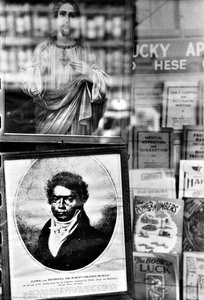
Store Front, Mobile, Alabama


 Lue lisää
Tällä sivulla esitettyä taideteosta suojaa tekijänoikeuslaki, mikä tarkoittaa, ettemme voi laillisesti luoda tai myydä täsmälleen samanlaista jäljennöstä. Tämä suoja toteutetaan kansainvälisten sopimusten, kuten esimerkiksi Berne-konventio ja kansallisilla laeilla, mukaan lukien niillä määritellyt Yhdysvaltain tekijänoikeuslaki – Luku 17. Kaikki oikeudet pidätetään. Luvaton kopiointi tai jäljittely on kielletty.
Tämä menetelmä noudattaa täysin tekijänoikeussäännöksiä, sillä se ei sisällä suojatun taideteoksen kopioimista tai jäljentämistä. Sen sijaan kyseessä on luova uudelleentulkinta – uusi maalaus, joka ammentaa vaikutteita alkuperäisestä, mutta ei ole sen identtinen kopio.
Giclée- ja taideprintit
Museolaatuisia giclée- tai kankaitaulun tulosteita nopealla tuotannolla ja joustavilla viimeistelyvaihtoehdoilla. ( Tilaa käsinmaalattu jäljennös Siirry digitaaliseen kuvaan)




P118B €10

P118H €10

P118W €10

P438Z €10

P508JH €12

P508YH €12

P805H €10

P805Z €10

P919BZ €10

P919G €10

P919XJ €10

P959ZH €10

P968JZ €12

W106C €8

W218G €10

W218JH €8

W218Y €10

W307PJ €10

W316G €10

W316PJ €8

W316Y €10

W398PJ €8

W4111J €10

W500HY €15

W500JH €15

W692G €12

W849H €8

W940BG €15

W953PJ €8




Valitse valmiista mitoistamme sellaiset, jotka vastaavat teoksen alkuperäisiä mittasuhteita.

Kirjoita tarvitsemasi leveys ja korkeus, jotta tuloste sopii kehyskokoon tai seinällesi. Tulostetta voidaan vain leikata, sitä ei voi koskaan tehdä suuremmaksi kuin alkuperäinen kuva, joten eri muotoinen koko aiheuttaa osan kuvasta katoamisen. Lähetämme sinulle digitaalisen mallikuvan hyväksyttäväksi ennen kuin aloitamme tulostuksen. Tällä sivulla näkyvä kuva ei näytä lopullista leikkausta — vain mallikuva näyttää sen.
Maailmanlaajuinen toimitus () 2 viikossa tavallisen 4–5 viikon sijaan. (25 lokakuu)

Ilmainen pikatoimitus ympäri maailman

Korkealaatuinen pellavakangas

Kattava kuljetusvakuutus

Tulliveron palautustakuu

Takuu täydellisestä värien vastaavuudesta

100 päivän palautusoikeus valmistusvirhetapauksissa

100% rahat takaisin -takuu

Määräalennus saatavilla
 Lasivaihtoehto on saatavilla vain alle 110 cm kokoisille teoksille

Store Front, Mobile, Alabama
Giclée- ja taideprintit
Replikaatin koko
-


Kokonaishinta
€ 70
A Frozen Moment in Southern Life
Gordon Parks’s “Store Front, Mobile, Alabama, 1956” isn't merely a photograph; it’s a meticulously crafted window into a vanished world—a poignant tableau of everyday life under the oppressive weight of Jim Crow segregation. Captured during his assignment for *Life* magazine, this image transcends its documentary origins to become a powerful meditation on empathy and the quiet dignity of ordinary people facing extraordinary circumstances. Parks, already a rising star in photography, eschewed the sensationalism often associated with civil rights imagery, instead choosing to focus on the seemingly mundane: a storefront in Mobile, Alabama, bathed in the warm, diffused light of a Southern afternoon. The scene is deceptively simple – a Coca-Cola sign proudly proclaiming its presence above the entrance, a weathered bench inviting weary customers, and several individuals gathered outside, engaged in conversation or simply observing the world around them. Yet, within this apparent stillness lies a profound narrative of resilience and quiet resistance.The Language of Color and Light
What immediately distinguishes “Store Front” is Parks’s masterful use of color—a bold departure from the predominantly black-and-white photography prevalent at the time. He deliberately employed saturated hues, particularly in the red of the Coca-Cola sign and the yellow of the building's facade, creating a vibrant contrast against the muted tones of the surrounding landscape. This deliberate infusion of color wasn’t simply aesthetic; it served to draw attention to the scene, inviting viewers to linger and contemplate its details. Parks expertly manipulated light, using natural illumination to sculpt the forms of the figures and create a sense of depth within the frame. The shadows cast by the building subtly emphasize the faces of those gathered outside, hinting at untold stories and experiences. This careful orchestration of color and light elevates the photograph beyond a simple snapshot, transforming it into a richly layered visual experience.A Window into Segregation’s Reality
The context surrounding this image is crucial to understanding its enduring power. Taken in 1956, during the height of the Civil Rights Movement, “Store Front” offers a rare glimpse into the daily realities of segregation in the American South. The Coca-Cola sign, a symbol of modernity and prosperity, stands in stark contrast to the racial inequalities that permeated every aspect of Southern life. The individuals depicted—a mix of Black men and women—represent the community’s resilience and their quiet determination to maintain dignity in the face of systemic oppression. Parks's choice to focus on this seemingly ordinary storefront highlights the fact that segregation wasn't confined to grand demonstrations or legal battles; it was woven into the fabric of everyday life, shaping people’s interactions, opportunities, and experiences. The photograph serves as a potent reminder of the pervasive nature of racial injustice and the importance of recognizing the humanity of those who have been marginalized.Symbolism and Emotional Resonance
Beyond its historical significance, “Store Front” is rich in symbolic meaning. The bench represents a brief respite from the hardships of daily life—a place for connection, conversation, and shared experience. The Coca-Cola sign, despite being a symbol of corporate America, also signifies a small measure of comfort and familiarity within a segregated environment. The figures themselves embody resilience, dignity, and community spirit. Parks’s deliberate framing invites viewers to project their own emotions onto the scene—to feel empathy for those depicted and to reflect on the enduring legacy of racial inequality. The photograph's emotional impact is profound, prompting us to confront uncomfortable truths about our past and to consider how we can build a more just and equitable future. It’s a testament to Parks’s skill that he could capture such complex emotions with such understated elegance.A Legacy of Photographic Storytelling
“Store Front, Mobile, Alabama, 1956” stands as a landmark achievement in photographic storytelling—a powerful example of how photography can be used to document social realities, challenge injustice, and foster empathy. Gordon Parks’s innovative use of color, his masterful manipulation of light, and his insightful portrayal of everyday life have cemented this image's place as an iconic representation of the Civil Rights Movement and a timeless meditation on human dignity. Reproductions of this photograph continue to resonate with audiences today, serving as a poignant reminder of the struggles faced by African Americans in the Jim Crow South and inspiring us to strive for a more inclusive and equitable society.Kysymykset ja vastaukset
Miten teoksen "Store Front, Mobile, Alabama" aihe liittyy Gordon Parks'n tavallisiin teemoihin?
"Store Front, Mobile, Alabama" esittää aiheita segregation, alabama, 1956, african-americans, gordon parks, photography, civil rights, family life, kun taas Gordon Parks tunnetaan teemoistaan photography, civil rights, segregation, documentary, social commentary. Näiden kahden vertaaminen osoittaa, miten teos liittyy taiteilijan tavallisiin aiheisiin.
Mikä on teoksen "Store Front, Mobile, Alabama" formaatti?
Teoksen "Store Front, Mobile, Alabama" formaatti on Square. Tämä on hyödyllinen tieto, kun suunnittelet jäljennöksen sijoituspaikkaa.
Onko teos "Store Front, Mobile, Alabama" tekijänoikeusvapaa?
Tekijänoikeuksien osalta teos "Store Front, Mobile, Alabama" on on edelleen tekijänoikeuden suojaama.
Taiteilijan elämäkerta
Gordon Parks: Valokuvaajan, Elokuvantekijän ja Tarinankertojan Monipuolinen Perintö
Gordon Roger Alexander Buchanan Parks, syntynyt marraskuussa 1912 Fort Scottissa, Kansasissa, oli enemmän kuin pelkkä valokuvaaja; hän oli monilahjakas taiteilija, jonka työ ulottui valokuvauksen, elokuvan, musiikin ja kirjallisuuden maailmoihin. Parks kasvoi syrjäytyneessä ympäristössä, jossa rotuerottelu oli arkipäivää, ja nämä kokemukset muovasivat hänen taiteellista näkemystään ja intohimoaan kertoa tarinoita niistä, joilla ei ollut ääntä. Hänen varhaiset elämänsä olivat täynnä kamppailua, mutta myös vahvaa päättäväisyyttä rikkoa esteitä ja löytää oma ainutlaatuinen äänensä taiteen kautta. Itseoppinut valokuvaaja Parks aloitti uransa kuvaamalla muotokuvia ja maisemia, mutta hänen kiinnostuksensa kääntyi pian dokumentoimaan amerikkalaista elämää sen monimutkaisine kontrasteineen.Valokuvauksen Voima Sosiaalisen Muutoksen Välineenä
Parks nousi nopeasti valokuvaajien eliittiin, ja hänen työnsä sai tunnustusta jo 1940-luvulla. Hänestä tuli ensimmäinen afroamerikkalainen valokuvaaja, joka sai säännöllisen paikan Life-lehdessä, mikä antoi hänelle ainutlaatuisen alustan jakaa tarinoitaan laajalle yleisölle. Parks käytti kameraansa aseena sosiaalista muutosta varten, dokumentoiden köyhyyttä, rasismia ja epäoikeudenmukaisuutta koskettavia aiheita syvällä empatialla ja tarkkuudella. Hänen valokuvansa ”Harlem Gang Wars” ja muut samankaltaiset sarjat paljastivat raadollisen todellisuuden kaupunkien slummeissa, tuoden esiin ihmisten kamppailut selviytyä vaikeuksista. Parks ei kuitenkaan keskittynyt pelkästään negatiivisiin näkökulmiin; hän pyrki myös vangitsemaan toivoa, ylpeyttä ja inhimillisyyttä niissä, joita yhteiskunta usein sivuutti. Hänen valokuvansa ovat enemmän kuin pelkkä dokumentointia – ne ovat syvällisiä ihmisistä kertovia tarinoita, jotka herättävät katsojassa vahvoja tunteita ja haastavat heidät pohtimaan maailmaa ympärillään.Elokuvaohjaaja ja Tarinankertojan Uusi Ääni
Parks ei rajoittunut pelkästään valokuvaukseen; hän laajensi taiteellista näkemystään elokuvan maailmaan 1960-luvulla. Hänen ohjauksensa ”The Learning Tree” (1969) oli merkittävä virstanpylväs, sillä Parksista tuli ensimmäinen afroamerikkalainen, joka ohjasi valtavirran elokuvan. Elokuva, joka perustui hänen omaelämäkerralliseen romaaniinsa, kertoi nuoren mustan pojan kasvutarinaa 1920-luvun Kansasissa ja käsitteli rotuerottelun, köyhyyden ja toivon teemoja. ”The Learning Tree” oli sekä henkilökohtainen että universaali tarina, joka kosketti miljoonia katsojia ympäri maailmaa. Parks jatkoi elokuvaohjausta 1970-luvulla, luoden ikonisen toimintaelokuvan ”Shaft” (1971), joka ei ainoastaan mullistanut elokuvateollisuutta, vaan myös loi uuden tyylilajin, "blaxploitation".Perintö ja Vaikutus Taiteeseen
Gordon Parks kuoli vuonna 2006, jättäen jälkeensä mittavan taiteellisen perinnön. Hänen työnsä on esillä lukuisissa museoissa ja kokoelmissa ympäri maailmaa, kuten Museum of Modern Art (MoMA) New Yorkissa ja Melvin Holmes Collectionissa. Parks ei ainoastaan rikkonut rotullisia esteitä taidemaailmassa, vaan myös inspiroi sukupolvia afroamerikkalaisia taiteilijoita seuraamaan omia intohimojaan ja käyttämään taidetta välineenä sosiaalisen muutoksen edistämiseksi. Hänen valokuvansa ja elokuvansa ovat edelleen ajankohtaisia, muistuttaen meitä ihmisarvon tärkeydestä ja tarpeesta kamppailla oikeudenmukaisuuden puolesta. Parks oli todellinen visionääri, jonka työ jatkaa inspiroimista ja haastamista vuosikymmeniä eteenpäin.Tunnustukset ja Palkinnot
- National Medal of Arts (1988): Korkein Yhdysvaltain hallituksen taiteellinen tunnustus, myönnetty Parksille merkittävästä panoksesta amerikkalaiseen kulttuuriin.
- PGA Oscar Micheaux Award (1993): Tunnustus elokuvantekijän uraauurtavasta työstään afroamerikkalaisen elokuvan alalla.
- NAACP Image Award (2003): Myönnetty Parksille hänen valokuvaus- ja elokuvatöistään, jotka edistävät rotujen välistä ymmärrystä ja tasa-arvoa.
- Spingarn Medal (1972): NAACP:n myöntämä tunnustus merkittävästä saavutuksesta afroamerikkalaisena.

Gordon Parks
1912 - 2006 , Yhdysvallat
Tietoa taiteilijasta
- Artistic Movement Or Style: Valokuvausjournalismi, Sosiaalinen realismi
- Artists Or Movements Influenced By This Artist: ['Afroamerikkalaiset taiteilijat']
- Date Of Birth: 30. marraskuuta 1912
- Date Of Death: 7. maaliskuuta 2006
- Full Name: Gordon Roger Alexander Buchanan Parks
- Nationality: Amerikkalainen
- Notable Artworks:
- Shaft (1971)
- The Learning Tree (1969)
- Emerging Man
- Harlem Gang Wars
- Night Rumble
- Place Of Birth: Fort Scott, Yhdysvallat
Aiheeseen liittyvät artikkelit

Witnessing History Through Lens & Light: Documentary Photography's Enduring Legacy
Explore the powerful history of documentary photography – from its origins to contemporary masters like Gordon Parks & W. Eugene Smith. Discover how this art form shapes our understanding of society and witness pivotal moments in time.

Witnessing History: Documentary Photography as an Art Movement
Explore the powerful history of documentary photography – from its origins to contemporary masters like Gordon Parks. Discover how this art form shapes our understanding of society and witness pivotal moments in time.
Gordon Parks: A Poetic Lens on American Life – Photography, Social Justice & Storytelling
Explore the profound work of Gordon Parks, a groundbreaking photographer who documented American life with unparalleled empathy and artistry. Discover his iconic images & lasting impact on social justice through Life magazine & beyond.

Monochrome Visions: Exploring the Aesthetic & Historical Significance of Black & White Photography
Explore the rich history & artistic power of black and white photography. From early techniques to iconic masters like Ansel Adams, discover why monochrome continues to captivate art lovers today. Expert insights for collectors.

Beyond the Lens: Photography's Enduring Influence on Modern & Contemporary Art
Explore photography's pivotal role in shaping modern & contemporary art. Discover key movements, influential artists like Stieglitz, and expert collecting advice from OriginalUniqueArt.