
 Esikatselu
 Jaa
Jaa Jaa
Jaa
 Tarkemmat tiedot

 Lataa
Lataa
 Samanlaisia
 Röntgenkuva
 Diaesitys
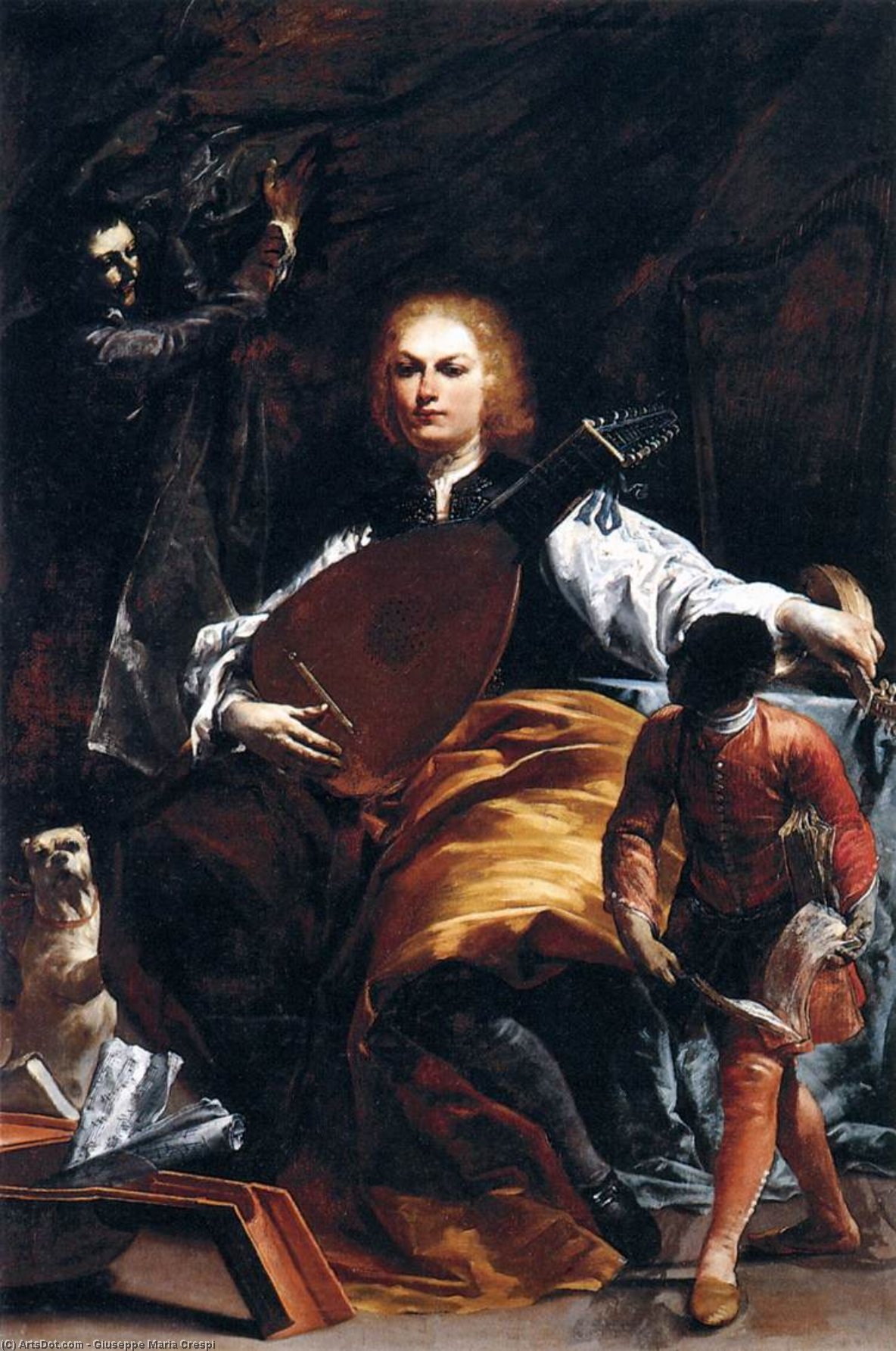
Count Fulvio Grati
 Oil On Canvas
- WallArt
- Baroque
 1700
1700 228.0 x 153.0 cm
 Thyssen-Bornemisza Museo
 Näytä lisää
Käsinmaalattu öljykopio
Käsinmaalattu öljyväri kankaalle haluamassasi koossa ja kehyksissä, taiteilijoidemme valmistamana tilauksesta. ( Osta printti Osta kuva)




P118B $10

P118H $10

P118W $10

P438Z $10

P508JH $12

P508YH $12

P805H $10

P805Z $10

P919BZ $10

P919G $10

P919XJ $10

P959ZH $10

P968JZ $12

W106C $8

W218G $10

W218JH $8

W218Y $10

W307PJ $10

W316G $10

W316PJ $8

W316Y $10

W398PJ $8

W4111J $10

W500HY $15

W500JH $15

W692G $12

W849H $8

W940BG $15

W953PJ $8




Valitse valmiista mitoistamme sellaiset, jotka vastaavat teoksen alkuperäisiä mittasuhteita.

Voit syöttää omat mitat sopimaan tiettyyn kehykseen tai tilaan. Jos valitsemasi koko ei vastaa alkuperäisen kuvan mittasuhteita, rajaamme taideteoksen tai jatkamme maalausta käsin maalatuilla elementeillä. Digitaalinen esikatselu lähetetään hyväksyttäväksi ennen tuotannon aloittamista.
Huomioithan, että näytöllä oleva esikatselu ei vastaa todellista rajausta tai jatkamista. Vain digitaalinen mallikuva näyttää lopullisen sommittelun tarkasti.
Vaikka mittatilaustyöt ovat mahdollisia, suosittelemme valitsemaan mitan ennalta määritetystä listasta alkuperäisten mittasuhteiden säilyttämiseksi.
Tilauksen jälkeen OriginalUniqueArt.com -tiimi lähettää asiakkaalle ohjeet ja esikatselukuvan.
Maailmanlaajuinen toimitus () 3–4 viikossa tavallisen 5 viikon sijaan. (20 elokuu). Laadusta ei tingitä.

Ilmainen pikatoimitus ympäri maailman

Korkealaatuinen pellavakangas

Kattava kuljetusvakuutus

Tulliveron palautustakuu

Täydellinen värien vastaavuustakuu

60 päivän palautusoikeus (vain valmistusvirheet)

100% rahat takaisin -takuu

Määräalennus tarjous
 Lasivaihtoehto on saatavilla vain alle 110 cm kokoisina teoksina

Count Fulvio Grati
Reproduktiotekniikka
Replikaatin koko
-


Kokonaishinta
$ 300
Teoksen kuvaus
Giuseppe Maria Crespi’s “Count Fulvio Grati”: A Window into Bolognese Life
Giuseppe Maria Crespi, affectionately known as “Lo Spagnuolo,” remains one of the most enigmatic and captivating figures in 17th-century Italian art. Born in Bologna in 1665, his life was a tapestry woven with unconventional choices – from his adopted Spanish attire to his deliberate rejection of the Roman artistic establishment – ultimately forging a unique path as a genre painter that offered an unprecedentedly intimate glimpse into everyday life. Crespi’s “Count Fulvio Grati,” painted around 1700-1720, exemplifies this distinctive approach, presenting not a grand historical scene or pious religious depiction, but rather a remarkably candid portrait of a Bolognese nobleman engaged in leisure activities – a testament to his revolutionary vision. The painting isn't merely a likeness; it’s a carefully constructed tableau designed to reveal the sitter’s character and social standing through subtle details and engaging composition.A Revolutionary Approach: Genre Painting and the Everyday
Prior to Crespi, portraiture in Italy largely adhered to established conventions – formal poses, elaborate costumes, and symbolic gestures intended to convey status and virtue. Crespi, however, shattered these traditions. He eschewed the idealized representations favored by his contemporaries, opting instead for a realism that was both observant and subtly theatrical. “Count Fulvio Grati” is a prime example of this shift. The Count isn’t presented in a static pose; he's actively involved in a scene – playing the lute, accompanied by a servant holding sheet music and a small dog. This engagement invites us into his world, suggesting a life filled with intellectual pursuits and social connections. Crespi’s genius lay in capturing not just outward appearances but also the nuances of human interaction and the subtle details that defined individual character. He was particularly interested in portraying common people, and this is evident in the inclusion of servants and musicians within the scene.Technique and Composition: Light, Shadow, and Detail
Crespi’s technical skill is immediately apparent in “Count Fulvio Grati.” The painting is dominated by a dramatic chiaroscuro – a masterful manipulation of light and shadow that sculpts the figures and creates a sense of depth and drama. The Count's form is sharply defined against the darker background, drawing our attention to his face and posture. Notice how Crespi uses loose brushstrokes, eschewing the smooth, polished surfaces favored by many of his contemporaries. This technique lends a sense of immediacy and spontaneity to the scene, as if we’ve stumbled upon a fleeting moment captured in paint. The inclusion of small details – the lute case, the sheet music, the dog – adds layers of visual interest and reinforces the painting's realism. The composition itself is carefully balanced, with the Count positioned centrally while the supporting figures frame him within a dynamic yet controlled space.Symbolism and Social Commentary
Beyond its technical brilliance, “Count Fulvio Grati” offers subtle clues about Bolognese society at the time. The lute, a symbol of musical refinement, suggests the Count’s intellectual interests. The servant holding sheet music hints at his patronage of the arts. Even the dog, often associated with loyalty and companionship, adds to the portrait's warmth and charm. Some scholars have suggested that Crespi deliberately included elements of caricature – subtle distortions of features or poses – to subtly critique social hierarchies and expose the pretensions of the upper classes. The Count’s relaxed posture and engaged expression suggest a man comfortable in his own skin, perhaps even challenging conventional notions of aristocratic decorum.A Timeless Portrait: Emotional Resonance and Artistic Legacy
“Count Fulvio Grati” is more than just a portrait; it's a captivating snapshot of a bygone era. Crespi’s ability to capture the essence of his subject – his character, his social standing, and his inner life – resonates powerfully with viewers today. The painting’s immediacy and intimacy invite us to connect with the Count on a human level, fostering a sense of empathy and understanding. It is a testament to Crespi's revolutionary approach to genre painting, securing his place as one of the most important artists of the Bolognese Baroque and offering a unique window into the vibrant social and cultural landscape of 17th-century Italy.Taiteilijan elämäkerta
A Bolognese Original: The Life and Art of Giuseppe Maria Crespi
Giuseppe Maria Crespi, affectionately known as “Lo Spagnuolo” – the Spaniard – was a captivating anomaly within the Italian Baroque landscape. Born in Bologna in 1665, his nickname stemmed not from ancestry but from a penchant for the tightly fitted clothing fashionable in Spain at the time, a sartorial choice that hinted at the independent spirit simmering beneath the surface of this remarkable artist. Crespi’s journey began with a traditional apprenticeship, first under Angelo Michele Toni and then Domenico Maria Canuti, absorbing the foundational techniques of Bolognese painting. However, he resisted the pull of Rome when invited by Carlo Maratti, choosing instead to forge his own path, one that would ultimately redefine genre painting and offer a strikingly intimate glimpse into everyday life.Breaking with Tradition: A New Vision Emerges
Crespi’s artistic output was remarkably diverse, encompassing religious paintings, portraits, and etchings inspired by masters like Rembrandt and Salvator Rosa. Yet, it is for his genre scenes – depictions of ordinary people engaged in commonplace activities – that he is most celebrated today. This focus represented a significant departure from the prevailing academic traditions which favored historical or mythological subjects. He wasn’t interested in grand narratives or idealized forms; instead, Crespi turned his attention to the lives unfolding around him—women washing dishes, families sharing meals, children at play. These weren't merely representations of daily life but imbued with a psychological depth and realism previously unseen. His style was characterized by a deliberate restraint in color and brushwork, employing a limited palette with judicious skill, though some critics noted a lack of robust physicality in his application. This subtlety, however, served to heighten the emotional impact of his scenes, drawing viewers into the quiet dramas of domes Crespi’s artistic breakthrough occurred during his formative years under Domenico Maria Canuti's tutelage, where he honed his skills alongside Giovanni Antonio Burrini. Recognizing Crespi’s exceptional talent, Canuti encouraged him to pursue independent study and experimentation—a decision that would prove pivotal in shaping his distinctive style. He also benefited from the influence of Carlo Cignani, whose teachings emphasized dramatic chiaroscuro and vibrant color palettes – techniques that would become hallmarks of Crespi's oeuvre. Unlike many artists of his time who adhered rigidly to established conventions, Crespi actively sought inspiration from Dutch masters like Rembrandt and Salvator Rosa, incorporating their innovative approaches to composition and tonal gradation into his own work. This willingness to challenge artistic norms cemented his reputation as a visionary artist ahead of his time.Genre Painting: A Revolution in Representation
Crespi’s most enduring legacy rests upon his pioneering contributions to genre painting—a genre that had largely fallen out of favor within the Baroque era. Rejecting the grandeur and formality of historical subjects, Crespi focused instead on capturing the essence of everyday life with unparalleled sensitivity and detail. His paintings depict scenes from domestic interiors, bustling marketplaces, and rural landscapes—subjects that offer a window into the social customs and emotional realities of his contemporaries. Unlike earlier artists who idealized human figures or embellished narratives, Crespi presented portraits of ordinary people with unflinching honesty, revealing their vulnerabilities and complexities. This stylistic choice was revolutionary for its time, signaling a shift toward psychological realism and humanist observation. Notable amongst Crespi’s genre masterpieces are *Santa Maria Maddalena penitente*, which portrays Mary Magdalene in a moment of profound introspection—a depiction that captures the artist's masterful command of tonal gradation and expressive brushwork. Similarly, *Confession* explores themes of moral struggle and spiritual contemplation with remarkable nuance. And his iconic work, *Woman Washing Dishes*, exemplifies Crespi’s ability to convey emotion through subtle gestures and facial expressions—a testament to his profound understanding of human psychology. These paintings stand apart from the opulent religious commissions that dominated the Baroque landscape, demonstrating Crespi's commitment to portraying the human condition with compassion and insight.Influence and Legacy
Giuseppe Maria Crespi’s artistic vision extended beyond genre painting; he produced striking portraits and etchings that showcased his technical prowess and stylistic innovation. His etchings after Rembrandt and Salvator Rosa exemplify his fascination with Dutch artistic traditions, incorporating their dramatic contrasts of light and shadow into his own prints. Crespi established a school in Bologna, where he mentored younger artists—Giovanni Battista Piazzetta and Pietro Longhi—who carried forward his commitment to realism and genre painting. His influence resonated throughout the Bolognese School of Painting, shaping the aesthetic sensibilities of an entire generation of artists. Crespi’s enduring fame stems from his groundbreaking exploration of human emotion and experience within seemingly mundane subjects. He demonstrated that beauty could be found not only in grand narratives but also in the quiet dramas of daily life—a perspective that continues to inspire artists and scholars today. His work remains a powerful reminder of the importance of observation, empathy, and artistic courage—qualities that cemented his place as one of the most significant figures in Bolognese Baroque art and secured his legacy as a true innovator. He died peacefully in Bologna in 1747, leaving behind an impressive body of work that continues to captivate audiences worldwide.
Giuseppe Maria Crespi
1665 - 1747 , Italia
Pikatiedot
- Artistic Movement Or Style: Barokki
- Artists Or Movements Influenced By This Artist:
- Giovanni Battista Piazzetta
- Pietro Longhi
- Artists Who Influenced This Artist:
- Carlo Cignani
- Domenico Maria Canuti
- Date Of Birth: 14 marraskuu 1665
- Full Name: Giuseppe Maria Crespi
- Nationality: Italian
- Notable Artworks:
- Seitsemän sakramenttia
- Pyhä Joosef ja Kristuslapse
- Place Of Birth: Bologna, Italia
Liittyvät artikkelit

Giuseppe Maria Crespi: Pioneering Genre Painting & the Bolognese Baroque
Explore the life & art of Giuseppe Maria Crespi, a pivotal Bolognese Baroque painter. Discover his groundbreaking genre scenes, religious works, and lasting influence on Italian art history. Learn more at OriginalUniqueArt.

Drama and Light: A Definitive Guide to the Italian Baroque Masterpieces and the Revolution of Chiaroscuro
Explore the dramatic world of Italian Baroque art. Discover how masters like Caravaggio used chiaroscuro and tenebrism to revolutionize painting through light, shadow, and profound realism. A definitive guide for history lovers and art collectors.

Barokin loisto: Kuinka tuoda ylellisyyttä ja tunnetta nykyaikaiseen sisustukseen
Tutustu barokki sisustuksen loistoon! Opi luomaan ylellistä ja tunnelmallista kotia historiallisen tyylin inspiroimana. Vinkkejä, esimerkkejä ja in apua.

Barokin mestariteokset: Taidetta ja loistoa kotiisi – OriginalUniqueArt.com
Uppoudu barokin loistokkuuteen! Tutustu Caravaggion, Rembrandtin ja Vermeerin kaltaisten mestareiden tunnetuimpiin teoksiin. Taidehistoriaa kotiisi – löydä upeat taidetulosteet ja canvas-taulut OriginalUniqueArt.comista.

Italian Baroque Unlocked: High-Drama Art That Hits Hard
Dive into the high-drama world of Italian Baroque art. Discover how chiaroscuro, intense emotion, and theatrical lighting redefined aesthetics. Explore the visceral power of the Counter-Reformation through a modern lens with expert insights from OriginalUniqueArt.com.



