Katso seinällä
 Lähetä
 Jaa
Jaa
 Tarkemmat tiedot
 Opas
Opas

 Lataa kuva
 Samanlaisia kohteita
 Röntgenkuvaus
 Diaesitys
 Tilastot
Nature studies (9)


 Lue lisää
Giclée- ja taideprintit
Museolaatuisia giclée- tai kankaitaulun tulosteita nopealla tuotannolla ja joustavilla viimeistelyvaihtoehdoilla. ( Tilaa käsinmaalattu jäljennös Siirry digitaaliseen kuvaan)




P118B €10

P118H €10

P118W €10

P438Z €10

P508JH €12

P508YH €12

P805H €10

P805Z €10

P919BZ €10

P919G €10

P919XJ €10

P959ZH €10

P968JZ €12

W106C €8

W218G €10

W218JH €8

W218Y €10

W307PJ €10

W316G €10

W316PJ €8

W316Y €10

W398PJ €8

W4111J €10

W500HY €15

W500JH €15

W692G €12

W849H €8

W940BG €15

W953PJ €8




Valitse valmiista mitoistamme sellaiset, jotka vastaavat teoksen alkuperäisiä mittasuhteita.

Kirjoita tarvitsemasi leveys ja korkeus, jotta tuloste sopii kehyskokoon tai seinällesi. Tulostetta voidaan vain leikata, sitä ei voi koskaan tehdä suuremmaksi kuin alkuperäinen kuva, joten eri muotoinen koko aiheuttaa osan kuvasta katoamisen. Lähetämme sinulle digitaalisen mallikuvan hyväksyttäväksi ennen kuin aloitamme tulostuksen. Tällä sivulla näkyvä kuva ei näytä lopullista leikkausta — vain mallikuva näyttää sen.
Maailmanlaajuinen toimitus () 2 viikossa tavallisen 4–5 viikon sijaan. (23 lokakuu)

Ilmainen pikatoimitus ympäri maailman

Korkealaatuinen pellavakangas

Kattava kuljetusvakuutus

Tulliveron palautustakuu

Takuu täydellisestä värien vastaavuudesta

100 päivän palautusoikeus valmistusvirhetapauksissa

100% rahat takaisin -takuu

Määräalennus saatavilla
 Lasivaihtoehto on saatavilla vain alle 110 cm kokoisille teoksille

Nature studies (9)
Giclée- ja taideprintit
Replikaatin koko
-


Kokonaishinta
€ 70
A Renaissance Vision of Harmony
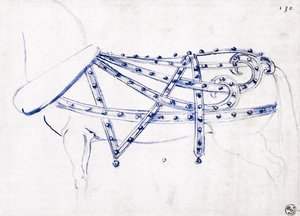
In the delicate dance of light and shadow captured within Nature studies (9), we encounter the profound genius of Giuseppe Arcimboldo, an artist who dared to reimagine the very fabric of reality. Created in 1575, this exquisite watercolor serves as a window into a period where the boundaries between the natural world and human perception were being vibrantly renegotiated. At first glance, the viewer is drawn to the striking realism of a bird perched with quiet grace upon what appears to be a human hand. The meticulous rendering of each feather—cascading in subtle gradations of black, deep brown, and ivory—speaks to a mastery of the medium that transcends mere observation, inviting us into a moment of stillness and intense focus.
The technique employed here is nothing short of masterful. Arcimboldo utilizes the luminous, translucent qualities of watercolor to achieve a depth that belies the medium's delicate nature. Through the careful application of thin, layered washes, he breathes life into the subject, creating a tactile sensation where one can almost feel the softness of the plumage and the warmth of the skin. This approach allows for a subtle tonal variation that captures the fleeting essence of light, a hallmark of the late Renaissance style that seeks to find the divine within the minute details of the earthly realm.
Symbolism and the Intellectual Landscape
Beyond its surface beauty, this work is steeped in the intellectual fervor of the High Renaissance. During this era, the study of nature was not merely a scientific endeavor but a philosophical one, deeply intertwined with Neo-Platonic ideals. The interaction between the avian subject and the human element symbolizes the profound connection between humanity and the natural order. In Arcimbulated's world, every organic form carries a weight of meaning; here, the bird represents the fleeting nature of life and the beauty of the wild, while the human presence acts as the observant, contemplating soul.
For the discerning collector or interior designer, this piece offers more than just visual splendor; it provides a narrative depth that can anchor a room with intellectual prestige. The composition’s ability to balance realism with a sense of wonder makes it an ideal centerpiece for spaces designed for reflection and conversation. It is a work that rewards repeated viewing, revealing new textures and subtle complexities each time the eye wanders across its surface.
An Enduring Legacy for Modern Spaces
To possess a reproduction of such a significant historical artifact is to bring a piece of the Habsburg Court's splendor into the contemporary home. Nature studies (9) embodies an era of discovery and the harmonious integration of disparate elements—a theme that remains strikingly relevant in our modern, interconnected world. The artwork’s neutral background and focused subject matter allow it to integrate seamlessly into various high-end decor styles, from classical European aesthetics to more minimalist, modern galleries.
Whether placed in a sunlit study or a sophisticated living area, this painting serves as an emotional anchor, evoking a sense of peace, curiosity, and timelessness. It is an invitation to slow down, to observe the intricate beauty of the world around us, and to appreciate the enduring legacy of an artist who saw the extraordinary within the ordinary.
Kysymykset ja vastaukset
Kuka on teoksen "Nature studies (9)" tekijä ja mihin taidesuuntaukseen se kuuluu?
Teoksen "Nature studies (9)" takana ovat Giuseppe Arcimboldo ja Baroque-suuntaus.
Miten teoksen "Nature studies (9)" värit sointuvat yhteen?
Teoksen Giuseppe Arcimboldo:n "Nature studies (9)" värit ilmentävät Strong Color Unity harmoniaa. Harmonia kuvaa sitä, miten värit suhteutuvat toisiinsa.
Onko olemassa teoksia, jotka muistuttavat teosta "Nature studies (9)"?
Teokset, jotka muistuttavat teosta "Nature studies (9)", löytyvät teoksen Samankaltaisia -sivulta.
Taiteilijan elämäkerta
Giuseppe Arcimboldo: Elämän ja Luonnon Mysteeri
Giuseppe Arcimboldo, nimi herättää mielessä sekä hassuja että syvällisiä kuvia, on yksi renessanssin taiteen poikkeuksellisimista hahmoista. Hän syntyi Milanossa vuonna 1527, ja hänen uransa kukoisti Euroopan keskellä, jossa vallitsi älyllinen vilinä, uskonnollisia mullistuksia ja loputon uteliaisuus luontoa kohtaan. Aluksi hän tunnustettiin perinteisempien teosten tekijänä – freskoja katedraalien seinille ja portreita vakiintuneiden hovimielikuvien mukaisesti, mutta hänen pysyvä maine perustuu sarjaan kokoonpanoja, jotka on rakennettu huolellisesti järjestetyistä esineistä: hedelmistä, vihanneksista, kukista, kirjoista ja jopa musiikkiinstrumenteista. Nämä eivät olleet pelkkiä leikkisiä harjoituksia visuaalisesta harhakuvasta; ne olivat monimutkaisia allegorioita, jotka olivat täynnä symboliikkaa, joka resonoi syvällisesti renessanssin maailmankatsomuksessa ja kiehtoo edelleen yleisöjä tänään. Hänen isänsä, Biagio Arcimboldo, oli itsekin taiteilija, joka antoi nuorelle Giuseppeille varhaisen koulutuksen ja todennäköisesti vaikutti hänen alkuperäiseen ponnistukseensa lasimaalausten suunnitteluun Milanon katedraalissa alkaen noin 1549. Tämä pohjataso vahvisti hänen teknistä taitoaan ja tarkkuuttaan – ominaisuuksia, jotka muistuttivat myöhempiä, epätavallisempia luomuksiaan.Hovimies ja Ainutlaatuisen Tyylin Synty
Arcimboldon ura otti merkittävän käänteen vuonna 1562, kun hänet nimitettiin Ferdinand I:n hovin taidemaalariksi Habsburgien hoviin Viinistä. Tämä merkitsi yli kahdenkymmenen vuoden kestoista palvelua kolmen peräkkäisen Habsburgin hallitsijan – Maximilian II:n ja hänen poikansa Rudolf II:n – taiteellisena polymaanaan. Hänen tehtäviinsä kuului ei ainoastaan maalata portreja – vaikka jopa nämä usein osoittivat hienovaraisia eksoottisuuksia – vaan myös muotisuunnittelua, juhlatilojen koristelua ja keisarillisten kokoelmien järjestämistä. Tässä hienostuneen maun ja älyllisen uteliaisuuden ympäristössä hänen ainutlaatuinen tyylinsä alkoi kehittyä. Hovin vaatima uutuus ja spektaakkeli tarjosivat hedelmällisen maaperän kokeiluille, mahdollistaen hänet siirtymään perinteisestä portretointista kohti hänen kuuluisia "kokoonpanopäiden" luomista. Nämä eivät syntyneet yhtäkkiä, vaan kehittyivät vähitellen, hyödyntäen renessanssin kiinnostusta arvoituksiin, pulmiin ja maailman piilossa olevien merkitysten tutkimiseen tavallisten esineiden sisällä. Varhaisten taiteilijoiden *trompe l'oeil* -efektien ja perspektiivin vääristämisen vaikutus on havaittavissa, mutta Arcimboldo yhdisti nämä elementit johonkin täysin ominaiseen – ainutlaatuisen kielekseen, joka haastoi perinteiset esitystapamallit. Hänen isänsä taiteellinen ura ja varhaiset työt Milanossa todennäköisesti vaikuttivat hänen luovaan kehitykseensä.Symbolismin Purkaminen: Enemmän kuin Miltään Näyttää
Olettaa Arcimboldon teoksia vain hassuksi on jättänyt huomiotta niiden syvällisen älyllisen pohjan. Jokainen esine hänen kokoonpanopäissään oli huolellisesti valittu, täynnä symboliikkaa, joka liittyi henkilön hahmoon, ammattiin tai sosiaaliseen asemaan. *Kirjastonvartija* ei ole vain kasvojen kokonaisuus kirjoista; se on hienovarainen kommentti akateemisen ylpeyden pretensioille – pohdinta niistä, jotka hankkivat tietoa ilman, että he todella uppoutuvat sen sisältöön. Eläinten häntä, jotka muodostavat partaan, edustavat pölyttyneitä kirjoja, viittaaten unohtuneisiin teoksiin, jotka ovat kerääntyneet hyllyjen tomuun. Samoin hänen vuodenajat maalauksensa – erityisesti *Vertumnus*, joka esittää keisaria Rudolf II:ta roomalaisena puutarhan jumalana ja muutoksien jumalana – on täynnä kasvisymboliikkaa, heijastaen keisarin suosiota tieteelle ja luonnontieteille. Näitä ei ole tarkoitettu tulkittaviksi heti; niitä oli suunniteltu herättämään pohdintaa, kutsumaan katsojia purkamaan piilossa olevia merkityksiä esineiden ilmeisen leikkisän järjestämisen sisällä. Esineiden kokonaisuuden muodostaminen ihmishahmoksi itsessään oli meditaatio kaikesta yhteydessä olevaan – renessanssin neoplatoniksen uskon pohjalta maailman perusjärjestyksestä.Uudelleenlöytö ja Surrealismin Ennakko
Vaikka hänen maineensa heikkeni vuosien varrella, Arcimboldon teokset herättivät uudelleen arvostuksen 2000-luvun alussa, mikä liittyi surrealististen taiteilijoiden, kuten Salvador Dalín, nousuun. Taiteilijat tunnustivat Arcimboldossa samanhenkisen – visionäärin, joka uskalsi haastaa perinteiset havainnot ja tutkia alitajuntaa odottamattomien yhdistelmien kautta. Dalín omat unenomaiset kompositiot ja hänen kiinnostuksensa metamorfooseihin ja illuusioihin ovat selvästi Arcimboldon vaikutuksen alla. Nykyään Arcimboldo on juhlittu keskeiseksi hahmoksi taiteen historiassa – renessanssin ennakko-ohjaajana, jonka ainutlaatuinen symboliikan ja leikkisän vääristämisen käyttö inspiroi edelleen taiteilijoita ja kiehtoo yleisöjä ympäri maailmaa. Hänen maalauksensa säilytetään arvostetuissa museoissa, kuten Wienin Kunsthistorisches Museumissa ja Louvressa Pariisissa, varmistaen että hänen ainutlaatuinen näkemyksensä jatkaa resonointiaan sukupolvien ajan. *Hänen perintönsä on todiste ihmiskunnan luovuuden ja taiteen kyvyn muuttaa maailman ymmärrystämme.*Pääpiirteet
- Taiteellinen suuntaus: Mannerismi, Surrealismi
- Vaikuttaneet taiteilijat/liikkeet: Salvador Dalí
- Syntymäaika: 5. huhtikuuta 1527
- Kuolinpäivä: 11. heinäkuuta 1593 Milano, Milanon herttuakunta, Habsburgin Espanja
- Kansallisuus: Italialainen
- Merkittävät teokset: *Floral Still Life*, *The Four Seasons*, *Vertumnus*, *The Librarian*
- Syntymäpaikka: Milano, Italia
Elämäkerta
Arcimboldon elämä oli täynnä uusia kokemuksia ja haasteita. Hänen isänsä, Biagio Arcimboldo, oli taiteilija Milanossa, ja Giuseppe seurasi isänsä jalanjälkiä opiskellen lasimaalausta alkaen 1549. Vuonna 1562 hänestä tuli hovitaidemaalari Ferdinand I:n hoviin Habsburgien hoviin Viinistä ja myöhemmin Maximilian II:lle ja Rudolf II:lle Pragaan. Hän toimi myös hovin sisustajana, muotisuunnittelijana ja yleisenä taideasiantuntijana. Keisari Augustuksen vierailu Wienissä vuonna 1570 ja 1573 johti siihen, että Arc
Giuseppe Arcimboldo
1527 - 1593 , Italia
Tietoa taiteilijasta
- Artistic Movement Or Style: Manierismi, Surrealismi
- Artists Or Movements Influenced By This Artist: ['Salvador Dalí']
- Artists Who Influenced This Artist: ['Leonardo da Vinci']
- Date Of Birth: 5. huhtikuuta 1527
- Date Of Death: 11. heinäkuuta 1593
- Full Name: Giuseppe Arcimboldo
- Nationality: Italian
- Notable Artworks:
- Nel vuodenaikaa
- Kirjastonhoitaja
- Place Of Birth: Milano, Italia
Aiheeseen liittyvät artikkelit

Ephemeral Visions: Exploring the Artistic Legacy & Nuances of Watercolor Painting
Explore the captivating world of watercolor painting! Discover its rich history, essential techniques, influential artists & collecting tips from art experts. A comprehensive guide for enthusiasts.

Vesivärimaalauksen lumo: Historiaa, tekniikoita ja nykypäivän ilmaisua
Tutustu vesivärimaalauksen kiehtovaan maailmaan! Historiaa, tekniikoita ja inspiraatiota nykypäivään. Löydä upeita akvarelleja in valikoimasta.

Ephemeral Visions: Exploring the Artistic Legacy & Contemporary Practice of Watercolor Painting
Explore the captivating world of watercolor painting! Discover its rich history, essential techniques, influential artists & collecting tips. A comprehensive guide for art enthusiasts from OriginalUniqueArt.

10 Vesivärimaalausta, Jotka Muuttivat Taiteen – Inspiroi Sisustuksesi OriginalUniqueArtilla
Tutustu 10 legendaariseen vesivärimaalaukseen, jotka muuttivat taiteen historiaa! Inspiroiva tarina Turnerista Monetiin. Löydä upeita akvarelleja ja sisustusideoita OriginalUniqueArtilla. Tutki kokoelma verkossa!

Ephemeral Visions: Exploring the History & Emotional Resonance of Watercolor Painting
Explore the captivating history of watercolor painting, from ancient techniques to modern masters like Kandinsky & Blake. Discover essential artists, collecting tips & the emotional power of this luminous medium. Expert insights for art enthusiasts.