Tekstin koko

() ·

Sinulle käsin tehty maalaus

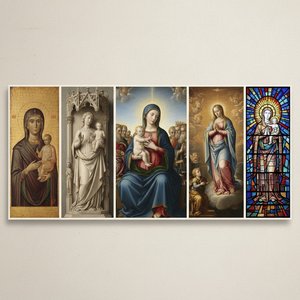
Virgin with the Child

Käsinmaalattu öljyvärinen jäljennös

Käsinmaalattu öljyväri kankaalle haluamassasi koossa ja kehyksissä, taiteilijoidemme valmistamana tilauksesta. ( Vaihda tulosteeseen Siirry digitaaliseen kuvaan)

Keräilykohteen kuvaus

Admire 'Virgin with the Child' by Giulio Romano (1520). A stunning High Renaissance masterpiece featuring Mary and infant Jesus, showcasing intricate details & masterful artistry. Explore a timeless classic!

Taiteilijan elämäkerta

Giulio Romano (1499-1546) oli italialainen taidemaalari ja arkkitehti, joka tunnetaan Manneristisista freskoistaan, erityisesti Palazzo Te:n upeista teoksista. Hänen tyylinsä on tunnettu epätavallisesta dynamiikasta ja voimakkaasta ilmeilystä.

alkaen ·

Luku 1

Kuinka suuren sen tulisi olla?

Vedä liukusäädintä vaihtaaksesi kokoa; vasemmalla oleva kuva näyttää kehyksen todellisen leveyden. Alkuperäiset mittasuhteet säilyvät.

Vakiokoko
räätälöity
CM
INCH

Valitse valmiista mitoistamme sellaiset, jotka vastaavat teoksen alkuperäisiä mittasuhteita.

leveys
korkeus

Kirjoita tarvitsemasi leveys ja korkeus, jotta teos sopii kehyksiisi tai seinällesi. Koska kyseessä on käsinmaalattu teos, taiteilija voi maalata hieman enemmän kuvan ympärille tai rajata sitä hieman, jos haluat eri muotoisen koon — valinta on sinun. Lähetämme sinulle digitaalisen mallikuvan hyväksyttäväksi ennen kuin maalaus alkaa. Tällä sivulla näkyvä kuva ei vastaa lopullista tulosta — vain mallikuva näyttää sen.

Luku 2

Miten teoksen tulisi saapua?

Valitse kangaspinnan reunat

Valitse kehys

Corner sample of the WhiteWrap canvas edge finish, stretched on massiivipuu bars
Valkoinen reuna €1
Corner sample of the BlurSideWrap canvas edge finish, stretched on massiivipuu bars
pehmennetty reuna €1
Corner sample of the ExtendedWrap canvas edge finish, stretched on massiivipuu bars
Jatkuva reuna €1
Corner sample of the P118B picture frame: valettu polystyreeni, 5 cm wide and 3 cm thick
P118B €10
Corner sample of the P118H picture frame: valettu polystyreeni, 5 cm wide and 3 cm thick
P118H €10
Corner sample of the P118W picture frame: valettu polystyreeni, 5 cm wide and 3 cm thick
P118W €10
Corner sample of the P438Z picture frame: valettu polystyreeni, 5.5 cm wide and 3.5 cm thick
P438Z €10
Corner sample of the P508JH picture frame: valettu polystyreeni, 7 cm wide and 3.5 cm thick
P508JH €12
Corner sample of the P508YH picture frame: valettu polystyreeni, 7 cm wide and 3.5 cm thick
P508YH €12
Corner sample of the P805H picture frame: valettu polystyreeni, 5 cm wide and 3.5 cm thick
P805H €10
Corner sample of the P805Z picture frame: valettu polystyreeni, 5 cm wide and 3.5 cm thick
P805Z €10
Corner sample of the P919BZ picture frame: valettu polystyreeni, 7 cm wide and 3.5 cm thick
P919BZ €10
Corner sample of the P919G picture frame: valettu polystyreeni, 7 cm wide and 3.5 cm thick
P919G €10
Corner sample of the P919XJ picture frame: valettu polystyreeni, 7 cm wide and 3.5 cm thick
P919XJ €10
Corner sample of the P959ZH picture frame: valettu polystyreeni, 5 cm wide and 3 cm thick
P959ZH €10
Corner sample of the P968JZ picture frame: valettu polystyreeni, 6 cm wide and 4 cm thick
P968JZ €12
Corner sample of the W106C picture frame: massiivipuu, 5 cm wide and 3 cm thick
W106C €8
Corner sample of the W218G picture frame: massiivipuu, 5 cm wide and 3 cm thick
W218G €10
Corner sample of the W218JH picture frame: massiivipuu, 5 cm wide and 3 cm thick
W218JH €8
Corner sample of the W218Y picture frame: massiivipuu, 5 cm wide and 3 cm thick
W218Y €10
Corner sample of the W307PJ picture frame: massiivipuu, 6 cm wide and 3 cm thick
W307PJ €10
Corner sample of the W316G picture frame: massiivipuu, 6 cm wide and 3 cm thick
W316G €10
Corner sample of the W316PJ picture frame: massiivipuu, 6 cm wide and 3 cm thick
W316PJ €8
Corner sample of the W316Y picture frame: massiivipuu, 6 cm wide and 3 cm thick
W316Y €10
Corner sample of the W398PJ picture frame: massiivipuu, 5 cm wide and 3 cm thick
W398PJ €8
Corner sample of the W4111J picture frame: massiivipuu, 6.5 cm wide and 3.5 cm thick
W4111J €10
Corner sample of the W500HY picture frame: massiivipuu, 7 cm wide and 5 cm thick
W500HY €15
Corner sample of the W500JH picture frame: massiivipuu, 7 cm wide and 5 cm thick
W500JH €15
Corner sample of the W692G picture frame: massiivipuu, 8 cm wide and 4 cm thick
W692G €12
Corner sample of the W849H picture frame: massiivipuu, 5 cm wide and 3 cm thick
W849H €8
Corner sample of the W940BG picture frame: massiivipuu, 7.5 cm wide and 4.5 cm thick
W940BG €15
Corner sample of the W953PJ picture frame: massiivipuu, 6 cm wide and 3.5 cm thick
W953PJ €8
Corner sample of the H24-GOLD picture frame: kaiverrettua puuta ja gessoa, 10 cm wide and 6 cm thick
H24-GOLD €30
Corner sample of the H24-SILVER picture frame: kaiverrettua puuta ja gessoa, 10 cm wide and 6 cm thick
H24-SILVER €30
Corner sample of the H36-GOLD picture frame: kaiverrettua puuta ja gessoa, 15 cm wide and 6.5 cm thick
H36-GOLD €45
Corner sample of the H36-SILVER picture frame: kaiverrettua puuta ja gessoa, 15 cm wide and 6.5 cm thick
H36-SILVER €45
Kehyksen esikatselu
Kehystetty

Kehystys: . Kokonaismitat kehyksen kanssa: .

Luku 3

Kuka sen maalaa, ja pitäisikö mitään muuttaa?

Esimerkkejä muutettavista asioista: Vaihda kasvot asiakkaan valokuvaan; Lisää lemmikki (esim. vaihda kissa koiraksi); Lisää piilotettu viesti taustalle; Vaihda taustan maisemaa tai elementtejä.


Tilauksen jälkeen OriginalUniqueArt.com -tiimi lähettää asiakkaalle sähköpostia ohjeita varten ja toimittaa luonnoksen esikatselun

Maailmanlaajuinen toimitus () 3–4 viikossa tavallisen 5 viikon sijaan. (5 marraskuu). Laadusta ei tingitä.

Luku 4

Viimeiset silaukset

Nimikyltti, kuten museossa?

Kaiverretun pronssilaatan tiedot

This elegant plaque features the artist's name and the title of the artwork, finely engraved for a timeless presentation.

It is made from bronze with a refined, elegant finish. The text is precisely laser-engraved for a sharp and permanent result. Measuring 9x2 cm, the plaque is compact yet easy to read. It's built to be durable and scratch-resistant, offering a professional, museum-quality look. Mounting is simple thanks to the included adhesive backing.

Läpinäkyvän akryylilaatan tiedot

The plaque includes essential engraved details such as the artist's name, the title of the artwork, the date it was created, the type of media used-like oil on canvas or watercolor-a brief description of the piece, and a QR code that links to the complete artwork information.

It is crafted from clear acrylic, offering a sleek, modern appearance. The text is UV-engraved in black to ensure strong visual contrast. With a size of 10x15 cm, it ensures optimal readability. It comes equipped with two metal hooks for secure wall mounting. The plaque is designed to be weather-resistant, making it suitable for various environments, and it includes interactive features that work seamlessly with smartphone scanning.

Mustan akryylilaatan tiedot

This elegant plaque includes engraved information such as the artist's name, the title of the artwork, the date it was created, the type of media used (like oil on canvas or watercolor), a short description of the artwork, and a QR code for quick access to more information.

The plaque itself is made from refined black acrylic with a premium finish. The text is laser-engraved in white for high contrast and readability. Its size is 10x15 cm, designed to be easy to read. It comes with two metal hooks for professional mounting. The design is sleek and fits any interior style. It is also weather-resistant and durable, with built-in digital integration for mobile compatibility.

Suojaava lakka?

Milloin tarvitset sen?

Luku 5

Maalauksesi juuri niin kuin tilasit

Virgin with the Child

Reproduktiotekniikka

Replikaatin koko

-

Kokenut huipputaiteilija

Lisää yksityiskohtia, hienostuneisuutta ja enemmän aikaa tuotantoon

-

Reproduktion kehystysvaihtoehdot

-

-

Teoksille tai reproduktioille, joiden mikä tahansa sivu on suurempi kuin 105 cm (noin 41 tuumaa), kehys toimitetaan osina purettuna sarjana. Tämä menetelmä varmistaa turvallisen toimituksen ja ehkäisee vaurioita kuljetuksen aikana.

Vaatii ammattimaista kokoamista – kyseessä ei ole tee-se-itse-tuote.
Sarja on koottava ja kangas kiristettävä kokeneen kehystysammattilaisen toimesta käyttäen puuliimaa (ei sisälly pakkaukseen), kangaspinnetteitä ja puristimia, jotta kehyksen kulmat pysyvät suorina liiman kuivuessa. Virheellinen kokoaminen tai epätasainen kankaan kiristys voi vaurioittaa teosta pysyvästi, eikä tällaiset vauriot ala takuun piiriin.

  • Kaikki massiivipuupalat sisältyvät, tarkasti mittojen mukaan leikattuina.

  • Kootaan mukana tulevilla ruuveilla sekä kulmaliitoksia varten tarvittavalla puuliimalla, jota ei toimiteta, joten se on hankittava kehystäjältä.

  • Vaatii ammattilaisvälineitä, jotka eivät sisälly pakkaukseen: kankaan venytyspihdit (kiristin) ja puristimet, joilla pidetään kehyksen puut suorassa liiman kuivuessa.

Tärkeää:
Kulmaliitoksissa tarvitaan puuliimaa, kehyksien osat on pidettävä puristimilla, kunnes liima on täysin kuivunut, ja koottuun kehykseen jännitettävän kankaan kiristämiseen tarvitaan kangaspenssipihti. Mikään näistä ei sisälly pakkaukseen. Suosittelemme varmistamaan kokeneen kehystäjän saatavuuden ennen tämän kokoisen kehyksen tilaamista.

Nimilaatta

-

-

Suojalakkaus

Kiiltävä lakka (syventää värejä, suojaa valolta ja kosteudelta)

-

Mukauta taideteokseni

Esimerkkejä muokattavista asioista: Vaihda kasvot asiakkaan omaan valokuvaan; Lisää lemmikki (esim. vaihda kissa koiraan); Lisää taustalle piilotettu viesti; Muuta taustan maisemaa tai elementtejä.

-

Pikatoimitus

Maailmanlaajuinen toimitus () 3–4 viikossa tavallisen 5 viikon sijaan. (5 marraskuu). Laadusta ei tingitä.

-

Pikatoimitus

Maailmanlaajuinen toimitus () 5 viikon kuluessa. (12 marraskuu).

Sisältyy hintaan

Kokonaishinta

€ 268

Kokonaishinta € 268

Lasivaihtoehto on saatavilla vain alle 110 cm kokoisille teoksille

Sisältyy jokaiseen tilaukseen

  • Ilmainen pikatoimitus ympäri maailman
  • Korkealaatuinen pellavakangas
  • Kattava kuljetusvakuutus
  • Tulliveron palautustakuu
  • Takuu täydellisestä värien vastaavuudesta
  • 100 päivän palautusoikeus (vain valmistusvirheet)
  • 100% rahat takaisin -takuu
  • Määräalennus tarjolla

A Divine Encounter: Giulio Romano’s ‘Virgin with the Child’

Giulio Romano's “Virgin with the Child,” painted in Rome around 1520, is more than just a depiction of Mary and infant Jesus; it’s a profound exploration of faith, power, and the nascent complexities of Mannerism. Emerging from the shadow of Raphael’s High Renaissance legacy, Romano boldly pushed beyond idealized beauty, embracing a style characterized by dramatic contrasts, unsettling perspectives, and an intense psychological depth – hallmarks that would define the era of Mannerism. This particular work, housed within a 105 x 77 cm canvas, offers a captivating glimpse into this pivotal moment in art history, showcasing Romano’s evolving artistic voice and his masterful command of color, form, and narrative.

The painting immediately draws the eye to the central figures. Mary, rendered with a subtle yet commanding presence, is not presented as a serene Madonna but rather as a woman imbued with authority and a quiet strength. Her blue dress, rich in texture and subtly shimmering, contrasts dramatically with the gold of her crown – a visual declaration of her divine status while simultaneously hinting at worldly power. The infant Jesus, equally captivating, wears his own miniature crown, mirroring his mother’s adornment and suggesting an immediate equality within their sacred bond. The composition is carefully orchestrated; the figures are not simply placed within a space but actively engaged in a dynamic interaction, creating a sense of movement and narrative tension.

Mannerist Innovation: Style and Technique

Romano’s style in “Virgin with the Child” is distinctly Mannerist. He departs from the balanced compositions and harmonious colors of Raphael, favoring instead elongated figures, distorted perspectives, and an almost theatrical use of light and shadow. Notice how the background recedes sharply, creating a sense of spatial ambiguity – a technique known as *sprezzatura*, intended to evoke a feeling of surprise and disorientation. The artist employs a sophisticated layering of pigments, utilizing glazes and scumbles to build up texture and create a luminous quality that is both ethereal and intensely realistic. The use of gold leaf, particularly in the crown and details of the clothing, adds to the painting’s opulence and reinforces its symbolic weight.

Technically, Romano demonstrates a remarkable understanding of anatomy and drapery – skills honed during his apprenticeship with Raphael. However, he deliberately manipulates these elements to achieve a desired expressive effect. The folds of Mary's dress are not simply decorative; they seem to flow and ripple with an inner energy, mirroring the emotional intensity of the scene. Similarly, the infant Jesus’s pose is subtly unsettling, hinting at a vulnerability beneath his angelic appearance.

Historical Context: Rome in Transition

The creation of “Virgin with the Child” coincides with a period of immense upheaval and transformation in Rome. The Sack of 1527 had shattered the city's artistic and political stability, scattering its artists and patrons. Raphael’s untimely death further compounded this crisis, leaving a void that Romano was uniquely positioned to fill. He inherited not only the responsibility for completing unfinished commissions but also the daunting task of redefining the visual language of High Renaissance art. This painting can be viewed as a deliberate assertion of Romano's artistic independence – a bold departure from his master’s style while retaining a deep respect for his legacy.

The presence of the two secondary figures in the background adds another layer of complexity to the scene. Their identities remain ambiguous, perhaps representing the theological or political forces that shaped Mary’s life and role within the Christian narrative. The small object on the ground – resembling a book or scroll – could symbolize divine revelation or the transmission of sacred knowledge. These subtle details invite viewers to engage in a deeper interpretation of the work, moving beyond a simple representation of a religious subject.

Symbolism and Emotional Resonance

Beyond its technical brilliance, “Virgin with the Child” is rich in symbolic meaning. The crown worn by both Mary and Jesus represents their divine authority and connection to God. The blue color associated with Mary often symbolizes purity, loyalty, and truth – qualities essential to her role as the Mother of God. The painting’s overall effect is one of profound emotional resonance. It evokes a sense of reverence, mystery, and perhaps even a touch of melancholy—a recognition of both the beauty and the challenges inherent in faith. This reproduction captures that same evocative power, offering a stunning addition to any art collection or interior space.

Kysymykset ja vastaukset

Mitä Giulio Romano:n "Virgin with the Child" esittää ja millainen on sen tunnelma?

Giulio Romano:n "Virgin with the Child" yhdistää virgin mary, child jesus, renaissance, halo, crown, religious, composition, romano-aiheet Elegant-tunnelmaan.

Ovatko teoksen "Virgin with the Child" värit voimakkaita vai hillittyjä?

Giulio Romano:n "Virgin with the Child"-teoksen värit ilmentävät Muted kylläisyyttä ja Monochromatic voimakkuutta.

Mihin vaiheeseen Giulio Romano urasta teos "Virgin with the Child" sijoittuu, kun otetaan huomioon sen valmistumispäivämäärä?

Teoksen 1520 valmistumisvuoden perusteella "Virgin with the Child" sijoittuu Giulio Romano:n tuotantokaudelle Mature Period.

Lisää tästä teoksesta

Esikatselu Esikatsele AR-tilassa Vaihda tulosteeseen Siirry digitaaliseen kuvaan Jaa teos
Tiedot Opas Lisää suosikkeihin Lataa kuva Samanlaisia kohteita Röntgenkuvaus Diaesitys Kysymykset ja vastaukset Tilastot

Lukuina

  • 1520teosvuosi
  • 29valittavissa olevat kehykset
  • standardikoot, omissa mittasuhteissaan
  • 5viikkoja maalaamiseen ja toimitukseen
Giulio Romano

Giulio Romano

1499 - 1546, Italia

Pikaaakkaukset taiteilijasta Giulio Romano

  • Artistic Movement Or Style: Mannerismi
  • Artists Or Movements Influenced By This Artist: ['Manneristit']
  • Artists Who Influenced This Artist:
    • Rafael
    • Michelangelo
  • Date Of Birth: c. 1499
  • Date Of Death: 1546
  • Full Name: Giulio Romano
  • Nationality: Italian
  • Notable Artworks:
    • Palazzo Te
    • Fire in Borgo
  • Place Of Birth: Rooma, Italia

Taiteilijan elämäkerta

A Roman Beginning and Apprenticeship Under a Master

Giulio Romano, syntynyt Giulio Pippi noin vuonna 1499 Romassa, nousi esiin aikakaudella, jolla oli valtava taiteellinen vilinä. Hänen varhaisesta elämästään on edelleen melkoista hämärää tietoa, mutta tiedetään, että hän astui nopeasti Rafaelin, todennäköisesti renessanssin ajan kuuluisimman maalarin, piiriin. Tämä harjoitus oli ratkaiseva, muotoillen paitsi hänen teknisiä taitojaan myös asettaen pohjan hänen tuleville tyylillisten tutkimuksilleen. Hän ei ollut vain Rafaelin studion avustaja; Giulio nousi nopeasti korvaamattomaksi yhteistyökumppaniksi, osallistuen merkittäviin projekteihin kuten Vatikaanin Stanzen koristeluun – ne upeat huoneet, jotka oli rakennettu Paavin Julius II:n ja Leo X:n komennuksella. Hänen kätensä on tunnistettavissa monumentaalisessa freskossa *The Fire in the Borgo*, jossa hän auttoi Rafaelia kuvaamaan dramaattista kohtaa ihmeellisen väliintulon esittämisestä. Rafaelin yllättävä kuolema vuonna 1520 jätti Giulioille vastuun monien epätäydensyntyisten tilojen valmistelusta, mukaan lukien kuninkaan Giuliano de’ Medicin kunnianhimoinen koristelu Villa Madamassa. Tämä varhainen altistuminen suurikokoisiin projekteihin ja aristokraattisen suojelun vaatimuksille sisällytti häneen luottamuksen ja kunnianhimon, jotka määrittelivät hänen myöhempää uraansa.

The Birth of Mannerism: A Departure from Classical Harmony

Vaikka Giulio Romano oli syvällä renessanssin perinteissä, hänen taiteellinen polkunsa poikkesi pian vallitsevasta painotuksesta klassiseen tasapainoon ja harmoniaan. Hänestä tuli avainhenkilö manerismin kehityksessä – tyylissä, joka oli tunnettu sen keinotekoisuudestaan, eleganssistaan ​​ja usein häiritsevästä muodostuksen vääristymisestä. Vahvasti vaikutteena saaneena Michelangelo'n voimakkaista hahmoista ja dynaamisista kompositioista sekä laajemman taiteellisen kokeilun ilmapiiristä Giulio alkoi omaksua epäsymmetriaa, jännitystä ja tunnesyvyyttä työssään. Tämä ei ollut hylkäys renessanssin ihanteista niin paljon kuin harkittu tutkimus niiden rajoissa, ylittäen luonnollisuuden rajoitukset luodakseen teoksia, jotka olivat ilmaisuvoimaisempia ja älyllisesti stimuloivampia. Hän muutti jatkuvasti Rafaelin suunnitelmiaan, tuoden uudenlaisen aistimuksen italialaiseen taiteeseen – manerismin ilmaisun suurella mittakaavalla. Tämä on selvästi nähtävissä hänen piirustuksissaan, jotka osoittavat huomattavan vapauden linjassa ja intohimon dramaattisiin perspektiiveihin.

Mantuan Mestari: Palazzo Te ja Arkkitehtoninen Innovaatio

Vuonna 1524 Giulio hyväksyi Federico Gonzaga, Mantovan herttuan kutsun toimia kuninkaallisen taidemaalarina ja arkkitehtinä. Tämä merkitsi käännekohta hänen uransa kannalta, tarjoten hänelle ennennäkemätöntä luovuuden vapautta ja resursseja. Hänestä tuli käytännössä vastuussa kaikesta taiteellisesta toiminnasta herttuakunnan sisällä, valvomassa ei vain maalauksia ja freskoja vaan myös arkkitehtonisia projekteja, puutarhatöitä ja jopa näytelmien suunnittelua. Hänen kuuluisin saavutuksensa tässä ajanjaksossa on epäilemättä Palazzo Te, upea esikylän huvila, joka on testamentti hänen innovatiiviselle geniaalisuudelleen. Palatsin sisätilat ovat koristeltu huomiota herättävien psykologisten syvyyksien ja perspektiivin manipuloinnin freskoilla. *Sala dei Giganti* (Jättiläisten huone) esimerkiksi esittää jumalten ja jättiläisten välistä kaoottista taistelua, uppoamalla katsojan pyörteeseen hahmojen ja arkkitehtonisten fragmenttien sekaan. Tämä mestarillinen tila- ja perspektiivin manipulointi luo mukaansatempaavan kokemuksen, joka on sekä henkeäsalpaava että häiritsevä. Palazzo Te:n lisäksi Giulio suoritti merkittäviä kunnostuksia Mantovan herttuan palatsiin ja katedraaliin, jättäen pysyvän jäljen kaupungin kaupunkikuvaan.

Legacy and Lasting Influence

Giulio Romano kuoli Mantuassa vuonna 1546, jättäen perinnön, joka ulottui Italian rajojen ulkopuolelle. Hänen piirustuksensa olivat arvostettuja kokoelmien keräilijöille, ja Marcantonio Raimondin hänen teoksiaan pohjautuvat kaiverrukset edistivät merkittävästi italialaisten taiteellisten tyylien leviämistä ympäri Eurooppaa. Hänet tunnettiin niin hyvin kuoleman jälkeen, että hän on ainoa "moderni" taiteilija, joka mainitaan William Shakespearen näytelmässä – todiste hänen laajasta maineestaan. Hänen vaikutuksensa voidaan nähdä monien myöhempien taiteilijoiden töissä, jotka ottivat käyttöön hänen dynaamiset kompositiot, pitkät hahmonsa ja tunteellisen käytön värimaailmassa. Vaikka manerismi lopulta antoi tilaa muille tyylimuodoille, Giulio Romanon panokset ovat olennainen osa länsimaisen taiteen kehityksen ymmärtämistä. Hän edustaa ratkaisevaa hetkeä – siirtymää renessanssin harmonisten ihanteiden ja myöhemmän 1600-luvun monimutkaisemman ja tunteikkaamman estetiikan välillä. *Hänen työnsä vangitsee edelleen katsojan huomion ja haastaa meitä ymmärtämään maailmaa.*

Pikaista tietoa

  • Subject or theme: Religious painting
  • Medium: Fresco
  • Movement: High Renaissance
  • Influences: Raphael
  • Artistic style: Mannerism

Taidevisat

Jokaisessa kysymyksessä on vain yksi oikea vastaus.

Kysymys 1:
What is the primary subject depicted in this painting?
Kysymys 2:
According to the description, what is prominent on the Virgin Mary's head?
Kysymys 3:
In what year was this painting likely created, based on the provided information?
Kysymys 4:
The artist Giulio Romano is most closely associated with which artistic movement?
Kysymys 5:
Based on the description, what other figures are present in the painting besides the Virgin Mary and infant Jesus?
Tutustu teoksiin, jotka on järjestetty aiheiden, tyylien ja ominaisuuksien mukaan.