
 Esikatselu
 Jaa
Jaa Jaa
Jaa
 Tarkemmat tiedot

 Lataa
Lataa
 Samanlaisia
 Röntgenkuva
 Diaesitys
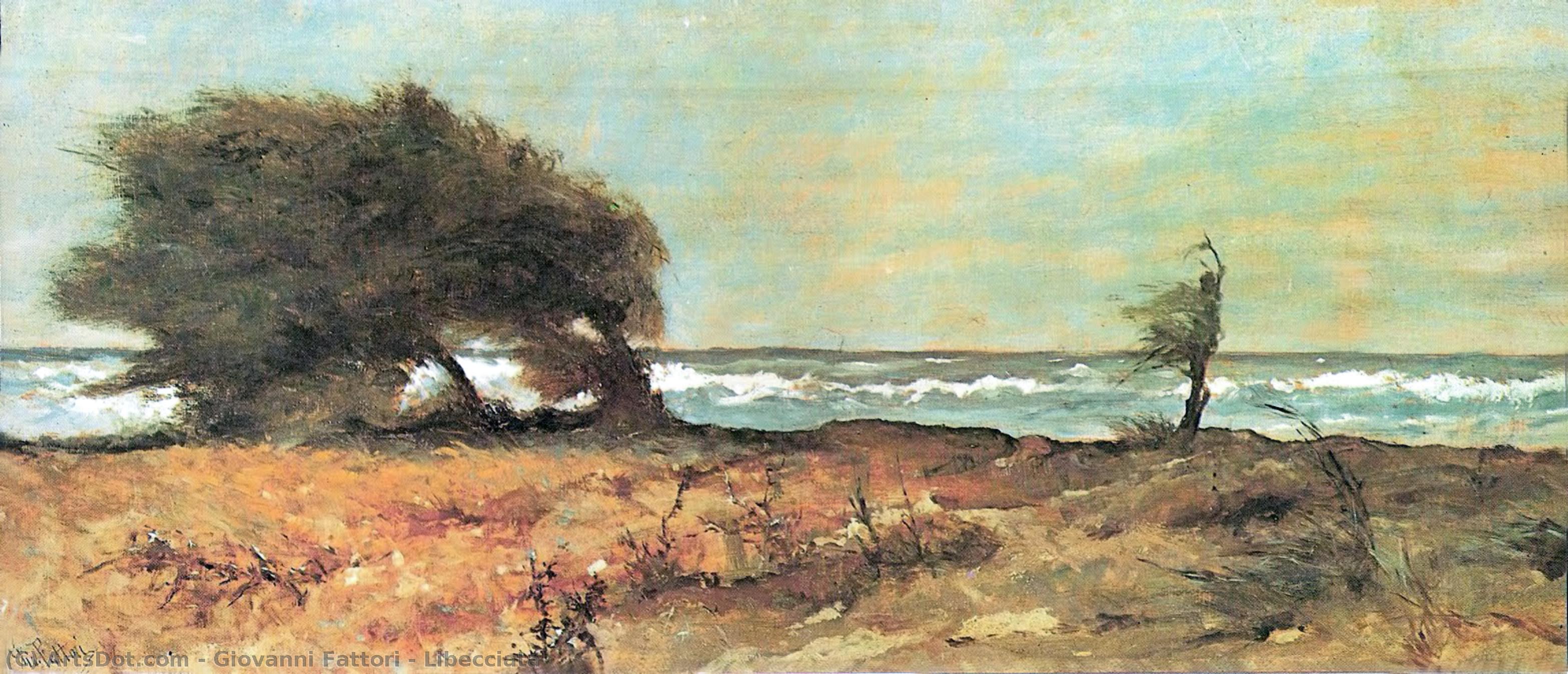
Libecciata


 Näytä lisää
Giclée-printit ja taideprintit
Museolaatuisia giclée- tai kankaitaulun tulosteita nopealla tuotannolla ja joustavilla viimeistelyvaihtoehdoilla. ( Osta käsintehty maalaus Osta kuva)




P118B $10

P118H $10

P118W $10

P438Z $10

P508JH $12

P508YH $12

P805H $10

P805Z $10

P919BZ $10

P919G $10

P919XJ $10

P959ZH $10

P968JZ $12

W106C $8

W218G $10

W218JH $8

W218Y $10

W307PJ $10

W316G $10

W316PJ $8

W316Y $10

W398PJ $8

W4111J $10

W500HY $15

W500JH $15

W692G $12

W849H $8

W940BG $15

W953PJ $8




Valitse valmiista mitoistamme sellaiset, jotka vastaavat teoksen alkuperäisiä mittasuhteita.

Voit syöttää omat mitat sopiaksesi tiettyyn kehykseen tai tilaan. Jos valittu koko ei vastaa alkuperäisen kuvan mittasuhteita, rajaamme teosta tai laajennamme kuvaa peilatulla tai yhtenäisellä reunalla. Digitaalinen mallikuva lähetetään hyväksyttäväksi ennen tuotannon aloittamista.
Huomaathan, että näytöllä näkyvä esikatselu ei vastaa lopullista rajausta tai laajennusta. Vain mallikuva näyttää lopullisen sommittelun tarkasti.
Vaikka räätälöityjä kokoja on saatavilla, suosittelemme valitsemaan mitat valmiista listasta alkuperäisten mittasuhteiden säilyttämiseksi.
Toimitus maailmanlaajuisesti () kahdessa viikossa tavallisen 4–5 viikon sijaan. (15 elokuu)

Ilmainen pikatoimitus ympäri maailman

Korkealaatuinen pellavakangas

Kattava kuljetusvakuutus

Tulliveron palautustakuu

Täydellinen värien vastaavuustakuu

60 päivän palautusoikeus (vain valmistusvirheet)

100% rahat takaisin -takuu

Määräalennus tarjous
 Lasivaihtoehto on saatavilla vain alle 110 cm kokoisina teoksina

Libecciata
Giclée-printit ja taideprintit
Replikaatin koko
-


Kokonaishinta
$ 80
Teoksen kuvaus
Giovanni Fattori: Capturing Tuscan Tranquility – A Window into the Macchiaioli Movement
Giovanni Fattori stands as a cornerstone of the Macchiaioli movement, an Italian artistic revolution that fundamentally altered perceptions of landscape painting in the late 19th century. Born in Livorno in 1825, Fattori’s journey from aspiring commerce student to internationally recognized painter embodies the transformative power of artistic passion—a passion he relentlessly pursued throughout his life.
Initially guided by familial expectations towards a more conventional profession, Fattori's innate talent for drawing quickly superseded these influences. An apprenticeship with Giuseppe Baldini in 1845 ignited his formal artistic education, propelling him to Florence and the Academy of Fine Arts where he briefly interrupted his studies during the tumultuous period of Italy’s unification—experiences that instilled within him a profound appreciation for patriotic fervor and shaped his subsequent artistic vision.
“Libecciata”: A Symphony of Color and Motion
"Libecciata," painted in 1880, exemplifies Fattori's mastery of the Macchiaioli aesthetic. This monumental canvas—measuring approximately 28.4 x 68 cm—depicts a dramatic seascape near Antignano, Livorno, powerfully conveying the raw energy of the Tuscan coast under gale-force winds.
Fattori’s technique is characterized by “macchiaiolo,” or “splashed” painting – a revolutionary approach that prioritized bold brushstrokes and vibrant color patches over meticulous detail. Rather than blending colors smoothly, Fattori applied pigment directly onto the canvas, creating textured surfaces that pulsed with luminosity. This method brilliantly captures the dynamism of the wind-swept dunes and sea spray, mirroring the turbulent spirit of the era.
Historical Context: The Birth of Impressionism
The Macchiaioli movement emerged as a reaction against academic painting’s rigid conventions and idealized representations. Influenced by Barbizon painters like Théodore Rousseau and Frédéric Bazille, Fattori sought to depict nature with uncompromising honesty—to capture its essence without resorting to illusionistic techniques.
This artistic rebellion coincided with the burgeoning influence of Impressionism in France, spearheaded by Claude Monet and Pierre-Auguste Renoir. Fattori’s work foreshadowed many Impressionist principles, demonstrating a shared commitment to portraying fleeting moments of light and atmosphere—a stylistic hallmark that cemented his place as a precursor to this groundbreaking movement.
Symbolic Resonance: Tranquility Amidst Turbulence
Despite the dramatic depiction of wind and sea spray, “Libecciata” possesses an underlying sense of serenity. Fattori’s careful composition focuses on two prominent trees—a substantial trunked specimen dominating the foreground and a smaller companion tree harmoniously positioned alongside it—representing resilience and steadfastness against adversity.
The scattered birds traversing the scene serve as emblems of freedom and vitality, punctuating the canvas with splashes of color. Furthermore, Fattori’s inclusion of figures enjoying the coastal landscape underscores the importance of human connection to nature—a theme that resonates powerfully across artistic traditions.
Location & Legacy: A Florentine Treasure
"Libecciata" resides within the Museo Civico Giovanni Fattori in Livorno, Italy—a testament to Fattori’s enduring legacy as a champion of Tuscan landscape painting. Its presence in this esteemed institution underscores its significance as a cornerstone of Italian art history and continues to inspire artists and collectors alike.
Taiteilijan elämäkerta
A Life Immersed in Light and Landscape
Giovanni Fattori, a name inextricably linked to the Macchiaioli movement and a significant precursor to Impressionism, emerged from the vibrant artistic landscape of 19th-century Italy. Born in Livorno in 1825, his journey – transforming from an aspiring commerce student into a celebrated painter – is a compelling testament to the profound allure of a creative calling. Initially guided by familial expectations towards a more practical profession, Fattori’s innate talent for drawing swiftly asserted itself, leading him to an apprenticeship with Giuseppe Baldini in 1845. This marked the beginning of a formal artistic education that would ultimately lead him to Florence and the prestigious Academy of Fine Arts, though his studies were briefly interrupted by his involvement during the tumultuous years of the Risorgimento – Italy’s struggle for unification. These formative experiences, witnessing firsthand the fervor and upheaval of nation-building, deeply shaped his later work, imbuing it with a potent sense of patriotic spirit and a keen observation of contemporary life. His early artistic explorations leaned towards historical narratives and portraits, influenced by the style of Giuseppe Bezzuoli, but these were merely stepping stones on a path that would lead him to embrace a radically new approach to painting.The Birth of the Macchiaioli
The 1850s proved a pivotal period in Fattori’s artistic development. Florence became a crucible of innovation as he frequented the Caffè Michelangelo, a bustling hub where artists challenged academic conventions and experimented with novel forms of expression. It was here that he connected with Telemaco Signorini and other like-minded creatives, forging the core of what would become known as the Macchiaioli – a group whose name derives from the Italian word “macchia,” meaning ‘spot’ or ‘patch.’ This wasn't merely a stylistic label; it represented a fundamental shift in artistic philosophy. Inspired by the Barbizon School painters and particularly Giovanni Costa, Fattori embraced *plein-air* painting—working directly outdoors to capture nature’s immediate effects—and focused on conveying the fleeting qualities of light and shadow through bold, unblended brushstrokes. This technique, prioritizing visual impressions over meticulous detail, was revolutionary for its time. His groundbreaking work, Dopo la Battaglia di Magenta (After the Battle of Magenta), completed in 1860-61, stands as a landmark achievement—a pioneering depiction of contemporary history that broke from traditional heroic representations of warfare and offered a starkly realistic portrayal of its aftermath. The painting’s raw emotional power and unconventional composition signaled a new direction for Italian art.Maturity and Tuscan Visions
Fattori's mature style was characterized by a masterful synthesis of *plein-air* observation with the deliberate arrangement of forms learned through academic training. He didn’t abandon structure in favor of pure impressionism; instead, he skillfully blended the immediacy of outdoor painting with the careful composition honed during his formal studies. Recurring themes emerged throughout his career: landscapes imbued with the golden light of Tuscany, poignant portraits – notably those of his sister-in-law Argia– and evocative scenes of military life that reflected his earlier experiences during the Risorgimento. After 1880, Fattori found himself increasingly drawn to the Maremma region, a wild and untamed landscape south of Florence. This area became a source of endless inspiration, profoundly influencing his later works with its unique atmosphere, rugged beauty, and the lives of those who inhabited it. He also dedicated considerable energy to etching after 1884, demonstrating his versatility as an artist and exploring new avenues for expressing his artistic vision. The Maremma, with its vast plains and dramatic skies, provided Fattori with a canvas upon which he could explore the relationship between humanity and nature, often depicting solitary figures dwarfed by the immensity of the landscape.Influences and Techniques
Fattori’s artistic development was shaped by a diverse range of influences. Initially, he was drawn to the historical paintings of Giuseppe Bezzuoli, absorbing his meticulous detail and classical composition. However, it was the Barbizon School painters, particularly Giovanni Costa, who instilled in him the principles of *plein-air* painting and an appreciation for capturing the essence of nature. The Macchiaioli movement itself, with its emphasis on direct observation and spontaneous brushwork, profoundly impacted his style. Fattori’s technique involved applying paint in loose, broken strokes—creating a sense of immediacy and vibrancy—and utilizing a limited palette to capture the subtle nuances of light and color. He was particularly adept at rendering atmospheric effects, creating a shimmering quality that enhanced the realism of his landscapes. His work also demonstrates an understanding of composition, often employing asymmetrical arrangements and dynamic diagonals to create visual interest.A Lasting Legacy
Giovanni Fattori’s significance extends far beyond his technical innovations. As a leading figure of the Macchiaioli movement, he played a crucial role in establishing a distinctly Italian approach to modern painting, one that diverged from prevailing academic traditions and embraced a more direct engagement with the natural world. His emphasis on *plein-air* painting and capturing fleeting moments of light foreshadowed the developments of Impressionism, demonstrating his forward-thinking artistic sensibility. Perhaps most importantly, Fattori’s depictions of Italian life—particularly during the Risorgimento—helped to forge a sense of national identity through art. He captured not just the landscapes of Italy but also the spirit and struggles of its people, creating images that resonated deeply with a nation striving for unity and self-determination. His paintings became visual embodiments of Italian patriotism, celebrating the resilience and dignity of ordinary citizens. Today, his works are proudly displayed in prestigious museums such as the Museo Civico Giovanni Fattori in Livorno and the Galleria d'Arte Moderna del Civico Museo Revoltella in Trieste, ensuring that his legacy continues to inspire generations of artists and art enthusiasts alike. He remains a pivotal figure in Italian art history, a master of light, landscape, and the human spirit.
Giovanni Fattori
1825 - 1908 , Italia
Pikatiedot
- Artistic Movement Or Style: Macchiaioli, plein air
- Artists Or Movements Influenced By This Artist: ['Impressionismi']
- Artists Who Influenced This Artist:
- Costa Giovanni
- Bezzuoli Giuseppe
- Date Of Birth: 6.9.1825
- Date Of Death: 30.8.1908
- Full Name: Giovanni Fattori
- Nationality: Italian
- Notable Artworks:
- Dopo battaglia
- Carro rosso
- Vagoni romani
- Place Of Birth: Livorno, Italia
Liittyvät artikkelit

Giovanni Fattori: Realism, Identity & the Tuscan Landscape – A Macchiaioli Master
Explore the life & art of Giovanni Fattori, a leading figure of the Macchiaioli movement. Discover his revolutionary realism, captivating Tuscan landscapes, and lasting impact on Italian painting. Learn more at OriginalUniqueArt.
Maisemataiteen mestariteokset: 10 inspiroivaa taideteosta kotiisi
Uppoudu maisemataiteen maailmaan! Tutustu 10 inspiroivaan teokseen Monet'sta van Goghiin. Taideteosten tarinat, tekniikat ja tunnelmat – löydä täydellinen taulu kotiisi OriginalUniqueArt.comista. Explore the full collection online!

Romanttisen maisemamaalauksen mestariteokset: Taidetta ja inspiraatiota kotiin
Uppoudu romanttisen maisemamaalauksen maailmaan! Tutustu Caspar David Friedrichin, Turnerin ja muiden mestareiden ikonisiin teoksiin. Löydä inspiraatiota kotiisi taiteen avulla OriginalUniqueArt.comista – laadukkaat taideprintit ja sisustusideoita.

Evocations of Place: A Historical Journey Through Landscape Art
Explore the rich history of landscape art with OriginalUniqueArt. Discover renowned artists, movements like Impressionism & Romanticism, and expert guidance for collecting timeless pieces. Find your perfect serene escape today!

John Constablein 25 mestariteosta: Taidetta ja tunnelmaa kotiisi – OriginalUniqueArt.com
Tutustu John Constable'n 25 mestariteokseen – romanttisia maisemamaalauksia, jotka vangitsevat englantilaisen luonnon tunnelman. Taidehistoriaa ja inspiraatiota kotiisi OriginalUniqueArt.com:ssa. Löydä kaikki taideteokset verkossa!

