

 Esikatselu
 Jaa
Jaa Jaa
Jaa
 Tarkemmat tiedot

 Lataa
Lataa
 Samanlaisia
 Röntgenkuva
 Diaesitys
Aurora and Tithonus
 Baroque
 1634
1634 360.0 x 160.0 cm
 Museo Bardini
 Näytä lisää
Giclée-printit ja taideprintit
Museolaatuisia giclée- tai kankaitaulun tulosteita nopealla tuotannolla ja joustavilla viimeistelyvaihtoehdoilla. ( Osta käsintehty maalaus Osta kuva)




































Valitse valmiista mitoistamme sellaiset, jotka vastaavat teoksen alkuperäisiä mittasuhteita.

Voit syöttää omat mitat sopiaksesi tiettyyn kehykseen tai tilaan. Jos valittu koko ei vastaa alkuperäisen kuvan mittasuhteita, rajaamme teosta tai laajennamme kuvaa peilatulla tai yhtenäisellä reunalla. Digitaalinen mallikuva lähetetään hyväksyttäväksi ennen tuotannon aloittamista.
Huomaathan, että näytöllä näkyvä esikatselu ei vastaa lopullista rajausta tai laajennusta. Vain mallikuva näyttää lopullisen sommittelun tarkasti.
Vaikka räätälöityjä kokoja on saatavilla, suosittelemme valitsemaan mitat valmiista listasta alkuperäisten mittasuhteiden säilyttämiseksi.
Toimitus maailmanlaajuisesti () kahdessa viikossa tavallisen 4–5 viikon sijaan. (21 elokuu)

Ilmainen pikatoimitus ympäri maailman

Korkealaatuinen pellavakangas

Kattava kuljetusvakuutus

Tulliveron palautustakuu

Täydellinen värien vastaavuustakuu

60 päivän palautusoikeus (vain valmistusvirheet)

100% rahat takaisin -takuu

Määräalennus tarjous
 Lasivaihtoehto on saatavilla vain alle 110 cm kokoisina teoksina

Aurora and Tithonus
Giclée-printit ja taideprintit
Replikaatin koko
-


Kokonaishinta
$ 80
Taiteilijan elämäkerta
Giovanni da San Giovanni: A Florentine Baroque Visionary
Giovanni da San Giovanni (1592 – 1899), born in San Giovanni Valdarno, Italy, stands as a pivotal figure within the Florentine Baroque artistic landscape. Though overshadowed by contemporaries like Caravaggio and Artemisia Gentileschi, his contribution to the era’s expressive power and sensual exploration of mythological narratives remains significant. His life was marked by both artistic ambition and personal hardship, shaping the trajectory of his oeuvre and cementing his place in art history.- Early Life & Training: Born into a family of artists—his father, Alessandro da San Giovanni Valdarno, was also a painter—Giovanni received an exceptional formative education steeped in humanist ideals and artistic tradition. He honed his skills under the tutelage of Federico Zuccarelli, mastering techniques that would define his distinctive style.
- Career Highlights: Giovanni’s professional life unfolded primarily in Naples, where he established himself as a respected painter and teacher. His workshop produced numerous commissions for aristocratic patrons, reflecting the vibrant cultural milieu of the Bourbon court. Notably, he collaborated on monumental frescoes adorning churches throughout Campania, showcasing his mastery of fresco painting and dramatic composition.
A Style Defined by Sensuality & Dramatic Light
Giovanni’s artistic style is characterized by a profound engagement with Baroque aesthetics—specifically the influence of Caravaggio. Like Caravaggio, he employed tenebrism – a technique utilizing stark contrasts between light and dark – to heighten emotional impact and create an illusionistic depth within his paintings. This dramatic chiaroscuro was skillfully deployed to sculpt figures and imbue scenes with palpable energy. Furthermore, Giovanni’s compositions frequently depict mythological subjects imbued with sensual beauty and psychological complexity. His depictions of goddesses and heroes are rendered with meticulous attention to anatomical detail and expressive gestures, conveying a sense of movement and emotion that transcends mere representation.- Notable Works: Among his most celebrated paintings is “Aurora and Tithonus,” a monumental fresco housed in the Museo Nazionale di Napoli. This masterpiece exemplifies Giovanni’s stylistic prowess—the luminous depiction of Aurora bathing Tithonus captures the ethereal beauty of classical mythology while simultaneously conveying profound contemplation. Another significant piece is "Self Portrait," which offers an intimate glimpse into the artist's artistic vision and demonstrates his command of portraiture.
- Influence & Legacy: Giovanni’s work resonated deeply with subsequent generations of artists, particularly those influenced by Neoclassicism. His meticulous observation of anatomy and his masterful use of chiaroscuro served as a benchmark for stylistic excellence. Though largely forgotten during the 19th century, Giovanni da San Giovanni experienced a revival in interest during the early 20th century thanks to scholars like Roberto Bagnasco who championed his artistic achievements.
Giovanni Baglione’s Compendium & The Importance of Observation
Giovanni da San Giovanni's legacy is inextricably linked to Giovanni Baglione’s “Le Vite dei Pittori, Scultori et Architetti,” published in 1642. This monumental biographical treatise meticulously documented the lives and careers of artists active during Baglione’s lifetime—a period marked by the flourishing Baroque movement in Rome. Baglione's account provides invaluable insight into the artistic environment of the era, capturing not only factual details but also personal impressions and stylistic debates. While Baglione’s biases are evident, his book remains a cornerstone of art historical scholarship, offering a firsthand perspective on the personalities and achievements that shaped Baroque art.- Further Research: For deeper exploration into Giovanni da San Giovanni's artistic life and oeuvre, consult scholarly publications focusing on Florentine Baroque painting and Neoclassical influences. Museums housing his works—particularly the Museo Nazionale di Napoli—offer opportunities to appreciate his masterful artistry firsthand.
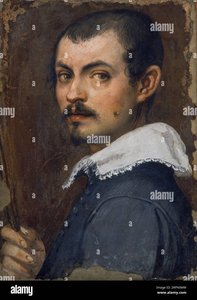
Giovanni da San Giovanni
1592 - 1899 , Italy
Pikatiedot
- Artistic Movement Or Style: Baroque
- Artists Or Movements Influenced By This Artist: ['Late Mannerism']
- Artists Who Influenced This Artist: ['Caravaggio']
- Date Of Birth: 1592
- Date Of Death: 1899
- Full Name: Giovanni da San Giovanni
- Nationality: Italian
- Notable Artworks:
- Aurora and Tithonus
- Self portrait
- Place Of Birth: San Giovanni Valdarno, Italy
Liittyvät artikkelit
Leonardo da Vincin 25 mestariteosta: Taidetta kotiisi OriginalUniqueArtilta
Tutustu Leonardo da Vincin 25 mestariteokseen! Uppoudu renessanssin maailmaan Mona Lisan, Viimeisen ehtoollisen ja muiden ikonisten maalausten tarinoihin. Löydä inspiraatiota kotiisi OriginalUniqueArtilta – korkealaatuiset taideteoksien reproduktiot ja sisustusehdotukset. Tutki kokoelma verkossa!

Leonardo da Vinci: A Renaissance Master’s Synthesis of Art, Science & Human Observation – Reinterpreted for the Collector
Explore Leonardo da Vinci’s timeless masterpieces with OriginalUniqueArt. Discover insights into his art, science, and legacy – trusted expertise for discerning collectors seeking authentic reproductions & investment opportunities.

Barokin loisto: Kuinka tuoda ylellisyyttä ja tunnetta nykyaikaiseen sisustukseen
Tutustu barokki sisustuksen loistoon! Opi luomaan ylellistä ja tunnelmallista kotia historiallisen tyylin inspiroimana. Vinkkejä, esimerkkejä ja in apua.

The Dramatic Flourish: Exploring the Baroque Movement's Enduring Legacy in Art History
Explore the dramatic world of Baroque art! Discover iconic artists like Caravaggio & Rubens, defining techniques, and its lasting impact on art history. Expert insights for collectors & enthusiasts at OriginalUniqueArt.

Barokin mestariteokset: Taidetta ja loistoa kotiisi – OriginalUniqueArt.com
Uppoudu barokin loistokkuuteen! Tutustu Caravaggion, Rembrandtin ja Vermeerin kaltaisten mestareiden tunnetuimpiin teoksiin. Taidehistoriaa kotiisi – löydä upeat taidetulosteet ja canvas-taulut OriginalUniqueArt.comista.

