Katso seinällä
 Lähetä
 Jaa
Jaa
 Tarkemmat tiedot
 Opas
Opas

 Lataa kuva
 Samanlaisia kohteita
 Röntgenkuvaus
 Diaesitys
 Tilastot
justice


 Lue lisää
Giclée- ja taideprintit
Museolaatuisia giclée- tai kankaitaulun tulosteita nopealla tuotannolla ja joustavilla viimeistelyvaihtoehdoilla. ( Tilaa käsinmaalattu jäljennös Siirry digitaaliseen kuvaan)




P118B €10

P118H €10

P118W €10

P438Z €10

P508JH €12

P508YH €12

P805H €10

P805Z €10

P919BZ €10

P919G €10

P919XJ €10

P959ZH €10

P968JZ €12

W106C €8

W218G €10

W218JH €8

W218Y €10

W307PJ €10

W316G €10

W316PJ €8

W316Y €10

W398PJ €8

W4111J €10

W500HY €15

W500JH €15

W692G €12

W849H €8

W940BG €15

W953PJ €8




Valitse valmiista mitoistamme sellaiset, jotka vastaavat teoksen alkuperäisiä mittasuhteita.

Kirjoita tarvitsemasi leveys ja korkeus, jotta tuloste sopii kehyskokoon tai seinällesi. Tulostetta voidaan vain leikata, sitä ei voi koskaan tehdä suuremmaksi kuin alkuperäinen kuva, joten eri muotoinen koko aiheuttaa osan kuvasta katoamisen. Lähetämme sinulle digitaalisen mallikuvan hyväksyttäväksi ennen kuin aloitamme tulostuksen. Tällä sivulla näkyvä kuva ei näytä lopullista leikkausta — vain mallikuva näyttää sen.
Maailmanlaajuinen toimitus () 2 viikossa tavallisen 4–5 viikon sijaan. (22 lokakuu)

Ilmainen pikatoimitus ympäri maailman

Korkealaatuinen pellavakangas

Kattava kuljetusvakuutus

Tulliveron palautustakuu

Takuu täydellisestä värien vastaavuudesta

100 päivän palautusoikeus valmistusvirhetapauksissa

100% rahat takaisin -takuu

Määräalennus saatavilla
 Lasivaihtoehto on saatavilla vain alle 110 cm kokoisille teoksille

justice
Giclée- ja taideprintit
Replikaatin koko
-


Kokonaishinta
€ 70
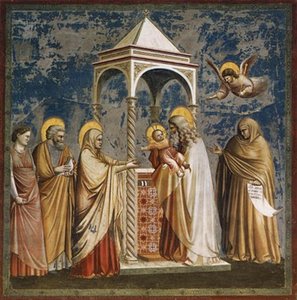
The Weight of Justice: Giotto’s Vision in “Justice”
Giotto di Bondone's "Justice," painted circa 1305, isn’t merely a portrait; it’s a profound meditation on moral order and the very foundations of society. Emerging from his workshop in Padua, this fresco—now meticulously reproduced as a stunning oil painting by OriginalUniqueArt—captures a pivotal moment in art history: the Proto-Renaissance, where Giotto began to dismantle the rigid conventions of Byzantine iconography and embrace a more humanistic, emotionally resonant style. The image depicts a seated woman, embodying Justice herself, rendered with an unprecedented sense of realism and psychological depth that would define the Renaissance aesthetic. She’s not a distant, ethereal figure but a powerfully grounded presence, radiating authority yet imbued with a quiet dignity.
The composition is strikingly formal, echoing the architectural grandeur of the Arena Chapel where it resides. The woman sits within an ornate niche, reminiscent of Gothic architecture, its arches and columns framing her like a sacred space. Below her, a decorative frieze—a series of small sculpted figures—adds layers of symbolic detail, hinting at the consequences of both righteous action and unjust behavior. The careful use of lines – sharp angles defining the architectural elements, flowing curves in the drapery – creates a sense of stability and structure, reflecting the underlying order Giotto sought to convey. The palette is restrained, dominated by earthy tones—ochres, browns, and deep reds—that lend the scene an air of solemnity and gravitas.
A Study in Symbolism
Giotto’s genius lies not just in his technical skill but in his masterful deployment of symbolism. The woman herself is a complex figure, representing Justice as both a legal principle and a moral ideal. Her crown and regal attire signify her authority, while the scales she holds represent the weighing of evidence—the careful consideration required to render true justice. Crucially, Giotto doesn’t depict Justice as an abstract concept; he humanizes her, imbuing her with a palpable sense of empathy and responsibility. The inclusion of figures representing both virtue and vice beneath her throne underscores the ongoing struggle between good and evil that defines the human condition.
The architectural setting is equally laden with meaning. The niche itself can be interpreted as a representation of divine judgment, while the sculpted frieze below serves as a visual reminder of the consequences of actions—rewards for virtue and punishments for vice. Notably, Giotto’s depiction of Justice aligns closely with earlier medieval representations of the concept, but he elevates it through his newfound realism and emotional intensity. The figures are no longer stylized icons; they possess individual characteristics and expressions, inviting viewers to connect with them on a deeper level.
The Proto-Renaissance Breakthrough
“Justice” stands as a cornerstone of Giotto’s revolutionary approach to painting. He moved decisively away from the flattened perspectives and symbolic abstractions of Byzantine art, embracing instead a more naturalistic representation of space and form. This shift is evident in the way he renders the folds of the woman's clothing, the subtle modeling of her face, and the sense of depth created by the architectural setting. Giotto’s innovations—his use of light and shadow to create volume, his attention to anatomical detail, and his ability to convey emotion through gesture—laid the groundwork for the High Renaissance and profoundly influenced generations of artists to come.
The fresco's influence extends beyond its aesthetic qualities; it represents a fundamental shift in artistic philosophy. Giotto sought to capture not just the outward appearance of his subjects but also their inner lives, reflecting a growing interest in human psychology that would characterize the Renaissance. His work signaled a move towards portraying humanity with dignity and complexity—a departure from the more didactic and symbolic approach of medieval art.
Bringing “Justice” Home
Today, OriginalUniqueArt’s meticulously crafted oil reproduction captures the essence of Giotto's masterpiece with breathtaking fidelity. Each brushstroke faithfully recreates the fresco’s rich textures and nuanced colors, allowing you to experience the profound beauty and intellectual depth of this iconic work of art. Whether adorning a grand salon or a smaller study, “Justice” serves as a timeless reminder of the enduring power of art to illuminate our understanding of morality, justice, and the human condition.
- Explore high-quality reproductions at OriginalUniqueArt
Kysymykset ja vastaukset
Missä Tall-muotoisen teoksen "justice" suositellaan olevan esillä?
Giotto di Bondone:n "justice" -teoksen Tall -muoto on suositeltava Living Room-tilaan. Muoto ja tila ohjaavat yhdessä reproduktion sijoittelua.
Minkä väripaletin ja minkä tunteen "justice" yhdistää?
Teoksessa "justice" Neutrals väriä yhdistettynä Reflective tunnelmaan.
Mikä on teoksen "justice" formaatti?
Teoksen "justice" formaatti on Tall. Tämä on hyödyllinen tieto, kun suunnittelet jäljennöksen sijoituspaikkaa.
Taiteilijan elämäkerta
Varhaiset Vuodet ja Cimabuen Oppipoika
Giotto di Bondone, syntynyt noin vuonna 1267 Firenzen lähellä Vespignanossa, on yksi kaikkien aikojen merkittävimmistä taiteilijoista. Hänen lapsuudestaan kiertää lukuisia legendoja, joissa kerrotaan nuoren Giotton piirtäneen eläväisiä lampaita kallioihin ja kiviin paimentaessaan laumojaan. Tarinat kertovat mestari Cimabuen huomanneen pojan lahjakkuuden ja ottaneen hänet oppilaakseen. Vaikka tarinan todenperäisyydestä kiistellään, se kuvaa osuvasti Giotton luontaisen kyvyn havainnoida ja kuvata maailmaa realistisesti – taitoa, joka mullisti tuolloisen taidemaailman.
Tuon ajan hallitseva bysanttilainen tyyli korosti litteitä kuvia, kultaa ja hengellistä symboliikkaa. Giotto kuitenkin pyrki kuvaamaan ihmisiä yksilöinä, tunteineen ja elämänkokemuksineen, sijoittaen heidät konkreettiseen tilaan. Cimabuen oppipoikana hän omaksui teknisiä taitoja, mutta alkoi nopeasti kehittää omaa ainutlaatuista tyyliään, joka poikkesi radikaalisti vallitsevasta perinteestä.
Uuden Naturalismin Synty ja Assisin Freskot
Giotton taiteellinen vallankumous ei ollut äkillinen muutos, vaan asteittainen kehitys. Hänen varhaiset teoksensa viittaavat jo tulevaan muutokseen, osoittaen kasvavaa painotusta volyymiin, painoon ja uskottavaan anatomiaan. Hän alkoi tarkkailla valoa ja varjoa ei pelkästään koristeellisina elementteinä, vaan välineinä muodon veistämiseen ja syvyyden luomiseen. Tämä orastava naturalismi näkyy hänen osallistumisessaan Assisin yläbasilikan freskoihin – vaikka tekijyyttä on kiistelty, monet tutkijat tunnistavat Giotton käden kohtauksissa, jotka poikkeavat selvästi vallitsevasta bysanttilaisesta estetiikasta.
Giotto ei hylännyt perinteitä kokonaan; hän rakensi niiden päälle, rikastuttaen niitä uudella inhimillisyyden ja tunteiden syvyydellä. Hän ymmärsi narratiivin voiman, luoden sommitelmia, jotka kertoivat tarinoita ei jäykän symboliikan kautta, vaan ilmeikkäiden eleiden, uskottavien vuorovaikutusten ja huolellisesti rakennettujen ympäristöjen avulla.
Scrovegnin Kappeli: Mestarikertomus Padovassa
Giotton mestariteos, ja yksi länsimaisen taiteen historian tärkeimmistä teoksista, on Scrovegnin kappelin (tunnetaan myös Arena Chapelina) freskokokonaisuus Padovassa. Vuonna 1305 valmistunut hengästyttävä sarja kuvaa Kristuksen ja Neitsyt Marian elämää ennennäkemättömällä realismilla ja tunteiden voimalla. Jokainen kohtaus avautuu kuin huolellisesti lavastettu näytelmä, jossa hahmot eivät ole pelkästään uskonnollisten arkkityyppien esityksiä, vaan täysiverisiä ihmisiä kokemassa iloa, surua, pelkoa ja toivoa.
Viimeinen Tuomio, joka hallitsee koko seinää, on voimakas todiste Giotton taidosta välittää sekä jumalallista majesteettisuutta että ihmiskunnan haavoittuvuutta viimeisessä tuomiossa. Perspektiivin käyttö, vaikka se ei olekaan matemaattisesti täydellistä myöhempien renessanssimaalareiden standardeilla, luo vakuuttavan illuusion syvyydestä ja vetää katsojan osaksi tarinaa. Hahmot ovat maadoitettuja, niiden vartaloilla on painoa ja volyymiä, ja niiden ilmeet välittävät tunteita, joita ei aiemmin oltu nähty uskonnollisessa taiteessa.
Arkkitehtuuria ja Kestävä Perintö
Giotton lahjakkuudet eivät rajoittuneet maalaamiseen; hän oli myös arvostettu arkkitehti. Vuonna 1334 hänet kutsuttiin suunnittelemaan Firenzen tuomiokirkon kellotapulin, projektin, joka osoitti hänen innovatiivista lähestymistapaansa arkkitehtoniseen muotoiluun. Vaikka hän kuoli ennen sen valmistumista, hänen suunnitelmansa loivat pohjan tälle ikoniselle Firenzen maamerkille.
Hänen vaikutuksensa myöhempiin taidesukupolviin on mittaamaton. Hän silmoitti keskiajan ja renessanssin maailman välisen kuilun, luoden pohjan mestareille kuten Masacciolle, Leonardolle da Vincille ja Michelangelolle. Vasari mainitsi Taiteilijaelämäkertoja-teoksessaan Giotton “antaneen maalaukselle suuren taidon tehdä asioita elävästä”, mikä on todiste hänen syvällisestä vaikutuksestaan länsimaisen taiteen kulkuun. Giotto ei pelkästään kuvannut maailmaa; hän pyrki ymmärtämään sitä, vangitsemaan sen olemuksen ja välittämään tämän ymmärryksen visuaalisen tarinankerronnan voiman kautta. Hänen perintönsä inspiroi edelleen ihmetystä ja kunnioitusta vuosisatojen kuluttua hänen kuolemastaan, vahvistaen paikkansa yhtenä historian suurimmista taiteellisista uudistajista.
- Vallankumouksellinen Maalaustapa: Siirtyminen bysanttilaisesta tyylittelystä naturalismiin ja tunteiden realismiin.
- Perspektiivin Edelläkävijä: Uusien tekniikoiden käyttöönotto syvyyden ja tilan luomiseksi maalauksissa.
- Mestarillinen Tarinankerronta: Vakuuttavien tarinoiden luominen freskokokonaisuuksien avulla, kuten Scrovegnin kappelissa.
- Arkkitehtuuriset Panokset: Firenzen tuomiokirkon kellotapulin suunnittelu, osoittaen arkkitehtonista taitoa.
- Renessanssitaiteen Perusta: Hänen työnsä loi pohjan renessanssin taiteellisten saavutusten kehitykselle.

Giotto di Bondone
1267 - 1337 , Italia
Tietoa taiteilijasta
- Artistic Movement Or Style: Proto-renesanssi
- Artists Or Movements Influenced By This Artist: ['Masaccio']
- Artists Who Influenced This Artist: ['Cimabue']
- Date Of Birth: noin 1267
- Date Of Death: 1337
- Full Name: Giotto di Bondone
- Nationality: Italialainen
- Notable Artworks: ['Scrovegnin kappeli']
- Place Of Birth: Firenze, Italia
Aiheeseen liittyvät artikkelit
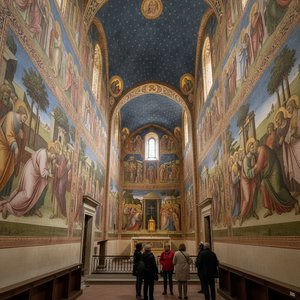
The Proto-Renaissance Revolution: How Giotto Shattered the Mold to Create Modern Visual Impact
Discover how the Proto-Renaissance shattered artistic norms. Explore Giotto’s revolutionary shift from flat Byzantine icons to raw human emotion and naturalism—the true origin of modern visual impact and storytelling in art history.

Gothic Vibes: From Dark Shadows to Bold Modern Edge | The Ultimate Trend Forecast
Explore the evolution of Gothic vibes, from historical shadows to bold modern edge. Discover how dark aesthetics, noir interiors, and contemporary subcultures are redefining modern design through a high-impact, trend-focused lens.
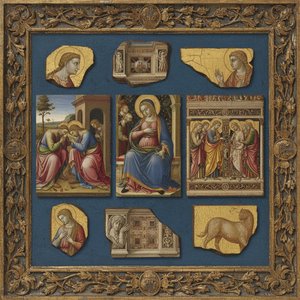
Proto-renessanssin 10 mestariteosta: Taidetta ja inspiraatiota kotiin – OriginalUniqueArt.fi
Tutustu proto-renessanssin 10 vaikuttavinta mestariteosta! Giotto, Cimabue ja muut taiteilijat muovasivat länsimaista taidetta. Löydä tarinat, tekniikat ja inspiraatiota kodin sisustukseen OriginalUniqueArt.com:ssa. Tutki kokoelma verkossa!
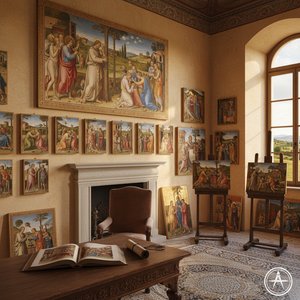
Giotton Mestarikappaleet: 25 Taideteosta Renessanssin Esikuvaajalta – OriginalUniqueArt.com
Tutustu Giotto di Bondonen 25 mestariteokseen – renessanssin esikuvaajan freskoihin ja maalauksiin. Taidehistorian helmet, uskonnolliset symbolit ja inspiroivat sisustusideat OriginalUniqueArt.comissa. Tutki kokoelma verkossa!
Giotto di Bondone: Revolutionizing Late Medieval Painting through Narrative Innovation
Explore the revolutionary art of Giotto di Bondone! Discover his groundbreaking techniques, iconic frescoes like those in the Arena Chapel, and lasting impact on Renaissance painting. A deep dive for art enthusiasts.