Katso seinällä
 Lähetä
 Jaa
Jaa
 Tarkemmat tiedot
 Opas
Opas

 Lataa kuva
 Samanlaisia kohteita
 Röntgenkuvaus
 Diaesitys
 Tilastot
Inconstancy
 Proto-Renaissance
 1306
1306 120.0 x 55.0 cm
 Lue lisää
Käsinmaalattu öljyvärinen jäljennös
Käsinmaalattu öljyväri kankaalle haluamassasi koossa ja kehyksissä, taiteilijoidemme valmistamana tilauksesta. ( Vaihda tulosteeseen Siirry digitaaliseen kuvaan)




P118B €10

P118H €10

P118W €10

P438Z €10

P508JH €12

P508YH €12

P805H €10

P805Z €10

P919BZ €10

P919G €10

P919XJ €10

P959ZH €10

P968JZ €12

W106C €8

W218G €10

W218JH €8

W218Y €10

W307PJ €10

W316G €10

W316PJ €8

W316Y €10

W398PJ €8

W4111J €10

W500HY €15

W500JH €15

W692G €12

W849H €8

W940BG €15

W953PJ €8




Valitse valmiista mitoistamme sellaiset, jotka vastaavat teoksen alkuperäisiä mittasuhteita.

Kirjoita tarvitsemasi leveys ja korkeus, jotta teos sopii kehyskehyksiisi tai seinällesi. Koska kyseessä on käsinmaalattu teos, taiteilija voi maalata hieman enemmän kuvan ympärille tai rajata sitä hieman, jos haluat eri muotoisen koon — valinta on sinun. Lähetämme sinulle digitaalisen mallikuvan hyväksyttäväksi ennen kuin maalaus alkaa. Tällä sivulla näkyvä kuva ei vastaa lopullista tulosta — vain mallikuva näyttää sen.
Tilauksen jälkeen OriginalUniqueArt.com -tiimi lähettää asiakkaalle sähköpostitse ohjeet ja esikatselukuvan.
Maailmanlaajuinen toimitus () 3–4 viikossa tavallisen 5 viikon sijaan. (21 lokakuu). Laadusta ei tingitä.

Ilmainen pikatoimitus ympäri maailman

Korkealaatuinen pellavakangas

Kattava kuljetusvakuutus

Tulliveron palautustakuu

Takuu täydellisestä värien vastaavuudesta

100 päivän palautusoikeus valmistusvirhetapauksissa

100% rahat takaisin -takuu

Määräalennus saatavilla
 Lasivaihtoehto on saatavilla vain alle 110 cm kokoisille teoksille

Inconstancy
Reproduktiotapa
Replikaatin koko
-


Kokonaishinta
€ 262
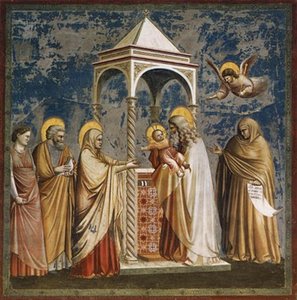
The Weight of Transient Beauty: Giotto’s “Inconstancy”
Giotto di Bondone's "Inconstancy," painted in 1306, isn’t merely a depiction of a woman reaching towards the heavens; it’s a profound meditation on the fleeting nature of earthly desires and the inherent instability of human emotion. This fresco, housed within the evocative Scrovegni Chapel in Padua, Italy – a space itself steeped in religious significance – represents a pivotal moment in art history: Giotto's decisive break from the rigid conventions of Byzantine painting and his courageous step toward a more naturalistic and emotionally resonant style. The work’s power lies not just in its technical brilliance but also in its ability to resonate with viewers across centuries, prompting reflection on our own experiences of longing and loss.
The central figure, draped in flowing white garments that seem to ripple with an unseen current, embodies this very concept of “Inconstancy.” Her arms are outstretched, not in supplication or triumph, but in a gesture of desperate yearning – as if she’s grasping for something just beyond her reach. The red background, a bold and dramatic choice for the time, serves to heighten the sense of urgency and instability. It's a color often associated with passion, danger, and even sacrifice, mirroring the volatile emotions at play within the scene. Notice how Giotto masterfully uses chiaroscuro – the interplay of light and shadow – to sculpt the figure’s form, lending her an almost ethereal quality while simultaneously emphasizing her vulnerability.
Proto-Renaissance Realism and Emotional Depth
Giotto's genius lay in his ability to infuse his figures with a palpable sense of humanity. Unlike the stylized, flattened forms characteristic of Byzantine art, Giotto’s figures possess volume, weight, and a remarkable degree of realism. He achieves this through careful observation of anatomy, subtle shifts in pose, and an innovative use of perspective – techniques that would become hallmarks of the Renaissance. “Inconstancy” is a prime example of this shift; the woman's posture isn’t rigidly posed but conveys a sense of movement, struggle, and profound emotional intensity.
The surrounding figures—a man on the left and two others to the right—add layers of complexity to the scene. They aren’t presented as active participants but rather as witnesses to this woman's yearning, their expressions hinting at a shared understanding of the ephemeral nature of desire. This compositional choice suggests that inconstancy isn’t an isolated experience but a universal human condition, one that touches us all.
Symbolism and Allegory
The fresco is deeply allegorical, representing not just the vice of “Inconstancy” but also broader themes of love, loss, and the passage of time. The outstretched arms symbolize the reaching for unattainable ideals – a common motif in medieval art reflecting the tension between earthly desires and spiritual aspirations. The very act of reaching implies a failure, a recognition that fulfillment is often elusive. Some scholars interpret the red background as representing the blood shed in pursuit of these fleeting passions, further emphasizing the cost associated with such pursuits.
Giotto’s deliberate use of color and composition reinforces this symbolic message. The white of the woman's clothing represents purity and innocence, while the red backdrop symbolizes passion and its potential for destruction. The overall effect is a powerful visual metaphor that invites viewers to contemplate the complexities of human emotion and the bittersweet nature of existence.
A Timeless Masterpiece – Reproduced with Care
OriginalUniqueArt offers meticulously crafted hand-painted reproductions of Giotto’s “Inconstancy,” capturing the essence of this extraordinary work in stunning detail. We employ traditional fresco techniques, using archival-quality pigments and canvas to faithfully recreate Giotto's original vision. Each reproduction is a testament to our commitment to preserving artistic heritage while providing collectors with exquisite works of art for their homes or offices. The size 120 x 55 cm version offers an intimate scale, perfect for contemplation, while larger formats allow the full impact of Giotto’s masterful composition to be appreciated. Bring this poignant and timeless masterpiece into your space – a reminder of the beauty and fragility of human experience.
Kysymykset ja vastaukset
Voinko katsoa teosta "Inconstancy" koko näytön diashow'na?
Diaporama on saatavilla: Giotto di Bondone:n "Inconstancy" -teoksen Diaesitys -sivu.
Mihin vaiheeseen Giotto di Bondonein uraa teos "Inconstancy" (1306) kuuluu?
"Inconstancy", luotu vuonna 1306, kuuluu Giotto di Bondone'n uran Proto-Renaissance-vaiheeseen."
Mistä voin löytää teoksia, jotka muistuttavat teosta Giotto di Bondone:n "Inconstancy"?
Teoksen Giotto di Bondone:n "Inconstancy" Samankaltaisia -sivu esittelee samankaltaisia teoksia.
Taiteilijan elämäkerta
Varhaiset Vuodet ja Cimabuen Oppipoika
Giotto di Bondone, syntynyt noin vuonna 1267 Firenzen lähellä Vespignanossa, on yksi kaikkien aikojen merkittävimmistä taiteilijoista. Hänen lapsuudestaan kiertää lukuisia legendoja, joissa kerrotaan nuoren Giotton piirtäneen eläväisiä lampaita kallioihin ja kiviin paimentaessaan laumojaan. Tarinat kertovat mestari Cimabuen huomanneen pojan lahjakkuuden ja ottaneen hänet oppilaakseen. Vaikka tarinan todenperäisyydestä kiistellään, se kuvaa osuvasti Giotton luontaisen kyvyn havainnoida ja kuvata maailmaa realistisesti – taitoa, joka mullisti tuolloisen taidemaailman.
Tuon ajan hallitseva bysanttilainen tyyli korosti litteitä kuvia, kultaa ja hengellistä symboliikkaa. Giotto kuitenkin pyrki kuvaamaan ihmisiä yksilöinä, tunteineen ja elämänkokemuksineen, sijoittaen heidät konkreettiseen tilaan. Cimabuen oppipoikana hän omaksui teknisiä taitoja, mutta alkoi nopeasti kehittää omaa ainutlaatuista tyyliään, joka poikkesi radikaalisti vallitsevasta perinteestä.
Uuden Naturalismin Synty ja Assisin Freskot
Giotton taiteellinen vallankumous ei ollut äkillinen muutos, vaan asteittainen kehitys. Hänen varhaiset teoksensa viittaavat jo tulevaan muutokseen, osoittaen kasvavaa painotusta volyymiin, painoon ja uskottavaan anatomiaan. Hän alkoi tarkkailla valoa ja varjoa ei pelkästään koristeellisina elementteinä, vaan välineinä muodon veistämiseen ja syvyyden luomiseen. Tämä orastava naturalismi näkyy hänen osallistumisessaan Assisin yläbasilikan freskoihin – vaikka tekijyyttä on kiistelty, monet tutkijat tunnistavat Giotton käden kohtauksissa, jotka poikkeavat selvästi vallitsevasta bysanttilaisesta estetiikasta.
Giotto ei hylännyt perinteitä kokonaan; hän rakensi niiden päälle, rikastuttaen niitä uudella inhimillisyyden ja tunteiden syvyydellä. Hän ymmärsi narratiivin voiman, luoden sommitelmia, jotka kertoivat tarinoita ei jäykän symboliikan kautta, vaan ilmeikkäiden eleiden, uskottavien vuorovaikutusten ja huolellisesti rakennettujen ympäristöjen avulla.
Scrovegnin Kappeli: Mestarikertomus Padovassa
Giotton mestariteos, ja yksi länsimaisen taiteen historian tärkeimmistä teoksista, on Scrovegnin kappelin (tunnetaan myös Arena Chapelina) freskokokonaisuus Padovassa. Vuonna 1305 valmistunut hengästyttävä sarja kuvaa Kristuksen ja Neitsyt Marian elämää ennennäkemättömällä realismilla ja tunteiden voimalla. Jokainen kohtaus avautuu kuin huolellisesti lavastettu näytelmä, jossa hahmot eivät ole pelkästään uskonnollisten arkkityyppien esityksiä, vaan täysiverisiä ihmisiä kokemassa iloa, surua, pelkoa ja toivoa.
Viimeinen Tuomio, joka hallitsee koko seinää, on voimakas todiste Giotton taidosta välittää sekä jumalallista majesteettisuutta että ihmiskunnan haavoittuvuutta viimeisessä tuomiossa. Perspektiivin käyttö, vaikka se ei olekaan matemaattisesti täydellistä myöhempien renessanssimaalareiden standardeilla, luo vakuuttavan illuusion syvyydestä ja vetää katsojan osaksi tarinaa. Hahmot ovat maadoitettuja, niiden vartaloilla on painoa ja volyymiä, ja niiden ilmeet välittävät tunteita, joita ei aiemmin oltu nähty uskonnollisessa taiteessa.
Arkkitehtuuria ja Kestävä Perintö
Giotton lahjakkuudet eivät rajoittuneet maalaamiseen; hän oli myös arvostettu arkkitehti. Vuonna 1334 hänet kutsuttiin suunnittelemaan Firenzen tuomiokirkon kellotapulin, projektin, joka osoitti hänen innovatiivista lähestymistapaansa arkkitehtoniseen muotoiluun. Vaikka hän kuoli ennen sen valmistumista, hänen suunnitelmansa loivat pohjan tälle ikoniselle Firenzen maamerkille.
Hänen vaikutuksensa myöhempiin taidesukupolviin on mittaamaton. Hän silmoitti keskiajan ja renessanssin maailman välisen kuilun, luoden pohjan mestareille kuten Masacciolle, Leonardolle da Vincille ja Michelangelolle. Vasari mainitsi Taiteilijaelämäkertoja-teoksessaan Giotton “antaneen maalaukselle suuren taidon tehdä asioita elävästä”, mikä on todiste hänen syvällisestä vaikutuksestaan länsimaisen taiteen kulkuun. Giotto ei pelkästään kuvannut maailmaa; hän pyrki ymmärtämään sitä, vangitsemaan sen olemuksen ja välittämään tämän ymmärryksen visuaalisen tarinankerronnan voiman kautta. Hänen perintönsä inspiroi edelleen ihmetystä ja kunnioitusta vuosisatojen kuluttua hänen kuolemastaan, vahvistaen paikkansa yhtenä historian suurimmista taiteellisista uudistajista.
- Vallankumouksellinen Maalaustapa: Siirtyminen bysanttilaisesta tyylittelystä naturalismiin ja tunteiden realismiin.
- Perspektiivin Edelläkävijä: Uusien tekniikoiden käyttöönotto syvyyden ja tilan luomiseksi maalauksissa.
- Mestarillinen Tarinankerronta: Vakuuttavien tarinoiden luominen freskokokonaisuuksien avulla, kuten Scrovegnin kappelissa.
- Arkkitehtuuriset Panokset: Firenzen tuomiokirkon kellotapulin suunnittelu, osoittaen arkkitehtonista taitoa.
- Renessanssitaiteen Perusta: Hänen työnsä loi pohjan renessanssin taiteellisten saavutusten kehitykselle.

Giotto di Bondone
1267 - 1337 , Italia
Tietoa taiteilijasta
- Artistic Movement Or Style: Proto-renesanssi
- Artists Or Movements Influenced By This Artist: ['Masaccio']
- Artists Who Influenced This Artist: ['Cimabue']
- Date Of Birth: noin 1267
- Date Of Death: 1337
- Full Name: Giotto di Bondone
- Nationality: Italialainen
- Notable Artworks: ['Scrovegnin kappeli']
- Place Of Birth: Firenze, Italia
Aiheeseen liittyvät artikkelit

OriginalUniqueArt.com F.A.Q.: Elevating Interiors with Bespoke Wall Murals & Masterpiece Frescoes
Discover the pinnacle of bespoke interior transformation with OriginalUniqueArt.com. Our master fresco artists create exquisite, hand-painted wall murals and ceiling masterpieces tailored to your estate. Elevate your architectural space with timeless, museum-quality artistry.