
 Esikatselu
 Jaa
Jaa Jaa
Jaa
 Tarkemmat tiedot

 Lataa
Lataa
 Samanlaisia
 Röntgenkuva
 Diaesitys
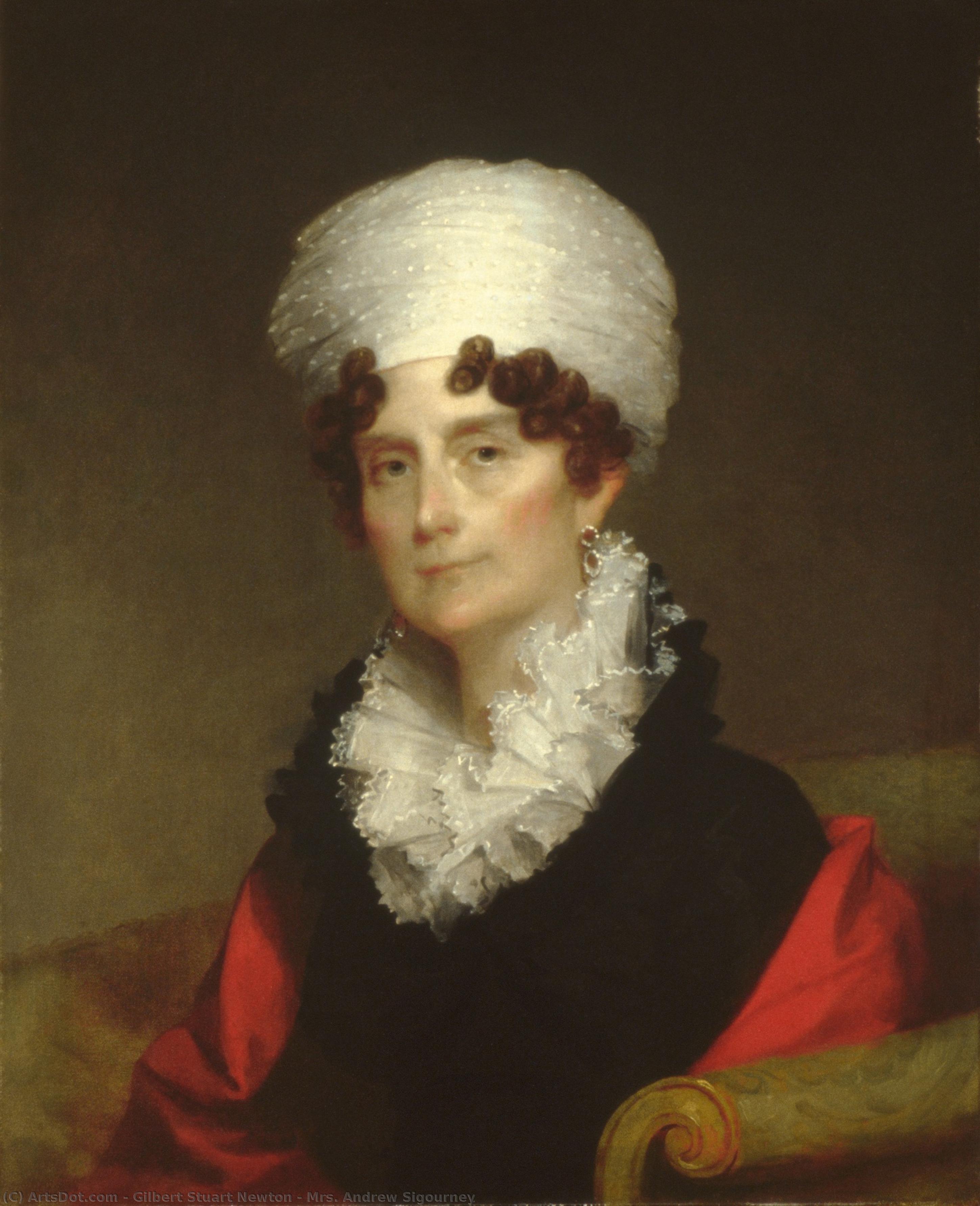
Mrs. Andrew Sigourney
 Oil On Canvas
- WallArt
- Romanticism
 1820
1820- 19th Century
 69.0 x 56.0 cm
 Metropolitanin museo
 Näytä lisää
Käsinmaalattu öljykopio
Käsinmaalattu öljyväri kankaalle haluamassasi koossa ja kehyksissä, taiteilijoidemme valmistamana tilauksesta. ( Osta printti Osta kuva)




P118B $10

P118H $10

P118W $10

P438Z $10

P508JH $12

P508YH $12

P805H $10

P805Z $10

P919BZ $10

P919G $10

P919XJ $10

P959ZH $10

P968JZ $12

W106C $8

W218G $10

W218JH $8

W218Y $10

W307PJ $10

W316G $10

W316PJ $8

W316Y $10

W398PJ $8

W4111J $10

W500HY $15

W500JH $15

W692G $12

W849H $8

W940BG $15

W953PJ $8




Valitse valmiista mitoistamme sellaiset, jotka vastaavat teoksen alkuperäisiä mittasuhteita.

Voit syöttää omat mitat sopimaan tiettyyn kehykseen tai tilaan. Jos valitsemasi koko ei vastaa alkuperäisen kuvan mittasuhteita, rajaamme taideteoksen tai jatkamme maalausta käsin maalatuilla elementeillä. Digitaalinen esikatselu lähetetään hyväksyttäväksi ennen tuotannon aloittamista.
Huomioithan, että näytöllä oleva esikatselu ei vastaa todellista rajausta tai jatkamista. Vain digitaalinen mallikuva näyttää lopullisen sommittelun tarkasti.
Vaikka mittatilaustyöt ovat mahdollisia, suosittelemme valitsemaan mitan ennalta määritetystä listasta alkuperäisten mittasuhteiden säilyttämiseksi.
Tilauksen jälkeen OriginalUniqueArt.com -tiimi lähettää asiakkaalle ohjeet ja esikatselukuvan.
Maailmanlaajuinen toimitus () 3–4 viikossa tavallisen 5 viikon sijaan. (16 elokuu). Laadusta ei tingitä.

Ilmainen pikatoimitus ympäri maailman

Korkealaatuinen pellavakangas

Kattava kuljetusvakuutus

Tulliveron palautustakuu

Täydellinen värien vastaavuustakuu

60 päivän palautusoikeus (vain valmistusvirheet)

100% rahat takaisin -takuu

Määräalennus tarjous
 Lasivaihtoehto on saatavilla vain alle 110 cm kokoisina teoksina

Mrs. Andrew Sigourney
Reproduktiotekniikka
Replikaatin koko
-


Kokonaishinta
$ 300
Teoksen kuvaus
A Glimpse into Early American Elegance
To stand before Gilbert Stuart Newton's portrait of Mrs. Andrew Sigourney is to step directly into the refined drawing rooms of early nineteenth-century Boston. This painting, executed around 1820, transcends a mere likeness; it is a carefully composed tableau vivant that speaks volumes about social standing, intellectual grace, and the quiet prosperity of its sitter. Elizabeth Williams, as she was known, is presented not just as a beautiful woman, but as a figure of considerable intelligence and established means. The composition itself suggests a moment paused in time—a gathering where conversation and status mingle effortlessly.
Mastery of Portraiture and Technique
Newton’s handling of paint here demonstrates the technical prowess inherited from his celebrated lineage. While the subject is seated, allowing for a sense of repose, the artist has imbued the scene with vibrant life through meticulous detail. Observe the texture captured in the white, ruffled edge of her hat, contrasting sharply with the deep, sober tones of her black attire. This contrast is not accidental; it serves to draw the eye immediately to her face and hands. The technique employed allows for both an almost photographic realism in rendering fabric and skin, while simultaneously maintaining the romantic idealization characteristic of the era. It is a balance that speaks to Newton's sophisticated understanding of light and shadow.
The Symbolism of Status and Intellect
What truly elevates this portrait beyond simple representation is the subtle narrative woven into its details. The description notes that Stuart toned down any overly sensual quality, choosing instead to emphasize Mrs. Sigourney’s "knowing intelligence." This focus suggests a cultural shift in portraiture, moving away from pure glamour toward celebrating the sitter's inner life and accomplishments. Her direct gaze meets the viewer’s eye with an assurance that speaks of her family connections and her husband’s prominent civic roles. The inclusion of other figures subtly grounds her within a social context—a circle of peers whose presence validates her own elevated position in Boston society.
Creating an Atmosphere for Your Space
For the collector or designer, this piece offers more than just decoration; it offers atmosphere. Reproducing such a work allows one to infuse a room with the gravitas and refined elegance of the Federal and early Victorian periods. Imagine this painting gracing a formal study or a drawing-room corner. The deep blacks and crisp whites provide an immediate anchor of sophisticated contrast, while the historical narrative adds layers of intellectual depth. It is a piece that invites conversation, prompting admirers to inquire about the life and times it so beautifully captures.
Taiteilijan elämäkerta
Gilbert Stuart Newton: Life & Legacy
Early Life and Family Background
- Birth and Origins: Gilbert Stuart Newton was born on September 2, 1795, in Halifax, Nova Scotia. He was the youngest of twelve children.
- Family Connections: His father, Henry Newton, was a customs official, and his mother, Ann, held a significant artistic lineage – she was the daughter of Gilbert Stuart, the renowned American portrait painter.
- Early Years & Return to America: The family initially resided in Boston but returned to Charlestown near Boston in 1803 following his father’s death.
Artistic Training and Influences
- Initial Path & Uncle's Guidance: Though initially intended for a commercial career, Newton was apprenticed to his uncle, Gilbert Stuart, marking the beginning of his artistic journey.
- European Studies: He traveled to Europe with an elder brother and studied painting in Florence. Later visits to Paris (1817) introduced him to artists like Charles Robert Leslie, Washington Allston, and David Wilkie.
- Royal Academy & Formal Training: Newton continued his education at the Royal Academy in London after a period spent in the Netherlands.
Artistic Style and Major Themes
- Romantic Sensibilities: Newton’s work is generally categorized within the Romantic movement, characterized by emotional intensity and dramatic narratives.
- Literary & Poetic Inspirations: He became particularly known for paintings inspired by literature and poetry. Subjects drawn from works like *Don Quixote* and Shakespeare were prominent in his oeuvre.
- Portraiture & Genre Scenes: While he painted portraits, including those of notable figures such as Washington Irving, Newton also excelled in genre scenes depicting moments from literary narratives.
Key Achievements and Recognition
- Royal Academy Affiliation: Newton was elected an Honorary Academician of the National Academy of Design (1827), an Associate of the Royal Academy (1829), and a full Academician in 1832.
- Exhibitions & Patronage: He regularly exhibited at the Royal Academy from 1818 onwards, gaining recognition and attracting patrons like the Marquis of Lansdowne.
- Public Collections: His works found their way into prominent public collections, including the National Gallery and the South Kensington Museum (now V&A).
Later Life and Legacy
- Mental Health & Final Years: Shortly after his election to the Royal Academy, Newton began to suffer from mental illness. He was admitted to an asylum at Chelsea where he continued to paint until his death on August 5, 1835.
- Burial Site: He is buried in St Mary’s Church Wimbledon, London.
- Historical Significance: Though overshadowed by his uncle Gilbert Stuart, Newton carved a niche for himself as a skilled and imaginative artist of the Romantic period. His literary-inspired paintings offer insights into the cultural tastes and artistic trends of 19th-century Britain.

gilbert stuart newton
1795 - 1835
Pikatiedot
- Birth_Date: 1795
- Birth_Place: Halifax, Nova Scotia
- Death_Date: 1835
- Influenced_By: Gilbert Stuart (uncle)
- Movement: Romanticism
- Name: Gilbert Stuart Newton
- Nationality: British
- Notable_Works:
- Don Quixote in his Study
- Captain Macheath upbraided by Polly and Lucy
- Yorick and the Grisette
- The Window or the Dutch Girl
- Portia and Bassanio
Liittyvät artikkelit

John Gilbert: A Comprehensive Exploration of Technique, Context, and Enduring Legacy in Victorian Genre Painting
Explore the life & art of John Gilbert, a prolific Victorian painter renowned for his captivating genre scenes and Venetian-inspired style. Discover his legacy with OriginalUniqueArt.
John Graham Gilbert: Rediscovering a Victorian Master of Narrative & Portraiture
Discover the captivating world of John Graham Gilbert, a Victorian master! Explore his portraits, genre scenes & illustrations. Learn about his influences, legacy & find high-quality reproductions at OriginalUniqueArt.
Romantic Realism's Finest: 10 Masterpieces for Your Home | OriginalUniqueArt
Explore 10 defining masterpieces of Romantic Realism! Discover Courbet, Millet & Daumier's powerful paintings—capturing emotion and social realities. Find museum-quality reproductions for your home at OriginalUniqueArt.com.

Dante Gabriel Rossettin 25 mestariteosta: Taidetta ja inspiraatiota kotiisi | OriginalUniqueArt
Tutustu Dante Gabriel Rossettin 25 lumoavinta mestariteosta! Uppoudu viktoriaanisen ajan symbolismiin ja Pre-Raphaelite taiteen maailmaan. Löydä inspiraatiota sisustukseesi ja hanki korkealaatuisia taideprinttejä OriginalUniqueArt.comista. Tutki kokoelma verkossa!
Thomas Edwin Mostyn: A Victorian Genre Painter's Journey from Realism to Romantic Enchantment
Discover the captivating world of Thomas Edwin Mostyn (1864-1930), a Victorian artist renowned for his romantic garden scenes and evocative portraits. Explore his artistic journey, legacy & find high-quality reproductions at OriginalUniqueArt.

