
 Esikatselu
 Jaa
Jaa Jaa
Jaa
 Tarkemmat tiedot

 Lataa
Lataa
 Samanlaisia
 Röntgenkuva
 Diaesitys
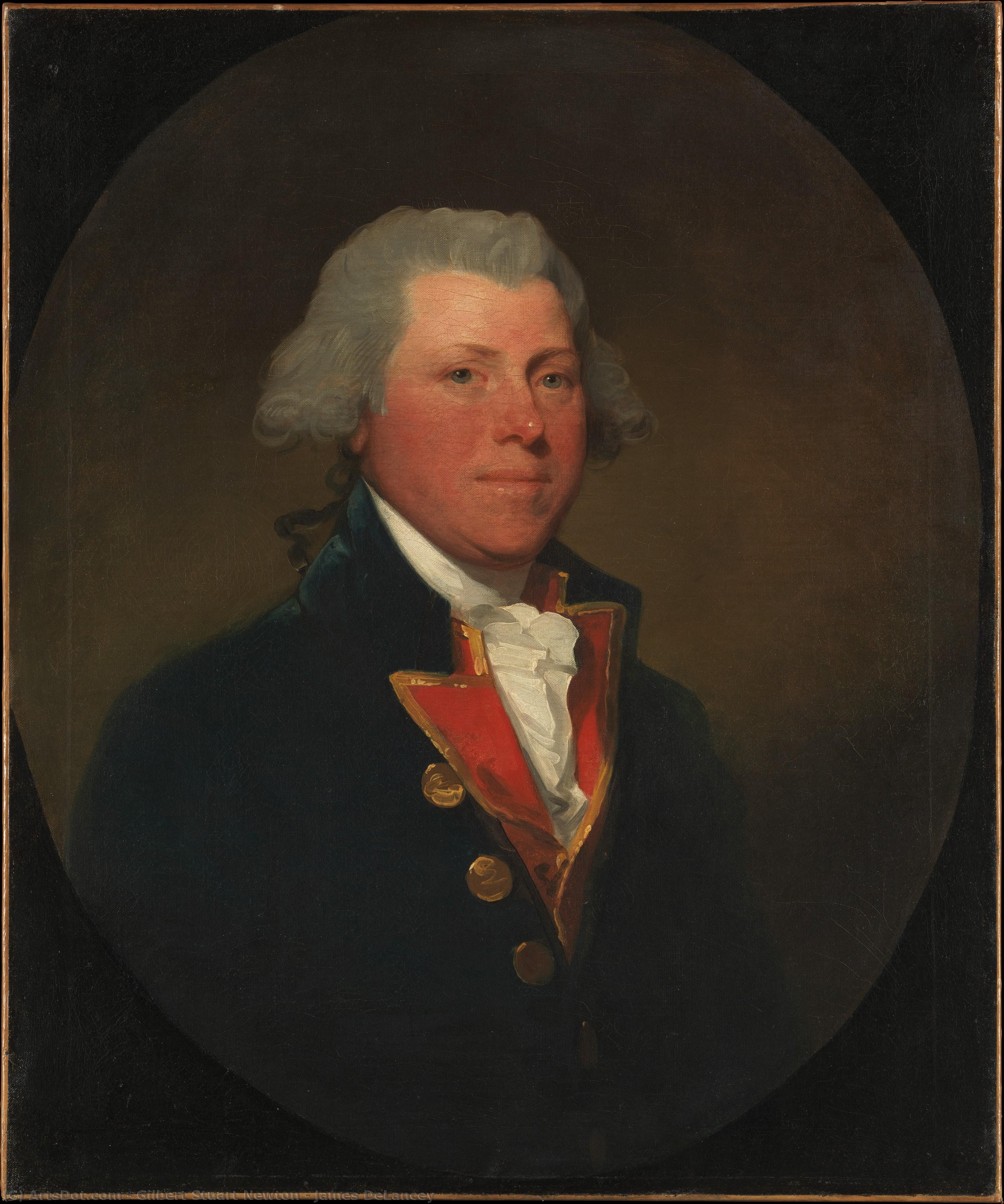
James DeLancey
 Oil On Canvas
- WallArt
- Neoclassicism
 1785
1785- Early Modern
 102.0 x 89.0 cm
 Metropolitanin museo
 Näytä lisää
Käsinmaalattu öljykopio
Käsinmaalattu öljyväri kankaalle haluamassasi koossa ja kehyksissä, taiteilijoidemme valmistamana tilauksesta. ( Siirry tulosteeseen Vaihda kuvaksi)




P118B $10

P118H $10

P118W $10

P438Z $10

P508JH $12

P508YH $12

P805H $10

P805Z $10

P919BZ $10

P919G $10

P919XJ $10

P959ZH $10

P968JZ $12

W106C $8

W218G $10

W218JH $8

W218Y $10

W307PJ $10

W316G $10

W316PJ $8

W316Y $10

W398PJ $8

W4111J $10

W500HY $15

W500JH $15

W692G $12

W849H $8

W940BG $15

W953PJ $8




Valitse valmiista mitoistamme sellaiset, jotka vastaavat teoksen alkuperäisiä mittasuhteita.

Voit syöttää omat mitat sopimaan tiettyyn kehykseen tai tilaan. Jos valitsemasi koko ei vastaa alkuperäisen kuvan mittasuhteita, rajaamme taideteoksen tai jatkamme maalausta käsin maalatuilla elementeillä. Digitaalinen esikatselu lähetetään hyväksyttäväksi ennen tuotannon aloittamista.
Huomioithan, että näytöllä oleva esikatselu ei vastaa todellista rajausta tai jatkamista. Vain digitaalinen mallikuva näyttää lopullisen sommittelun tarkasti.
Vaikka mittatilaustyöt ovat mahdollisia, suosittelemme valitsemaan mitan ennalta määritetystä listasta alkuperäisten mittasuhteiden säilyttämiseksi.
Tilauksen jälkeen OriginalUniqueArt.com -tiimi lähettää asiakkaalle ohjeet ja esikatselukuvan.
Maailmanlaajuinen toimitus () 3–4 viikossa tavallisen 5 viikon sijaan. (10 elokuu). Laadusta ei tingitä.

Ilmainen pikatoimitus ympäri maailman

Korkealaatuinen pellavakangas

Kattava kuljetusvakuutus

Tulliveron palautustakuu

Täydellinen värien vastaavuustakuu

60 päivän palautusoikeus (vain valmistusvirheet)

100% rahat takaisin -takuu

Määräalennus tarjous
 Lasivaihtoehto on saatavilla vain alle 110 cm kokoisina teoksina

James DeLancey
Reproduktiotekniikka
Replikaatin koko
-


Kokonaishinta
$ 300
Teoksen kuvaus
A Glimpse into Georgian Grandeur: James DeLancey
To stand before a portrait such as "James DeLancey" is to step directly across the threshold of the late eighteenth century. This oil on canvas, executed by Gilbert Stuart Newton in 1785, is far more than a mere likeness; it is a meticulously preserved moment of masculine elegance and societal standing. The subject commands attention with an air of confident composure. Dressed in a striking suit accented by a vibrant red jacket, he presents himself to the viewer with direct, unwavering gaze. His beard and mustache frame a countenance that speaks of experience, while the carefully styled wig anchors him firmly within the fashionable aesthetics of the Georgian era.
The Artistry of Gilbert Stuart Newton
Gilbert Stuart Newton’s hand is evident in every brushstroke. The technique employed—oil on canvas—allows for a richness of tone and texture that breathes life into the painted surface. One can almost feel the weight of the velvet, the crispness of the white shirt, and the subtle sheen of the wig's curls. While Newton’s career spanned decades, this portrait captures him at a height of his skill, inheriting and building upon the legacy of his renowned family—a lineage deeply rooted in American portraiture. The painting is a testament to formal portraiture, where technical mastery serves the purpose of immortalizing character.
Historical Echoes and Social Portraiture
The year 1785 places this work at a fascinating juncture in American history, a time of burgeoning self-identity following revolutionary upheaval. Portraits like this served crucial functions; they were visual declarations of status, success, and belonging within the established social order. The formality of the pose, combined with the richness of the attire, suggests that James DeLancey was a man of means and influence. Owning such a piece today allows one to curate an interior space steeped in historical gravitas, connecting modern life with the refined tastes of the late colonial period.
Emotional Resonance for the Modern Collector
What truly endures about this painting is its emotional directness. Despite the formality of the era's portraiture, DeLancey meets the viewer’s eye without artifice. There is a compelling narrative in that gaze—a mixture perhaps of self-possession and quiet contemplation. For the collector or designer, acquiring a high-quality reproduction of "James DeLancey" offers an immediate infusion of sophisticated character into any room. It acts as a conversation starter, inviting admiration for both the sitter's perceived stature and the sheer artistry required to capture such a nuanced human presence on canvas.
Taiteilijan elämäkerta
Gilbert Stuart Newton: Life & Legacy
Early Life and Family Background
- Birth and Origins: Gilbert Stuart Newton was born on September 2, 1795, in Halifax, Nova Scotia. He was the youngest of twelve children.
- Family Connections: His father, Henry Newton, was a customs official, and his mother, Ann, held a significant artistic lineage – she was the daughter of Gilbert Stuart, the renowned American portrait painter.
- Early Years & Return to America: The family initially resided in Boston but returned to Charlestown near Boston in 1803 following his father’s death.
Artistic Training and Influences
- Initial Path & Uncle's Guidance: Though initially intended for a commercial career, Newton was apprenticed to his uncle, Gilbert Stuart, marking the beginning of his artistic journey.
- European Studies: He traveled to Europe with an elder brother and studied painting in Florence. Later visits to Paris (1817) introduced him to artists like Charles Robert Leslie, Washington Allston, and David Wilkie.
- Royal Academy & Formal Training: Newton continued his education at the Royal Academy in London after a period spent in the Netherlands.
Artistic Style and Major Themes
- Romantic Sensibilities: Newton’s work is generally categorized within the Romantic movement, characterized by emotional intensity and dramatic narratives.
- Literary & Poetic Inspirations: He became particularly known for paintings inspired by literature and poetry. Subjects drawn from works like *Don Quixote* and Shakespeare were prominent in his oeuvre.
- Portraiture & Genre Scenes: While he painted portraits, including those of notable figures such as Washington Irving, Newton also excelled in genre scenes depicting moments from literary narratives.
Key Achievements and Recognition
- Royal Academy Affiliation: Newton was elected an Honorary Academician of the National Academy of Design (1827), an Associate of the Royal Academy (1829), and a full Academician in 1832.
- Exhibitions & Patronage: He regularly exhibited at the Royal Academy from 1818 onwards, gaining recognition and attracting patrons like the Marquis of Lansdowne.
- Public Collections: His works found their way into prominent public collections, including the National Gallery and the South Kensington Museum (now V&A).
Later Life and Legacy
- Mental Health & Final Years: Shortly after his election to the Royal Academy, Newton began to suffer from mental illness. He was admitted to an asylum at Chelsea where he continued to paint until his death on August 5, 1835.
- Burial Site: He is buried in St Mary’s Church Wimbledon, London.
- Historical Significance: Though overshadowed by his uncle Gilbert Stuart, Newton carved a niche for himself as a skilled and imaginative artist of the Romantic period. His literary-inspired paintings offer insights into the cultural tastes and artistic trends of 19th-century Britain.

gilbert stuart newton
1795 - 1835
Pikatiedot
- Birth_Date: 1795
- Birth_Place: Halifax, Nova Scotia
- Death_Date: 1835
- Influenced_By: Gilbert Stuart (uncle)
- Movement: Romanticism
- Name: Gilbert Stuart Newton
- Nationality: British
- Notable_Works:
- Don Quixote in his Study
- Captain Macheath upbraided by Polly and Lucy
- Yorick and the Grisette
- The Window or the Dutch Girl
- Portia and Bassanio
Liittyvät artikkelit
Iconic Art of the 18th & 19th Centuries: Masterpieces for Your Home | OriginalUniqueArt
Journey through 18th & 19th century art! Explore iconic masterpieces by Monet, Van Gogh & more. Discover the stories behind these timeless paintings and find museum-quality reproductions for your home at OriginalUniqueArt.com.

Teknologian ja perinteiden liitto: Mukautetun taiteen moderni prosessi – Digitaalinen visualisointi ja klassiset öljymaalaustekniikat nykyajan taiteessa
Tutustu öljymaalaustaidon perinteisiin ja digitaalisen visualisoinnin mahdollisuuksiin. Tilaa uniikki, korkealaatuinen taideteos ammattitaitoisilta taiteilijoiltamme. Taidekonsultointi ja henkilökohtainen palvelu.
The Rococo Style: Aristocratic Leisure & the Pursuit of Delight in 18th-Century Art
Explore the opulent world of Rococo art! Discover Watteau, Boucher & Nattier's masterpieces. Expert insights for collectors seeking museum-quality reproductions and custom portraits at OriginalUniqueArt.

Alonzo Chappel: Historical Narrative & Romantic Vision in 19th-Century American Painting
Explore the captivating world of Alonzo Chappel, a master of 19th-century American historical painting. Discover his iconic works, Romantic style & lasting legacy. Learn about collecting Chappel's art today!

Benjamin West: Transatlantic Ambition & Shaping American Art
Explore the life & legacy of Benjamin West, pioneering American artist and Royal Academy president. Discover his Neoclassical masterpieces, transatlantic influence, and lasting impact on art history. Learn more at OriginalUniqueArt.

