

 Esikatselu
 Jaa teos
 Jaa
Jaa
 Tiedot
 Opas
Opas

 Lataa kuva
 Samanlaisia kohteita
 Röntgenkuvaus
 Diaesitys
 Q&A
Q&A Tilastot
Mountain Landscape with a Windmill
 Oil On Canvas
- WallArt
- Post-Impressionism
 26.0 x 35.0 cm
 National Trust
 Lue lisää
Tällä sivulla esitettyä taideteosta suojaa tekijänoikeuslaki, mikä tarkoittaa, ettemme voi laillisesti luoda tai myydä täsmälleen samanlaista jäljennöstä. Tämä suoja toteutetaan kansainvälisten sopimusten, kuten esimerkiksi Berne-konventio ja kansallisilla laeilla, mukaan lukien niillä määritellyt Yhdysvaltain tekijänoikeuslaki – Luku 17. Kaikki oikeudet pidätetään. Luvaton kopiointi tai jäljittely on kielletty.
Tämä menetelmä noudattaa täysin tekijänoikeussäännöksiä, sillä se ei sisällä suojatun taideteoksen kopioimista tai jäljentämistä. Sen sijaan kyseessä on luova uudelleentulkinta – uusi maalaus, joka ammentaa vaikutteita alkuperäisestä, mutta ei ole sen identtinen kopio.
Giclée- ja taideprintit
Museolaatuisia giclée- tai kankaitaulun tulosteita nopealla tuotannolla ja joustavilla viimeistelyvaihtoehdoilla. ( Osta käsinmaalattu taideteos Siirry digitaaliseen kuvaan)




P118B €10

P118H €10

P118W €10

P438Z €10

P508JH €12

P508YH €12

P805H €10

P805Z €10

P919BZ €10

P919G €10

P919XJ €10

P959ZH €10

P968JZ €12

W106C €8

W218G €10

W218JH €8

W218Y €10

W307PJ €10

W316G €10

W316PJ €8

W316Y €10

W398PJ €8

W4111J €10

W500HY €15

W500JH €15

W692G €12

W849H €8

W940BG €15

W953PJ €8




Valitse valmiista mitoistamme sellaiset, jotka vastaavat teoksen alkuperäisiä mittasuhteita.

Syötä tarvitsemasi leveys ja korkeus, jotta tuloste sopii kehyksiisi tai seinällesi. Tulostetta voidaan vain leikata, sitä ei voida koskaan suurentaa alkuperäistä kuvaa suuremmaksi, joten eri muotoinen koko aiheuttaa osan kuvasta katoamisen. Lähetämme sinulle digitaalisen mallikuvan hyväksyttäväksi ennen kuin aloitamme tulostuksen. Tällä sivulla näkyvä kuva ei näytä lopullista rajausta — vain mallikuva näyttää sen.
Maailmanlaajuinen toimitus () 2 viikossa tavallisen 4–5 viikon sijaan. (28 lokakuu)

Ilmainen pikatoimitus ympäri maailman

Korkealaatuinen pellavakangas

Kattava kuljetusvakuutus

Tulliveron palautustakuu

Takuu täydellisestä värien vastaavuudesta

100 päivän palautusoikeus (vain valmistusvirheet)

100% rahat takaisin -takuu

Määräalennus tarjolla
 Lasivaihtoehto on saatavilla vain alle 110 cm kokoisille teoksille

Mountain Landscape with a Windmill
Giclée- ja taideprintit
Replikaatin koko
-


Kokonaishinta
€ 71
A Vision of the English Countryside: Gilbert Spencer’s ‘Mountain Landscape with a Windmill’
Gilbert Spencer's “Mountain Landscape with a Windmill” isn’t merely a depiction of a rural scene; it’s an immersion into the heart of late 19th-century England. Painted around 19XX, this artwork captures a quintessential moment in time – a quiet afternoon bathed in diffused light, dominated by the steadfast presence of a traditional windmill against a backdrop of rolling hills and verdant fields. Spencer, deeply rooted in his native Cookham, eschewed grand narratives or dramatic events, instead focusing on the subtle beauty of everyday life and the enduring connection between humanity and nature. The painting speaks to a sense of tranquility and timelessness, inviting the viewer into a world where the rhythms of rural existence are both comforting and profoundly evocative.
Fauvist Echoes and Post-Impressionist Sensibilities
Spencer’s artistic approach is immediately recognizable as a synthesis of Fauvist and Post-Impressionist influences. The bold, unblended brushstrokes—a hallmark of the Fauvist movement—create a vibrant energy within the landscape, injecting color with an almost impulsive quality. Yet, these energetic marks are tempered by the more considered techniques of Post-Impressionism, evident in the careful observation of light and form. The colors aren’t realistic representations of nature; instead, they're emotionally charged – deep greens, ochres, and blues conveying a sense of atmosphere and mood rather than precise detail. The simplified forms of the windmill and hills contribute to this stylized effect, prioritizing expressive power over strict adherence to photographic accuracy.
The Symbolism of Industry and Nature
The prominent windmill itself is more than just a picturesque element; it’s a potent symbol. In rural England, windmills represented both industry – the grinding of grain, the harnessing of natural energy – and a connection to the land. Spencer masterfully balances these dualities, presenting the windmill not as a machine imposing itself upon nature, but as an integral part of its landscape. The surrounding hills, bathed in soft light, suggest a harmonious relationship between human endeavor and the natural world. The composition invites contemplation on themes of tradition, progress, and the enduring spirit of rural life.
A Legacy of English Realism
Gilbert Spencer’s “Mountain Landscape with a Windmill” stands as a testament to his commitment to realism while embracing innovative artistic techniques. His work reflects a deep understanding of the English countryside—a landscape he loved and meticulously observed throughout his life. As a brother to the renowned Stanley Spencer, Gilbert forged his own distinct path, prioritizing clarity, directness, and an honest portrayal of everyday life. This painting exemplifies his ability to capture not just the visual appearance of a scene but also its emotional resonance, solidifying his place as a key figure in British art history. Reproductions offer a beautiful way to bring this evocative landscape into your home or office, allowing you to experience the tranquility and timeless beauty of rural England.
Kysymykset ja vastaukset
Onko teos "Mountain Landscape with a Windmill" saatavilla taidepainoksena?
Teoksen Gilbert Spencer:n "Mountain Landscape with a Windmill" painos on tilattavissa suoraan sen Taidevedos -sivulta: taideteosvedos puuvillakangas- tai arkistoluokan kankaalle painettuna.
Minkälaisen tunteen Gilbert Spencer:n "Mountain Landscape with a Windmill" värit luovat?
Gilbert Spencer:n "Mountain Landscape with a Windmill"-teoksen Neutrals väripaletti ja sen Tranquil tunnelma sointuvat yhteen. Väri on yksi tavoista, joilla teos välittää tunnetta.
Millä muilla nimillä Gilbert Spencer tunnetaan?
Gilbert Spencer tunnetaan myös nimellä Stanley Spencer.
Taiteilijan elämäkerta
Englannin maaperaan juurtunut elämä: Gilbert Spencerin maailma
Gilbert Spencer, joka syntyi 4. elokuuta 1892 idylliseen Cookhamin kylään Yhdistyneessä kuningaskunnassa, oli taiteilija, joka tunsi syvästi englantilaisen elämän rytmit ja vivahteet. Hän eli vuoteen 1979 asti jättäen jälkeensä teoskokonaisuuden, joka vangitsee hiljaisesti mutta voimakkaasti kansansa maisemien ja ihmisten olemuksen. Tuleessaan suureesta perheestä – kahdeksanneksi yhdestätoista lapsesta – ja isän toimiessa urkurina ja opettajana, Spencerin varhaisvuodet olivat vaatimattomia, mutta älyllisesti rikkaita. Tämä kasvatus kehitti herkkyyttä, joka muovasi syvästi hänen taiteellista visiotaan. Ehkä merkittävin perheside oli hänen nuorempi veljensä, kuuluisa maalarit Sir Stanley Spencer, jonka omintakeinen tyyli herätti usein vertailuja; silti Gilbert loi oman polkunsa vakaalla realismilla ja ainutlaatuisella, henkilökohtaisella tulkinnalla ympäröivästä maailmasta. Vaikka taloudelliset rajoitteet vaikeuttivat virallista koulutusta, perheen sisäiset eläväiset keskustelut tarjosivat korvaamattoman vaihtoehdon, ruokkien uteliasta mieltä, joka janooi taiteellista ilmaisua.Muovaavat vuodet ja taiteellinen herääminen
Spencerin virallinen taidekoulutus alkoi vuonna 1911 Camberwell School of Arts and Crafts -oppilaitoksessa, jota seurasi puunveiston opiskelu Royal College of Artissa. Todella käänteentekeväksi osoittautui kuitenkin hänen aikansa Lontoon Slade School of Fine Artissa (1913–1915). Siellä hän joutui Henry Tonksin syvän vaikutuspiiriin, mestarillisen luonnospiirtäjän, jonka painotus havainnointiin ja tekniseen taitoon jätti peruuttamattoman jäljen Spencerin maalaustapaan. Hän menestyi Sladessa erinomaisesti voittaen elävän mallin piirustuspalkinnon vuonna 1914 ja saavuttaen tunnustusta kunnianhimuisesta seinämaalausprojektistaan "The Seven Ages of Man". Tämä varhainen menestys vihjasi lahjakkuudesta suurmittakaavan sommitelmiin, joka ilmisi myöhemmin hänen merkittävissä freskoissaan. Virallisen opetussuunnitelman ulkopuolella Spencerin kohtaaminen Bloomsbury-ryhmän kanssa Lady Ottoline Morrellin kautta – merkittävän taiteen suojelijan ja Garsington Manorin emäntä – laajensi hänen taiteellisia horisonttejaan ja esitteli hänet eläväiseen älylliseen piiriin. Nämä varhaiset kokemukset loivat perustan uralle, jota leimasivat sekä tekninen mestaruus että syvä sitoutuminen aikansa kulttuurisiin virtausvoimiin.Kehittyvät tyylit ja pysyvät teemat
Spencerin taiteellinen kehitys oli monien tyylisuuntien tutkimista, mutta hän palasi jatkuvasti ydinolemukseensa eli realismiin. Hänen varhaiset maisemansa, kuten ”Sashes Meadow, Cookham” (1914), paljastavat impressionismin vaikutteita valon ja värin herkässä käsittelyssä. Myöhemmät teokset, kuten "Mountain Landscape with a Windmill", osoittavat fauvististen ja postimpressionististen elementtien omaksumista, jolle on ominaista rohkeammat siveltimenvedot ja pelkistetyt muodot. Spencer ei kuitenkaan koskaan täysin hylännyt omistautumistaan englantilaisen maaseudun ja sen asukkaiden tarkalle kuvaamiselle. Hänen aihepiirinsä pyöri jatkuvasti maisemien, muotokuvien, genrenäkymien ja seinämaalauksiden ympärillä – kaikki heijastaen syvää yhteyttä maaseudun Englantiin. Hänellä oli poikkeuksellinen kyky vangita arkipäivän hiljainen arvokkuus, antaen jopa arkisille kohtauksille kauneuden ja merkityksen tunnetta. Tämä pyrkimys kuvata englantilaista elämää selkeydellä ja suoruudella tuli hänen taiteellisen identiteettinsä tavaramerkiksi.Saavutukset ja perintö
Uraansa koko ajan Gilbert Spencer saavutti merkittävää tunnustusta panoksestaan brittiläisessä taiteessa. Hänen luomansa seinämaalaukset Holywell Manorissa (1934–1936), jotka esittivät Balliol Collegen perustamislegendaa, osoittivat hänen kykynsään suurmittakaavaiseen narratiiviseen maalaamiseen. Toisen maailmansodan aikana hän toimi virallisena sotataiteilijana (1940–1943) dokumentoiden sotaharjoitusten kohtauksia ja kotirintaman elämää. Tämä ajanjakso tarjosi ainutlaatuisen mahdollisuuden havainnoida ja tallentaa konfliktin vaikutuksia englantilaiseen maisemaan ja sen ihmisiin. Spencerin lahjakkuutta tunnustettiin edelleen hänen valintansa Royal Academian jäseneksi vuonna 1950, jota seurasi täysjäsenyys vuonna 1959. Hän nautti myös arvostetusta opettajanurasta pitäen professorin tehtäviä Royal College of Artissa (1932–1948), Glasgow School of Artissa (1948–1950) ja Camberwell School of Arts and Crafts -oppilaitoksessa (1950–1957). Hänen julkaisemansa teokset, mukaan lukien hänen elämäkerrallinen "Memoirs of a Painter" (1974) ja veljensä Stanley Spencerin elämäkerta (1961), tarjoavat arvokkaita näkemyksiä hänen taiteelliseen filosofiaansa ja perheensä luovaan dynamiikkaan. Huomionarvoisia teoksia ovat muun muassa ”Troops in the Countryside”, joka vangitsee kauniisti sotilaiden ja maaseutuelämän rauhallisen rinnakkaiselon; "Summer Evening, Durdham Downs", dramaattinen kuvaus sosiaalisesta kokoontumisesta; sekä ”Boy Holding a Rabbit” (1931), lapsuuden viattomuuden herkkä muotokuva. Gilbert Spencer muistetaan merkittävänä brittiläisenä maalarina, joka tallensi englantilaisen elämän olemuksen selkeydellä, suoruudella ja tarkalla silmällä yksityiskohtiin. Hänen työnsä tarjoaa arvokkaita näkymiä 1900-luvun Englannin sosiaalisiin ja maaseutumaisemiin, ja hänen perintönsä jatkaa inspiroimista taiteilijoita ja taiteen ystäviä samalla tavalla. Hänellä on myös merkitystä Stanley Spencerin veljenä, mikä auttaa ymmärtämään molempien taiteilijoiden uria perheen kontekstissa.
Gilbert Spencer
1892 - 1979 , Iso Britannia
Pähkinänkuoressa
- Artistic Movement Or Style: Realismi
- Artists Or Movements Influenced By This Artist: ['Stanley Spencer']
- Artists Who Influenced This Artist: ['Henry Tonks']
- Date Of Birth: 4 elokuuta 1892
- Date Of Death: 14 tammikuuta 1979
- Full Name: Gilbert Spencer
- Nationality: Englanti
- Notable Artworks:
- Sashes Meadow, Cookham
- Mountain Landscape with a Windmill
- Place Of Birth: Cookham, Berkshire
Aiheeseen liittyvät artikkelit
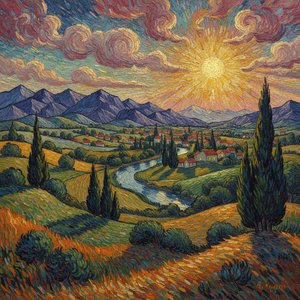
Beyond Impressionism: The Emotional Depth and Vibrant Evolution of Post-Impressionist Landscapes
Explore the profound evolution of Post-Impressionist landscapes. From Van Gogh's emotional brushwork to Cézanne's structural mastery, discover how these visionaries redefined art history through color and form in this expert guide for fine art enthusiasts.
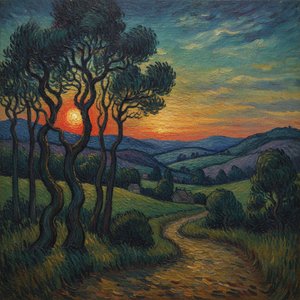
Beyond the Light: Capturing Raw Emotion and Subjective Vision in Post-Impressionist Landscapes
Explore the profound emotional depth of Post-Impressionist landscapes. Discover how masters like Van Gogh moved beyond light to capture raw human feeling through vibrant color and expressive texture in this expert art history retrospective.

Evocations of Place: A Historical Journey Through Landscape Art
Explore the rich history of landscape art with OriginalUniqueArt. Discover renowned artists, movements like Impressionism & Romanticism, and expert guidance for collecting timeless pieces. Find your perfect serene escape today!

Paul Cézannen 25 mestariteosta: Taidetta kotiisi – OriginalUniqueArt.com
Tutustu Paul Cézannen 25 vaikuttavinta mestariteosta! Postimpressionismin huipputeoksia, still life -maalauksia ja ikonisia maisemia. Löydä taiteen tarinat ja inspiroi kotisi sisustusta OriginalUniqueArt.com:ssa. Tutki kokoelma verkossa!
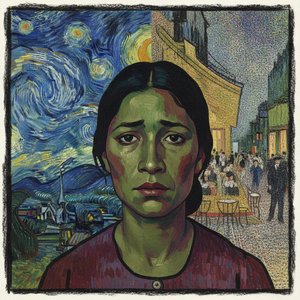
Beyond the Brush: How Post-Impressionism Recharged Modern Art with Bold Color and Raw Emotion
Dive into the high-energy revolution of Post-Impressionism. Discover how masters like Cézanne and Van Gogh traded fleeting light for bold colors and raw emotion, forever recharging modern art with the vibrant, structural intensity that defines today's most iconic visual aesthetics.
