

 Katso seinällä
 Lähetä
 Jaa
Jaa
 Tarkemmat tiedot
 Opas
Opas

 Lataa kuva
 Samanlaisia kohteita
 Röntgenkuvaus
 Diaesitys
 Tilastot
David (detail)


 Lue lisää
Giclée- ja taideprintit
Museolaatuisia giclée- tai kankaitaulun tulosteita nopealla tuotannolla ja joustavilla viimeistelyvaihtoehdoilla. ( Tilaa käsinmaalattu jäljennös Siirry digitaaliseen kuvaan)




P118B €10

P118H €10

P118W €10

P438Z €10

P508JH €12

P508YH €12

P805H €10

P805Z €10

P919BZ €10

P919G €10

P919XJ €10

P959ZH €10

P968JZ €12

W106C €8

W218G €10

W218JH €8

W218Y €10

W307PJ €10

W316G €10

W316PJ €8

W316Y €10

W398PJ €8

W4111J €10

W500HY €15

W500JH €15

W692G €12

W849H €8

W940BG €15

W953PJ €8




Valitse valmiista mitoistamme sellaiset, jotka vastaavat teoksen alkuperäisiä mittasuhteita.

Kirjoita tarvitsemasi leveys ja korkeus, jotta tuloste sopii kehyskokoon tai seinällesi. Tulostetta voidaan vain leikata, sitä ei voi koskaan tehdä suuremmaksi kuin alkuperäinen kuva, joten eri muotoinen koko aiheuttaa osan kuvasta katoamisen. Lähetämme sinulle digitaalisen mallikuvan hyväksyttäväksi ennen kuin aloitamme tulostuksen. Tällä sivulla näkyvä kuva ei näytä lopullista leikkausta — vain mallikuva näyttää sen.
Maailmanlaajuinen toimitus () 2 viikossa tavallisen 4–5 viikon sijaan. (22 lokakuu)

Ilmainen pikatoimitus ympäri maailman

Korkealaatuinen pellavakangas

Kattava kuljetusvakuutus

Tulliveron palautustakuu

Takuu täydellisestä värien vastaavuudesta

100 päivän palautusoikeus valmistusvirhetapauksissa

100% rahat takaisin -takuu

Määräalennus saatavilla
 Lasivaihtoehto on saatavilla vain alle 110 cm kokoisille teoksille

David (detail)
Giclée- ja taideprintit
Replikaatin koko
-


Kokonaishinta
€ 70
The Genesis of a Hero: Bernini’s David
Gian Lorenzo Bernini's 1623 sculpture, “David,” residing within the opulent Galleria Borghese in Rome, isn’t merely a depiction of the biblical hero; it’s a visceral embodiment of youthful defiance and impending triumph. Commissioned by Cardinal Scipione Borghese, a fervent admirer of classical antiquity, this masterpiece transcends simple narrative illustration, becoming a profound meditation on courage, vulnerability, and the very essence of human potential. Bernini, already establishing himself as the leading sculptor of his age, seized upon the story of David and Goliath not just to recreate a biblical scene but to capture an intensely personal moment – the decisive seconds before action, pregnant with anticipation.

A Masterclass in Marble: Technique and Innovation
Bernini’s genius lies not just in his subject matter but in the revolutionary techniques he employed to render it. Carved from a single block of Carrara marble, “David” exemplifies Bernini's mastery of *subdolitas*, a term describing a delicate, almost hesitant grace that was highly prized during the Baroque period. The surface is astonishingly smooth, achieved through an intricate process of grinding and polishing – a testament to Bernini’s relentless dedication and his understanding of marble’s inherent qualities. Notice how he captures the subtle texture of David's hair, the delicate veins in his hands, and the tautness of his muscles. Crucially, Bernini didn’t simply sculpt a static figure; he imbued it with dynamic movement. The slight tilt of his head, the furrowed brow, and the outstretched hand all suggest an internal struggle – a moment of intense concentration before unleashing a decisive blow. This sense of kinetic energy was groundbreaking for its time, moving away from the more rigid poses favored in earlier Renaissance sculpture.
- Subdolitas: Bernini’s signature style emphasizing delicate grace and movement.
- Carrara Marble: The finest white marble sourced from Italy, prized for its purity and workability.
- Dynamic Composition: Bernini captures a fleeting moment of intense anticipation, conveying the hero's inner turmoil.
Symbolism and Context: A Renaissance Vision
“David” is deeply rooted in the classical ideals of heroism and civic virtue that were prevalent during the Renaissance. The story of David slaying Goliath served as a potent metaphor for the triumph of the underdog, the defense of justice against tyranny, and the importance of courage in the face of overwhelming odds. Bernini cleverly incorporates these themes into his sculpture. David’s youthful appearance symbolizes innocence and potential, while the giant Goliath represents established power and corruption. The sling, held loosely in David's hand, is not a weapon of brute force but a symbol of faith and strategic intelligence – highlighting the importance of wit over strength. Furthermore, the setting within the Borghese Gallery itself—a lavishly decorated villa reflecting the wealth and influence of Cardinal Borghese—underscores the sculpture’s role as a display of power and patronage.
Emotional Resonance: A Timeless Appeal
Despite being created over four centuries ago, “David” continues to resonate deeply with viewers. Bernini masterfully captures not just the physical likeness of the biblical hero but also his emotional state – a potent blend of determination, vulnerability, and quiet confidence. The sculpture invites us to contemplate our own struggles against adversity, reminding us that even in moments of uncertainty, courage and faith can prevail. It’s a testament to Bernini's ability to transform a historical narrative into a profoundly human experience, securing his place as one of the greatest sculptors of all time. The reproduction captures this essence beautifully, offering a window into the heart of Baroque artistry.
Kysymykset ja vastaukset
Mitä tunnetta Gian Lorenzo Bernini:n "David (detail)" välittää?
Teoksen Gian Lorenzo Bernini:n "David (detail)" tunnelma on Calm, ja sen emotionaalinen sävy on Reflective.
Mikä tila sopii yhteen teoksen Gian Lorenzo Bernini:n "David (detail)" värien kanssa?
Gian Lorenzo Bernini:n "David (detail)" -teoksen Earthy värit soveltuvat erinomaisesti sen suositeltuun tilaan: Living Room.
Mikä on teoksen Gian Lorenzo Bernini:n "David (detail)" valmistumisvuosi?
Gian Lorenzo Bernini:n "David (detail)" on luotu vuonna 1623.
Taiteilijan elämäkerta
A Roman Genius: The Life and Legacy of Gian Lorenzo Bernini
Gian Lorenzo Bernini’s name is inextricably linked to the heart of Rome, a city he profoundly shaped through his extraordinary talent as a sculptor, architect, and artist. Born in Naples in 1598, he arrived in the Eternal City as a young boy, inheriting not only his father Pietro’s sculpting skills but also a deep reverence for the classical heritage that permeated Roman life. From these early influences blossomed an artistic vision unlike any seen before – one characterized by intense emotion, dramatic movement, and a masterful command of marble that would forever redefine Baroque art. Bernini wasn't merely a craftsman; he was a true *uomo universale*, a Renaissance man who seamlessly blended disciplines to create experiences that captivated the senses and stirred the soul.Sculpting Emotion: The Birth of Baroque Drama
Bernini’s genius lay in his ability to imbue stone with life, transforming inert marble into expressions of profound psychological depth. He rejected the static beauty favored by the Renaissance, embracing instead a dynamic, theatrical style that became the hallmark of the Baroque period. His sculptures weren't simply representations of figures; they were moments captured in time – frozen expressions of intense emotion, dramatic narratives, and spiritual ecstasy. Consider *The Ecstasy of Saint Teresa*, housed within the Cornaro Chapel. The swirling composition, with its luminous marble clouds and the saint’s rapturous expression, is a testament to Bernini's skill in conveying not just physical form but also the very essence of a mystical experience. Similarly, *Apollo and Daphne* captures the fleeting moment before Daphne transforms into a laurel tree, showcasing Bernini’s mastery of texture – the flowing hair, the delicate skin, the rustling leaves – all rendered with breathtaking realism. This wasn't simply sculpting; it was breathing life into stone, inviting viewers to become participants in the drama unfolding before their eyes.Beyond Sculpture: Architecture and Urban Visions
Bernini’s artistic ambition extended far beyond the confines of sculpture. He possessed a remarkable versatility as an architect and urban planner, fundamentally reshaping the cityscape of Rome. His designs weren't conceived in isolation but were always integrated with his sculptural work, creating unified artistic experiences that blurred the boundaries between disciplines. The monumental Baldacchino above the high altar of St. Peter’s Basilica stands as the most striking example of this holistic approach – a soaring bronze canopy that dominates the space and draws the eye upwards in awe. Bernini also played a pivotal role in redesigning several Roman piazzas, transforming them into vibrant public spaces filled with fountains, statues, and architectural grandeur. The *Fountain of the Four Rivers* in Piazza Navona is particularly noteworthy, its allegorical figures representing major rivers from different continents – a testament to Bernini’s ability to create dynamic and engaging urban environments that celebrated both Roman power and global connection.A Lasting Influence: Bernini’s Historical Significance
Gian Lorenzo Bernini's impact on Western art is immeasurable. His innovative approach to sculpture established the Baroque style as a dominant force in European art for over a century, influencing generations of artists with his dramatic compositions and technical virtuosity. He wasn’t merely an imitator of classical forms; he synthesized them with a new sense of dynamism and emotional intensity, creating something entirely original. His integration of sculpture, architecture, and painting into unified artistic experiences set a new standard for artistic expression, demonstrating the power of art to engage all the senses and evoke profound emotions. As Howard Hibbard eloquently noted, “What Shakespeare is to drama, Bernini may be to sculpture: the first pan-European sculptor whose name is instantaneously identifiable with a particular manner and vision, and whose influence was inordinately powerful.” His works continue to inspire awe and admiration, solidifying his place as one of history’s most important artists – a true *uomo universale* whose legacy continues to resonate today.Family & Further Achievements
- Pietro Bernini: Gian Lorenzo’s father, a sculptor who provided early training and guidance.
- Cardinal Scipione Borghese: An early patron whose commissions allowed Bernini to develop his signature style.
- Pope Urban VIII: Bernini's most significant patron, providing extensive opportunities for architectural and sculptural projects in Rome.
- Architectural Projects: Beyond St. Peter’s Basilica, Bernini designed churches like Sant’Andrea al Quirinale and contributed to the design of Palazzo Barberini.
- Theatrical Designs: He was also a playwright and stage designer, creating elaborate sets and machinery for theatrical productions.

Gian Lorenzo Bernini
1598 - 1680 , Italia
Tietoa taiteilijasta
- Artistic Movement Or Style: Barokki
- Artists Or Movements Influenced By This Artist:
- Barokkiskulptur
- Euroopan taide
- Artists Who Influenced This Artist:
- Pietro Bernini
- Michelangelo
- Date Of Birth: 7. joulukuuta 1598
- Date Of Death: 28. marraskuuta 1680
- Full Name: Gian Lorenzo Bernini
- Nationality: Italian
- Notable Artworks:
- Ecstasy Teresa
- Apollo Daphne
- David
- Place Of Birth: Napoli, Italia
Aiheeseen liittyvät artikkelit

The Enduring Form: Sculpture Across History, Technique & Emotional Resonance
Explore the rich history of sculpture with OriginalUniqueArt. Discover key techniques, influential artists & investment potential for discerning collectors. Expert insights into valuing and collecting timeless masterpieces.

10 legendaarista pronssiveistosta, jotka mullistivat taiteen – OriginalUniqueArt.com
Tutustu 10 legendaariseen pronssiveistokseen, jotka ovat muuttaneet taiteen historiaa! Rodinista Michelangeloon – opi mestareiden tarinat ja löydä täydellinen taideteos kotiisi OriginalUniqueArt.com:ssa. Laadukkaat jäljennökset & sisustusideat.

The Enduring Form: Exploring Themes & Techniques in Sculpture Across Historical Periods
Explore the rich history of sculpture from ancient masterpieces to contemporary innovations. Discover key techniques, influential artists & investment potential for discerning art collectors.

The Enduring Allure of Marble in Art History: From Classical Sculpture to Modern Abstraction
Explore the captivating history of marble sculpture from ancient Greece to modern art. Discover renowned artists like Canova & Michelangelo, carving techniques, and investment insights at OriginalUniqueArt.
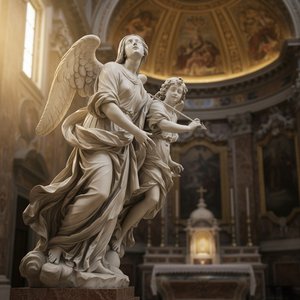
Gian Lorenzo Bernini: Sculpting Baroque Emotion & the Roman Imagination
Explore the life & revolutionary art of Gian Lorenzo Bernini, the master sculptor of the Baroque era. Discover his iconic works like David and Ecstasy of Saint Teresa – a journey into Roman artistic genius.
