

 Katso seinällä
 Lähetä
 Jaa
Jaa
 Tarkemmat tiedot
 Opas
Opas

 Lataa kuva
 Samanlaisia kohteita
 Röntgenkuvaus
 Diaesitys
 Tilastot
The Silver Ewer
 Acrylic On Canvas
- WallArt
- Baroque Still Life
 1663
1663 102.0 x 82.0 cm
 Louvren museo
 Lue lisää
Giclée- ja taideprintit
Museolaatuisia giclée- tai kankaitaulun tulosteita nopealla tuotannolla ja joustavilla viimeistelyvaihtoehdoilla. ( Tilaa käsinmaalattu jäljennös Siirry digitaaliseen kuvaan)




P118B €10

P118H €10

P118W €10

P438Z €10

P508JH €12

P508YH €12

P805H €10

P805Z €10

P919BZ €10

P919G €10

P919XJ €10

P959ZH €10

P968JZ €12

W106C €8

W218G €10

W218JH €8

W218Y €10

W307PJ €10

W316G €10

W316PJ €8

W316Y €10

W398PJ €8

W4111J €10

W500HY €15

W500JH €15

W692G €12

W849H €8

W940BG €15

W953PJ €8




Valitse valmiista mitoistamme sellaiset, jotka vastaavat teoksen alkuperäisiä mittasuhteita.

Kirjoita tarvitsemasi leveys ja korkeus, jotta tuloste sopii kehyskokoon tai seinällesi. Tulostetta voidaan vain leikata, sitä ei voi koskaan tehdä suuremmaksi kuin alkuperäinen kuva, joten eri muotoinen koko aiheuttaa osan kuvasta katoamisen. Lähetämme sinulle digitaalisen mallikuvan hyväksyttäväksi ennen kuin aloitamme tulostuksen. Tällä sivulla näkyvä kuva ei näytä lopullista leikkausta — vain mallikuva näyttää sen.
Maailmanlaajuinen toimitus () 2 viikossa tavallisen 4–5 viikon sijaan. (20 lokakuu)

Ilmainen pikatoimitus ympäri maailman

Korkealaatuinen pellavakangas

Kattava kuljetusvakuutus

Tulliveron palautustakuu

Takuu täydellisestä värien vastaavuudesta

100 päivän palautusoikeus valmistusvirhetapauksissa

100% rahat takaisin -takuu

Määräalennus saatavilla
 Lasivaihtoehto on saatavilla vain alle 110 cm kokoisille teoksille

The Silver Ewer
Giclée- ja taideprintit
Replikaatin koko
-


Kokonaishinta
€ 70
The Silver Ewer: A Masterpiece of Baroque Still Life
“The Silver Ewer,” painted by Gerrit Dou in 1663, stands as a testament to the Dutch Golden Age’s unparalleled artistic achievement. More than just an image of objects—a gleaming silver ewer resting upon a delicately draped white cloth and illuminated by soft candlelight—it embodies the Baroque aesthetic's profound exploration of light, texture, and psychological nuance.
Artist Background & Style: Gerrit Dou (1613-1675), a founding member of Leiden’s Fine Painters Guild, was arguably Rembrandt’s most astute pupil. Unlike Rembrandt’s dramatic chiaroscuro, Dou favored a meticulous approach—the ‘fijnschilder’ style—characterized by painstaking detail and an obsessive pursuit of realism. His canvases aren't merely representations; they are immersive experiences designed to capture the very essence of their subjects.
Composition & Technique: The painting’s central focus is undeniably the silver ewer, expertly rendered with a masterful understanding of reflectivity. Dou skillfully employs chiaroscuro—the dramatic interplay between light and shadow—to sculpt the ewer's surface, creating an illusion of volume that draws the viewer’s eye inwards. Delicate folds in the white cloth contribute to the scene’s depth and elegance, hinting at a luxurious interior setting. The artist’s palette is restrained, prioritizing dark tones against the brilliant silver and white, maximizing visual impact.
Historical Context & Symbolism: Dou's work emerged during a period of intellectual ferment in Amsterdam—the Dutch Golden Age—where scientific inquiry mingled with artistic innovation. Still life paintings like “The Silver Ewer” served as more than mere decorative objects; they functioned as meditations on mortality and beauty, reflecting the Baroque fascination with capturing fleeting moments and conveying profound emotional resonance. The ewer itself could symbolize purity or hospitality, while the candlelight evokes contemplation and spiritual illumination.
Availability & Reproduction: For those captivated by Dou’s artistry, OriginalUniqueArt.com offers exceptional reproductions crafted using traditional techniques—oil paints on canvas—preserving the original artwork's vibrancy and detail. To delve deeper into Gerrit Dou’s life and oeuvre, visit Wikipedia.
Concluding Remarks: “The Silver Ewer” remains a timeless masterpiece—a stunning demonstration of Baroque artistry that continues to inspire admiration for its technical brilliance and emotional depth. Its quiet grandeur invites contemplation, reminding us of the enduring power of art to transcend time and communicate universal truths.
Kysymykset ja vastaukset
Mikä taiteilija ja mikä tyyli ovat takana teoksen "The Silver Ewer"?
Teoksen "The Silver Ewer" takana ovat Gerrit Dou ja Baroque Still Life-suuntaus.
Voinko katsoa teosta "The Silver Ewer" koko näytön diashow'na?
Teoksen Gerrit Dou:n "The Silver Ewer" voi katsella diaesityksenä teoksen Diaesitys -sivulla.
Voinko esikatsella teosta Gerrit Dou:n "The Silver Ewer" ennen tilaamista?
Esikatselu teoksesta Gerrit Dou:n "The Silver Ewer" on saatavilla teoksen Esikatselu -sivulla.
Taiteilijan elämäkerta
tuotteliaan taidemaalarin elämäkerta
gerrit (gérard) dou, hollantilaisen kultakauden maalauksen merkittävä hahmo, syntyi 7. huhtikuuta 1613 Leidenissä, Alankomaissa. Hän kuoli 9. helmikuuta 1675 jättäen jälkeensä vaikuttavan perinnön äärimmäisen viimeisteltyjä maalauksia, jotka lumoavat taiteen ystäviä ympäri maailmaa edelleen.taiteellinen tyyli ja erikoistuminen
gerrit dou'n taiteellista tyyliä leimaa pikkutarkka ja yksityiskohtainen käsittely, joka usein ilmentyy genremaisina kohtauksina sekä trompe l'oeil -tyylisissä "niche"-maalauksissa. Hänen mestarillinen kykynsä hallita chiaroscuro-tekniikkaa on erityisen huomionarvoista, mikä näkyy selvästi hänen kynttilänvalon valaisemissa yökohtauksissaan. Tämä ainutlaatuinen taitojen yhdistelmä on liittänyt hänet Leidenin fijnschilder-maalareihin.merkittäviä teoksia ja kokoelmia
the astronomer by candlelight on maalaus, joka osoittaa dou'n asiantuntemuksen valon hienovaraisuuden vangitsemisessa, ja se on löydettävissä osoitteesta OriginalUniqueArt.com. Tunnettu taidemuseo Leiden Collection, New York esittelee gerrit dou'n teoksia muiden merkittävien taiteilijoiden rinnalla. Lisätietoja kokoelmasta löydät sivustolta the leiden collection, new york: a comprehensive guide OriginalUniqueArt.com-palvelussa.vaikutus ja perintö
gerrit dou'n vaikutus näkyy hänen oppilaissaan, kuten frans van mieris van van van mieris van van mieris the elder ja gabriël metsu. Hänen teoksensa ovat esillä myös useissa museoissa, kuten Haagissa sijaitsevassa Museum Huis ten Bosch -museossa Alankomaissa, joka kätkee sisäänsä upean kokoelman eurooppalaista taidetta 1500-luvulta 1700-luvulle.- tärkeimmät faktat:
* syntynyt: 7. huhtikuuta 1613, Leiden, Alankomaat
* kuollut: 9. helmikuuta 1675
* merkittäviä teoksia: the astronomer by candlelight, genremalaukset ja kynttilänvalon yökohtaukset
* vaikutus: frans van mieris the elder, gabriel metsu ja muut - suositeltua luettavaa:
* gerrit (gérard) dou OriginalUniqueArt.com-sivustolla
* dutch golden age painting Wikipediassa
johtopäätös
gerrit (gérard) dou'n poikkeukselliset panostukset hollantilaisen kultakauden maalaustaiteeseen ovat jättäneet peruuttamattoman jäljen taidemaailmaan. Hänen lumoavat maalauksensa, jotka tunnetaan monimutkaisista yksityiskohdistaan ja mestarillisesta valon käytöstä, jatkavat inspiroimaan taiteilijoita ja taiteen harrastajia samalla tavalla. Tutustuaksesi lisää hänen teoksiinsa sekä muiden merkittävien taiteilijoiden tuotantoon, vieraile OriginalUniqueArt.com-sivustolla.
Gerrit Dou
1613 - 1675 , Alankomaat
Tietoa taiteilijasta
- Artistic Movement Or Style: Fijnschilder
- Artists Or Movements Influenced By This Artist: ['Leiden Fijnschilders']
- Artists Who Influenced This Artist: ['Rembrandt van Rijn']
- Date Of Birth: 7 huhtikuuta 1613
- Date Of Death: 9 helmikuuta 1675
- Full Name: Gerrit Dou
- Nationality: Alankomaalainen
- Notable Artworks:
- Astronomi kynttilänvalossa
- Nuori tyttö pianolla
- Place Of Birth: Leiden, Alankomaat
Aiheeseen liittyvät artikkelit

Hollantilaisen kultakauden 10 mestariteosta – Taidetta kotiisi OriginalUniqueArt.com
Uppoudu hollantilaisen kultakauden taiteen maailmaan! Tutustu Rembrandtin, Vermeerin ja muiden mestareiden ikonisiin maalauksiin. Löydä inspiraatiota kotiisi OriginalUniqueArt.com:ista – laadukkaat taidevedokset ja sisustustaulut jokaiseen tilaan. Explore the full collection online!
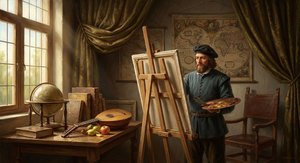
Illuminating Realism: Exploring the Dutch Golden Age of Painting (1600-1700)
Explore the Dutch Golden Age of painting (1600-1700) with OriginalUniqueArt. Discover Rembrandt, Vermeer & other masters. Learn about techniques, history & find museum-quality reproductions.

Golden Light & Dutch Skies: The Timeless Magic of Dutch Golden Age Landscapes
Discover the breathtaking beauty of Dutch Golden Age landscapes. Explore the mastery of light, chiaroscuro, and 17th-century realism through an expert art history lens, celebrating the enduring legacy of the Dutch Masters for discerning collectors and art lovers.
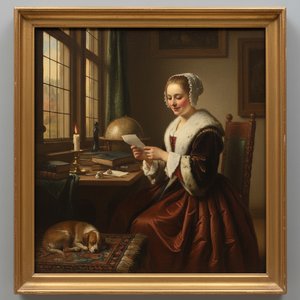
Gerrit Dou: Intimacy & Light in the Dutch Golden Age
Explore the exquisite world of Gerrit Dou, a master of Dutch Golden Age painting. Discover his intimate genre scenes, signature use of light, and lasting legacy. Learn about collecting Dou's works & their value.

Golden Age Reflections: Dutch Baroque Painting & Cultural Innovation
Explore the Dutch Golden Age of painting! Discover key artists like Vermeer & ter Borch, their innovative techniques, and the rich cultural context behind these Baroque masterpieces. Learn about collecting & appreciating this iconic art period.


