Dutch Golden Age · 1632
Heraklith (Gerard Dou, 1632)
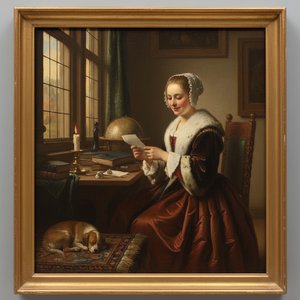
Gerard Dou (1613–1675) on luonut teoksen Heraklith. Se on peräisin vuodelta 1632. Se kuuluu Dutch Golden Age-liikkeeseen. Se on valmistettu materiaalilla Oil On Canvas. Teos sijaitsee Hermitage-museo -museossa paikassa Pietari, Venäjä. Koko on 61 × 51 cm.
- 1632
- Oil On Canvas
- 61 × 51 cm
- Hermitage-museo, Pietari

 Esikatselu

 Käsinmaalattu öljymaalaus
 Jaa teos
 Jaa
 Tiedot-arkki


 Lataa kuva
 Samanlaisia kohteita
 Röntgenkuvaus
 Diaesitys
 Kysymykset ja vastaukset

 Tilastot
Heraklith lyhyesti
- Otsikko
- Heraklith
- Taiteilija
- Gerard Dou (1613–1675)
- Taiteilija syntynyt
- Leiden, Alankomaat
- Päivämäärä
- 1632
- Tekniikka
- Oil On Canvas
- Mitat
- 61 × 51 cm
- Missä teos on nähtävissä
- Hermitage-museo, Pietari, Venäjä
- Tyylisuunta
- Dutch Golden Age
- Aikakausi
- Early Modern
- Aihe
- portrait, scholar, globe, knowledge, wisdom, age
Mitä Heraklith esittää?
Heraklith: A Portrait of Scholarly Reflection
“Heraklith,” painted in 1632 by Gerrit Dou, stands as a testament to the Dutch Golden Age’s fascination with realism and psychological depth. More than just a depiction of an elderly man—likely a scholar or astronomer—it's a carefully constructed tableau designed to convey wisdom, contemplation, and the profound influence of knowledge.
- Subject Matter: The artwork portrays a dignified gentleman seated at a table before him, illuminated by candlelight. His gaze is downward, focused on a globe – a potent symbol representing exploration, scientific inquiry, and an awareness of the vastness of the universe.
- Style & Technique: Dou’s signature ‘fijnschilder’ style—characterized by meticulous detail and masterful chiaroscuro—is evident throughout. The artist employs subtle shading to sculpt the man's face and torso, creating a palpable sense of volume and texture. This technique elevates the portrait beyond mere representation, imbuing it with emotional resonance.
- Composition & Perspective: The oval frame lends an air of formality to the scene, while the shallow perspective draws the viewer’s eye directly to the central figure. Lines delineate facial features and clothing folds, guiding the gaze and reinforcing the composition's balance.
- Color Palette: Dominated by muted browns, creams, and dark reds, the color palette contributes to an atmosphere of solemn dignity. The subdued hues underscore the subject’s intellectual pursuits and evoke a feeling of quiet contemplation.
Exploring Dou’s Mastery of Light & Shadow
Gerrit Dou's unparalleled skill in chiaroscuro—the dramatic interplay between light and shadow—is arguably his most distinctive achievement. As seen prominently in “Heraklith,” this technique isn’t merely decorative; it serves to heighten the emotional impact of the portrait. The candlelight casts a soft glow upon the man’s face, highlighting wrinkles and emphasizing the contours of his features – details that reveal not only physical appearance but also the passage of time and experience.
- Symbolism: Beyond its aesthetic qualities, “Heraklith” carries significant symbolic weight. The globe represents intellectual curiosity and a desire to understand the world around us. It speaks to Dou’s belief in the transformative power of knowledge and invites viewers to consider the profound implications of scientific discovery.
- Historical Context: Painted during the Dutch Golden Age, “Heraklith” reflects the era's burgeoning interest in humanist ideals and its celebration of intellectual achievement. Dou’s work aligns with a broader artistic movement that sought to capture human psychology and emotion with unprecedented accuracy.
A Legacy of Detail & Emotion
"Heraklith" exemplifies Gerrit Dou’s dedication to capturing the essence of his subjects—both physically and psychologically. The artist's meticulous brushwork ensures that every nuance is rendered faithfully, creating a portrait that transcends mere likeness. It’s a piece that invites viewers to pause and contemplate the complexities of human experience, reminding us of the enduring beauty found in quiet reflection and intellectual pursuit.
- Collecting & Inspiration: Reproductions of “Heraklith” offer an opportunity to appreciate Dou's artistic genius and bring a touch of Dutch Golden Age elegance into any interior space. Explore similar artworks at WikiArt.org for further inspiration!
Missä museossa teos Heraklith on?
Hermitage-museo
Pietari, Venäjä
Hermitage-museon juuret ja historia Hermitage-museon tarina sai alkunsa vuonna 1764, kun Berliinistä hankittu 225 maalauksen kokoelma loi pohjan tälle suurelle kulttuuriperinnölle. Johann Ernst Gotzkowskyn keräämät teokset päätyivät Catherine Suuren käsiin, ja keisarinarinnan aloite loi samalla pysyvän jalansijan museolle Pietarin kaupungissa, Venäjällä. Nämä varhaiset hankinnat muodostivat ytimen sille, mitä tulee myöhemmin valtavaksi länsimaisen eurooppalaisen taiteen arkistoksi.


Heraklith korkearesoluutioiset kuvat

Gerard Dou, Heraklith (1632), Hermitage-museo. Tekijänoikeudet vapaat.
Kysymyksiä teoksesta Heraklith, vastaukset
Missä museossa alkuperäinen "Heraklith" on esillä?
Alkuperäinen Gerard Dou:n "Heraklith" on osa Hermitage-museo, Pietari, Venäjä-museon kokoelmaa. Reproduktio mahdollistaa teoksen näyttämisen kotona.
Milloin "Heraklith" on tehty?
Teos Gerard Dou:n "Heraklith" on valmistunut vuonna 1632.
Mitä tekniikkaa Gerard Dou:n "Heraklith" on käytetty?
Gerard Dou käytti teoksessa "Heraklith" Oil On Canvas-tekniikkaa. Tekniikka määrittelee alkuperäisen teoksen materiaalisen luonteen.
Mitkä ovat alkuperäisen Gerard Dou:n "Heraklith" mitat?
Teoksen Gerard Dou:n "Heraklith" mitat ovat 61 x 51 cm. Vedoksia voi tilata muissa koossa säilyttäen samat mittasuhteet.
Mitä Gerard Dou:n "Heraklith" esittää?
Teoksen "Heraklith" aiheina ovat portrait, scholar, globe, knowledge, wisdom, age, reflection, chiaroscuro.
Onko teoksen Gerard Dou:n "Heraklith" kuva vapaasti käytettävissä?
Gerard Dou:n "Heraklith" on vapaasti käytettävissä – tekijänoikeussuoja on päättynyt. Tämä tila määrittää, miten teoksen kuvaa saa käyttää uudelleen.
Kenen teokseksi "Heraklith" on merkitty?
Teos "Heraklith" on yhdistetty Gerard Dou.
Mihin taidesuuntaukseen Gerard Dou:n "Heraklith" kuuluu?
"Heraklith" on Dutch Golden Age-tyylisuuntaan kuuluva teos. Tyylisuunta ilmaisee taiteellisen perinteen, johon teos kuuluu.
Mihin vaiheeseen Gerard Douin kehityksestä "Heraklith" edustaa?
Gerard Dou'n uralla teos "Heraklith" sijoittuu aikakaudelle Mature Period. Tämä vaihe auttaa vertaamaan sitä taiteilijan muihin teoksiin.
Tietoa taiteilijasta, Gerard Dou

1613–1675, Alankomaat
Gerard Dou
Varhaisluonnon, perheen ja koulutuksen vaikutus Gerrit Dou syntyi 7. huhtikuuta 1613 Leidenissä, Alankomaissa. Hän kasvoi kodissa, jossa valo ja lasi olivat keskeisessä roolissa päivittäisessä elämässä, sillä hänen isänsä työskenteli lasimestarina ja lasin kaivertajana. Tämä varhainen altistuminen lasin kautta tapahtuvalle valon herkkä käsittelylle muovasi todennäköisesti hänen kehittyvää silmäänsä.
Tietoa kohteesta Gerard Dou Gerard Doun merkittävimpiä teoksia
Myös Gerard Dou -teoksia
 A Fisherman's Wife1653
 Self-Portrait1640
 An Evening School1655
 Portrait of an old woman reading1635

Esseitä teoksesta Heraklith
 Master of Shadows: The Top 25 Iconic Artworks by Gustave DoréExplore Gustave Doré's legendary engravings and dark Romanticism. Discover all masterpieces on OriginalUniqueArt.com.
 Master of Emotion: The 25 Greatest Artworks by Rogier van der WeydenImmerse yourself in the profound emotion of Rogier van der Weyden. Explore 25 iconic Early Netherlandish masterpieces, from intricate textu…
 Gerrit Dou: Intimacy & Light in the Dutch Golden AgeExplore the exquisite world of Gerrit Dou, a master of Dutch Golden Age painting. Discover his intimate genre scenes, signature use of ligh…