
 Katso seinällä
 Lähetä
 Jaa
Jaa
 Tarkemmat tiedot
 Opas
Opas

 Lataa kuva
 Samanlaisia kohteita
 Röntgenkuvaus
 Diaesitys
 Tilastot
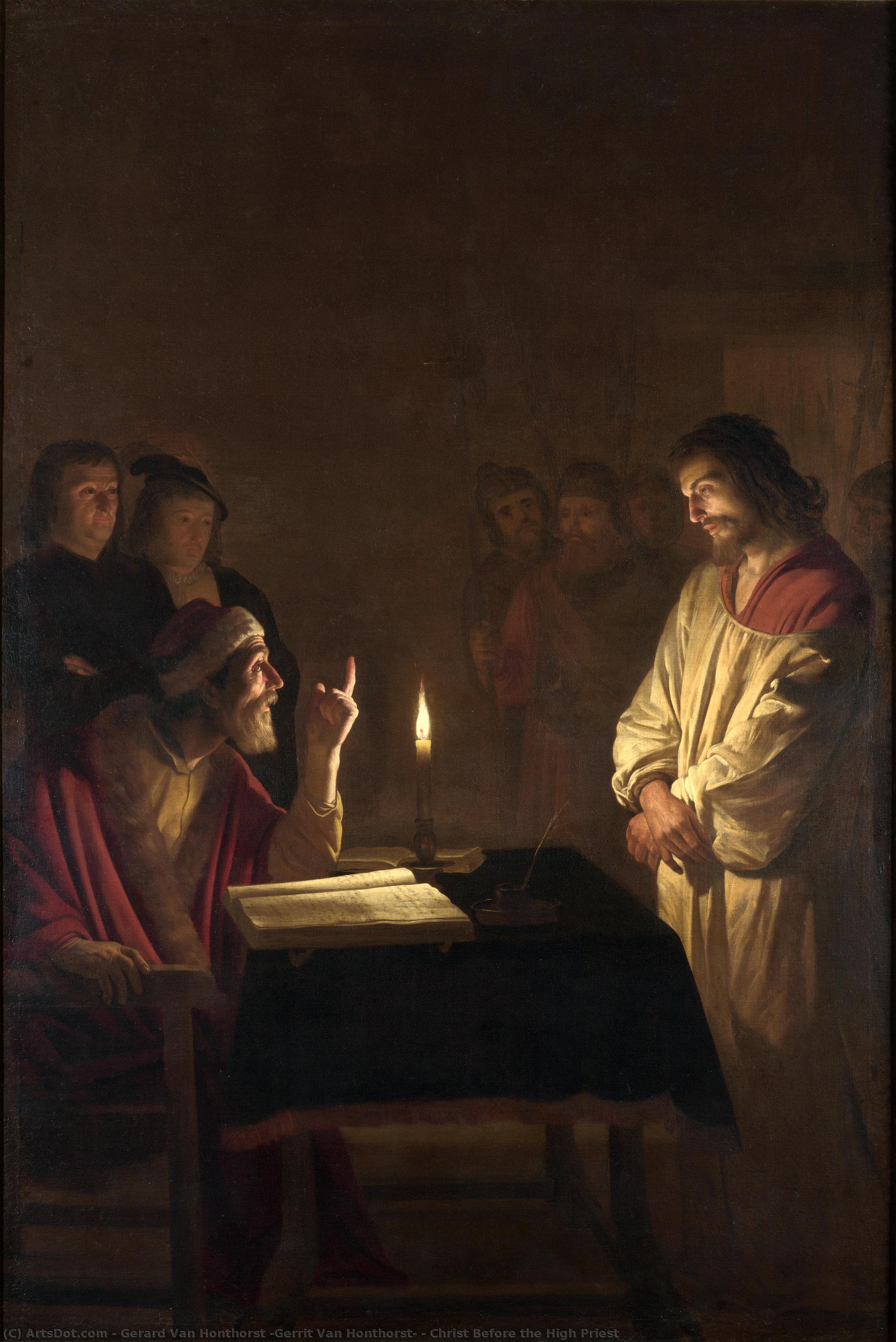
Christ Before the High Priest


 Lue lisää
Käsinmaalattu öljyvärinen jäljennös
Käsinmaalattu öljyväri kankaalle haluamassasi koossa ja kehyksissä, taiteilijoidemme valmistamana tilauksesta. ( Vaihda tulosteeseen Siirry digitaaliseen kuvaan)




P118B €10

P118H €10

P118W €10

P438Z €10

P508JH €12

P508YH €12

P805H €10

P805Z €10

P919BZ €10

P919G €10

P919XJ €10

P959ZH €10

P968JZ €12

W106C €8

W218G €10

W218JH €8

W218Y €10

W307PJ €10

W316G €10

W316PJ €8

W316Y €10

W398PJ €8

W4111J €10

W500HY €15

W500JH €15

W692G €12

W849H €8

W940BG €15

W953PJ €8




Valitse valmiista mitoistamme sellaiset, jotka vastaavat teoksen alkuperäisiä mittasuhteita.

Kirjoita tarvitsemasi leveys ja korkeus, jotta teos sopii kehyskehyksiisi tai seinällesi. Koska kyseessä on käsinmaalattu teos, taiteilija voi maalata hieman enemmän kuvan ympärille tai rajata sitä hieman, jos haluat eri muotoisen koon — valinta on sinun. Lähetämme sinulle digitaalisen mallikuvan hyväksyttäväksi ennen kuin maalaus alkaa. Tällä sivulla näkyvä kuva ei vastaa lopullista tulosta — vain mallikuva näyttää sen.
Tilauksen jälkeen OriginalUniqueArt.com -tiimi lähettää asiakkaalle sähköpostitse ohjeet ja esikatselukuvan.
Maailmanlaajuinen toimitus () 3–4 viikossa tavallisen 5 viikon sijaan. (22 lokakuu). Laadusta ei tingitä.

Ilmainen pikatoimitus ympäri maailman

Korkealaatuinen pellavakangas

Kattava kuljetusvakuutus

Tulliveron palautustakuu

Takuu täydellisestä värien vastaavuudesta

100 päivän palautusoikeus valmistusvirhetapauksissa

100% rahat takaisin -takuu

Määräalennus saatavilla
 Lasivaihtoehto on saatavilla vain alle 110 cm kokoisille teoksille

Christ Before the High Priest
Reproduktiotapa
Replikaatin koko
-


Kokonaishinta
€ 349
A Dramatic Encounter: Gerard van Honthorst’s “Christ Before the High Priest”
Gerard van Honthorst's "Christ Before the High Priest," painted around 1617, is not merely a biblical scene; it’s a masterclass in Baroque drama and an intimate portrayal of spiritual tension. This oil on canvas, now residing within the hallowed halls of London’s National Gallery, immediately commands attention with its masterful use of chiaroscuro – the dramatic interplay of light and shadow that defines the artist's signature style. Honthorst, deeply influenced by the revolutionary techniques of Caravaggio, transports us to a dimly lit chamber, thick with secrecy and foreboding, where the fate of Jesus hangs precariously in the balance.
The composition is strikingly vertical, drawing the viewer’s eye inexorably towards the central figures: Christ and Caiaphas. The single candle flame, strategically positioned between them, acts as a potent symbol – not just illuminating their faces but also highlighting the chasm separating their perspectives. Jesus, rendered in serene composure, appears almost otherworldly amidst the gathering of shadowy witnesses behind him, suggesting an inner strength and acceptance of his impending destiny. Caiaphas, by contrast, is depicted with forceful gestures and a furrowed brow, embodying the resistance to Christ’s claims and the weight of judgment.
The Baroque Masterstroke: Light, Shadow, and Emotional Intensity
Honthorst's technical prowess is immediately evident in the meticulous detail and rich textures of the painting. The brushstrokes are deliberately visible, creating an impasto effect – a raised surface of paint that adds tactile quality to the scene. The use of linear perspective, while somewhat flattened as is typical of Baroque art, effectively guides the eye through the composition, layering figures and details with subtle precision. Notice how the folds of the drapery, rendered with remarkable realism, seem to ripple and flow, adding depth and movement to the otherwise static scene.
The artist’s deep understanding of light is particularly noteworthy. It's not simply illumination; it’s a carefully orchestrated tool for conveying emotion and highlighting key elements. The stark contrast between the brightly lit faces of Christ and Caiaphas, juxtaposed against the enveloping darkness, amplifies their conflict and underscores the gravity of the moment. This dramatic lighting technique, characteristic of Caravaggio and embraced by Honthorst, is what truly elevates this painting beyond a simple historical depiction.
Symbolism and Spiritual Resonance
Beyond its immediate visual impact, “Christ Before the High Priest” is laden with symbolic meaning. The scroll held by Caiaphas represents Jewish law and prophecy – the very framework within which Jesus’s teachings challenged established norms. The candle itself serves as a powerful emblem of truth and enlightenment, casting a fragile light upon the unfolding drama. The gathering of witnesses in the background speaks to the broader community's role in Christ’s trial and the weight of their collective judgment.
Furthermore, the painting resonates with themes of betrayal, judgment, and divine authority – core tenets of Christian theology. It captures a pivotal moment from scripture, offering viewers an intimate glimpse into the events leading up to Jesus’ crucifixion. The overall mood is one of solemnity, suspense, and profound spiritual significance, inviting contemplation on faith, sacrifice, and the nature of truth.
A Timeless Masterpiece: Reproduction Possibilities
OriginalUniqueArt offers meticulously crafted hand-painted reproductions of Gerard van Honthorst’s “Christ Before the High Priest,” allowing you to bring this iconic Baroque masterpiece into your home or office. Our skilled artists faithfully recreate every detail, from the subtle nuances of light and shadow to the rich textures of the paint, ensuring an authentic representation of this extraordinary work. Whether you're a seasoned art collector, an interior designer seeking to add a touch of historical grandeur, or simply an admirer of Baroque artistry, our reproductions provide a beautiful and accessible way to experience the enduring power of Honthorst’s dramatic vision.
Kysymykset ja vastaukset
Mikä on suositeltu tulostuskoko teokselle Gerard van Honthorst:n "Christ Before the High Priest"?
Gerard van Honthorst:n "Christ Before the High Priest"-teokselle suositellaan Large kokoista jäljennöstä. Kokoa voidaan muuttaa säilyttäen alkuperäiset kuvasuhteet.
Miten teoksen Gerard van Honthorst:n "Christ Before the High Priest" tunnelma on kuvattu?
Teoksen Gerard van Honthorst:n "Christ Before the High Priest" tunnelmaa kuvataan olevan Dramatic. Tämä luokittelu voi auttaa löytämään teokselle sopivan ympäristön.
Mihin tilaan Gerard van Honthorst:n "Christ Before the High Priest" suositellaan?
Gerard van Honthorst:n "Christ Before the High Priest" on suositeltava Living Room-tilaan. Tämä suositus perustuu teoksen aiheeseen, väreihin ja tunnelmaan.
Taiteilijan elämäkerta
A Master of Light and Shadow: The Life and Art of Gerard van Honthorst
Gerard van Honthorst, syntynyt Utrechtissa vuonna 1590 ja kuollut 1656, oli hollantilainen taidemaalari, joka nousi merkittäväksi hahmona Hollannin kultaisella aikakaudella. Hänen työnsä on tunnettu dramaattisesta valon ja varjon leikistä, jota hän omaksui Italian barokki-ilmaisusta. Alkujaan hänen isänsä, koristeellisen maalin tekijä, opetti nuorelle Gerardille perusteita taiteen tekniikoista, mutta todellinen läpimurto tapahtui Rooman matkalla, jossa hän kohtasi Caravaggion työn ja omaksui sen dramaattiset menetelmät. Tämä kokemus muutti hänen työnsä suuntaa, ja hän sai lempinimen "Gherardo delle Notti" (Gerard of the Nights) – nimen, joka kuvastaa hänen kykyään luoda syviä varjoja ja valoisia kohtauksia. Honthorst ei vain kopioinut Caravaggion tyyliä, vaan myös sovelsi sitä oman, hollantilaisen herkkyytensä mukaisesti, keskittyen intiimeihin tilanteisiin, joissa valo tuli ulkoisista lähteistä – kynttilöistä, lamppujen ja tulien loimesta. Tämä valon hallinta ei ollut pelkästään tekninen taito, vaan myös keino paljastaa hahmojen tunteet ja luoda katsojan mukaantulo kohtauksen sisäiseen maailmaan.From Roman Acclaim to Dutch Mastery
Honthorstin Roomaan matka oli merkittävä ajanjakso hänen uransa kannalta. Hän löysi itselleen suosiota kaupungin eliitin keskuudessa, mukaan lukien Vincenzo Giustiniani, jolle hän maalasi tunnetun "Kristuksen esittämisen korkeille papereille" (Christ Before the High Priest) -teoksen. Tämä maalaus, joka sijaitsee nykyään Lontoon National Galleryssa, osoittaa hänen mestarillisuuttaan sekä teknisessä toteutuksessa että kyvyssä välittää syviä psykologisia tunteita hahmoissa. Hän vahvisti asemaansa myös Cosimo II de' Medici:n, Toscanan suurruhtinaan, suosiossa. Honthorst ei ainoastaan omaksunut italialaista barokkityyliä, vaan myös kehitti oman, hollantilaisen tulkintansa, joka korosti intiimejä kohtauksia ja valon dramaattista käyttöä. Hän oli erityisen taitava luomaan tunnelmaa, jossa valo ja varjo tanssivat yhdessä, mikä teki hänen maalauksistaan sekä realistisia että teatraalisia.The Utrecht Caravaggisti Movement
Honthorst oli keskeinen hahmo *Utrecht Caravaggisti* -liikkeessä, joka koostui useista hollantilaisista taidemaalareista, jotka olivat vaikuttuneita Caravaggion tyylistä ja tekniikoista. Ympärillään olivat Hendrick ter Brugghen ja Dirck van Baburen, ja he kaikki yhdistivät italialaisen barokin dramaattisuuden oman hollantilaisen herkkyytensä kanssa. Honthorst oli erityisen taitava luomaan genrekohtauksia, joissa valo tuli ulkoisista lähteistä, ja hän omaksui Caravaggion tunnetun tekniikan, jossa varjoja käytetään dramaattisesti korostamaan hahmojen muotoja. Tämä liike edusti merkittävää muutosta hollantilaisessa taiteessa, sillä se toi italialaisen barokin vaikutteet Hollantiin ja loi uudenlaisen tyylin, joka oli sekä dramaattinen että realistinen.Portraiture and Royal Commissions
Honthorst ei rajoittunut pelkästään genrekohtauksiin; hän oli myös erittäin suosittu muotokuvaaja. Hänen kykynsä vangita ihmisten luonnet ja sosiaalinen asema teki hänestä kysytyn henkilön Hollannin varakkaiden kauppiaiden, aatelisten ja jopa kuninkaiden keskuudessa. Hän toimi Utrechten St. Luke -giljan johtajana vuonna 1623, mikä osoittaa hänen kasvavaa vaikutustaan taiteellisessa yhteisössä. Hänen työnsä oli myös merkittävä osa Englannin hoviin liittyvää taidetta, ja hän sai komissioita kuningatar Elizabeth I:ltä sekä Earl of Arundelilta ja Lord Dorchesterilta. Näiden suhteiden ansiosta hän maalasi muotokuvia kuninkaallisista henkilöistä, jotka ovat edelleen arvokkaita taideteoksia brittiläisissä kokoelmissa.Legacy and Artistic Influence
Gerard van Honthorst jätti jälkeensä merkittävän perinnön hollantilaiselle taiteelle. Hänen työnsä inspiroi useita myöhempiä taiteilijoita, ja hänen dramaattinen valon ja varjon käyttönsä sekä psykologisen syvyyden välittäminen teoksissaan ovat edelleen vaikuttavia. Hän oli keskeinen hahmo *Utrecht Caravaggisti* -liikkeessä, joka yhdisti italialaisen barokin vaikutteet hollantilaisen taiteen kanssa. Hänen työnsä on edelleen esillä museoissa ympäri maailmaa ja se muistuttaa meitä valon ja varjon voimasta paljastamaan ihmisen olemuksen. Honthorst kuoli Utrechtissa vuonna 1656, jättäen jälkeensä taiteellisen perinnön, joka jatkaa valaisemaan taiteellista maisemaa ja muistuttaa meitä valon ja varjon voimasta paljastaa ihmisyyden.
Gerard van Honthorst
1590 - 1656 , Alankomaat
Tietoa taiteilijasta
- Artistic Movement Or Style: Barokki, Caravaggismi
- Artists Or Movements Influenced By This Artist: ['Utrecht Caravaggisti']
- Artists Who Influenced This Artist: ['Caravaggio']
- Date Of Birth: 1590
- Date Of Death: 1656
- Full Name: Gerard van Honthorst
- Nationality: Alankomainen
- Notable Artworks:
- Kristus Korkeakirkon edessä
- Jeesuksen riemullinen otanta
- Place Of Birth: Utrecht, Alankomaat
Aiheeseen liittyvät artikkelit
Gerard van Honthorst: Illuminating the Dutch Golden Age with Caravaggism & Courtly Grace
Explore the captivating world of Gerard van Honthorst, a Dutch Golden Age master renowned for his dramatic chiaroscuro & courtly portraits. Discover his life, art, and lasting influence on Baroque painting.

Hollantilaisen barokin mestariteokset: Taidetta ja inspiraatiota kotiin
Uppoudu hollantilaisen barokin maailmaan! Tutustu Rembrandtin, Vermeerin ja muiden mestarien ikonisiin teoksiin. Taidetta, historiaa ja inspiraatiota kotiisi – löydä upeat reproduktiot OriginalUniqueArt.comista.
Baroque Drama: Mastering Chiaroscuro and High-Impact Intensity for Luxury Interiors
Elevate your space with the dramatic intensity of Baroque art. Discover how to use chiaroscuro, deep shadows, and high-impact lighting to transform modern luxury interiors into cinematic masterpieces through expert curation and custom hand-painted reproductions.

Rembrandtin mestariteokset: 25 taideteosta valokuvapainatuksina kotiisi | OriginalUniqueArt
Tutustu Rembrandtin 25 mestariteokseen – valokuvapainatuksina kotiisi! Uppoudu hollantilaisen kultakauden taiteeseen, varjoihin ja valoon. Löydä ikonisia muotokuvia ja historiallisia maalauksia OriginalUniqueArt.comista. Tutustu kokoelma!

Alkuflaamilaisen maalauksen 10 mestariteosta – Taidetta kotiisi OriginalUniqueArtilta
Tutustu alkuflaamilaisen maalauksen 10 mestariteokseen – Jan van Eyckistä Hieronymus Boschiin. Taidetta, historiaa ja inspiraatiota kotiisi OriginalUniqueArtilta. Laadukkaat öljyvärimaalaukset ja sisustusehdotukset odottavat! Tutki kokoelma verkossa.
