
() ·
A painting made for you, by hand
Käsinmaalattu öljyvärinen jäljennös
Käsinmaalattu öljyväri kankaalle haluamassasi koossa ja kehyksissä, taiteilijoidemme valmistamana tilauksesta. ( Vaihda tulosteeseen Siirry digitaaliseen kuvaan)
Keräilykohteen kuvaus
Explore Gerard Loyet’s exquisite 1467 St Lambert Reliquary – a gilded bronze sculpture of a knight & boy. Late medieval style, intricate detail, & symbolic representation of faith & chivalry. A unique piece for art collectors.
Taiteilijan elämäkerta
Discover Gerard Loyet, a 15th-century Dutch goldsmith renowned for the St. Lambert Reliquary. Master of intricate detail & religious iconography, his work embodies late Gothic artistry.
 Lue lisää
from ·
Chapter 1
How large should it be?
Slide to change the size; the picture on the left shows the frame at its real width. The proportions of the original are kept.
Valitse valmiista mitoistamme sellaiset, jotka vastaavat teoksen alkuperäisiä mittasuhteita.

Kirjoita tarvitsemasi leveys ja korkeus, jotta teos sopii kehyksiisi tai seinällesi. Koska kyseessä on käsinmaalattu teos, taiteilija voi maalata hieman enemmän kuvan ympärille tai rajata sitä hieman, jos haluat eri muotoisen koon — valinta on sinun. Lähetämme sinulle digitaalisen mallikuvan hyväksyttäväksi ennen kuin maalaus alkaa. Tällä sivulla näkyvä kuva ei vastaa lopullista tulosta — vain mallikuva näyttää sen.
Chapter 2
How should it arrive?
Choose the edges of the stretched canvas
Choose your frame

White €1

Blurside €1

Extended €1

P118B €10

P118H €10

P118W €10

P438Z €10

P508JH €12

P508YH €12

P805H €10

P805Z €10

P919BZ €10

P919G €10

P919XJ €10

P959ZH €10

P968JZ €12

W106C €8

W218G €10

W218JH €8

W218Y €10

W307PJ €10

W316G €10

W316PJ €8

W316Y €10

W398PJ €8

W4111J €10

W500HY €15

W500JH €15

W692G €12

W849H €8

W940BG €15

W953PJ €8

H24-GOLD €30

H24-SILVER €30

H36-GOLD €45

H36-SILVER €45
Kehystetty
Moulding: . Overall size with the frame: .
Chapter 3
Who paints it, and should anything change?
After order, OriginalUniqueArt.com team will email client for instructions and provide a mockup preview
Maailmanlaajuinen toimitus () 3–4 viikossa tavallisen 5 viikon sijaan. (3 marraskuu). Laadusta ei tingitä.
Chapter 4
The finishing touches
A nameplate, as in a museum?
Kaiverretun pronssilaatan tiedot
This elegant plaque features the artist's name and the title of the artwork, finely engraved for a timeless presentation.
It is made from bronze with a refined, elegant finish. The text is precisely laser-engraved for a sharp and permanent result. Measuring 9x2 cm, the plaque is compact yet easy to read. It's built to be durable and scratch-resistant, offering a professional, museum-quality look. Mounting is simple thanks to the included adhesive backing.
Läpinäkyvän akryylilaatan tiedot
The plaque includes essential engraved details such as the artist's name, the title of the artwork, the date it was created, the type of media used-like oil on canvas or watercolor-a brief description of the piece, and a QR code that links to the complete artwork information.
It is crafted from clear acrylic, offering a sleek, modern appearance. The text is UV-engraved in black to ensure strong visual contrast. With a size of 10x15 cm, it ensures optimal readability. It comes equipped with two metal hooks for secure wall mounting. The plaque is designed to be weather-resistant, making it suitable for various environments, and it includes interactive features that work seamlessly with smartphone scanning.
Mustan akryylilaatan tiedot
This elegant plaque includes engraved information such as the artist's name, the title of the artwork, the date it was created, the type of media used (like oil on canvas or watercolor), a short description of the artwork, and a QR code for quick access to more information.
The plaque itself is made from refined black acrylic with a premium finish. The text is laser-engraved in white for high contrast and readability. Its size is 10x15 cm, designed to be easy to read. It comes with two metal hooks for professional mounting. The design is sleek and fits any interior style. It is also weather-resistant and durable, with built-in digital integration for mobile compatibility.
A protective varnish?
When do you need it?
Chapter 5
Your painting, as you ordered it

St Lambert Reliquary
Reproduktiotekniikka
Replikaatin koko
-

Kokenut huipputaiteilija
Lisää yksityiskohtia, hienostuneisuutta ja enemmän aikaa tuotantoon
-

Reproduktion kehystysvaihtoehdot
-
-
Teoksille tai reproduktioille, joiden mikä tahansa sivu on suurempi kuin 105 cm (noin 41 tuumaa), kehys toimitetaan osina purettuna sarjana. Tämä menetelmä varmistaa turvallisen toimituksen ja ehkäisee vaurioita kuljetuksen aikana.
Vaatii ammattimaista kokoamista – kyseessä ei ole tee-se-itse-tuote.
Sarja on koottava ja kangas kiristettävä kokeneen kehystysammattilaisen toimesta käyttäen puuliimaa (ei sisälly pakkaukseen), kangaspinnetteitä ja puristimia, jotta kehyksen kulmat pysyvät suorina liiman kuivuessa. Virheellinen kokoaminen tai epätasainen kankaan kiristys voi vaurioittaa teosta pysyvästi, eikä tällaiset vauriot ala takuun piiriin.
 Teoksille tai reproduktioille, joiden mikä tahansa sivu on suurempi kuin 105 cm (noin 41 tuumaa), kehys toimitetaan osina purettuna sarjana. Tämä menetelmä varmistaa turvallisen toimituksen ja ehkäisee vaurioita kuljetuksen aikana.
Kaikki massiivipuupalat sisältyvät, tarkasti mittojen mukaan leikattuina.
Kootaan mukana tulevilla ruuveilla sekä kulmaliitoksia varten tarvittavalla puuliimalla, jota ei toimiteta, joten se on hankittava kehystäjältä.
Vaatii ammattilaisvälineitä, jotka eivät sisälly pakkaukseen: kankaan venytyspihdit (kiristin) ja puristimet, joilla pidetään kehyksen puut suorassa liiman kuivuessa.
Tärkeää:
Kulmaliitoksissa tarvitaan puuliimaa, kehyksien osat on pidettävä puristimilla, kunnes liima on täysin kuivunut, ja koottuun kehykseen jännitettävän kankaan kiristämiseen tarvitaan kangaspenssipihti. Mikään näistä ei sisälly pakkaukseen. Suosittelemme varmistamaan kokeneen kehystäjän saatavuuden ennen tämän kokoisen kehyksen tilaamista.

Nimilaatta
-
-

Suojalakkaus
Kiiltävä lakka (syventää värejä, suojaa valolta ja kosteudelta)
-

Mukauta taideteokseni
Esimerkkejä muokattavista asioista: Vaihda kasvot asiakkaan omaan valokuvaan; Lisää lemmikki (esim. vaihda kissa koiraan); Lisää taustalle piilotettu viesti; Muuta taustan maisemaa tai elementtejä.
-

Pikatoimitus
Maailmanlaajuinen toimitus () 3–4 viikossa tavallisen 5 viikon sijaan. (3 marraskuu). Laadusta ei tingitä.
-
Pikatoimitus
Maailmanlaajuinen toimitus () 5 viikon kuluessa. (10 marraskuu).
Sisältyy hintaan
Kokonaishinta
€ 267
Lasivaihtoehto on saatavilla vain alle 110 cm kokoisille teoksille
Included with every order
- Ilmainen pikatoimitus ympäri maailman
- Korkealaatuinen pellavakangas
- Kattava kuljetusvakuutus
- Tulliveron palautustakuu
- Takuu täydellisestä värien vastaavuudesta
- 100 päivän palautusoikeus (vain valmistusvirheet)
- 100% rahat takaisin -takuu
- Määräalennus tarjolla


 Esikatselu
 Jaa teos
 Jaa
Jaa
 Tiedot
 Opas
Opas

 Lataa kuva
 Samanlaisia kohteita
 Röntgenkuvaus
 Diaesitys
 Q&A
Q&A Tilastot
In numbers
- 1467the year it was painted
- 29frames to choose from
- standard sizes, in its own proportions
- 5weeks to paint and deliver it
About the original


Gerard Loyet
1466 - 1503, Netherlands
Quick facts about Gerard Loyet
- Full Name: Gerard Loyet
- Nationality: Dutch
- Date Of Birth: 1466
- Date Of Death: 1503
- Place Of Birth: Netherlands
- Notable Artworks: ['St Lambert Reliquary']
- Artistic Movement Or Style: Late Gothic Art
- Artists Or Movements Influenced By This Artist: ['Caravaggio']
Taiteilijan elämäkerta
Gerard Loyet: A Master of Late Gothic Splendor
Gerard Loyet (c. 1466 – 1503) stands as a beacon of artistic innovation within the waning years of the Burgundian Netherlands and the burgeoning Renaissance, embodying the complex interplay between tradition and experimentation that characterized European art during this transformative period. Born in Ghent, Loyet’s formative years coincided with the decline of Burgundian rule and the gradual ascendancy of humanist ideals – influences that profoundly shaped his artistic vision and cemented his place as one of the most celebrated goldsmiths of his time.- Early Life & Training: Little is known definitively about Loyet’s early life, but he apprenticed under Jan van Eyck in Ghent, arguably the most influential artist of the Burgundian era. This association instilled within him a meticulous attention to detail and an unwavering commitment to realism – qualities that would become hallmarks of his distinctive style.
- The St. Lambert Reliquary: Loyet’s magnum opus—the St. Lambert Reliquary—completed in 1467—represents the pinnacle of late Gothic artistry. Commissioned by Bishop Jean II Briquemont, this monumental bronze sculpture depicts Saint Lambert, the patron saint of Ghent, kneeling before Christ – a poignant depiction of piety and devotion. The intricate craftsmanship involved in its creation is breathtaking: every surface is adorned with painstakingly sculpted foliage, drapery folds, and miniature figures, demonstrating Loyet’s mastery of sculptural technique and his profound understanding of symbolic representation.
Stylistic Innovation & Artistic Influences
Loyet's work distinguishes itself from its contemporaries through a remarkable fusion of Gothic formalism with Renaissance humanist sensibilities. While retaining the characteristic grandeur and stylized drapery of late Gothic sculpture—inherited directly from predecessors like Claus Sluter—Loyet skillfully incorporated elements of perspective and anatomical accuracy, reflecting the burgeoning interest in naturalism that was gaining momentum across Europe. His artistic influences extended beyond his Ghent apprenticeship; he traveled extensively throughout Italy during the 1490s, immersing himself in the humanist ideals championed by artists such as Piero della Francesca and Andrea Mantegna. This exposure undoubtedly fueled his desire to depict human figures with greater realism and psychological depth – a departure from the idealized representations prevalent in earlier Gothic art.Notable Commissions & Artistic Legacy
Loyet’s reputation soared during his lifetime, securing him prestigious commissions from ecclesiastical patrons throughout Flanders and Brabant. He crafted numerous altarpieces and liturgical objects—including candlesticks and chalices—demonstrating his versatility as an artist and cementing his status as a leading figure in the Flemish artistic milieu. Loyet's meticulous attention to detail and profound understanding of symbolism ensured that his creations would endure for centuries, inspiring subsequent generations of sculptors and artisans. His St. Lambert Reliquary remains a testament to the enduring power of art to convey spiritual meaning and aesthetic beauty—a masterpiece that continues to captivate audiences today.Rediscovery & Recognition
Loyet’s work largely faded from view after his death in 1503, overshadowed by the artistic fervor of the Renaissance. However, a revival of interest in Gothic art during the Romantic era prompted renewed scholarly attention to Loyet's oeuvre—particularly following the rediscovery of several sculptures attributed to him in the Musée Baron Gérard in Bayeux. Today, Loyet is recognized as one of the foremost sculptors of his time – an artist who skillfully bridged the gap between tradition and innovation, leaving behind a legacy that continues to inspire admiration and scholarly debate.Aiheeseen liittyvät artikkelit

The Enduring Legacy of Bronze: A Historical & Artistic Exploration for the Collector
Explore the rich history & enduring appeal of bronze sculpture with expert insights for collectors at OriginalUniqueArt. Learn about casting techniques, iconic artists, collecting tips & contemporary interpretations.
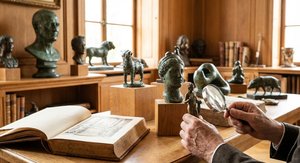
The Enduring Legacy of Bronze Sculpture: A Collector's Guide to Form & Cultural Significance
Explore the rich history & enduring appeal of bronze sculpture with expert insights for collectors at OriginalUniqueArt. Learn about casting techniques, iconic artists, and collecting tips to build a discerning art collection.

The Enduring Legacy of Bronze: History, Technique & Artistic Expression for the Collector
Explore the rich history & enduring appeal of bronze sculpture with expert insights for collectors at OriginalUniqueArt. Learn about casting techniques, iconic artists, and collecting tips.

10 legendaarista pronssiveistosta, jotka mullistivat taiteen – OriginalUniqueArt.com
Tutustu 10 legendaariseen pronssiveistokseen, jotka ovat muokanneet taiteen historiaa! Michelangelo, Rodin ja muut mestarit. Löydä inspiraatiota sisustukseesi ja tutki upeita taideteoksia OriginalUniqueArt.com-sivustolta.