
 Esikatselu
 Jaa teos
 Jaa
Jaa
 Tiedot
 Opas
Opas

 Lataa kuva
 Samanlaisia kohteita
 Röntgenkuvaus
 Diaesitys
 Kysymykset ja vastaukset
 Tilastot
Hää Kanaaniin

- 100.0 x 128.0 cm


 Lue lisää
Giclée- ja taideprintit
Museolaatuisia giclée- tai kankaitaulun tulosteita nopealla tuotannolla ja joustavilla viimeistelyvaihtoehdoilla. ( Osta käsinmaalattu taideteos Siirry digitaaliseen kuvaan)




P118B €10

P118H €10

P118W €10

P438Z €10

P508JH €12

P508YH €12

P805H €10

P805Z €10

P919BZ €10

P919G €10

P919XJ €10

P959ZH €10

P968JZ €12

W106C €8

W218G €10

W218JH €8

W218Y €10

W307PJ €10

W316G €10

W316PJ €8

W316Y €10

W398PJ €8

W4111J €10

W500HY €15

W500JH €15

W692G €12

W849H €8

W940BG €15

W953PJ €8




Valitse valmiista mitoistamme sellaiset, jotka vastaavat teoksen alkuperäisiä mittasuhteita.

Syötä tarvitsemasi leveys ja korkeus, jotta tuloste sopii kehyksiisi tai seinällesi. Tulostetta voidaan vain leikata, sitä ei voida koskaan suurentaa alkuperäistä kuvaa suuremmaksi, joten eri muotoinen koko aiheuttaa osan kuvasta katoamisen. Lähetämme sinulle digitaalisen mallikuvan hyväksyttäväksi ennen kuin aloitamme tulostuksen. Tällä sivulla näkyvä kuva ei näytä lopullista rajausta — vain mallikuva näyttää sen.
Maailmanlaajuinen toimitus () 2 viikossa tavallisen 4–5 viikon sijaan. (11 marraskuu)

Ilmainen pikatoimitus ympäri maailman

Korkealaatuinen pellavakangas

Kattava kuljetusvakuutus

Tulliveron palautustakuu

Takuu täydellisestä värien vastaavuudesta

100 päivän palautusoikeus (vain valmistusvirheet)

100% rahat takaisin -takuu

Määräalennus tarjolla
 Lasivaihtoehto on saatavilla vain alle 110 cm kokoisille teoksille

Hää Kanaaniin
Giclée- ja taideprintit
Replikaatin koko
-


Kokonaishinta
€ 73
Johdanto: Flanderien valon ja mysteerin huuma
Gerard Davidin "Kanalin häät" on enemmän kuin pelkkä maalauksellinen kuvaus; se on aikakauden, uskonnon ja taiteen kohtaaminen. Tämä 1500-luvun puolivälissä luotu panelimainen mestariteos, joka nykyään lepää Louvren galleriassa Pariisissa, vangitsee katsojan huomion syvälliseen yksityiskohtaisuuteen ja hienovaraiseen symboliikkaan. Davidin työ on ikoni Flanderin renessanssin aikana, ja se edustaa valon, värin ja ihmisen kokemuksen mestarillista yhdistelmää. Maalaus ei ole vain historiallinen dokumentti, vaan myös tunteiden ja uskonnon syvä heijastus.
Davidin taiteen erityinen vetovoima piilee hänen kyvyssään luoda elävää ilmapiiriä. Hän onnistuu vangitsemaan sekä juhlan riemua että hiljaisuuden syvyyttä, ja katsoja tuntee itsensä osaksi tapahtumaa. Maalauksen keskeinen elementti on sen valo, joka on pehmeää ja diffuusi, luoden lämpimän ja kutsuvan tunnelman. Davidin taito käyttää varjoja on yhtä merkittävä; ne korostavat muotoja ja syventävät kuvaa.
- Aikakausi: Flanderin renessanssi (noin 1500-1510)
- Paikka: Bruges, Belgia
- Tekniikka: Öljyvärimaalaus puulle
Henkilöt ja symboliikka: Perheet ja uskonnollinen merkitys
Maalauksen ytimessä on häiden tapahtuma, jonka perusteella se perustuu Jeesuksen ihmeeseen Kanassa. David ei ainoastaan kuvaa tätä kertomusta, vaan myös sisällyttää siihen useita henkilöitä, jotka ovat todennäköisesti maalauksen tekijän ja hänen perheensä jäseniä. Nämä hahmot eivät ole vain sivuhahmoja; he ovat keskeisiä osia maalauksen symboliikassa.
Hääparin, Jeesuksen ja vaimonsa, esittäminen keskellä kuvaa korostaa heidän merkitystään. Heidän ympärillä oleva seurue on täynnä yksityiskohtia: nuori mies, joka kaivertaa lintua, naiset, jotka huolehtivat juomasta, ja pappi ikkunassa. Jokainen hahmo edustaa jotain tärkeää – yhteisöllisyyttä, vieraanvaraisuutta, uskonnon merkitystä. Häiden symbolinen merkitys on vahva: ne ovat uuden elämän alkua, toivon ja tulevaisuuden lupaus.
Huomionarvoista on erityisesti morsiamen punainen pukukin, joka on tyypillinen häiden ajalle ja korostaa juhlan riemua. Hänen pitkät hiuksensa ovat myös merkittävä yksityiskohta, sillä naisten oli harvinaista esittää täysin avoimia julkisesti.Davidin tekniikka: Flanderin renessanssin mestariteos
Gerard David oli Flanderin renessanssin merkittävin taiteilija, ja "Kanalin häät" on hänen taitojensa huipentuma. Hän oli tunnettu tarkasta yksityiskohtaisuudesta, hienostuneesta värien käytöstä ja innovatiivisesta maisemointista. Davidin työ edustaa renessanssin parhaita piirteitä: se yhdistää klassisen kauneuden ja uuden ajattelun.
Davidin maalaustekniikka on huomionarvoista. Hän käytti paksua öljykerrosta, joka antaa maalaukselle syvyyttä ja kolmiulotteisuutta. Hänen värien käytönsä on hienovarainen ja harmoninen; hän loi lämpimän ja kutsuvan tunnelman käyttämällä maanläheisiä sävyjä kuten ruskeaa, punaista, vihreää ja kultaa. Davidin taito käyttää valoa ja varjoja luomaan syvyyttä ja realismia on poikkeuksellinen.
Sijoitus ja inspiraatio: Taiteen arvostus ja tulevaisuuden mahdollisuudet
"Kanalin häät" ei ole vain historiallinen mestariteos, vaan myös inspiroiva taideteos. Se on täydellinen valinta sisustukseen, joka tuo tilaan hienostuneen ja elegantin tunnelman. Maalauksen symboliikka ja syvällinen merkitys tekevät siitä arvokkaan lisän mihin tahansa kokoelmaan.
- Sopii: Klassisiin, historiallisesti inspiroituneisiin sisustuksiin
- Koko: 100 x 128 cm
- Paikka: Louvren museo, Pariisi
Tämä upea maalauksellinen kuvaus tarjoaa mahdollisuuden sukeltaa Flanderin renessanssin maailmaan ja ihailla Gerard Davidin taitoa. Se on todiste taiteen voimasta inspiroida, koskettaa ja herättää tunteita.
Kysymykset ja vastaukset
Missä voin nähdä alkuperäisen teoksen Gerard David:n "Hää Kanaaniin"?
Alkuperäinen Gerard David:n "Hää Kanaaniin" on osa Louvren museo, Paris, France-museon kokoelmaa. Reproduktio mahdollistaa teoksen näyttämisen kotona.
Kuka on luonut teoksen "Hää Kanaaniin"?
"Hää Kanaaniin" on Gerard David:n luoma teos. Tällä sivulla olevat tiedot kuvaavat Gerard David:n alkuperäistä työtä.
Onko teos "Hää Kanaaniin" yleisvaikutelmaltaan enemmän vaalea vai tumma?
Teoksen Gerard David:n "Hää Kanaaniin" kirkkaus on syvät varjot ja luminanssi Pehmeä varjo.
Taiteilijan elämäkerta
A Master of Flemish Light: The Enigmatic World of Gerard David
Gerard David, a name that resonates with the brilliance of early Netherlandish painting, remains an artist shrouded in intriguing mystery. Born around 1460 in Oudewater, Netherlands, his life story is pieced together from fragmented archival records and the eloquent testimony of his art. Unlike some contemporaries whose lives are richly documented, David’s personal narrative is sparse, allowing his paintings to speak volumes where biographical details fall silent. What is known suggests a remarkably successful career, likely managing workshops in both Antwerp and Bruges – centers of artistic innovation during the Renaissance. His reputation experienced an ebb in the 17th century, only to be gloriously resurrected by 19th-century art historians who recognized his unique contributions to the Northern Renaissance. He was inducted as a free master into the Corporation of Imagemakers and Saddlers in Bruges in 1484, marking a pivotal moment in his ascent. His later involvement with the Antwerp guild in 1515 further solidifies his standing within the artistic community.Formative Influences and Artistic Development
David’s artistic journey began under influences that shaped the very foundation of his style. Early works reveal a clear debt to painters like Jacob Janszoon, Dieric Bouts, and Geertgen tot Sint Jans – masters who instilled in him a meticulous attention to detail and a sensitivity to religious narrative. It is believed he spent time in Haarlem absorbing these lessons before relocating to Bruges, a vibrant hub of artistic exchange attracting talent from across Europe. Here, David encountered the masterpieces of Jan van Eyck, Rogier van der Weyden, and Hans Memling, absorbing their techniques while forging his own distinct path. He didn’t merely imitate; he synthesized these influences into something uniquely his own – a style characterized by luminous color, serene compositions, and an increasingly sophisticated understanding of landscape. His early paintings demonstrate this evolution, moving from the doll-like figures reminiscent of Haarlem traditions towards more sculptural forms grounded in their environment. Consider *Christ Nailed to the Cross*; it’s not simply a depiction of suffering but a study in human anatomy and emotional expression, reflecting Bouts' influence while retaining David’s own distinctive color palette. This transition is visible in works like *The Marriage of St. Catherine*, where the influence of Bouts’ spatial construction blends with David’s emerging coloristic sensibility.Innovation in Landscape and Religious Narrative
Gerard David’s artistic signature lies in his innovative approach to both landscape and religious subject matter. He wasn't simply depicting backgrounds; he was creating immersive environments that enhanced the emotional resonance of his scenes. His landscapes are not merely decorative, but integral components of the narrative, often imbued with symbolic meaning. This fascination with natural settings – dense forests, rolling hills, expansive skies – set him apart from many of his contemporaries and foreshadowed the development of landscape painting as an independent genre. Consider *View in a Forest*, outer wing of a triptych; it’s not simply a backdrop but a world unto itself, rendered with meticulous detail and atmospheric perspective. Within his religious works, David demonstrated a remarkable ability to convey both profound spirituality and human emotion. Paintings like *The Marriage of St. Catherine* exemplify this skill. The scene is rendered with exquisite detail, yet it's the subtle expressions on the figures’ faces – their piety, contemplation, or gentle joy – that truly captivate the viewer. He possessed a gift for imbuing his sacred subjects with a sense of quiet dignity and relatable humanity. The *Triptych of the Madonna Enthroned and Saints* in Genoa showcases this mastery, presenting a harmonious composition filled with vibrant color and delicate detail. His *Virgin Among the Virgins*, donated to the Carmelite nuns of Sion at Bruges, is another testament to his skill, featuring a self-portrait within the painting itself – a rare and intimate gesture from an artist of his time. This self-portrait, subtly integrated into the scene, speaks volumes about David’s confidence and artistic ambition.Major Achievements and Artistic Style
David's most celebrated works include *The Marriage of St. Catherine*, renowned for its dramatic composition and emotional intensity; *The Adoration of the Magi*, a complex and richly detailed depiction of the biblical event; and *The Virgin Among the Virgins*, a groundbreaking painting that broke with traditional conventions by including a self-portrait within the scene. His style is characterized by several key elements: an exceptional command of color, creating luminous and atmospheric effects; a meticulous attention to detail, evident in his rendering of fabrics, textures, and facial features; and a masterful use of perspective, particularly in his landscapes. He was also one of the first Northern Renaissance painters to incorporate realistic details into his depictions of nature, moving beyond stylized representations towards more naturalistic portrayals. His work reflects a deep understanding of human psychology and emotion, as evidenced by the expressive faces and gestures of his figures. David’s ability to seamlessly blend religious symbolism with psychological realism cemented his place as one of the leading artists of his time.Legacy and Enduring Influence
Though his fame waned for a period after his death in 1523, Gerard David’s influence on subsequent generations of artists is undeniable. His innovative use of color, his masterful handling of light and shadow, and his pioneering approach to landscape all left an indelible mark on the development of Flemish painting. He paved the way for artists who would further explore the expressive potential of natural settings, such as Jacob Patinir and Jacob van Ruisdael.- A Bridge Between Traditions: David successfully bridged the gap between the late medieval tradition and the emerging Renaissance style.
- Influence on Landscape Painting: His detailed and atmospheric landscapes foreshadowed the development of landscape as a distinct genre.
- Masterful Colorist: He was renowned for his vibrant palette and skillful use of color to create emotional impact.
Exploring Further
- OriginalUniqueArt.com: Discover an extensive collection of Gerard David’s paintings, including *The Adoration of the Magi*.
- View in a Forest: Explore this stunning Northern Renaissance landscape painting.
- The Early Netherlandish Art Movement: Delve deeper into the artistic context of David’s work.

Gerard David
1450 - 1523 , Alankomaat
Pähkinänkuoressa
- Artistic Movement Or Style: Varhinen Hollannin taide
- Artists Or Movements Influenced By This Artist:
- Jan van Eyck
- Rogier van der Weyden
- Artists Who Influenced This Artist:
- Jacob Janszoon
- Dieric Bouts
- Geertgen tot Sint Jans
- Date Of Birth: c. 1460
- Date Of Death: 1523
- Full Name: Gerard David
- Nationality: Alankomainen
- Notable Artworks:
- Avioliitto Katriinan kanssa
- Madonäytävä Pyhä Neitsyt
- Metsänäkymä
- Place Of Birth: Oudewater, Alankomaat
Aiheeseen liittyvät artikkelit
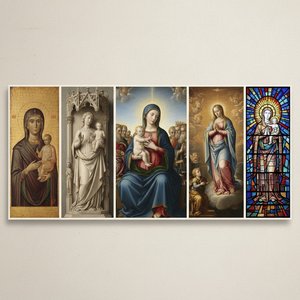
Divine Grace: A Journey Through the Most Iconic Depictions of the Virgin Mary in Art History
Embark on a profound journey through art history with our exploration of the most iconic depictions of the Virgin Mary. Discover the divine grace, symbolism, and masterful techniques found in Renaissance masterpieces and sacred iconography.
Käsinmaalatut taideteokset: Investointi ylellisyyteen ja ajattomaan kauneuteen
Löydä ylellinen käsinmaalattu taide OriginalUniqueArt.comista! Korkealaatuiset öljyvärimaalaukset, räätälöidyt jäljennökset ja asiantuntijoiden konsultointi. Investoi ajattomaan kauneuteen ja luo kotiisi ainutlaatuinen tunnelma.
Museolaatuiset taidevedokset sisustussuunnittelussa: Kuinka huippuluokan suunnittelijat luovat kulttuurista arvostusta ylellisiin tiloihin
Löydä museolaatuiset taidevedokset ylellisiin tiloihin! Asiantuntijamme auttavat valitsemaan täydellisen teoksen, joka korostaa kulttuuriarvoja ja luo ainutlaatuisen tunnelman. Sijoita taiteeseen – sijoita tyyliin.
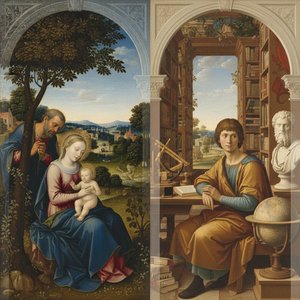
Gerard David: Bridging Late Medieval Tradition with Early Renaissance Humanism
Explore the captivating world of Gerard David, a pivotal figure bridging late medieval artistry with the Early Renaissance. Discover his innovative techniques, religious masterpieces, and enduring legacy – a must-read for discerning art collectors.

25 Masterpieces by El Greco: The Most Iconic Works of the Cretan Legend
Journey through the spiritual intensity of El Greco's greatest works. From Mannerist drama to iconic religious oil paintings, explore 25 timeless masterpieces and find museum-quality reproductions for your decor. Discover all masterpieces on OriginalUniqueArt.com.


