
 Esikatselu
 Jaa
Jaa Jaa
Jaa
 Tarkemmat tiedot

 Lataa
Lataa
 Samanlaisia
 Röntgenkuva
 Diaesitys
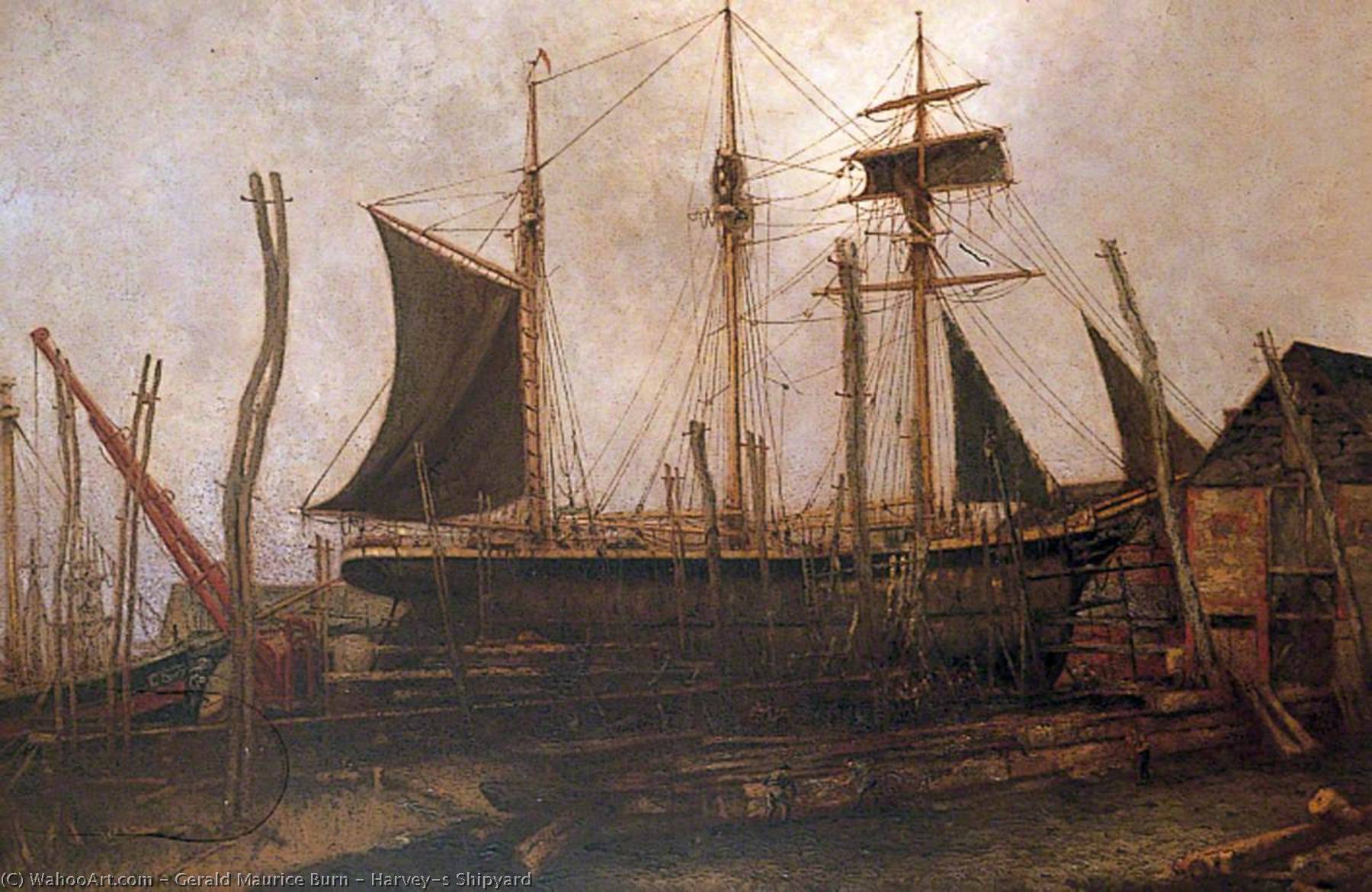
Harvey’s Shipyard
 75.0 x 111.0 cm
 Näytä lisää
Käsinmaalattu öljykopio
Käsinmaalattu öljyväri kankaalle haluamassasi koossa ja kehyksissä, taiteilijoidemme valmistamana tilauksesta. ( Osta printti Osta kuva)




































Valitse valmiista mitoistamme sellaiset, jotka vastaavat teoksen alkuperäisiä mittasuhteita.

Voit syöttää omat mitat sopimaan tiettyyn kehykseen tai tilaan. Jos valitsemasi koko ei vastaa alkuperäisen kuvan mittasuhteita, rajaamme taideteoksen tai jatkamme maalausta käsin maalatuilla elementeillä. Digitaalinen esikatselu lähetetään hyväksyttäväksi ennen tuotannon aloittamista.
Huomioithan, että näytöllä oleva esikatselu ei vastaa todellista rajausta tai jatkamista. Vain digitaalinen mallikuva näyttää lopullisen sommittelun tarkasti.
Vaikka mittatilaustyöt ovat mahdollisia, suosittelemme valitsemaan mitan ennalta määritetystä listasta alkuperäisten mittasuhteiden säilyttämiseksi.
Tilauksen jälkeen OriginalUniqueArt.com -tiimi lähettää asiakkaalle ohjeet ja esikatselukuvan.
Maailmanlaajuinen toimitus () 3–4 viikossa tavallisen 5 viikon sijaan. (25 elokuu). Laadusta ei tingitä.

Ilmainen pikatoimitus ympäri maailman

Korkealaatuinen pellavakangas

Kattava kuljetusvakuutus

Tulliveron palautustakuu

Täydellinen värien vastaavuustakuu

60 päivän palautusoikeus (vain valmistusvirheet)

100% rahat takaisin -takuu

Määräalennus tarjous
 Lasivaihtoehto on saatavilla vain alle 110 cm kokoisina teoksina

Harvey’s Shipyard
Reproduktiotekniikka
Replikaatin koko
-


Kokonaishinta
$ 300
Taiteilijan elämäkerta
Gerald Maurice Burn: A Mariner's Vision of London and Beyond
Gerald Maurice Burn (1862-1945) emerged from humble beginnings as a bricklayer in London, destined for an artistic path profoundly shaped by his formative years at the Rhode Island School of Design and later honed under the mentorship of R.B. Kitaj at the Royal College of Art. His journey wasn’t merely chronological; it was marked by deliberate choices—abandoning stability for creative pursuit, embracing solitude alongside exploration—a pattern that would define his distinctive artistic style and ultimately lead him to establish a home in Santa Fe, New Mexico. Burn's fascination with mathematics – a surprising precursor to his artistic vocation – began early in life. He attended the University of Michigan before embarking on formal training at RISD (Rhode Island School of Design), where he mastered foundational drawing techniques and developed an unwavering attention to detail. This meticulous approach would become a cornerstone of his later work, informing his painstaking renderings of marine subjects and architectural vistas alike. The influence of Maurice Brazil Prendergast, a fellow RISD alumnus known for his luminous watercolor landscapes, is palpable in Burn’s early compositions—a testament to the formative power of artistic fellowship. His pivotal encounter with R.B. Kitaj at RCA (Royal College of Art) irrevocably altered Burn's artistic sensibilities. Kitaj’s guidance instilled in him an appreciation for expressive brushwork and encouraged experimentation with perspective, propelling Burn toward a bolder, more nuanced visual language. This stylistic shift mirrored broader trends within British art during the early 20th century—a move away from academic conventions towards a more emotionally resonant form of representation. Burn's dedication to capturing atmospheric subtleties – as exemplified in his masterful depiction of Stopham Bridge – cemented his reputation as a visionary artist committed to conveying profound emotional depth through visual means. Burn’s relocation to Santa Fe in 1907 represented a decisive step toward realizing his artistic ambitions. Drawn to the expansive landscapes of New Mexico and captivated by the vibrant Native American art scene, he embraced a lifestyle characterized by independence and intellectual curiosity. His style evolved over time—primarily focused on marine paintings portraying iconic ocean liners and harbors alongside architectural renderings imbued with atmospheric subtlety—reflecting a lifelong commitment to artistic exploration. Notable works include “HMS Thunderer,” an etching demonstrating exceptional technical skill and capturing the ship’s imposing presence with remarkable precision, and "Old Waterloo Bridge," London – a watercolor masterpiece conveying the grandeur of Victorian urban life through delicate tonal harmonies. Furthermore, “Falaba” showcases Burn's stylistic fusion—a harmonious blend of realism and impressionism—expressing both grandeur and contemplative reflection. Burn’s legacy extends beyond his individual artworks; he stands as a pivotal figure in British art history – embodying Victorian artistic values emphasizing accuracy and detail – and contributed significantly to the burgeoning Southwestern Art movement, fostering dialogue between European and Native American traditions. To delve deeper into Burn's life and artistic achievements, explore resources such as “The National Trust For Scotland” which houses his paintings—a testament to his enduring contribution to British art—and "Santa Fe artist Maurice Burns 'lived life on his own terms'" published in Santa Fe Magazine. Examining these materials illuminates the multifaceted dimensions of Burn’s creative journey and underscores his lasting impact on the artistic landscape.
Pikatiedot
- Artistic Movement Or Style: Marine Painting
- Artists Or Movements Influenced By This Artist: ['R.B. Kitaj']
- Artists Who Influenced This Artist:
- James FitzMaurice FitzGerald
- Maurice FitzGerald, 1st Earl of Desmond
- Date Of Birth: 1862
- Date Of Death: Living
- Full Name: Gerald Maurice Burn
- Nationality: British
- Notable Artworks:
- HMS Thunderer
- Old Waterloo Bridge
- Place Of Birth: London, UK

