Text size

() ·

A painting made for you, by hand

The Beggars' Brawl

Käsinmaalattu öljyvärinen jäljennös

Käsinmaalattu öljyväri kankaalle haluamassasi koossa ja kehyksissä, taiteilijoidemme valmistamana tilauksesta. ( Vaihda tulosteeseen Siirry digitaaliseen kuvaan)

Keräilykohteen kuvaus

Georges de La Tour's 'The Beggars’ Brawl' (1620) captures a tense scene of urban conflict with dramatic chiaroscuro lighting. Explore this Baroque masterpiece depicting poverty, dispute, and human drama – a captivating work of art.

Taiteilijan elämäkerta

Georges de La Tour: Raskaan valon ja varjon mestari. Tunnettu uskonnollisista maalauksistaan, kodin tunnelmasta ja Caravaggion vaikutuksesta. Inspiroi taiteilijoita vuosisatojen ajan.

from ·

Chapter 1

How large should it be?

Slide to change the size; the picture on the left shows the frame at its real width. The proportions of the original are kept.

Vakiokoko
räätälöity
CM
INCH

Valitse valmiista mitoistamme sellaiset, jotka vastaavat teoksen alkuperäisiä mittasuhteita.

leveys
korkeus

Kirjoita tarvitsemasi leveys ja korkeus, jotta teos sopii kehyksiisi tai seinällesi. Koska kyseessä on käsinmaalattu teos, taiteilija voi maalata hieman enemmän kuvan ympärille tai rajata sitä hieman, jos haluat eri muotoisen koon — valinta on sinun. Lähetämme sinulle digitaalisen mallikuvan hyväksyttäväksi ennen kuin maalaus alkaa. Tällä sivulla näkyvä kuva ei vastaa lopullista tulosta — vain mallikuva näyttää sen.

Chapter 2

How should it arrive?

Choose the edges of the stretched canvas

Choose your frame

Corner sample of the WhiteWrap canvas edge finish, stretched on massiivipuu bars
White €1
Corner sample of the BlurSideWrap canvas edge finish, stretched on massiivipuu bars
Blurside €1
Corner sample of the ExtendedWrap canvas edge finish, stretched on massiivipuu bars
Extended €1
Corner sample of the P118B picture frame: valettu polystyreeni, 5 cm wide and 3 cm thick
P118B €10
Corner sample of the P118H picture frame: valettu polystyreeni, 5 cm wide and 3 cm thick
P118H €10
Corner sample of the P118W picture frame: valettu polystyreeni, 5 cm wide and 3 cm thick
P118W €10
Corner sample of the P438Z picture frame: valettu polystyreeni, 5.5 cm wide and 3.5 cm thick
P438Z €10
Corner sample of the P508JH picture frame: valettu polystyreeni, 7 cm wide and 3.5 cm thick
P508JH €12
Corner sample of the P508YH picture frame: valettu polystyreeni, 7 cm wide and 3.5 cm thick
P508YH €12
Corner sample of the P805H picture frame: valettu polystyreeni, 5 cm wide and 3.5 cm thick
P805H €10
Corner sample of the P805Z picture frame: valettu polystyreeni, 5 cm wide and 3.5 cm thick
P805Z €10
Corner sample of the P919BZ picture frame: valettu polystyreeni, 7 cm wide and 3.5 cm thick
P919BZ €10
Corner sample of the P919G picture frame: valettu polystyreeni, 7 cm wide and 3.5 cm thick
P919G €10
Corner sample of the P919XJ picture frame: valettu polystyreeni, 7 cm wide and 3.5 cm thick
P919XJ €10
Corner sample of the P959ZH picture frame: valettu polystyreeni, 5 cm wide and 3 cm thick
P959ZH €10
Corner sample of the P968JZ picture frame: valettu polystyreeni, 6 cm wide and 4 cm thick
P968JZ €12
Corner sample of the W106C picture frame: massiivipuu, 5 cm wide and 3 cm thick
W106C €8
Corner sample of the W218G picture frame: massiivipuu, 5 cm wide and 3 cm thick
W218G €10
Corner sample of the W218JH picture frame: massiivipuu, 5 cm wide and 3 cm thick
W218JH €8
Corner sample of the W218Y picture frame: massiivipuu, 5 cm wide and 3 cm thick
W218Y €10
Corner sample of the W307PJ picture frame: massiivipuu, 6 cm wide and 3 cm thick
W307PJ €10
Corner sample of the W316G picture frame: massiivipuu, 6 cm wide and 3 cm thick
W316G €10
Corner sample of the W316PJ picture frame: massiivipuu, 6 cm wide and 3 cm thick
W316PJ €8
Corner sample of the W316Y picture frame: massiivipuu, 6 cm wide and 3 cm thick
W316Y €10
Corner sample of the W398PJ picture frame: massiivipuu, 5 cm wide and 3 cm thick
W398PJ €8
Corner sample of the W4111J picture frame: massiivipuu, 6.5 cm wide and 3.5 cm thick
W4111J €10
Corner sample of the W500HY picture frame: massiivipuu, 7 cm wide and 5 cm thick
W500HY €15
Corner sample of the W500JH picture frame: massiivipuu, 7 cm wide and 5 cm thick
W500JH €15
Corner sample of the W692G picture frame: massiivipuu, 8 cm wide and 4 cm thick
W692G €12
Corner sample of the W849H picture frame: massiivipuu, 5 cm wide and 3 cm thick
W849H €8
Corner sample of the W940BG picture frame: massiivipuu, 7.5 cm wide and 4.5 cm thick
W940BG €15
Corner sample of the W953PJ picture frame: massiivipuu, 6 cm wide and 3.5 cm thick
W953PJ €8
Corner sample of the H24-GOLD picture frame: kaiverrettua puuta ja gessoa, 10 cm wide and 6 cm thick
H24-GOLD €30
Corner sample of the H24-SILVER picture frame: kaiverrettua puuta ja gessoa, 10 cm wide and 6 cm thick
H24-SILVER €30
Corner sample of the H36-GOLD picture frame: kaiverrettua puuta ja gessoa, 15 cm wide and 6.5 cm thick
H36-GOLD €45
Corner sample of the H36-SILVER picture frame: kaiverrettua puuta ja gessoa, 15 cm wide and 6.5 cm thick
H36-SILVER €45
Kehyksen esikatselu
Kehystetty

Moulding: . Overall size with the frame: .

Chapter 3

Who paints it, and should anything change?

Examples of what can be changed: Replace face with customer photo; Add pet (e.g., replace cat with dog); Include hidden message in background; Change background landscape or elements.
After order, OriginalUniqueArt.com team will email client for instructions and provide a mockup preview

Maailmanlaajuinen toimitus () 3–4 viikossa tavallisen 5 viikon sijaan. (2 marraskuu). Laadusta ei tingitä.

Chapter 4

The finishing touches

A nameplate, as in a museum?

Kaiverretun pronssilaatan tiedot

This elegant plaque features the artist's name and the title of the artwork, finely engraved for a timeless presentation.

It is made from bronze with a refined, elegant finish. The text is precisely laser-engraved for a sharp and permanent result. Measuring 9x2 cm, the plaque is compact yet easy to read. It's built to be durable and scratch-resistant, offering a professional, museum-quality look. Mounting is simple thanks to the included adhesive backing.

Läpinäkyvän akryylilaatan tiedot

The plaque includes essential engraved details such as the artist's name, the title of the artwork, the date it was created, the type of media used-like oil on canvas or watercolor-a brief description of the piece, and a QR code that links to the complete artwork information.

It is crafted from clear acrylic, offering a sleek, modern appearance. The text is UV-engraved in black to ensure strong visual contrast. With a size of 10x15 cm, it ensures optimal readability. It comes equipped with two metal hooks for secure wall mounting. The plaque is designed to be weather-resistant, making it suitable for various environments, and it includes interactive features that work seamlessly with smartphone scanning.

Mustan akryylilaatan tiedot

This elegant plaque includes engraved information such as the artist's name, the title of the artwork, the date it was created, the type of media used (like oil on canvas or watercolor), a short description of the artwork, and a QR code for quick access to more information.

The plaque itself is made from refined black acrylic with a premium finish. The text is laser-engraved in white for high contrast and readability. Its size is 10x15 cm, designed to be easy to read. It comes with two metal hooks for professional mounting. The design is sleek and fits any interior style. It is also weather-resistant and durable, with built-in digital integration for mobile compatibility.

A protective varnish?

When do you need it?

Chapter 5

Your painting, as you ordered it

The Beggars' Brawl

Reproduktiotekniikka

Replikaatin koko

-

Kokenut huipputaiteilija

Lisää yksityiskohtia, hienostuneisuutta ja enemmän aikaa tuotantoon

-

Reproduktion kehystysvaihtoehdot

-

-

Teoksille tai reproduktioille, joiden mikä tahansa sivu on suurempi kuin 105 cm (noin 41 tuumaa), kehys toimitetaan osina purettuna sarjana. Tämä menetelmä varmistaa turvallisen toimituksen ja ehkäisee vaurioita kuljetuksen aikana.

Vaatii ammattimaista kokoamista – kyseessä ei ole tee-se-itse-tuote.
Sarja on koottava ja kangas kiristettävä kokeneen kehystysammattilaisen toimesta käyttäen puuliimaa (ei sisälly pakkaukseen), kangaspinnetteitä ja puristimia, jotta kehyksen kulmat pysyvät suorina liiman kuivuessa. Virheellinen kokoaminen tai epätasainen kankaan kiristys voi vaurioittaa teosta pysyvästi, eikä tällaiset vauriot ala takuun piiriin.

  • Kaikki massiivipuupalat sisältyvät, tarkasti mittojen mukaan leikattuina.

  • Kootaan mukana tulevilla ruuveilla sekä kulmaliitoksia varten tarvittavalla puuliimalla, jota ei toimiteta, joten se on hankittava kehystäjältä.

  • Vaatii ammattilaisvälineitä, jotka eivät sisälly pakkaukseen: kankaan venytyspihdit (kiristin) ja puristimet, joilla pidetään kehyksen puut suorassa liiman kuivuessa.

Tärkeää:
Kulmaliitoksissa tarvitaan puuliimaa, kehyksien osat on pidettävä puristimilla, kunnes liima on täysin kuivunut, ja koottuun kehykseen jännitettävän kankaan kiristämiseen tarvitaan kangaspenssipihti. Mikään näistä ei sisälly pakkaukseen. Suosittelemme varmistamaan kokeneen kehystäjän saatavuuden ennen tämän kokoisen kehyksen tilaamista.

Nimilaatta

-

-

Suojalakkaus

Kiiltävä lakka (syventää värejä, suojaa valolta ja kosteudelta)

-

Mukauta taideteokseni

Esimerkkejä muokattavista asioista: Vaihda kasvot asiakkaan omaan valokuvaan; Lisää lemmikki (esim. vaihda kissa koiraan); Lisää taustalle piilotettu viesti; Muuta taustan maisemaa tai elementtejä.

-

Pikatoimitus

Maailmanlaajuinen toimitus () 3–4 viikossa tavallisen 5 viikon sijaan. (2 marraskuu). Laadusta ei tingitä.

-

Pikatoimitus

Maailmanlaajuinen toimitus () 5 viikon kuluessa. (9 marraskuu).

Sisältyy hintaan

Kokonaishinta

€ 267

Kokonaishinta € 267

Lasivaihtoehto on saatavilla vain alle 110 cm kokoisille teoksille

Included with every order

  • Ilmainen pikatoimitus ympäri maailman
  • Korkealaatuinen pellavakangas
  • Kattava kuljetusvakuutus
  • Tulliveron palautustakuu
  • Takuu täydellisestä värien vastaavuudesta
  • 100 päivän palautusoikeus (vain valmistusvirheet)
  • 100% rahat takaisin -takuu
  • Määräalennus tarjolla

A Shadowed Tableau: Unveiling Georges de la Tour’s ‘The Beggars’ Brawl’

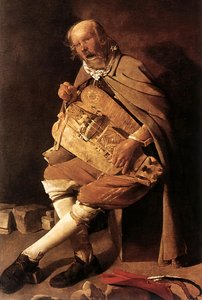
Georges de la Tour’s “The Beggars’ Brawl,” painted in 1620, isn't merely a depiction of a street scene; it’s a meticulously crafted exploration of human nature bathed in the dramatic chiaroscuro that defined his signature style. This intimate canvas, measuring just 33 x 55 cm, transports us to a dimly lit corner of 17th-century Lorraine, a world where poverty and desperation simmer beneath a veneer of uneasy truce. The painting immediately arrests the eye with its masterful use of light – a single, almost theatrical lantern illuminating the central figures while plunging the surrounding space into deep shadow. This technique, characteristic of Tenebrism, isn’t simply an aesthetic choice; it serves to heighten the drama and focus our attention on the intense interaction unfolding before us.

The Beggars' Brawl by Georges de la Tour

A Study in Human Condition: Symbolism and Narrative

At the heart of the scene stands a man, identifiable by his prominent beard and animated gestures, holding what appears to be an object – perhaps a coin or a piece of food – that fuels the dispute. His face is etched with a mixture of anger and desperation, mirroring the expressions of those around him. The other figures—a collection of beggars, their clothing ragged and worn—are caught in a moment of intense confrontation. The bowl on the right side of the painting isn’t just a prop; it suggests a shared hardship, a communal reliance on meager resources. It speaks to a society where survival was often precarious, and even the simplest interactions could escalate into conflict. The inclusion of a drum-beater further emphasizes the chaotic nature of the gathering – a signal for attention, perhaps a call to action or simply a desperate attempt to draw sympathy.

The Master’s Technique: Chiaroscuro and Baroque Realism

Georges de la Tour was a master of light and shadow, meticulously rendering textures and forms with an almost photographic realism. He achieved this through painstaking layering of thin glazes of oil paint, building up the image gradually to create a sense of depth and volume. Notice how he captures the sheen of wet clothing, the roughness of weathered skin, and the subtle folds in the fabric. His use of color is restrained – predominantly browns, ochres, and blacks—further enhancing the dramatic effect. De la Tour’s work represents a departure from the idealized representations common in earlier Renaissance art; instead, he presents a raw and unflinching portrayal of everyday life, capturing not just appearances but also the underlying emotions and tensions of his subjects.

Historical Context: Lorraine in Transition

“The Beggars’ Brawl” was painted during a period of significant social and political upheaval in France. The Duchy of Lorraine, then under French control, experienced a complex interplay of religious fervor, economic hardship, and political instability. De la Tour's work reflects this atmosphere, offering a glimpse into the lives of those marginalized by society – the poor, the dispossessed, and the forgotten. The painting’s setting in Lunévi, a small town within Lorraine, adds to its authenticity, grounding the scene in a specific time and place. It’s important to note that de la Tour's artistic career unfolded largely outside of Paris, allowing him to develop a distinct style influenced by both Northern European traditions (particularly the Dutch Caravaggisti) and the spiritual intensity of his own region.

Bringing ‘The Beggars’ Brawl’ Home: A Reproduction for Your Space

OriginalUniqueArt offers meticulously crafted hand-painted reproductions of “The Beggars’ Brawl,” allowing you to experience the power and beauty of de la Tour's masterpiece in your own home. Our skilled artists replicate every detail, from the subtle nuances of light and shadow to the expressive faces of the figures, ensuring an authentic representation of this iconic work. Available in a range of sizes and mediums – including fine art prints on premium canvas or archival paper – our reproductions provide a stunning addition to any collection. Explore our selection today and bring the drama and emotional depth of “The Beggars’ Brawl” into your space.

Kysymykset ja vastaukset

Mikä on Georges de La Tour:n "The Beggars' Brawl"-teoksen muoto ja mitkä ovat sen mitat?

Teoksen "The Beggars' Brawl" formaatti on Panoramic ja alkuperäinen koko on 33 x 55 cm. Molemmat tiedot ovat hyödyllisiä jäljennöstä suunnitellessa.

Onko "The Beggars' Brawl" tyypillinen esimerkki siitä, mitä Georges de La Tour yleensä loi?

Georges de La Tour:n toistuvia teemoja ovat caravaggio’s dramatic light, religious dispute, social strife, lorraine’s turbulent history”, “darkness, piety, realism”, la tour's signature style”; "The Beggars' Brawl" keskittyy aiheisiin beggars, brawl, conflict, shadow, light, disagreement, poverty, gathering.

Mistä kansallisuudesta "The Beggars' Brawl"-teoksen Tenebrism kumpuaa?

"The Beggars' Brawl" yhdistää Tenebrism-suuntauksen Ranska-maahan teoksen luojan syntymämaan kautta.

More about this painting

Esikatselu Esikatsele AR-tilassa Vaihda tulosteeseen Siirry digitaaliseen kuvaan Jaa teos
Tiedot Opas Lisää suosikkeihin Lataa kuva Samanlaisia kohteita Röntgenkuvaus Diaesitys Q&A Tilastot

In numbers

  • 1620the year it was painted
  • 29frames to choose from
  • standard sizes, in its own proportions
  • 5weeks to paint and deliver it
Georges de La Tour

Georges de La Tour

1593 - 1652, Ranska

Quick facts about Georges de La Tour

  • Artistic Movement Or Style: Barokki, Tenebrismi
  • Artists Or Movements Influenced By This Artist: ['Ranskalainen klassismi']
  • Artists Who Influenced This Artist:
    • Caravaggio
    • Terbrugghen
  • Date Of Birth: 13 marraskuu 1593
  • Date Of Death: 30 tammikuuta 1652
  • Full Name: Georges de La Tour
  • Nationality: Ranskalainen
  • Notable Artworks:
    • Ennustaja
    • Pastorin ihailu
    • Pyhan Pietarin kyynelset
    • Pyhä Joseph
  • Place Of Birth: Vic-sur-Seille, Ranska

Taiteilijan elämäkerta

A Life Bathed in Shadow: The Enigmatic World of Georges de La Tour

Georges de La Tour, nimensä resonoi hiljaisen kunnioituksen sävyllä, on yksi Ranskan barokkauden kiehtovimmista hahmoista. Syntynyt vuonna 1593 Vic-sur-Seilleen, pienen kylän Lorraine’n herttuakunnassa, hänen elämänsä kului uskonnollisen intohimon ja poliittisten turbulenssien keskellä. Varhaisesta koulutuksestaan on jäljellä vain harvoja tietoja – tutkijat spekuloivat mahdollisista matkoista Italiaan tai paikallisten taiteilijoiden, kuten Jacques Bellangen, opetuspaikoista – mutta hänen taiteellisen näkemyksensä siemenet kylvettiin varmasti tässä ympäristössä. Hän ei syntynyt taiteellisesta perheestä; isänsä oli leipuri, mutta äitinsä sukulinjojen olosuhteet vihjaavat mahdollisesti kuninkaalliseen suhteeseen, hienovaraista vaikutusta, joka heijastuu hänen teostensa arvokkuudessa ja hiljaisuudessa. Vuonna 1617 hän avioitui Diane Le Nerf’n kanssa, perustuen vakaat elämäntilat Lunévilleen, jossa hän vietti suuren osan urastaan palvelemalla sekä Ranskan kuninkaallista hovia että Lorraine’n herttuakuntaa. Tämä kaksoispatronointi mahdollisti hänen menestyksensä, mutta se oli juuri kodinomaisissa tilanteissa ja uskonnollisessa pohdiskelussa, että hänen todellinen lahjakkuutensa löysi ilmauksensa.

The Dance of Light and Darkness: Artistic Influences and Development

De La Tour’n taiteellinen matka ei ollut radikaalia innovaatiota, vaan mestarillista olemassa olevien vaikutteiden synteesiä, muunnettuna oman ainutlaatuisen herkkyytensä läpi. Hänen maalauksensa dramaattinen chiaroscuro – kirkkaan valon ja varjon terävä kontrasti – velkaa paljon Caravaggion, italialaisen mestarin, joka mullisti maalaustaidon intensiivisten realististen ja tunteellisesti latautuneiden kohtauskuvilla. Kuitenkin De La Tour ei vain kopioinut; hän suodatti Caravaggesmin vaikutuksen Hollannin Caravaggesistien läpi, erityisesti Utrechtin koulun taiteilijoiden, kuten Hendrick Terbrugghenin, kautta. Tämä yhdistelmä johti tyyliin, joka oli sekä voimakasta että hillittyä, tunnusomaista himmeää väripalettia ja hienovaraisia valon sävyjä. Hänen varhaiset teoksensa, ennen vuotta 1630, ovat eloisampia ja dynaamisempia, heijastaen Utrechtin koulun vaikutusta. Mutta uransa edetessä hän siirtyi yhä syvempään sisäiseen pohdiskeluun ja minimalistiseen estetiikkaan. Hän alkoi supistaa kompositioita, keskittyen olennaisiin muotoihin ja jättäen pois tarpeettomat yksityiskohdat, luoden kohtauksia, jotka tuntuvat sekä ajattomilta että syvästi henkilökohtaisilta. Tämä kehitys ei ollut pelkästään teknistä; se heijasti hänen kasvavaa hengellistä syvyyttään ja hänen pyrkimystään välittääkseen syvällisiä tunteita yksinkertaisimmilla mahdollisilla tavoilla.

Candlelight and Contemplation: Major Works and Recurring Themes

De La Tour’n teosten kulmakivi on varmasti hänen mestarillinen käsittelynsä kynttilänvalosta, jota hän ei käyttänyt pelkästään valonlähteenä vaan myös hengellisen armo ja henkinen heräämisen metaforana. Hänen maalauksensa sijoitetaan usein yöhön, jossa hahmot on valaistu lämpimän, välkkyvän kynttilän tai lyhdyn heijastuksella. Tämä luo intiimin ja hiljaisen tunnelman, kutsuen katsojan osallistumaan kohtauksen tunteelliseen kokemukseen. *The Fortune-Teller*, jonka hän maalasi noin 1630, on tästä varhaisesta tyylistä esimerkki – elävä genrekohtaus, joka on tehty terävällä havainnolla ja dramaattisella valaistuksella. Mutta hänen myöhemmät uskonnolliset teoksensa osoittavat todellisen lahjakkuutensa – hän pystyi antamaan perinteiselle aiheelle syvällistä tunnesidettä. *Shepherds’ Adoration*, jonka hän loi noin 1640, demonstroi hänen kykyään välittääkseen tavallisten ihmisten ja jumalallisen läsnäolon kohtaamisen. Hahmot eivät ole idealisoituja tai sankareita; he ovat tavallisia ihmisiä, jotka ovat nöyrillä Jumalan edessä. *St. Peter’s Tears*, jonka hän maalasi 1650-luvulla, on erityinen esimerkki hänen psykologisesta syvällisyydestään – apostolin suru on kuvattu sydäntäsärkevästi hienovaraisesti ja realistisesti. *Saint Joseph the Carpenter* on toinen ikoninen teos, joka kuvaa rauhallista kotielämää. Nämä maalaukset eivät ole pelkästään uskonnollisia tapahtumia; ne ovat pohdintoja uskosta, epäuskosta ja ihmisluonnosta.

A Rediscovered Legacy: Historical Significance and Enduring Appeal

Vaikka De La Tour tunnustettiin taiteilijana elinaikanaan – hänelle myönnettiin "Kuninkaan maalari" Louis XIII:n toimesta vuonna 1638 – hänen teoksensa jäi melkein unohduksiin kuoleman jälkeen. Satoja vuosia hänen maalauksiaan virheellisesti sijoitettiin muiden taiteilijoiden nimiin, ja hänen nimensä häipyi taidehistorian muistista vasta 20-luvulla, kun tutkijat kuten Hermann Voss palasivat löytämään ja arvioimaan hänen teoksiaan uudelleen. Tämä uudelleentutkimus paljasti taiteilijan, jolla oli poikkeuksellinen alkuperäisyys ja syvyys, jonka työ yhdisti Caravaggesmin ja Ranskan klassismin. De La Tour’n innovatiivinen valon ja varjon käsittely yhdistettynä hänen hahmojensa psykologiseen syvyyteen vangitsee edelleen yleisön huomion tänä päivänä. Hänen maalauksensa tarjoavat näkymän 1600-luvun elämään ja hengellisyydelle, heijastaen sekä uskonnollista intohimoa että sosiaalisia olosuhteita tuon ajan. Hän on edelleen tunnettu kyvystään antaa arkipäiväisille näkymille syvällistä merkitystä ja tunteellista resonanssia, muistuttaen meitä siitä, että pimeimmässäkin ajassa on aina toivoa löydettävissä kynttilänvalon armosta ja ihmisten yhteydestä. Hänen vaikutuksensa näkyy myöhemmissä taiteilijoissa, jotka tutkivat samankaltaisia teemoja sisäänpäin kääntymisestä ja hengellisestä kaipuusta.

Pikaista tietoa

  • Notable elements: Chiaroscuro, drama
  • Artist: Georges de La Tour
  • Movement: Tenebrism
  • Artistic style: Baroque realism
  • Dimensions: 33 x 55 cm
  • Title: The Beggars' Brawl

Taidevisat

Jokaisessa kysymyksessä on vain yksi oikea vastaus.

Kysymys 1:
What is the primary subject depicted in ‘The Beggars’ Brawl’?
Kysymys 2:
Which artistic movement is most closely associated with Georges de la Tour’s style, as evidenced by ‘The Beggars’ Brawl’?
Kysymys 3:
Approximately when was ‘The Beggars’ Brawl’ painted?
Kysymys 4:
What is the likely purpose of the bowl present in the painting’s scene?
Kysymys 5:
The painting’s use of chiaroscuro (strong contrasts between light and dark) is most likely intended to: