Cubist Fauvism
tenora (Georges Braque)
Georges Braque (1882–1963) on luonut teoksen tenora. Se kuuluu Cubist Fauvism-liikkeeseen. Se on valmistettu materiaalilla Mixed Media.
- Mixed Media

 Esikatselu

 Käsinmaalattu öljymaalaus
 Jaa teos
 Jaa
 Tiedot-arkki


 Lataa kuva
 Samanlaisia kohteita
 Röntgenkuvaus
 Diaesitys
 Kysymykset ja vastaukset

 Tilastot
tenora lyhyesti
- Otsikko
- tenora
- Taiteilija
- Georges Braque (1882–1963)
- Taiteilija syntynyt
- Argenteuil, Ranska
- Tekniikka
- Mixed Media
- Tyylisuunta
- Cubist Fauvism
- Aikakausi
- Modern
- Aihe
- painting, paper, frame, texture, composition, abstraction
Mitä tenora esittää?
A Symphony of Texture and Silence
In the quiet realm of Georges Braque’s "Tenora," we encounter a masterpiece that defies the immediate expectations of the eye. At first glance, the composition presents a deceptive simplicity, a monochrome meditation that seems to strip away the distractions of the physical world. Yet, beneath this austere surface lies a profound exploration of texture and presence. The work functions as a tactile landscape, where the absence of vibrant color allows the viewer to focus entirely on the rhythmic dance of light across heavy, sculptural brushstrokes. It is an invitation to slow down, to move past the superficial, and to engage with the very materiality of paint itself. For the discerning collector or interior designer, this piece offers a sophisticated anchor—a work of quiet intensity that commands attention through its subtle complexity rather than through loud, competing hues.
The technique employed in "Tenora" is nothing short of visceral. Braque utilizes a thick impasto, applying layers of pigment so substantial that they create palpable ridges and valleys upon the canvas. This method transforms the painting from a mere two-dimensional image into a three-dimensional object, where shadows are cast by the paint itself. This interplay of light and shadow is further heightened by the artist's mastery of grayscale, creating a range of tones that feel both weighty and ethereal. The surface becomes a topographical map of the artist's creative struggle, capturing the energy of every stroke and the deliberate placement of every layer. Such textural depth makes a high-quality reproduction particularly rewarding, as it allows the play of ambient light in a room to interact with the simulated relief of the brushwork.
The Echoes of Fauvism and the Birth of Modernity
To understand "Tenora," one must look back to the radical shifts occurring in the French avant-garde at the turn of the 20th century. While Braque would later become a titan of Cubism, this work resonates with the lingering spirit of Fauvism. During this era, artists sought to liberate color from its descriptive duties, using it instead as a direct conduit for emotion. In "Tenora," even within a restricted palette, we feel that same expressive rebellion. The painting does not seek to mirror a recognizable object with photographic accuracy; rather, it seeks to capture the essence of a moment. There is a historical weight to this piece, as it sits at the crossroads of tradition and revolution, embodying the transition from the atmospheric preoccupations of Impressionism to the structural, intellectual rigor of the modern age.
The title itself, referencing the tenora—a traditional Catalan woodwind instrument—adds a layer of haunting symbolism. Though the instrument may not be explicitly rendered in a naturalistic fashion, its presence is felt through the rhythmic, melodic quality of the composition. The painting becomes a visual music, where the thick strokes act as notes and the tonal shifts serve as crescendos and decrescendos. This connection to folk tradition and auditory sensation imbues the work with a soulful, human element that balances its intellectual complexity. For those looking to infuse a space with culture and depth, "Tenora" provides more than just decoration; it offers a window into a pivotal moment of human expression, making it an enduring choice for any curated collection.
tenora korkearesoluutioiset kuvat

Protected by copyright: these files are for personal reference, not a licence to republish.
Georges Braque, tenora.
Kysymyksiä teoksesta tenora, vastaukset
Mitä tekniikkaa Georges Braque:n "tenora" on käytetty?
Teoksen Georges Braque:n "tenora" tekniikka on Mixed Media. Vedosten tavoitteena on jäljitellä tämän tekniikan ulkoasua.
Mitä aiheita teoksessa Georges Braque:n "tenora" esiintyy?
Teoksen Georges Braque:n "tenora" teemoihin kuuluvat painting, paper, frame, texture, composition, abstraction, geometric. Yhdessä ne tiivistävät teoksen aiheen.
Onko Georges Braque:n "tenora" vapaasti käytettävissä oleva teos?
Georges Braque:n "tenora" on on edelleen tekijänoikeuden alainen. Tämä tila määrittää, miten teoksen kuvaa saa käyttää uudelleen.
Kenen teokseksi "tenora" on merkitty?
Teoksen "tenora" taiteilija on Georges Braque. Teos on luetteloitu Georges Braque nimellä.
Mihin taidesuuntaukseen Georges Braque:n "tenora" kuuluu?
Georges Braque:n "tenora" kuuluu Cubist Fauvism-suuntaukseen. Tämä tyylisuunta antaa teokselle sen tyylillisen kontekstin.
Mihin vaiheeseen Georges Braquein kehityksestä "tenora" edustaa?
"tenora" edustaa taiteilijan Georges Braque tuotantokautta Mature Period."
Miksi teoksen "tenora" tekijänoikeustila on sellainen kuin se on?
Teoksen "tenora" tekijänoikeustilanne (on edelleen tekijänoikeuden alainen) määräytyy taiteilijan kuolinvuoden 1963 perusteella.
Miten "tenora" asettuu osaksi Georges Braque'n muuta tuotantoa?
Georges Braque'n tuotannossa "tenora" edustaa Cubist Fauvism-tyyliä ja kytkeytyy fauvist expressionism, formal experimentation, analytical cubism, avant-garde tradition, iconic representation teemoihin.
Miten "tenora" sijoittuu Georges Braque'n toistuvien aiheiden joukkoon?
"tenora" esittää aiheita painting, paper, frame, texture, composition, abstraction, geometric, kun taas Georges Braque tunnetaan teemoistaan fauvist expressionism, formal experimentation, analytical cubism, avant-garde tradition, iconic representation. Näiden kahden vertaaminen osoittaa, miten teos liittyy taiteilijan tavallisiin aiheisiin.
Tietoa taiteilijasta, Georges Braque
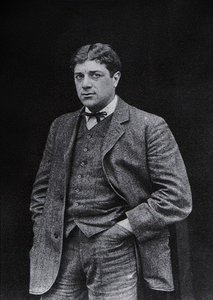
1882–1963, Ranska
Georges Braque
Nuoruus, perhe ja taiteellinen koulutus Georges Braque syntyi vuonna 1882 Argenteuilissa, Ranskassa. Hänen varhaislapsuutensa kietoutui Le Havren kaupunkiin, kotiin, jota määrittivät koristelun ja värin käytännönläheisyys. Kasvaessaan talonmaalareiden ja sisustajien perheessä hän uppoutui ammattinsa aineellisiin todellisuuksiin jo hyvin nuorena. Tämä kasvuympäristö loi teknisen käsityötaidon pohjan, joka muovasi myöhemmin hänen tapaansa kohdata kangas ja taiteellinen ilmeneminen.
Tietoa kohteesta Georges Braque Georges Braquen merkittävimpiä teoksia
Myös Georges Braque -teoksia
 Mandola1910
 Mies kitaralla1914
 Talot L'estaquessa
 Harbour in Normandy1909
Esseitä teoksesta tenora
 Quietude on Canvas: Examining Serenity in Classical LandscapesExplore how masters like Dürer and Corot capture profound stillness through landscape. Discover the art of visual tranquility today.
 Georges Braquen 25 mestariteosta: Taidetta kotiin OriginalUniqueArtiltaTutustu Georges Braquen 25 mestariteokseen ja kubismin lumoihin! Taidehistoriaa, värejä ja inspiraatiota kotiisi. Laadukkaat taulut Origina…
 Georges Braque: The Architect of Form and the Soul of Cubist RevolutionExplore the profound legacy of Georges Braque, a master of Cubism. Discover how his technical craftsmanship and collaboration with Picasso …