() ·

A painting made for you, by hand

My Mother

Käsinmaalattu öljyvärinen jäljennös

Käsinmaalattu öljyväri kankaalle haluamassasi koossa ja kehyksissä, taiteilijoidemme valmistamana tilauksesta. ( Vaihda tulosteeseen Siirry digitaaliseen kuvaan)

Keräilykohteen kuvaus

George Wesley Bellows’ Ashcan School masterpiece captures familial resilience against urban decay—a portrait steeped in Parisian influences and dynamic symmetry. Explore this evocative depiction of his mother and discover the enduring beauty of American realism.

Taiteilijan elämäkerta

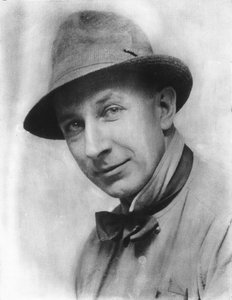
George Bellows (1882-1925) oli amerikkalainen realistinen taiteilija, joka kuvasi New Yorkin vilkasta kaupunkielämää ja nyrkkeilyotteluita. Tunnettu rohkeista brushstrokeistaan ja elävistä kuvaustensa.

from ·

Chapter 1

How large should it be?

Slide to change the size; the picture on the left shows the frame at its real width. The proportions of the original are kept.

Vakiokoko
räätälöity
CM
INCH

Valitse valmiista mitoistamme sellaiset, jotka vastaavat teoksen alkuperäisiä mittasuhteita.

leveys
korkeus

Kirjoita tarvitsemasi leveys ja korkeus, jotta teos sopii kehyksiisi tai seinällesi. Koska kyseessä on käsinmaalattu teos, taiteilija voi maalata hieman enemmän kuvan ympärille tai rajata sitä hieman, jos haluat eri muotoisen koon — valinta on sinun. Lähetämme sinulle digitaalisen mallikuvan hyväksyttäväksi ennen kuin maalaus alkaa. Tällä sivulla näkyvä kuva ei vastaa lopullista tulosta — vain mallikuva näyttää sen.

Chapter 2

How should it arrive?

Choose the edges of the stretched canvas

Choose your frame

Corner sample of the WhiteWrap canvas edge finish, stretched on massiivipuu bars
White €1
Corner sample of the BlurSideWrap canvas edge finish, stretched on massiivipuu bars
Blurside €1
Corner sample of the ExtendedWrap canvas edge finish, stretched on massiivipuu bars
Extended €1
Corner sample of the P118B picture frame: valettu polystyreeni, 5 cm wide and 3 cm thick
P118B €10
Corner sample of the P118H picture frame: valettu polystyreeni, 5 cm wide and 3 cm thick
P118H €10
Corner sample of the P118W picture frame: valettu polystyreeni, 5 cm wide and 3 cm thick
P118W €10
Corner sample of the P438Z picture frame: valettu polystyreeni, 5.5 cm wide and 3.5 cm thick
P438Z €10
Corner sample of the P508JH picture frame: valettu polystyreeni, 7 cm wide and 3.5 cm thick
P508JH €12
Corner sample of the P508YH picture frame: valettu polystyreeni, 7 cm wide and 3.5 cm thick
P508YH €12
Corner sample of the P805H picture frame: valettu polystyreeni, 5 cm wide and 3.5 cm thick
P805H €10
Corner sample of the P805Z picture frame: valettu polystyreeni, 5 cm wide and 3.5 cm thick
P805Z €10
Corner sample of the P919BZ picture frame: valettu polystyreeni, 7 cm wide and 3.5 cm thick
P919BZ €10
Corner sample of the P919G picture frame: valettu polystyreeni, 7 cm wide and 3.5 cm thick
P919G €10
Corner sample of the P919XJ picture frame: valettu polystyreeni, 7 cm wide and 3.5 cm thick
P919XJ €10
Corner sample of the P959ZH picture frame: valettu polystyreeni, 5 cm wide and 3 cm thick
P959ZH €10
Corner sample of the P968JZ picture frame: valettu polystyreeni, 6 cm wide and 4 cm thick
P968JZ €12
Corner sample of the W106C picture frame: massiivipuu, 5 cm wide and 3 cm thick
W106C €8
Corner sample of the W218G picture frame: massiivipuu, 5 cm wide and 3 cm thick
W218G €10
Corner sample of the W218JH picture frame: massiivipuu, 5 cm wide and 3 cm thick
W218JH €8
Corner sample of the W218Y picture frame: massiivipuu, 5 cm wide and 3 cm thick
W218Y €10
Corner sample of the W307PJ picture frame: massiivipuu, 6 cm wide and 3 cm thick
W307PJ €10
Corner sample of the W316G picture frame: massiivipuu, 6 cm wide and 3 cm thick
W316G €10
Corner sample of the W316PJ picture frame: massiivipuu, 6 cm wide and 3 cm thick
W316PJ €8
Corner sample of the W316Y picture frame: massiivipuu, 6 cm wide and 3 cm thick
W316Y €10
Corner sample of the W398PJ picture frame: massiivipuu, 5 cm wide and 3 cm thick
W398PJ €8
Corner sample of the W4111J picture frame: massiivipuu, 6.5 cm wide and 3.5 cm thick
W4111J €10
Corner sample of the W500HY picture frame: massiivipuu, 7 cm wide and 5 cm thick
W500HY €15
Corner sample of the W500JH picture frame: massiivipuu, 7 cm wide and 5 cm thick
W500JH €15
Corner sample of the W692G picture frame: massiivipuu, 8 cm wide and 4 cm thick
W692G €12
Corner sample of the W849H picture frame: massiivipuu, 5 cm wide and 3 cm thick
W849H €8
Corner sample of the W940BG picture frame: massiivipuu, 7.5 cm wide and 4.5 cm thick
W940BG €15
Corner sample of the W953PJ picture frame: massiivipuu, 6 cm wide and 3.5 cm thick
W953PJ €8
Corner sample of the H24-GOLD picture frame: kaiverrettua puuta ja gessoa, 10 cm wide and 6 cm thick
H24-GOLD €30
Corner sample of the H24-SILVER picture frame: kaiverrettua puuta ja gessoa, 10 cm wide and 6 cm thick
H24-SILVER €30
Corner sample of the H36-GOLD picture frame: kaiverrettua puuta ja gessoa, 15 cm wide and 6.5 cm thick
H36-GOLD €45
Corner sample of the H36-SILVER picture frame: kaiverrettua puuta ja gessoa, 15 cm wide and 6.5 cm thick
H36-SILVER €45
Kehyksen esikatselu
Kehystetty

Moulding: . Overall size with the frame: .

Chapter 3

Who paints it, and should anything change?

Examples of what can be changed: Replace face with customer photo; Add pet (e.g., replace cat with dog); Include hidden message in background; Change background landscape or elements.
After order, OriginalUniqueArt.com team will email client for instructions and provide a mockup preview

Maailmanlaajuinen toimitus () 3–4 viikossa tavallisen 5 viikon sijaan. (2 marraskuu). Laadusta ei tingitä.

Chapter 4

The finishing touches

A nameplate, as in a museum?

Kaiverretun pronssilaatan tiedot

This elegant plaque features the artist's name and the title of the artwork, finely engraved for a timeless presentation.

It is made from bronze with a refined, elegant finish. The text is precisely laser-engraved for a sharp and permanent result. Measuring 9x2 cm, the plaque is compact yet easy to read. It's built to be durable and scratch-resistant, offering a professional, museum-quality look. Mounting is simple thanks to the included adhesive backing.

Läpinäkyvän akryylilaatan tiedot

The plaque includes essential engraved details such as the artist's name, the title of the artwork, the date it was created, the type of media used-like oil on canvas or watercolor-a brief description of the piece, and a QR code that links to the complete artwork information.

It is crafted from clear acrylic, offering a sleek, modern appearance. The text is UV-engraved in black to ensure strong visual contrast. With a size of 10x15 cm, it ensures optimal readability. It comes equipped with two metal hooks for secure wall mounting. The plaque is designed to be weather-resistant, making it suitable for various environments, and it includes interactive features that work seamlessly with smartphone scanning.

Mustan akryylilaatan tiedot

This elegant plaque includes engraved information such as the artist's name, the title of the artwork, the date it was created, the type of media used (like oil on canvas or watercolor), a short description of the artwork, and a QR code for quick access to more information.

The plaque itself is made from refined black acrylic with a premium finish. The text is laser-engraved in white for high contrast and readability. Its size is 10x15 cm, designed to be easy to read. It comes with two metal hooks for professional mounting. The design is sleek and fits any interior style. It is also weather-resistant and durable, with built-in digital integration for mobile compatibility.

A protective varnish?

When do you need it?

Chapter 5

Your painting, as you ordered it

My Mother

Reproduktiotekniikka

Replikaatin koko

-

Kokenut huipputaiteilija

Lisää yksityiskohtia, hienostuneisuutta ja enemmän aikaa tuotantoon

-

Reproduktion kehystysvaihtoehdot

-

-

Teoksille tai reproduktioille, joiden mikä tahansa sivu on suurempi kuin 105 cm (noin 41 tuumaa), kehys toimitetaan osina purettuna sarjana. Tämä menetelmä varmistaa turvallisen toimituksen ja ehkäisee vaurioita kuljetuksen aikana.

Vaatii ammattimaista kokoamista – kyseessä ei ole tee-se-itse-tuote.
Sarja on koottava ja kangas kiristettävä kokeneen kehystysammattilaisen toimesta käyttäen puuliimaa (ei sisälly pakkaukseen), kangaspinnetteitä ja puristimia, jotta kehyksen kulmat pysyvät suorina liiman kuivuessa. Virheellinen kokoaminen tai epätasainen kankaan kiristys voi vaurioittaa teosta pysyvästi, eikä tällaiset vauriot ala takuun piiriin.

  • Kaikki massiivipuupalat sisältyvät, tarkasti mittojen mukaan leikattuina.

  • Kootaan mukana tulevilla ruuveilla sekä kulmaliitoksia varten tarvittavalla puuliimalla, jota ei toimiteta, joten se on hankittava kehystäjältä.

  • Vaatii ammattilaisvälineitä, jotka eivät sisälly pakkaukseen: kankaan venytyspihdit (kiristin) ja puristimet, joilla pidetään kehyksen puut suorassa liiman kuivuessa.

Tärkeää:
Kulmaliitoksissa tarvitaan puuliimaa, kehyksien osat on pidettävä puristimilla, kunnes liima on täysin kuivunut, ja koottuun kehykseen jännitettävän kankaan kiristämiseen tarvitaan kangaspenssipihti. Mikään näistä ei sisälly pakkaukseen. Suosittelemme varmistamaan kokeneen kehystäjän saatavuuden ennen tämän kokoisen kehyksen tilaamista.

Nimilaatta

-

-

Suojalakkaus

Kiiltävä lakka (syventää värejä, suojaa valolta ja kosteudelta)

-

Mukauta taideteokseni

Esimerkkejä muokattavista asioista: Vaihda kasvot asiakkaan omaan valokuvaan; Lisää lemmikki (esim. vaihda kissa koiraan); Lisää taustalle piilotettu viesti; Muuta taustan maisemaa tai elementtejä.

-

Pikatoimitus

Maailmanlaajuinen toimitus () 3–4 viikossa tavallisen 5 viikon sijaan. (2 marraskuu). Laadusta ei tingitä.

-

Pikatoimitus

Maailmanlaajuinen toimitus () 5 viikon kuluessa. (9 marraskuu).

Sisältyy hintaan

Kokonaishinta

€ 267

Kokonaishinta € 267

Lasivaihtoehto on saatavilla vain alle 110 cm kokoisille teoksille

Included with every order

  • Ilmainen pikatoimitus ympäri maailman
  • Korkealaatuinen pellavakangas
  • Kattava kuljetusvakuutus
  • Tulliveron palautustakuu
  • Takuu täydellisestä värien vastaavuudesta
  • 100 päivän palautusoikeus (vain valmistusvirheet)
  • 100% rahat takaisin -takuu
  • Määräalennus tarjolla

George Wesley Bellows’ “My Mother”: A Portrait of Resilience Amidst Urban Decay

The painting "My Mother," completed in 1921 by George Wesley Bellows, stands as a poignant testament to the artist's masterful observation of human emotion and his distinctive Ashcan School style. More than just a depiction of an elderly woman seated in a chair—a motif frequently revisited by Bellows—the artwork embodies a profound exploration of familial bonds against the backdrop of America’s rapidly changing cityscape during the early 20th century.

Style and Technique: The Ashcan Aesthetic

Bellows, deeply rooted in the Ashcan School movement, rejected academic conventions favoring gritty realism over idealized beauty. His approach to “My Mother” exemplifies this ethos through a deliberate simplification of form—a technique honed by influences from Jay Hambidge’s theory of dynamic symmetry. The artist meticulously constructed the portrait's composition using proportionate rectangles and triangles, creating an impression of stability amidst apparent disorder. Bold brushstrokes dominate the canvas, conveying texture and capturing the subtle nuances of light and shadow – characteristics typical of Ashcan painters who sought to depict everyday life with unflinching honesty.

Subject Matter: Domestic Tranquility Amidst Urban Flux

The painting portrays Anna Bellows, George Wesley Bellows’ mother, seated in a Victorian parlor chair. This seemingly simple depiction holds profound significance. The artist deliberately chose a setting that reflects the prevailing aesthetic of Parisian artists like Édouard Manet—a deliberate reference to artistic trends of the time. The composition emphasizes stillness and dignity against the backdrop of a bustling city, symbolizing familial warmth and resilience within the context of rapid societal change. Bellows’ masterful use of muted colors and subtle brushstrokes contributes to the painting's contemplative mood, inviting viewers to contemplate themes of motherhood, memory, and quiet strength. The artwork itself is an oil on canvas measuring approximately 49 inches by 76.2 centimeters (124.4 cm). It exemplifies Bellows’ signature Ashcan School style—a movement characterized by gritty realism and unflinching portrayals of urban life. Unlike the idealized landscapes favored by many Impressionists, Bellows focused intently on capturing the textures and nuances of everyday scenes, particularly those inhabited by ordinary people. His technique involved applying paint in thick impasto strokes, creating a palpable sense of physicality and immediacy that distinguishes his work from smoother, more polished styles. Careful observation and meticulous detail were paramount to his artistic process—he spent considerable time studying his subjects before embarking on the painting itself.

George Wesley Bellows: “My Mother” – A Portrait of Resilience

“My Mother,” painted in 1921 by George Wesley Bellows, stands as a cornerstone of American realist art and exemplifies Bellows’s masterful command of technique and his profound understanding of human emotion. Executed on canvas with oil paints, the artwork captures Anna Bellows—Bellows's wife—seated in a Victorian parlor bathed in soft light. This seemingly simple composition belies a complex exploration of motherhood, dignity, and quiet strength – themes that resonate powerfully even today.
  • Style: The painting adheres to the Ashcan School style, characterized by its unflinching depiction of urban life and its rejection of idealized beauty. Unlike Impressionists who sought to capture fleeting moments of light and color, Bellows prioritized capturing the essence of human experience with a focus on realism and psychological depth.
  • Technique: Executed in oil paint on canvas, Bellows employed meticulous brushwork—particularly visible in the rendering of drapery and textures—to convey a palpable sense of materiality. His technique is notable for its deliberate use of geometric forms (rectangles and triangles) informed by Jay Hambidge’s theory of dynamic symmetry, contributing to the painting's visual stability while simultaneously conveying movement.
  • Historical Context: “My Mother,” completed in 1921, stands as a quintessential example of American Modernism during the interwar period. It emerged from the Ashcan School movement, which championed gritty depictions of urban life and challenged prevailing artistic conventions. Influenced by Thomas Eakins’s portraiture style—particularly his masterful use of light and shadow—Bellows sought to capture not merely a likeness but also an essence of human experience.
  • Style & Technique: Bellows employed oil paint on canvas, utilizing a technique characterized by bold brushstrokes and expressive layering. The muted palette – dominated by browns, grays, and ochres – reflects the somber mood conveyed by the composition. Careful attention was paid to anatomical accuracy, mirroring the influence of Thomas Eakins’s meticulous observation of the human form.
  • Symbolism & Emotional Impact: “My Mother,” painted in 1921, transcends a simple portrait; it embodies themes of maternal love, resilience, and quiet dignity. The seated posture of Anna Bellows—her hands folded calmly on her lap—suggests inner strength despite the passage of time. The diffused light illuminating her face evokes tenderness and contemplation, inviting viewers to reflect on familial bonds and enduring beauty.
  • Historical Context: George Wesley Bellows’s oeuvre is firmly rooted in the Ashcan School movement, a group of American artists who championed realism and unflinching depictions of urban life during the early 20th century. Influenced by Impressionism and Symbolism, Bellows sought to capture the gritty realities of New York City—the tenements, the factories, the working-class struggles—without romanticizing them. “My Mother,” painted in 1921, exemplifies this stylistic approach, mirroring the aesthetic sensibilities prevalent at the time.
  • Style and Technique: Bellows’s distinctive style is characterized by bold brushwork, expressive color palettes, and a masterful command of composition—particularly his use of dynamic symmetry. He meticulously studied Jay Hambidge's theories on geometric harmony, applying them to create balanced yet energetic images that capture the essence of human experience. “My Mother” showcases this technique brilliantly; the artist employs thick impasto strokes to convey texture and depth, emphasizing the solidity of the chair and the dignified posture of his mother.
  • Historical Context: The painting emerged during a period of significant artistic experimentation in America—the Ashcan School. Artists like George Wesley Bellows sought to depict urban life with unflinching realism, rejecting idealized representations in favor of portraying gritty realities and social struggles. This movement challenged prevailing aesthetic conventions and championed an honest portrayal of the human condition. “My Mother” reflects this spirit of rebellion against artistic dogma, presenting a portrait that prioritizes psychological insight over decorative embellishment.
  • Symbolism: Beyond its formal composition, "My Mother" carries profound symbolic weight. The seated figure embodies strength, resilience, and maternal devotion—themes central to Victorian values. The muted palette contributes to the painting's contemplative mood, emphasizing introspection and quiet dignity. The careful arrangement of objects—the vase and mirror—suggests a reflection on domestic life and familial bonds.
  • Technique: Bellows employed oil paint on canvas with meticulous attention to detail and tonal gradation. His brushwork is loose yet controlled, conveying both texture and dynamism. He skillfully captured the subtle nuances of light and shadow, creating an illusionistic depth that draws the viewer into the scene. The artist’s masterful use of color—primarily browns, creams, and ochres—reflects the prevailing aesthetic sensibilities of his time.
  • George Wesley Bellows: A Portrait of Quiet Strength

    The painting “My Mother” by George Wesley Bellows stands as a poignant testament to familial devotion and understated beauty within the broader context of American Modernism. Executed in 1921, this piece exemplifies Bellows’s signature Ashcan School style—a movement characterized by gritty realism and an unflinching portrayal of urban life—yet transcends its genre conventions through profound psychological insight. It's a deceptively simple composition: a seated woman dominates the canvas, bathed in soft light emanating from a window behind her. The careful arrangement of geometric shapes—primarily rectangles and triangles—reflects Bellows’s influence by Jay Hambidge, who championed dynamic symmetry as a compositional principle.

    Subject Matter and Composition

    Bellows chose to depict his mother, Anna Bellows, in a moment of quiet contemplation within their Victorian parlor. This intimate portrayal speaks volumes about familial bonds and the dignity of aging. The woman’s posture exudes calmness and resilience—a deliberate contrast to the turbulent era in which she lived. Notice how the chair itself is positioned centrally, anchoring the composition and drawing the viewer's eye directly to her figure. The placement of the window and mirror subtly enhances the sense of depth and reinforces the idea of reflection – both literal and metaphorical. ## Emma and Her Children: A Study in Domestic Tranquility George Wesley Bellows’ “Emma and Her Children” (1921) stands as a cornerstone of Ashcan School realism, capturing a scene of profound simplicity amidst the bustling cityscape of New York City. Executed on canvas with meticulous attention to detail—a hallmark of Bellows' artistic approach—the painting exemplifies his commitment to portraying everyday life with unflinching honesty and emotional resonance. Unlike Impressionist explorations of fleeting moments, Bellows delves into the quiet dignity of domesticity, presenting a portrait of Emma Goldman’s children in a sparsely furnished parlor bathed in soft light. This deliberate choice underscores Bellows'

Kysymykset ja vastaukset

Miksi teoksen "My Mother" tekijänoikeustila on sellainen kuin se on?

George Wesley Bellows:n "My Mother" on vapaasti käytettävissä – tekijänoikeussuoja on päättynyt. Tekijänoikeuden voimassaolo lasketaan taiteilijan kuolinvuodesta, joka oli 1925.

Mikä koko ja suuntaus ovat suositeltavia teoksen George Wesley Bellows:n "My Mother" tulosteelle?

Teokselle "My Mother" suositeltu tulostusasetus on koko Large ja Tall-suuntainen asettelu.

Mikä on teoksen George Wesley Bellows:n "My Mother" tekniikka ja valmistumisvuosi?

Teoksen George Wesley Bellows:n "My Mother" tekniikka on Acrylic, ja se on valmistettu vuonna 1921.

More about this painting

Esikatselu Esikatsele AR-tilassa Vaihda tulosteeseen Siirry digitaaliseen kuvaan Jaa teos
Tiedot Opas Lisää suosikkeihin Lataa kuva Samanlaisia kohteita Röntgenkuvaus Diaesitys Q&A Tilastot

In numbers

  • 1921the year it was painted
  • 29frames to choose from
  • standard sizes, in its own proportions
  • 5weeks to paint and deliver it
George Wesley Bellows

George Wesley Bellows

1882 - 1925, Yhdysvallat

Quick facts about George Wesley Bellows

  • Artistic Movement Or Style: Ashcan School, Realismi
  • Artists Or Movements Influenced By This Artist: ['Henriin vaikutus']
  • Artists Who Influenced This Artist: ['Robert Henri']
  • Date Of Birth: 1882
  • Date Of Death: 1925
  • Full Name: George Wesley Bellows
  • Nationality: Amerikkalainen
  • Notable Artworks:
    • Central Park
    • The Germans Arrive
    • Men of the Docks
    • Tennis Tournament
  • Place Of Birth: Columbus, USA

Taiteilijan elämäkerta

A Bold Vision of American Life: The World of George Bellows

George Wesley Bellows, nimi joka on synonyymi varhaisen 2000-luvun Amerikan raa’alle energiasta ja modernisoitumisesta, nousi merkittäväksi hahmoon realistisessa maalaustaidassa. Syntynyt Columbusissa, Ohio, elokuussa 12 tai 19, 1882, hänen matkansa urheilullisista lupauksista taiteelliseksi maineeksi on todiste intohimosta ja väsymättömästä omistautumisesta. Jo ennen muodollista koulutusta nuori George osoitti luontaisen lahjakkuuden piirtämisessä, täyttäen muistikirjoja havainnollisia silmiä ja kehittyvää taitoa entelevistä kuvista. Hänen lapsuutensa ei keskittynyt pelkästään taiteeseen; hän erottui urheilussa, pelaamalla sekä baseballia että koripalloa Ohio State Universityssä – kaksoiskyky, joka vaikutti syvästi hänen taiteelliseen näkökulmaansa, imeyttäen työhön dynaamista liikettä ja fyysisyyttä. Tämä urheilullinen tausta ei ainoastaan sisällyttänyt hänelle kurinalaisuutta vaan myös arvostuksen ihmiskehosta toiminnassa, teema, joka muuttui hänen kuuluisimpien maalauksensa keskeiseksi. Hän jätti yliopiston ennen valmistumistaan, ohjattuna peruuttamattomalla vetovoimalla New York Cityyn ja taiteellisen koulutuksen lupaukseen.

Forging a Path: The Ashcan School and Beyond

Saapuen New Yorkiin vuonna 1904, Bellows löysi nopeasti Robert Henrien, Ashcan Schoolin johtavan hahmon, ohjauksen. Tämä taiteilijoiden ryhmä – mukaan lukien John Sloan, William Glackens ja George Luks – kääntyi tarkoituksella pois akateemisista konventioista, valitsemalla sen sijaan kuvaamaan kaupungin elämää: ahtaita asuntoja, vilkasta katua ja työväenluokan amerikkalaisten jokapäiväisiä kamppailuja. Bellows omaksui tämän etiikan täysin, heijastamalla aluksi Henrien löysää sivellintyyliä ja sitoutumista sosiaaliseen realismiin. Hän ei kuitenkaan ollut tyytyväinen vain kopioimaan opettajansa tyyliä; hänellä oli kunnianhimo kehittää oma ainutlaatuinen taiteellinen äänensä. Hän perusti studioon Edward Keefen kanssa vuonna 1906, merkitsemällä näin tuotteliaan kokeilujakson alkamisen. Varhaiset maalauksensa, kuten ne esitettiin vuonna 1908, kohtasivat sekoittuneita reaktioita – jotkut kriitikot pitivät niitä raa’ina, kun taas toiset tunnustivat rohkean innovatiivisuutensa ja uudenlaisen ajattelun. Bellowsin aiheet olivat usein kiistanalaisia sen ajan kannoilla, haastaen vallitsevat käsitykset siitä, mikä muodostaa "hyväksyttävän" taiteen. Hän ei vastannut vähempää huomiota epärohkeiden kaupungin elämän näkökulmista, vangiten kuvia köyhyydestä, työtä ja vapaa-aikaa armottomalla rehellisyydellä.

The Arena of Life: Boxing and Urban Spectacle

Vaikka Bellowsin tuotanto kattoi laajan valikoiman aiheita – muotokuvia, maisemia, merimaisemia – hän on parhaiten tunnettu voimakkaista maalauksistaan nyrkkeilyltaisteluista. Nämä eivät olleet vain urheilutapahtumia hänelle; ne olivat ihmisen draaman mikroskooppeja, jotka heijastivat ihmisluonnon perustavanlaatuisia elementtejä ja kilpailun perimmäistä tarvetta. Hän vieraili savuisissa nyrkkeilykerroissa, tutkien huolellisesti taistelijoiden liikkeitä, heidän katseensa intensiteettiä ja yleisön dynaamista energiaa. Maalauksia kuten *Both Members of This Club* (1909) ja *Stag at Sharkey’s* (1909) on tunnettuja dramaattisen valaistuksen ja komposiition ansiosta. Nyrkkeilykuvat eivät olleet vain urheilua itsessään; ne olivat metaforia elämän taisteluille, heijastamassa amerikkalaista yhteiskuntaa hallitsevaa Darwinin sosiaaliteoriaa tuona aikana. Nyrkkeilyn lisäksi Bellows löysi inspiraatiota myös kaupungin muihin esitystapahtumiin – paraateihin, kiertueisiin ja aaltoileviin kaduille – jotka tarjosivat mahdollisuuksia tutkia liikettä, energiaa ja yhteistä kokemusta.

Evolving Style and Lasting Legacy

Kun Bellows kypsyi taiteilijana, hänen tyylinsä läpikäysi hienovaraisen mutta merkittävän kehityksen. Vaikka hän säilytti sitoutumisensa realismiin, hän alkoi poistua varhaisten vuosien löysästä siveltimestä ottamalla vastaan tyylikkäämmän estetiikan, joka oli tunnusomaista monumentalismin ja kasvotunteen kannalta. Tämä siirtymä näkyy myöhemmissä teoksissa kuten *Dempsey and Firpo* (1924), jättimäisessä maalauksessa, joka vangitsee legendaarisen nyrkkeilijäkämpän huipentum dramaattisesti. Hän kokeili myös litograafia, tuottaen vaikuttavia printtejä, jotka osoittivat hänen taitoaan linjan ja sävyn suhteen. Vaikka Bellows saavutti merkittäviä menestyksiä elinaikanaan – mukaan lukien valinta kansalliseen akatemiaan vuonna 1913 – hän pysyi sitoutuneena taiteellisten rajojen haastamiseen ja perinteiden kyseenalaistamiseen. Hänen yllättävä varhainen kuolemansa vuonna 1925 iässä 42, katkaisi lupaavan uran, mutta hänen perintönsä säilyy edelleen yhtenä Amerikan tärkeimmistä realistisista taiteilijoista. *Hän jätti jälkeensä teoksen, joka resonoituu edelleen yleisön kanssa tänään*, tarjoten voimakkaan ja armottoman kuvan Amerikan elämästä varhaisessa 2000-luvussa – maailma täynnä energiaa, konfliktia ja ihmisluonnon kestävyyttä. Hänen vaikutuksensa näkyy myöhemmän sukupolven taiteilijoissa, jotka pyrkivät vangitsemaan modernin kaupungin dynamiikkaa ja monimutkaisuutta.

Major Works & Recognition

  • *Both Members of This Club* (1909) – Merkittävä teos, joka vangitsee nyrkkeilykerhon tunnelman.
  • *Stag at Sharkey’s* (1909) – Toinen ikoninen maalauksensa nyrkkeilijäkämpästä, tunnettu dramaattisesta valaistuksestaan ja komposiostaan.
  • *Men of the Docks* (1912) – Voimakas kuva työväenluokan työntekijöistä, joka osoittaa Bellowsin taidon vangita fyysisyyttä ja tekstuuria.
  • *The Germans Arrive* (1918) – Litografiasarja, joka käsittelee ensimmäisen maailmansodan kauheuksia.
  • *Dempsey and Firpo* (1924) – Jättimäinen maalauksensa legendaarisen nyrkkeilijäkämpän huipentumista.
Bellowsin teokset säilytetään tärkeissä museoissa Yhdysvalloissa, mukaan lukien Museum of Modern Art (New York), National Gallery of Art (Washington D.C.), Smithsonian American Art Museum ja Whitney Museum of American Art. Hänen maalauksensa esitetään edelleen ja tutkitaan taiteen historian opiskelijoiden ja harrastajien toimesta, vahvistaen hänen paikkansa Amerikan taiteellisen perinnön kulmakivenä.

Pikaista tietoa

  • Movement: Ashcan School
  • Location: Art Institute of Chicago
  • Dimensions: 49 in (124.4 cm)
  • Medium: Oil on canvas
  • Artistic style: Realism
  • Title: My Mother

Taidevisat

Jokaisessa kysymyksessä on vain yksi oikea vastaus.

Kysymys 1:
What artistic movement is George Wesley Bellows primarily associated with?
Kysymys 2:
The painting depicts a portrait of:
Kysymys 3:
What compositional technique did Bellows employ in 'My Mother,' drawing inspiration from Jay Hambidge?
Kysymys 4:
Where was the painting created?
Kysymys 5:
What is a notable stylistic influence on Bellows' work evident in 'My Mother'?
Tutustu teoksiin, jotka on järjestetty aiheiden, tyylien ja ominaisuuksien mukaan.