
 Esikatselu
 Jaa teos
 Jaa
Jaa
 Tiedot
 Opas
Opas

 Lataa kuva
 Samanlaisia kohteita
 Röntgenkuvaus
 Diaesitys
 Kysymykset ja vastaukset
 Tilastot
Monhegan Island


 Lue lisää
Giclée- ja taideprintit
Museolaatuisia giclée- tai kankaitaulun tulosteita nopealla tuotannolla ja joustavilla viimeistelyvaihtoehdoilla. ( Osta käsinmaalattu taideteos Siirry digitaaliseen kuvaan)




P118B €10

P118H €10

P118W €10

P438Z €10

P508JH €12

P508YH €12

P805H €10

P805Z €10

P919BZ €10

P919G €10

P919XJ €10

P959ZH €10

P968JZ €12

W106C €8

W218G €10

W218JH €8

W218Y €10

W307PJ €10

W316G €10

W316PJ €8

W316Y €10

W398PJ €8

W4111J €10

W500HY €15

W500JH €15

W692G €12

W849H €8

W940BG €15

W953PJ €8




Valitse valmiista mitoistamme sellaiset, jotka vastaavat teoksen alkuperäisiä mittasuhteita.

Syötä tarvitsemasi leveys ja korkeus, jotta tuloste sopii kehyksiisi tai seinällesi. Tulostetta voidaan vain leikata, sitä ei voida koskaan suurentaa alkuperäistä kuvaa suuremmaksi, joten eri muotoinen koko aiheuttaa osan kuvasta katoamisen. Lähetämme sinulle digitaalisen mallikuvan hyväksyttäväksi ennen kuin aloitamme tulostuksen. Tällä sivulla näkyvä kuva ei näytä lopullista rajausta — vain mallikuva näyttää sen.
Maailmanlaajuinen toimitus () 2 viikossa tavallisen 4–5 viikon sijaan. (3 marraskuu)

Ilmainen pikatoimitus ympäri maailman

Korkealaatuinen pellavakangas

Kattava kuljetusvakuutus

Tulliveron palautustakuu

Takuu täydellisestä värien vastaavuudesta

100 päivän palautusoikeus (vain valmistusvirheet)

100% rahat takaisin -takuu

Määräalennus tarjolla
 Lasivaihtoehto on saatavilla vain alle 110 cm kokoisille teoksille

Monhegan Island
Giclée- ja taideprintit
Replikaatin koko
-


Kokonaishinta
€ 72
A Storm’s Embrace: Bellows' Monhegan Island
George Wesley Bellows’ “Monhegan Island,” painted in 1913, isn’t merely a depiction of a coastal scene; it’s a visceral embodiment of the raw energy and untamed spirit of early 20th-century America. This evocative work captures a dramatic seascape – a churning ocean relentlessly assaulting jagged, red-streaked rocks – yet within this turbulent exterior lies a profound sense of quiet observation and understated power. Bellows, a key figure in the Ashcan School movement, eschewed idealized landscapes for the gritty realities of urban life, but his ability to translate that sensibility to the natural world is strikingly evident here. The painting’s strength resides not just in its technical mastery, but in its capacity to evoke a deeply felt connection to the elemental forces of nature and the human experience within them.The Painter's Hand: Technique and Style
Bellows employed a distinctive technique characterized by bold brushstrokes and a vibrant, almost frenetic energy. The paint is applied with thick impasto in areas like the crashing waves and the textured rocks, creating a palpable sense of movement and volume. Notice how he uses short, choppy strokes to convey the relentless motion of the water, contrasted with broader, more fluid marks for the sky and distant coastline. This dynamic approach reflects Bellows’ interest in capturing not just what *looked* like a seascape, but also *how* it felt – the power, the chaos, and ultimately, the sublime beauty of the ocean's embrace. The color palette is dominated by cool blues and greens, punctuated by flashes of fiery orange and red within the rocks, creating a dramatic interplay of light and shadow that intensifies the scene’s emotional impact. The composition itself is carefully constructed, drawing the eye towards the tumultuous center while maintaining a sense of balance and perspective.Monhegan: A Haven for Artists
To fully appreciate “Monhegan Island,” it's crucial to understand its historical context. In 1913, Monhegan Island off the coast of Maine was experiencing a remarkable artistic renaissance. Drawn by the island’s dramatic landscape and isolation, artists like Rockwell Kent, Edward Hopper, and, of course, Bellows, flocked to its shores seeking inspiration. This period saw Monhegan transform into a vibrant community of painters, writers, and naturalists, fostering an atmosphere of creative exchange and experimentation. The island's rugged beauty, combined with the relative seclusion from the pressures of urban life, provided a unique environment for artists to explore their ideas and develop their individual styles. Bellows’ painting is therefore not just a personal statement; it’s also a reflection of this broader artistic movement and the transformative power of place.Symbolism and Emotional Resonance
Beyond its technical brilliance, “Monhegan Island” resonates with deeper symbolic meaning. The turbulent sea can be interpreted as representing the challenges and uncertainties of life, while the steadfast rocks symbolize resilience and endurance. The interplay between light and shadow suggests a constant struggle between hope and despair, beauty and destruction. The small boat in the distance hints at human presence within this vast, indifferent landscape – a reminder of our vulnerability and our connection to the natural world. Bellows masterfully captures not just a visual scene but also a complex emotional state, inviting viewers to contemplate their own relationship with nature, life, and the enduring power of the human spirit. The painting’s raw energy and dramatic intensity evoke a sense of awe and wonder, prompting us to consider the sublime beauty that can be found even in the face of chaos.Reproductions and Display
High-quality reproductions of “Monhegan Island” capture much of the original's power, offering an accessible way to bring this iconic work into any setting. When displayed, consider framing options that complement the painting’s dramatic palette – a dark wood frame can enhance the sense of depth and intensity, while a lighter tone might allow the colors to shine through more vividly. This piece would be particularly striking in a coastal-themed room or an interior space seeking to evoke a feeling of rugged beauty and timelessness.Kysymykset ja vastaukset
Onko teos George Wesley Bellows:n "Monhegan Island" säilytyksessä taiteilijan kotimaassa?
Kyllä – teos säilytetään taiteilijan kotimaassa. George Wesley Bellows on syntynyt maassa Yhdysvallat, ja teoksen "Monhegan Island" alkuperäiskappaleen säilyttävä museo sijaitsee maassa Yhdysvallat.
Miten teosta George Wesley Bellows:n "Monhegan Island" voidaan käyttää sisustuksessa?
Teokselle George Wesley Bellows:n "Monhegan Island" on annettu kaksi suositusta: käyttötapa (Reflective) ja tila (Living Room).
Miten voin hankkia teoksen George Wesley Bellows:n "Monhegan Island" digitaalisen tiedoston?
"Monhegan Island" on saatavilla muodossa korkearesoluutioinen digitaalinen kuvalataus, ja sen voi ostaa suoraan sivulta Digitaalinen teos.
Taiteilijan elämäkerta
A Bold Vision of American Life: The World of George Bellows
George Wesley Bellows, nimi joka on synonyymi varhaisen 2000-luvun Amerikan raa’alle energiasta ja modernisoitumisesta, nousi merkittäväksi hahmoon realistisessa maalaustaidassa. Syntynyt Columbusissa, Ohio, elokuussa 12 tai 19, 1882, hänen matkansa urheilullisista lupauksista taiteelliseksi maineeksi on todiste intohimosta ja väsymättömästä omistautumisesta. Jo ennen muodollista koulutusta nuori George osoitti luontaisen lahjakkuuden piirtämisessä, täyttäen muistikirjoja havainnollisia silmiä ja kehittyvää taitoa entelevistä kuvista. Hänen lapsuutensa ei keskittynyt pelkästään taiteeseen; hän erottui urheilussa, pelaamalla sekä baseballia että koripalloa Ohio State Universityssä – kaksoiskyky, joka vaikutti syvästi hänen taiteelliseen näkökulmaansa, imeyttäen työhön dynaamista liikettä ja fyysisyyttä. Tämä urheilullinen tausta ei ainoastaan sisällyttänyt hänelle kurinalaisuutta vaan myös arvostuksen ihmiskehosta toiminnassa, teema, joka muuttui hänen kuuluisimpien maalauksensa keskeiseksi. Hän jätti yliopiston ennen valmistumistaan, ohjattuna peruuttamattomalla vetovoimalla New York Cityyn ja taiteellisen koulutuksen lupaukseen.Forging a Path: The Ashcan School and Beyond
Saapuen New Yorkiin vuonna 1904, Bellows löysi nopeasti Robert Henrien, Ashcan Schoolin johtavan hahmon, ohjauksen. Tämä taiteilijoiden ryhmä – mukaan lukien John Sloan, William Glackens ja George Luks – kääntyi tarkoituksella pois akateemisista konventioista, valitsemalla sen sijaan kuvaamaan kaupungin elämää: ahtaita asuntoja, vilkasta katua ja työväenluokan amerikkalaisten jokapäiväisiä kamppailuja. Bellows omaksui tämän etiikan täysin, heijastamalla aluksi Henrien löysää sivellintyyliä ja sitoutumista sosiaaliseen realismiin. Hän ei kuitenkaan ollut tyytyväinen vain kopioimaan opettajansa tyyliä; hänellä oli kunnianhimo kehittää oma ainutlaatuinen taiteellinen äänensä. Hän perusti studioon Edward Keefen kanssa vuonna 1906, merkitsemällä näin tuotteliaan kokeilujakson alkamisen. Varhaiset maalauksensa, kuten ne esitettiin vuonna 1908, kohtasivat sekoittuneita reaktioita – jotkut kriitikot pitivät niitä raa’ina, kun taas toiset tunnustivat rohkean innovatiivisuutensa ja uudenlaisen ajattelun. Bellowsin aiheet olivat usein kiistanalaisia sen ajan kannoilla, haastaen vallitsevat käsitykset siitä, mikä muodostaa "hyväksyttävän" taiteen. Hän ei vastannut vähempää huomiota epärohkeiden kaupungin elämän näkökulmista, vangiten kuvia köyhyydestä, työtä ja vapaa-aikaa armottomalla rehellisyydellä.The Arena of Life: Boxing and Urban Spectacle
Vaikka Bellowsin tuotanto kattoi laajan valikoiman aiheita – muotokuvia, maisemia, merimaisemia – hän on parhaiten tunnettu voimakkaista maalauksistaan nyrkkeilyltaisteluista. Nämä eivät olleet vain urheilutapahtumia hänelle; ne olivat ihmisen draaman mikroskooppeja, jotka heijastivat ihmisluonnon perustavanlaatuisia elementtejä ja kilpailun perimmäistä tarvetta. Hän vieraili savuisissa nyrkkeilykerroissa, tutkien huolellisesti taistelijoiden liikkeitä, heidän katseensa intensiteettiä ja yleisön dynaamista energiaa. Maalauksia kuten *Both Members of This Club* (1909) ja *Stag at Sharkey’s* (1909) on tunnettuja dramaattisen valaistuksen ja komposiition ansiosta. Nyrkkeilykuvat eivät olleet vain urheilua itsessään; ne olivat metaforia elämän taisteluille, heijastamassa amerikkalaista yhteiskuntaa hallitsevaa Darwinin sosiaaliteoriaa tuona aikana. Nyrkkeilyn lisäksi Bellows löysi inspiraatiota myös kaupungin muihin esitystapahtumiin – paraateihin, kiertueisiin ja aaltoileviin kaduille – jotka tarjosivat mahdollisuuksia tutkia liikettä, energiaa ja yhteistä kokemusta.Evolving Style and Lasting Legacy
Kun Bellows kypsyi taiteilijana, hänen tyylinsä läpikäysi hienovaraisen mutta merkittävän kehityksen. Vaikka hän säilytti sitoutumisensa realismiin, hän alkoi poistua varhaisten vuosien löysästä siveltimestä ottamalla vastaan tyylikkäämmän estetiikan, joka oli tunnusomaista monumentalismin ja kasvotunteen kannalta. Tämä siirtymä näkyy myöhemmissä teoksissa kuten *Dempsey and Firpo* (1924), jättimäisessä maalauksessa, joka vangitsee legendaarisen nyrkkeilijäkämpän huipentum dramaattisesti. Hän kokeili myös litograafia, tuottaen vaikuttavia printtejä, jotka osoittivat hänen taitoaan linjan ja sävyn suhteen. Vaikka Bellows saavutti merkittäviä menestyksiä elinaikanaan – mukaan lukien valinta kansalliseen akatemiaan vuonna 1913 – hän pysyi sitoutuneena taiteellisten rajojen haastamiseen ja perinteiden kyseenalaistamiseen. Hänen yllättävä varhainen kuolemansa vuonna 1925 iässä 42, katkaisi lupaavan uran, mutta hänen perintönsä säilyy edelleen yhtenä Amerikan tärkeimmistä realistisista taiteilijoista. *Hän jätti jälkeensä teoksen, joka resonoituu edelleen yleisön kanssa tänään*, tarjoten voimakkaan ja armottoman kuvan Amerikan elämästä varhaisessa 2000-luvussa – maailma täynnä energiaa, konfliktia ja ihmisluonnon kestävyyttä. Hänen vaikutuksensa näkyy myöhemmän sukupolven taiteilijoissa, jotka pyrkivät vangitsemaan modernin kaupungin dynamiikkaa ja monimutkaisuutta.Major Works & Recognition
- *Both Members of This Club* (1909) – Merkittävä teos, joka vangitsee nyrkkeilykerhon tunnelman.
- *Stag at Sharkey’s* (1909) – Toinen ikoninen maalauksensa nyrkkeilijäkämpästä, tunnettu dramaattisesta valaistuksestaan ja komposiostaan.
- *Men of the Docks* (1912) – Voimakas kuva työväenluokan työntekijöistä, joka osoittaa Bellowsin taidon vangita fyysisyyttä ja tekstuuria.
- *The Germans Arrive* (1918) – Litografiasarja, joka käsittelee ensimmäisen maailmansodan kauheuksia.
- *Dempsey and Firpo* (1924) – Jättimäinen maalauksensa legendaarisen nyrkkeilijäkämpän huipentumista.
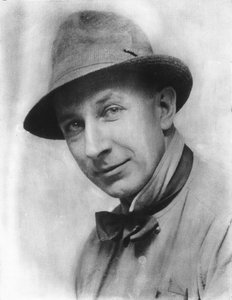
George Wesley Bellows
1882 - 1925 , Yhdysvallat
Pähkinänkuoressa
- Artistic Movement Or Style: Ashcan School, Realismi
- Artists Or Movements Influenced By This Artist: ['Henriin vaikutus']
- Artists Who Influenced This Artist: ['Robert Henri']
- Date Of Birth: 1882
- Date Of Death: 1925
- Full Name: George Wesley Bellows
- Nationality: Amerikkalainen
- Notable Artworks:
- Central Park
- The Germans Arrive
- Men of the Docks
- Tennis Tournament
- Place Of Birth: Columbus, USA
Aiheeseen liittyvät artikkelit
Evoking Nature's Sublime: A Comprehensive Exploration of 19th-Century Landscape Painting
Explore the captivating world of 19th-century landscape painting! Discover renowned artists like Friedrich & Monet, key movements, and find the perfect artwork to bring nature's serenity into your home. Expert insights at OriginalUniqueArt.

Evocations of Place: A Historical Journey Through Landscape Art
Explore the rich history of landscape art with OriginalUniqueArt. Discover renowned artists, movements like Impressionism & tonalism, and expert guidance for collecting timeless pieces. Find your perfect serene escape today!

Romanttisen maisemamaalauksen mestariteokset: Taidetta ja inspiraatiota kotiin
Uppoudu romanttisen maisemamaalauksen maailmaan! Tutustu Caspar David Friedrichin, Turnerin ja muiden mestareiden ikonisiin teoksiin. Löydä inspiraatiota kotiisi taiteen avulla OriginalUniqueArt.comista – laadukkaat taideprintit ja sisustusideoita.

John Constablein 25 mestariteosta: Taidetta ja tunnelmaa kotiisi – OriginalUniqueArt.com
Tutustu John Constable'n 25 mestariteokseen – romanttisia maisemamaalauksia, jotka vangitsevat englantilaisen luonnon tunnelman. Taidehistoriaa ja inspiraatiota kotiisi OriginalUniqueArt.com:ssa. Löydä kaikki taideteokset verkossa!

Evocations of Place: A Historical Journey Through Landscape Art
Explore the rich history of landscape art with OriginalUniqueArt. Discover renowned artists, movements like Impressionism & Romanticism, and expert guidance for collecting timeless pieces. Find your perfect serene escape today!
