
 Katso seinällä
 Lähetä
 Jaa
Jaa
 Tarkemmat tiedot
 Opas
Opas

 Lataa kuva
 Samanlaisia kohteita
 Röntgenkuvaus
 Diaesitys
 Tilastot
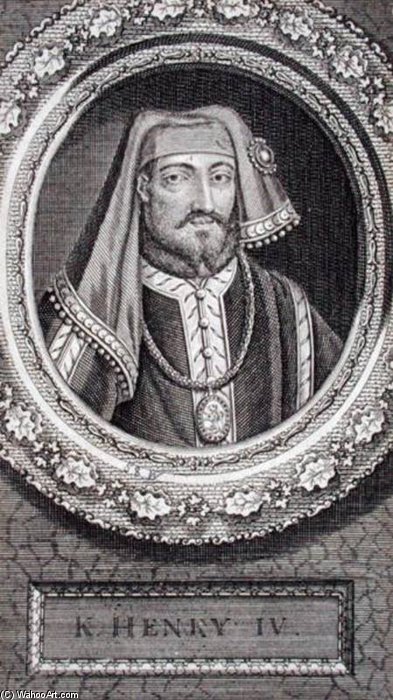
Henry Iv )

 Lue lisää
Osta korkearesoluutioinen, parannettu digitaalikuva, joka on laadultaan huomattavasti parempi kuin verkkosivuston esikatselu.
Jokainen tiedosto valmistellaan huolellisesti omien asiantuntijoidemme toimesta käyttäen edistyneitä työkaluja ja ammattitaitoista manuaalista retusointia. Varmistamme, että jokaisessa kuvassa on poikkeuksellinen selkeys, tarkka värintoisto ja hienovaraiset yksityiskohdat.
Lopputiedosto toimitetaan sähköpostitse 72 tunnin kuluessa, ja se on optimoitu välittömään käyttöön ammattimaisissa, toimituksellisissa ja painoympäristöissä. Laatu on sama, johon huipputason suunnittelustudiot, kustantajat ja galleriat luottavat.
Digitaalinen kuva
Lataa korkearesoluutioinen tiedosto henkilökohtaiseen näyttelyyn, tulostamiseen ja luoviin projekteihin. ( Vaihda tulosteeseen Tilaa käsinmaalattu jäljennös)
Sisältyy jokaiseen digitaalisen kuvan tilaukseen
Asiantunteva digitaalinen toimitus, laatu taattu
Kun valitset OriginalUniqueArt.com-palvelun, et saa vain kuvaa – saat ammattimaisesti viimeistellyn digitaalisen taideteoksen, joka on luotu tarkkuudella ja jonka takaa tulee tyytyväisyystakuu. Tässä on kaikki, mitä tilauksesi sisältää, automaattisesti:

Nopea sähköpostitoimitus
Saat korkearesoluutioisen digitaalisen kuvatiedostosi sähköpostiisi 72 tunnin kuluessa tilauksesta – valmiina käytettäväksi välittömästi.

Tekoälyllä optimoitu digitaalinen tiedosto
Teoksesi on optimoitu ammattimaisesti edistyneiden tekoälytyökalujen ja manuaalisen jälkikäsittelyn avulla, mikä takaa maksimaalisen yksityiskohtaisuuden, selkeyden ja väritarkkuuden.

Ilmainen elinikäinen uudelleenlähetys
Oletko vahingossa poistanut tai kadottanut tiedostosi? Ei hätää – lähetämme sen sinulle uudelleen milloin tahansa täysin maksutta.

Ei tuontimaksuja – koskaan
Nauti taiteestasi välittömästi ilman tullimaksuja, veroja tai toimituskuluja – digitaaliset lataukset ovat aina verovapaita.

Värintoiston tarkkuustakuu
Varmistamme, että digitaalinen kuvasi vastaa alkuperäisiä värejä mahdollisimman tarkasti käyttämällä ammattilaistason työkaluja ja värinhallintaa.

100 päivän tyytyväisyystakuu
Jos et ole tyytyväinen digitaaliseen kuvaasi, muokkaamme sitä tai palautamme 100% hinnan 100 päivän kuluessa – kysymystä ei esitetä.

100% Rahat takaisin -takuu
Et ole tyytyväinen? Saat täyden hyvityksen 100 päivän kuluessa digitaalisen tiedostosi vastaanottamisesta – kysymystä ei esitetä.

Suurtilaaja-alennukset
Osta 3 kuvaa, säästä 10% - Osta 5, säästä 15% - Osta 10+, säästä 20%. Erinomainen valinta luoviin projekteihin, gallerioille ja toimistoille.
Taiteilijan elämäkerta
George Vertue: The Chronicler of British Art
George Vertue (1684 – 1756) stands as a singular figure in the annals of English engraving and antiquarian scholarship, an artist whose meticulous observations and painstaking reproductions cemented his place as a pivotal contributor to the burgeoning aesthetic sensibilities of the Enlightenment. More than merely a craftsman adept at transferring images from canvas to plate, Vertue was a historian, a collector, and a fervent advocate for preserving Britain’s artistic heritage—a role that profoundly shaped our understanding of the era's visual culture. Born in London amidst the Catholic fervor of his family, Vertue’s early life instilled within him a deep appreciation for detail and accuracy – qualities that would become hallmarks of his artistic practice and intellectual pursuits. His apprenticeship under Michael Vandergucht, a German engraver whose fortunes swiftly declined, provided invaluable experience in mastering the technical skills required to produce exceptional prints. However, it was his association with Godfrey Kneller’s Academy of Painting—where he collaborated closely with Thomas Gibson—that truly nurtured his artistic vision and fostered connections within London's intellectual elite. Gibson’s influence extended beyond mere instruction; Vertue absorbed Gibson’s stylistic sensibilities, particularly his masterful handling of chiaroscuro and his ability to convey psychological depth in portraiture. This careful attention to light and shadow would become a defining characteristic of Vertue’s engravings, mirroring the dramatic compositions favored by Gibson himself. Vertue’s passion for antiquarian research transcended his professional duties as an engraver. Driven by a desire to document the artistic achievements of Britain's past—particularly those predating the Elizabethan Renaissance—he embarked on a systematic endeavor to compile comprehensive notebooks filled with sketches, drawings, and detailed descriptions of artworks. These notebooks constitute an unparalleled resource for historians studying British art during Vertue’s lifetime, offering invaluable insights into stylistic trends, patronage networks, and artistic tastes. His membership in the Rose and Crown Club alongside luminaries like William Hogarth and Peter Tillmans underscores his position at the forefront of London's artistic discourse. Furthermore, expeditions undertaken with figures such as Edward Harley and Lord Coleraine yielded remarkable visual records of sites across England—a testament to Vertue’s dedication to firsthand observation and scholarly investigation. He meticulously documented architectural details, sculptural fragments, and painted masterpieces, ensuring their accurate representation for future generations. Vertue's contribution to British art history reached its zenith through his involvement in *Vetusta Monumenta*, a monumental project aimed at reconstructing Britain's artistic past. He undertook the daunting task of engraving numerous illustrations from classical texts and medieval manuscripts, ensuring their faithful reproduction for posterity. This ambitious undertaking demanded exceptional technical skill and unwavering commitment—qualities Vertue possessed in abundance. Following the death of Earl Harley, Vertue benefited from the patronage of Duchess Portland and Frederick, Prince of Wales—the latter commissioning portraits after Van Dyck and recognizing Vertue’s exceptional talent as an engraver. Notably, a portrait of Vertue himself was painted by Gibson in 1715, and his widow generously donated it to the Society of Antiquaries – demonstrating Vertue's enduring legacy within the artistic community. His engraving of Gibson’s portrait stands as a poignant reminder of their collaborative relationship and Gibson’s admiration for Vertue’s artistic prowess. George Vertue’s legacy extends far beyond his technical achievements; he is remembered primarily as a champion of British art history, whose meticulous notebooks continue to inspire scholars today. He played an instrumental role in shaping the aesthetic sensibilities of his time—particularly through his association with Horace Walpole and *Anecdotes of Painting*, establishing himself as one of the foremost figures in documenting and disseminating knowledge about Britain’s artistic heritage. His work remains a cornerstone of understanding the visual culture of the eighteenth century, securing his place among the most influential artists and historians of the era.
George Vertue
1684 - 1756 , Iso Britannia
Pähkinänkuoressa
- Artistic Movement Or Style: Porträttengraving
- Artists Or Movements Influenced By This Artist: ['Horace Walpole']
- Artists Who Influenced This Artist:
- Michael Vandergucht
- Thomas Gibson
- Date Of Birth: 1684
- Full Name: George Vertue
- Nationality: Englanti
- Notable Artworks:
- William Croft Engraving
- Ben Jonson Engraving
- Kuningatar Anne Engraving
- Place Of Birth: Londra, Iso-Britannia