
 Esikatselu
 Jaa teos
 Jaa
Jaa
 Tiedot
 Opas
Opas

 Lataa kuva
 Samanlaisia kohteita
 Röntgenkuvaus
 Diaesitys
 Kysymykset ja vastaukset
 Tilastot
Lord Grosvenor

- 99.0 x 83.0 cm


 Lue lisää
Giclée- ja taideprintit
Museolaatuisia giclée- tai kankaitaulun tulosteita nopealla tuotannolla ja joustavilla viimeistelyvaihtoehdoilla. ( Osta käsinmaalattu taideteos Siirry digitaaliseen kuvaan)




P118B €10

P118H €10

P118W €10

P438Z €10

P508JH €12

P508YH €12

P805H €10

P805Z €10

P919BZ €10

P919G €10

P919XJ €10

P959ZH €10

P968JZ €12

W106C €8

W218G €10

W218JH €8

W218Y €10

W307PJ €10

W316G €10

W316PJ €8

W316Y €10

W398PJ €8

W4111J €10

W500HY €15

W500JH €15

W692G €12

W849H €8

W940BG €15

W953PJ €8




Valitse valmiista mitoistamme sellaiset, jotka vastaavat teoksen alkuperäisiä mittasuhteita.

Syötä tarvitsemasi leveys ja korkeus, jotta tuloste sopii kehyksiisi tai seinällesi. Tulostetta voidaan vain leikata, sitä ei voida koskaan suurentaa alkuperäistä kuvaa suuremmaksi, joten eri muotoinen koko aiheuttaa osan kuvasta katoamisen. Lähetämme sinulle digitaalisen mallikuvan hyväksyttäväksi ennen kuin aloitamme tulostuksen. Tällä sivulla näkyvä kuva ei näytä lopullista rajausta — vain mallikuva näyttää sen.
Maailmanlaajuinen toimitus () 2 viikossa tavallisen 4–5 viikon sijaan. (7 marraskuu)

Ilmainen pikatoimitus ympäri maailman

Korkealaatuinen pellavakangas

Kattava kuljetusvakuutus

Tulliveron palautustakuu

Takuu täydellisestä värien vastaavuudesta

100 päivän palautusoikeus (vain valmistusvirheet)

100% rahat takaisin -takuu

Määräalennus tarjolla
 Lasivaihtoehto on saatavilla vain alle 110 cm kokoisille teoksille

Lord Grosvenor
Giclée- ja taideprintit
Replikaatin koko
-


Kokonaishinta
€ 72
The Equestrian Vision of George Stubbs
George Stubbs' "Lord Grosvenor’s Arabian Stallion with a Groom," painted in 1765, isn’t merely a portrait; it’s a meticulously crafted tableau vivant—a snapshot of aristocratic leisure and the profound connection between man and beast. Stubbs, already recognized as the foremost painter of horses of his era, transcends simple representation, instead offering a deeply considered study of anatomy, movement, and psychological nuance. This work exemplifies his pioneering approach to animal painting, firmly rooted in scientific observation yet imbued with a distinctly Romantic sensibility.
The scene unfolds within a softly rendered English landscape—rolling hills bathed in the golden light of late afternoon. The composition is dominated by the magnificent Arabian stallion, poised and alert, its muscular form captured with astonishing accuracy. Stubbs’s anatomical knowledge, honed through years of dissecting horses (a practice considered radical at the time), is immediately apparent in the precise rendering of every muscle, tendon, and bone. Yet, this isn't a cold, clinical study; the horse radiates vitality, its ears pricked forward, nostrils flared, conveying an intense awareness of its surroundings.
A Masterclass in Technique – Light, Shadow, and Sabino Markings
Stubbs’s mastery lies not just in his anatomical precision but also in his masterful manipulation of light and shadow. He employs a low horizon line, drawing the viewer's eye upwards to the horse, emphasizing its imposing presence against the backdrop of the landscape. The warm tones of the chestnut stallion—rich browns, golds, and russets—are contrasted with the cooler greens and blues of the foliage, creating a dynamic interplay of color that adds depth and realism to the scene. Notably, Stubbs meticulously portrays the horse’s unique genetic Sabino markings – the broad blaze running down its forehead, the striking white stockings, and the delicate white spots adorning its belly and sides—demonstrating an almost obsessive attention to detail.
The groom, a figure of quiet dignity, stands in stark contrast to the stallion’s spirited energy. Dressed in a dark suit, he exudes a reassuring presence, his posture suggesting years of experience and a deep understanding of horses. This juxtaposition—the youthful exuberance of the horse and the seasoned calm of its handler—adds another layer of complexity to the composition, hinting at the symbiotic relationship between man and animal.
Historical Context & Romantic Ideals
Painted during the mid-18th century, “Lord Grosvenor’s Arabian Stallion with a Groom” reflects the prevailing artistic trends of the time. Stubbs' work aligns with the burgeoning Romantic movement, which emphasized emotion, individualism, and the sublime beauty of nature. Unlike the rigid formality of Neoclassical art, Stubbs’s painting embraces a more naturalistic approach, capturing the essence of the subject rather than adhering to idealized forms. The inclusion of the landscape—a carefully constructed vista that evokes a sense of tranquility and grandeur—further reinforces this Romantic sensibility.
The portrait itself was commissioned for Richard Grosvenor, 7th Baronet, and 1st Earl Grosvenor, a prominent figure in English society. Such commissions were not merely about depicting a horse; they represented a celebration of aristocratic status, wealth, and the connection to the land. The painting served as a visual testament to the family’s equestrian pursuits and their appreciation for fine horses.
A Timeless Appeal – Reproduction & Beyond
“Lord Grosvenor’s Arabian Stallion with a Groom” remains a captivating work of art, admired for its technical brilliance, emotional depth, and historical significance. Reproductions offer an accessible way to experience the beauty and artistry of this iconic painting, bringing its timeless appeal into any home or office space. When selecting a reproduction, consider the quality of materials and the artist’s interpretation – ensuring that it faithfully captures Stubbs' original vision while maintaining a high level of detail and vibrancy.
Kysymykset ja vastaukset
Onko "Lord Grosvenor" tyypillinen esimerkki siitä, mitä George Stubbs yleensä loi?
George Stubbs:n toistuvia teemoja ovat classical anatomy, romantic style, aristocratic patronage, equestrian art, animal studies, scientific accuracy, british landscape, rural life; "Lord Grosvenor" keskittyy aiheisiin horse, equestrian, portraiture, groom, landscape, sabino, anatomy, 18th century.
Mistä George Stubbs:n "Lord Grosvenor" -teoksen vierailijat ovat kotoisin?
Teokselle "Lord Grosvenor" on olemassa Tilastot -sivu. Se esittää teoksen ja taiteilijan muiden teosten kuukausittaiset vierailumäärät maakohtaisesti ja kielittäin eriteltynä.
Milloin ja mihin tyylisuuntaan "Lord Grosvenor" on tehty?
"Lord Grosvenor" on luotu vuonna 1765 Romanticism-suuntauksen teoksena. Teoksen valmistumisvuosi ja tyylisuunta ankkuroivat sen taidehistoriaan.
Taiteilijan elämäkerta
Early Life and Training
George Stubbs, syntynyt Liverpoolissa vuonna 1724, oli brittiläinen taidemaalari, jonka tunnetuin osa on hänen hevosten kuvaamisen taito. Hänen varhaisista elämänsä ajoista tiedetään vähän, sillä suurimman osan tiedoista löytyy hänen taiteilijaystävänsä Ozias Humphryn muistoista, jotka pohjautuvat Stubbsin omiin kertomuksiin vuodelta 1794. Hänen taiteellinen polkunsa alkoi jo nuorena, kun hän työskenteli isänsä, nahkurin, apuna. Myöhemmin hän hakeutui opiskelijaksi Hamlet Winstanleyn johdolle, Lancashiren maalari ja kaivertaja, joka tarjosi lyhyen harjoittelun Knowsley Hallin kokoelmissa. Tämä lyhyt jakso antoi Stubbsille mahdollisuuden tutustua anatomian tutkimukseen, mikä myöhemmin muokkasi hänen työnsä suuntaa. Hänen intohimonsa anatomiasta johti hänet Yorkiin vuonna 1744, jossa hän opiskeli lääkäri Charles Atkinsonin johdolla Yorkin maakuntahoidossa. Tämä aika oli merkittävä Stubbsin kehitykselle, sillä hän alkoi systemaattisesti tutkia ihmisen anatomiaa ja kehittää taitojaan tarkkaan kuvaamaan eläinten rakenteita.Artistic Development and Notable Works
Stubbsin taiteellinen ura kukoisti erityisesti hänen kyvystään kuvata hevosia. Hän ei ainoastaan maalannut niitä, vaan myös tutki niiden anatomiaa syvällisesti ja tarkasti. Vuonna 1756 hän vuokrasi maatilan Horkstowin kylässä, Lincolnshiressa, ja vietti siellä 18 kuukautta, leikellen ja piirtäen hevosia. Tämä aika oli ratkaiseva hänen uransa kannalta, sillä hän julkaisi vuonna 1766 teoksen *The Anatomy of the Horse*, joka sisälsi alkuperäisiä piirustuksia. Kirja oli suuri menestys ja Stubbsin maine kasvoi nopeasti, kun aristokraatit ja taiteen tukijat alkoivat arvostaa hänen tarkkuuttaan ja kykyään vangita hevosten kauneuden ja liikkeen. Hänen tyylinsä poikkesi perinteisistä hevosmaalauksista, sillä hän ei pelkästään kuvannut eläimiä, vaan myös pyrki välittämään niiden tunteita ja persoonallisuutta. Hänen merkittävin saavutuksensa on ehdottomasti *Whistlejacket*, hevosen kuvaus, jonka tilasi Rockinghamin toinen markiisi. Maalaus on edelleen yksi Stubbsin kuuluisimmista teoksista ja se erottuu muista hänen tyylistään sen yksinkertaisen taustan vuoksi. Tämä teos osoittaa Stubbsin kyvyn luoda dramaattisia ja tunteita herättäviä kuvia, jotka ylittävät pelkän realistisen tarkkuuden.Influence and Artistic Style
Stubbs oli vahvasti vaikuttanut moniin taiteilijoihin, mutta hänellä oli myös merkittävä vaikutus muihin taiteilijoihin. Hänen anatomian tutkimuksensa ja hänen kuvaustensa tarkkuus inspiroivat muita taiteilijoita, erityisesti romanttisen liikkeen aikana. Hänen työnsä edusti uutta tapaa kuvata eläimiä, jossa korostettiin niiden kauneutta, voimaa ja tunteita. Stubbsin vaikutus näkyy hänen seuraajissaan, jotka ottivat käyttöön hänen anatomian tutkimustensa ja hänen kuvaustekniikkojensa periaatteet. Stubbs oli myös kiinnostunut materiaaleista, joita hän käytti taiteessaan, ja kokeili erilaisia tekniikoita, kuten lasimaalausta. Hänen työnsä on edelleen arvokas esimerkki 1800-luvun taiteesta ja hänen innovatiivisuudestaan ja kyvystään yhdistää anatomian tarkkuus ja esteettinen kauneus.Legacy and Historical Significance
George Stubbsin perintö elää edelleen, ja hänen teoksiaan arvostetaan yhä maailmanlaajuisesti. Hänen hevosten kuvaamisen taitonsa on vertaansa vailla, ja hänen työnsä on inspiroinut lukemattomia taiteilijoita. Stubbsin vaikutus romanttiseen liikkeeseen oli merkittävä, sillä hän loi uudenlaisia kuvia, jotka korostivat tunteita ja luonnon kauneutta. Hänen teoksensa ovat osa brittiläistä taiteen historiaa ja ne kertovat 1800-luvun elämästä, kulttuurista ja taiteellisesta kehityksestä. Stubbsin teokset ovat edelleen esillä museoissa ympäri maailmaa, ja ne herättävät katsojissa tunteita ja ajatuksia. Hänen vaikutuksensa on nähtävissä myös nykyaikaisessa taiteessa, jossa hänen anatomian tarkkuutensa ja hänen kyvynsä kuvata eläimiä ovat edelleen merkittäviä inspiraation lähteitä.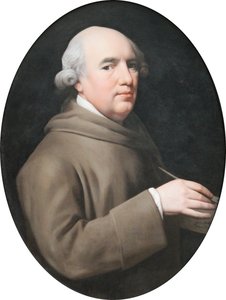
George Stubbs
1724 - 1806 , Iso-Britannia
Pähkinänkuoressa
- Artistic Movement Or Style: Romantiikka, Hevosmaalaus
- Artists Or Movements Influenced By This Artist: ['Joshua Reynolds']
- Artists Who Influenced This Artist: ['Hamlet Winstanley']
- Date Of Birth: 25. elokuuta 1724
- Date Of Death: 10. heinäkuuta 1806
- Full Name: George Stubbs
- Nationality: Brittiläinen
- Notable Artworks:
- Whistlejacket
- Lohikäärme hevosen kanssa
- A Lion and Tiger
- Place Of Birth: Liverpool, Britannia
Aiheeseen liittyvät artikkelit

Georges Seurat: 25 mestariteosta – Valon ja värin lumoa taidossa | OriginalUniqueArt
Tutustu Georges Seuratin 25 mestariteokseen! Uppoudu pointillismia, valomaalausta ja väriteoriaa hyödyntävään taidemaailmaan. Löydä A Sunday on La Grande Jatte ja muut ikonit OriginalUniqueArt.comista – korkealaatuiset taidekopiot kotiisi.

Georges Braquen 25 mestariteosta: Taidetta kotiin OriginalUniqueArtilta
Tutustu Georges Braquen 25 mestariteokseen ja kubismin lumoihin! Taidehistoriaa, värejä ja inspiraatiota kotiisi. Laadukkaat taulut OriginalUniqueArtilta – löydä täydellinen seinätaulu nyt!
George Stubbs: Anatomical Precision & Romantic Vision in 18th-Century British Art
Explore the captivating world of George Stubbs, the 18th-century master renowned for his anatomical precision & Romantic animal paintings. Discover his legacy and investment potential.

The Equine Muse: A Historical & Artistic Exploration of Horses in Painting
Explore the captivating history of horses in painting! Discover Renaissance masterpieces, Baroque grandeur & expert insights for collecting equestrian art. Learn about symbolism, techniques & lasting value with OriginalUniqueArt.
The Noble Steed: A Historical and Artistic Exploration of Horses in Fine Art
Explore the rich history of horses in fine art! From ancient depictions to Renaissance masterpieces & beyond, discover iconic artworks and artists. Learn about symbolism, techniques, and find museum-quality reproductions at OriginalUniqueArt.


