

 Katso seinällä
 Lähetä
 Jaa
Jaa
 Tarkemmat tiedot
 Opas
Opas

 Lataa kuva
 Samanlaisia kohteita
 Röntgenkuvaus
 Diaesitys
 Tilastot
James Stanley
 Oil On Canvas
- WallArt
- Romanticism
 1755
1755- Early Modern
 625.0 x 750.0 cm
 Walker Art Gallery
 Lue lisää
Käsinmaalattu öljyvärinen jäljennös
Käsinmaalattu öljyväri kankaalle haluamassasi koossa ja kehyksissä, taiteilijoidemme valmistamana tilauksesta. ( Vaihda tulosteeseen Siirry digitaaliseen kuvaan)




P118B €10

P118H €10

P118W €10

P438Z €10

P508JH €12

P508YH €12

P805H €10

P805Z €10

P919BZ €10

P919G €10

P919XJ €10

P959ZH €10

P968JZ €12

W106C €8

W218G €10

W218JH €8

W218Y €10

W307PJ €10

W316G €10

W316PJ €8

W316Y €10

W398PJ €8

W4111J €10

W500HY €15

W500JH €15

W692G €12

W849H €8

W940BG €15

W953PJ €8




Valitse valmiista mitoistamme sellaiset, jotka vastaavat teoksen alkuperäisiä mittasuhteita.

Voit syöttää omat mitat sopimaan tiettyyn kehykseen tai tilaan. Jos valitsemasi koko ei vastaa alkuperäisen kuvan mittasuhteita, rajaamme taideteoksen tai jatkamme maalausta käsin maalatuilla elementeillä. Digitaalinen esikatselu lähetetään hyväksyttäväksi ennen tuotannon aloittamista.
Huomioithan, että näytöllä oleva esikatselu ei vastaa todellista rajausta tai jatkamista. Vain digitaalinen mallikuva näyttää lopullisen sommittelun tarkasti.
Vaikka mittatilaustyöt ovat mahdollisia, suosittelemme valitsemaan mitan ennalta määritetystä listasta alkuperäisten mittasuhteiden säilyttämiseksi.
Tilauksen jälkeen OriginalUniqueArt.com -tiimi lähettää asiakkaalle sähköpostitse ohjeet ja esikatselukuvan.
Maailmanlaajuinen toimitus () 3–4 viikossa tavallisen 5 viikon sijaan. (8 lokakuu). Laadusta ei tingitä.

Ilmainen pikatoimitus ympäri maailman

Korkealaatuinen pellavakangas

Kattava kuljetusvakuutus

Tulliveron palautustakuu

Takuu täydellisestä värien vastaavuudesta

100 päivän palautusoikeus valmistusvirhetapauksissa

100% rahat takaisin -takuu

Määräalennus saatavilla
 Lasivaihtoehto on saatavilla vain alle 110 cm kokoisille teoksille

James Stanley
Reproduktiotapa
Replikaatin koko
-


Kokonaishinta
€ 258
A Glimpse into Georgian Elegance
In the quiet, dignified presence of George Stubbs’s 1755 portrait, James Stanley, we encounter more than just a likeness; we step into the very heart of the Enlightenment. Before he became the preeminent master of equine anatomy, known for capturing the raw power of horses with scientific precision, Stubbs demonstrated a profound command over the human form. This early work serves as a captivating window into the social fabric of 18th-century Britain, presenting a gentleman whose identity remains shrouded in the mists of time, yet whose character radiates through the canvas. The sitter, identified only by an inscription noting his name and age of thirty-three, stands against a subtly textured, dark background that acts as a stage, stripping away all worldly distractions to focus the viewer’s entire attention upon the man himself.
The composition is masterfully understated, eschewing the grandiosity often found in aristocratic portraiture of the era in favor of a quiet, introspective intimacy. There is an immediate rapport established as Stanley’s gaze meets ours, inviting a moment of shared contemplation. This sense of connection is heightened by the artist's ability to balance formal dignity with a palpable human warmth. For the collector or interior designer, such a piece offers a sophisticated anchor for a room, providing a focal point that commands respect while maintaining an air of approachable grace.
The Intersection of Science and Artistry
What distinguishes this portrait is Stubbs’s unique ability to marry meticulous anatomical accuracy with a burgeoning impressionistic sensibility. While his later works would be celebrated for their rigorous study of musculature and bone structure, in James Stanley, we see the seeds of this scientific devotion applied to the human countenance. Every detail, from the subtle contours of the face to the texture of his attire, is rendered with a dedication to truth that was radical for its time. He avoids the trap of idealized beauty, choosing instead to honor the authentic features of his subject, a choice that lends the painting an enduring, timeless quality.
Technically, the work is a triumph of tonal variation. Stubbs employs a sophisticated play of light and shadow—chiaroscuro—to sculpt the figure out of the darkness. The edges of the subject are not harshly defined; rather, they softly bleed into the atmospheric background, creating a sense of depth and movement that prevents the portrait from feeling static. This technique anticipates the more fluid styles of later centuries, making the piece feel remarkably modern despite its mid-18th-century origins. The rich textures suggested by his clothing—the weight of the fabric and the glint of gold buttons—provide a tactile richness that makes the painting feel alive under varying light conditions.
An Enduring Legacy for the Discerning Eye
To possess a reproduction of this caliber is to bring a piece of British art history into one's personal sanctuary. James Stanley is not merely a decorative object; it is a conversation starter, a testament to an era where the pursuit of knowledge and the appreciation of beauty were inextricably linked. The painting evokes a sense of nostalgia for the Georgian age—a period of intellectual curiosity and refined elegance. Its somber palette and commanding presence make it an ideal choice for curated galleries, traditional studies, or contemporary spaces seeking a touch of historical gravity.
For those looking to inspire awe and reflection within a home or professional design project, this work offers unparalleled emotional resonance. It embodies the spirit of a pioneer—an artist who dared to look closer at the world around him. Whether viewed as a study in light, a masterclass in portraiture, or a relic of a bygone social landscape, Stubbs’s James Stanley remains a profound achievement that continues to captivate the soul of the art lover.
Kysymykset ja vastaukset
Kuinka vanha George Stubbs oli tehdessään "James Stanley"?
George Stubbs oli 31 vuotias luodessaan teoksen "James Stanley" vuonna 1755. Ikä on laskettu taiteilijan syntymävuodesta 1724.
Mikä on teoksen George Stubbs:n "James Stanley" valmistumisvuosi?
George Stubbs:n "James Stanley" on luotu vuonna 1755.
Mikä on teoksen George Stubbs:n "James Stanley" luminanssi?
Teoksen "James Stanley" värit heijastavat Dark luminanssia.
Kuka on luonut "James Stanley"?
Teoksen "James Stanley" taiteilija on George Stubbs. Teos on luetteloitu George Stubbs nimellä.
Onko teos "James Stanley" tekijänoikeusvapaa?
Tekijänoikeuksien osalta teos "James Stanley" on tekijänoikeusvapaa – sen tekijänoikeussuoja on päättynyt.
Missä museossa alkuperäinen "James Stanley" on esillä?
Teos George Stubbs:n "James Stanley" on esillä Walker Art Gallery, Liverpool, Yhdistynyt kuningaskunta-museossa. Museoluettelo viittaa alkuperäisteokseen, ei jäljennöksiin.
Mikä on teoksen George Stubbs:n "James Stanley" taidehistoriallinen merkitys?
George Stubbs:n "James Stanley" kuuluu Romanticism-suuntaukseen Early Modern-aikakaudella. Yhdessä ne antavat teokselle sen paikan taidehistoriassa.
Taiteilijan elämäkerta
Early Life and Training
George Stubbs, syntynyt Liverpoolissa vuonna 1724, oli brittiläinen taidemaalari, jonka tunnetuin osa on hänen hevosten kuvaamisen taito. Hänen varhaisista elämänsä ajoista tiedetään vähän, sillä suurimman osan tiedoista löytyy hänen taiteilijaystävänsä Ozias Humphryn muistoista, jotka pohjautuvat Stubbsin omiin kertomuksiin vuodelta 1794. Hänen taiteellinen polkunsa alkoi jo nuorena, kun hän työskenteli isänsä, nahkurin, apuna. Myöhemmin hän hakeutui opiskelijaksi Hamlet Winstanleyn johdolle, Lancashiren maalari ja kaivertaja, joka tarjosi lyhyen harjoittelun Knowsley Hallin kokoelmissa. Tämä lyhyt jakso antoi Stubbsille mahdollisuuden tutustua anatomian tutkimukseen, mikä myöhemmin muokkasi hänen työnsä suuntaa. Hänen intohimonsa anatomiasta johti hänet Yorkiin vuonna 1744, jossa hän opiskeli lääkäri Charles Atkinsonin johdolla Yorkin maakuntahoidossa. Tämä aika oli merkittävä Stubbsin kehitykselle, sillä hän alkoi systemaattisesti tutkia ihmisen anatomiaa ja kehittää taitojaan tarkkaan kuvaamaan eläinten rakenteita.Artistic Development and Notable Works
Stubbsin taiteellinen ura kukoisti erityisesti hänen kyvystään kuvata hevosia. Hän ei ainoastaan maalannut niitä, vaan myös tutki niiden anatomiaa syvällisesti ja tarkasti. Vuonna 1756 hän vuokrasi maatilan Horkstowin kylässä, Lincolnshiressa, ja vietti siellä 18 kuukautta, leikellen ja piirtäen hevosia. Tämä aika oli ratkaiseva hänen uransa kannalta, sillä hän julkaisi vuonna 1766 teoksen *The Anatomy of the Horse*, joka sisälsi alkuperäisiä piirustuksia. Kirja oli suuri menestys ja Stubbsin maine kasvoi nopeasti, kun aristokraatit ja taiteen tukijat alkoivat arvostaa hänen tarkkuuttaan ja kykyään vangita hevosten kauneuden ja liikkeen. Hänen tyylinsä poikkesi perinteisistä hevosmaalauksista, sillä hän ei pelkästään kuvannut eläimiä, vaan myös pyrki välittämään niiden tunteita ja persoonallisuutta. Hänen merkittävin saavutuksensa on ehdottomasti *Whistlejacket*, hevosen kuvaus, jonka tilasi Rockinghamin toinen markiisi. Maalaus on edelleen yksi Stubbsin kuuluisimmista teoksista ja se erottuu muista hänen tyylistään sen yksinkertaisen taustan vuoksi. Tämä teos osoittaa Stubbsin kyvyn luoda dramaattisia ja tunteita herättäviä kuvia, jotka ylittävät pelkän realistisen tarkkuuden.Influence and Artistic Style
Stubbs oli vahvasti vaikuttanut moniin taiteilijoihin, mutta hänellä oli myös merkittävä vaikutus muihin taiteilijoihin. Hänen anatomian tutkimuksensa ja hänen kuvaustensa tarkkuus inspiroivat muita taiteilijoita, erityisesti romanttisen liikkeen aikana. Hänen työnsä edusti uutta tapaa kuvata eläimiä, jossa korostettiin niiden kauneutta, voimaa ja tunteita. Stubbsin vaikutus näkyy hänen seuraajissaan, jotka ottivat käyttöön hänen anatomian tutkimustensa ja hänen kuvaustekniikkojensa periaatteet. Stubbs oli myös kiinnostunut materiaaleista, joita hän käytti taiteessaan, ja kokeili erilaisia tekniikoita, kuten lasimaalausta. Hänen työnsä on edelleen arvokas esimerkki 1800-luvun taiteesta ja hänen innovatiivisuudestaan ja kyvystään yhdistää anatomian tarkkuus ja esteettinen kauneus.Legacy and Historical Significance
George Stubbsin perintö elää edelleen, ja hänen teoksiaan arvostetaan yhä maailmanlaajuisesti. Hänen hevosten kuvaamisen taitonsa on vertaansa vailla, ja hänen työnsä on inspiroinut lukemattomia taiteilijoita. Stubbsin vaikutus romanttiseen liikkeeseen oli merkittävä, sillä hän loi uudenlaisia kuvia, jotka korostivat tunteita ja luonnon kauneutta. Hänen teoksensa ovat osa brittiläistä taiteen historiaa ja ne kertovat 1800-luvun elämästä, kulttuurista ja taiteellisesta kehityksestä. Stubbsin teokset ovat edelleen esillä museoissa ympäri maailmaa, ja ne herättävät katsojissa tunteita ja ajatuksia. Hänen vaikutuksensa on nähtävissä myös nykyaikaisessa taiteessa, jossa hänen anatomian tarkkuutensa ja hänen kyvynsä kuvata eläimiä ovat edelleen merkittäviä inspiraation lähteitä.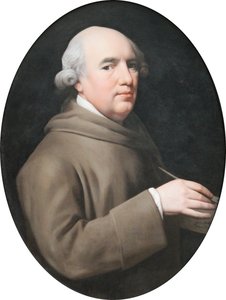
George Stubbs
1724 - 1806 , Iso-Britannia
Tietoa taiteilijasta
- Artistic Movement Or Style: Romantiikka, Hevosmaalaus
- Artists Or Movements Influenced By This Artist: ['Joshua Reynolds']
- Artists Who Influenced This Artist: ['Hamlet Winstanley']
- Date Of Birth: 25. elokuuta 1724
- Date Of Death: 10. heinäkuuta 1806
- Full Name: George Stubbs
- Nationality: Brittiläinen
- Notable Artworks:
- Whistlejacket
- Lohikäärme hevosen kanssa
- A Lion and Tiger
- Place Of Birth: Liverpool, Britannia
Aiheeseen liittyvät artikkelit
Eläinten läsnäolo taiteessa ja sisustuksessa: Ikuinen side luontoon ja ihmiskuntaan
Tutustu eläinten kiehtovaan rooliin taiteessa ja sisustuksessa! Syvällinen analyysi symboliikasta, tyylisuunnista ja inspiraatiosta kotiisi. Laadukkaat öljyvärimaalaukset ja canvas-taulut ilta.
Neoklassismin 10 mestariteosta: Taidetta ja inspiraatiota kotiin | OriginalUniqueArt.fi
Tutustu neoklassismin 10 mestariteokseen! Jacques-Louis Davidista Canovaan – taidetta, historiaa ja inspiraatiota kotiisi. Korkealaatuiset taideprintit OriginalUniqueArt.fi:ssä. Tutustu kokoelmaan verkossa!
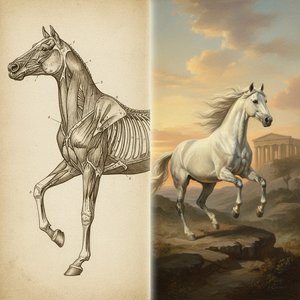
George Stubbs: Anatomical Precision & Romantic Vision in 18th-Century British Art
Explore the captivating world of George Stubbs, the 18th-century master renowned for his anatomical precision & Romantic animal paintings. Discover his legacy and investment potential.
Beastly Brushstrokes: A Historical Journey Through Animal Painting & Aesthetic Movements
Explore the rich history of animal painting across cultures & movements. Discover iconic artists, symbolism, collecting trends & expert art consultation at OriginalUniqueArt.com.
Thomas Hudson: A Study in 18th-Century Portraiture & British Artistic Identity
Explore the life & work of Thomas Hudson, a leading 18th-century British portraitist. Discover his mastery of the 'Grand Manner,' influential style, and lasting impact on British art. Learn about his notable portraits like Judge William Noel & Alexander Van Aken.


