
 Esikatselu
 Jaa teos
 Jaa
Jaa
 Tiedot
 Opas
Opas

 Lataa kuva
 Samanlaisia kohteita
 Röntgenkuvaus
 Diaesitys
 Kysymykset ja vastaukset
 Tilastot
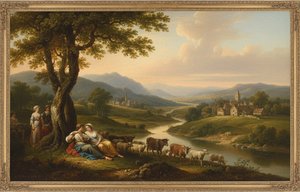
Before a Thunderstorm

- 85.0 x 117.0 cm


 Lue lisää
Giclée- ja taideprintit
Museolaatuisia giclée- tai kankaitaulun tulosteita nopealla tuotannolla ja joustavilla viimeistelyvaihtoehdoilla. ( Osta käsinmaalattu taideteos Siirry digitaaliseen kuvaan)




P118B €10

P118H €10

P118W €10

P438Z €10

P508JH €12

P508YH €12

P805H €10

P805Z €10

P919BZ €10

P919G €10

P919XJ €10

P959ZH €10

P968JZ €12

W106C €8

W218G €10

W218JH €8

W218Y €10

W307PJ €10

W316G €10

W316PJ €8

W316Y €10

W398PJ €8

W4111J €10

W500HY €15

W500JH €15

W692G €12

W849H €8

W940BG €15

W953PJ €8




Valitse valmiista mitoistamme sellaiset, jotka vastaavat teoksen alkuperäisiä mittasuhteita.

Syötä tarvitsemasi leveys ja korkeus, jotta tuloste sopii kehyksiisi tai seinällesi. Tulostetta voidaan vain leikata, sitä ei voida koskaan suurentaa alkuperäistä kuvaa suuremmaksi, joten eri muotoinen koko aiheuttaa osan kuvasta katoamisen. Lähetämme sinulle digitaalisen mallikuvan hyväksyttäväksi ennen kuin aloitamme tulostuksen. Tällä sivulla näkyvä kuva ei näytä lopullista rajausta — vain mallikuva näyttää sen.
Maailmanlaajuinen toimitus () 2 viikossa tavallisen 4–5 viikon sijaan. (3 marraskuu)

Ilmainen pikatoimitus ympäri maailman

Korkealaatuinen pellavakangas

Kattava kuljetusvakuutus

Tulliveron palautustakuu

Takuu täydellisestä värien vastaavuudesta

100 päivän palautusoikeus (vain valmistusvirheet)

100% rahat takaisin -takuu

Määräalennus tarjolla
 Lasivaihtoehto on saatavilla vain alle 110 cm kokoisille teoksille

Before a Thunderstorm
Giclée- ja taideprintit
Replikaatin koko
-


Kokonaishinta
€ 72
A Moment Frozen in Time: Before a Thunderstorm by George Morland
George Morland’s “Before a Thunderstorm,” painted in 1791 and currently residing within the esteemed collection of the Hermitage Museum in St. Petersburg, Russia, is more than just a pastoral scene; it's a masterful distillation of late 18th-century English landscape painting imbued with an undercurrent of dramatic anticipation. The canvas captures a fleeting moment – a quiet tableau on the cusp of a powerful storm – rendered with a remarkable sensitivity to light, texture, and the subtle nuances of rural life. Morland’s genius lies not in grand spectacle but in his ability to evoke atmosphere through meticulous detail and a loose, expressive brushstroke that breathes life into every element of the composition.
The painting immediately draws the eye to the foreground: two horses, one grazing placidly, the other standing stock-still with its head bowed as if anticipating the impending weather. A man in a brown coat, seated comfortably on one of the animals, appears lost in contemplation, his gaze directed towards the viewer – an invitation for us to share in this shared moment of observation. A simple white cottage, partially obscured by the burgeoning trees and the dramatic sky, provides a grounding element, suggesting a sense of domesticity amidst the natural world. The inclusion of a dog, attentively watching the scene unfold, adds another layer of quiet intimacy.
The Language of Light and Earth Tones
Morland’s masterful use of color is central to the painting's evocative power. He employs a palette dominated by earthy tones – ochres, browns, greens, and muted blues – creating a sense of warmth, tranquility, and rustic authenticity. These colors aren’t merely descriptive; they actively shape the mood, suggesting the fertile soil of the countryside and the comforting familiarity of rural life. The artist skillfully contrasts these warm hues with the increasingly dramatic shades of grey and purple that dominate the sky, building tension and foreshadowing the approaching storm. Notice how the light catches on the horses' coats, highlighting their texture and movement, while simultaneously casting long shadows across the field – a testament to Morland’s keen eye for capturing the subtleties of natural illumination.
A Brushstroke That Speaks Volumes
The painting’s distinctive character is largely defined by Morland’s unique brushwork. He eschews smooth, polished surfaces in favor of a deliberately loose and expressive technique. The strokes are visible, almost tactile, conveying a sense of movement and immediacy. This approach isn't simply stylistic; it reflects the artist’s intention to capture not just the appearance of the scene but also its feeling – the anticipation, the stillness, the subtle shift in atmosphere. The swirling patterns in the clouds, the swaying branches of the trees, and even the texture of the horses’ coats are all rendered with a dynamic energy that brings the painting vividly to life. This technique was particularly suited for reproduction, as it allowed publishers to create detailed prints from his paintings.
Symbolism and the Poetics of Rural Life
“Before a Thunderstorm” is more than just a depiction of a rural scene; it’s a meditation on the relationship between humanity and nature. The impending storm can be interpreted as a metaphor for change, uncertainty, or even the fragility of life. The man in the brown coat, seemingly detached from the immediate threat, embodies a sense of human resilience and acceptance – a quiet contemplation amidst the forces of nature. Morland’s work aligns with the broader artistic trends of the late 18th century, which celebrated the beauty and simplicity of rural life while also acknowledging its inherent vulnerability. The painting speaks to a deep appreciation for the natural world and a recognition of our place within it.
A Legacy in Reproduction
Originally intended for reproduction in prints – a lucrative venture for Morland – “Before a Thunderstorm” remains a captivating example of his skill and artistry. Today, OriginalUniqueArt offers meticulously crafted hand-painted reproductions that faithfully capture the painting’s original beauty and atmosphere. Owning a reproduction allows you to bring this timeless masterpiece into your home or office, celebrating both the legacy of George Morland and the enduring power of art to evoke emotion and inspire contemplation.
Kysymykset ja vastaukset
Miten "Before a Thunderstorm" sijoittuu George Morland'n toistuvien aiheiden joukkoon?
George Morland:n tunnettujen teemojen – dutch golden age, rural scenes, morland style, pastoral tranquility, early works – joukossa "Before a Thunderstorm" tuo oman painopisteensä aiheeseen rural life, horses, storm clouds, cottage, pastoral scene, morland, landscape, tranquility.
Kuka on teoksen "Before a Thunderstorm" tekijä ja mikä on sen valmistumisvuosi?
George Morland loi teoksen "Before a Thunderstorm" vuonna 1791.
Mihin taidesuuntaukseen ja mihin aikakauteen George Morland:n "Before a Thunderstorm" kuuluu?
"Before a Thunderstorm" kuuluu Late 18th Century Pastoralism-suuntaukseen, ja sen tekijä työskenteli Varhaismodernismi-aikakaudella.
Taiteilijan elämäkerta
Early Life and Influences
George Morlandin elämä alkoi synkällä, mutta lupaavalla tavalla. Hän syntyi 26. kesäkuuta 1763 Lontoossa, ja jo varhain hänen isänsä, Henry Robert Morland, tunnisti poikansa taiteellisen lahjakkuuden ja kannusti sitä aktiivisesti. Henry oli itsekin taiteilija, graafikko ja maalauksen restauroijan, mikä loi pohjan George’lle. Vasta kymmenen vuoden ikäisenä George sai kunnianosoituksen osallistumalla piirustusten näyttelyyn Royal Academiassa – merkittävä saavutus nuorelle taiteilijalle tuohon aikaan.
Morlandin varhainen työ oli vahvasti sidoksissa Francis Wheatleyn tyyliin, joka oli tuolloin suosittu. Hänet esiteltiin myös Sir Joshua Reynoldsin eteen, joka antoi hänelle mahdollisuuden kopioida Reynoldsin maalauksia. Tämä altistus Reynoldsin tyylille ja tekniikoille vaikutti merkittävästi Morlandin omaan kehitykseen.
Artistic Style and Notable Works
Morlandin taiteellinen tyyli oli tunnusomaista sen ajanjakson kannalta. Hän keskittyi pääasiassa maalaisiin maaseutukohtauksia, maatiloja ja metsästystilanteita, sekä salakuljettajia ja kääpiöitä – kaikki nämä elementit kuvattuina rikkaasti teksturoituissa maiskoissa, jotka pohjautuivat hollantilaisen renessanssin taideteoksille tyypilliseen tunnelmaan. Hänen työnsä oli suunniteltu ensisijaisesti toimitettavaksi printteinä, mikä mahdollisti julkaisijoiden tekemän suuremman voiton kuin Morland itse. Tämä kertoo paljon tuon ajan taiteen ja kaupankäynnin suhteesta.
Morlandin merkittäviä teoksia ovat mm. The Farmyard, joka on mestarillinen kuvaus maaseutuelämästä, sekä Horse Devoured by a Lion – George Stubbsin maalauksesta, joka sijaitsee nykyään Tate Britainissa Lontoossa. Myös Near Nîmes Roger Eliot Fryn teoksena on esillä OriginalUniqueArt.com -sivustolla.
Development and Artistic Journey
Morlandin taiteellinen matka alkoi hänen isänsä opastuksella, joka sisälsi hollantilaisten ja flaamilaisten mestareiden teosten kopiointia. Tämä varhainen koulutus antoi hänelle vahvan perustan maalaustekniikan ja komposiitien hallintaan. Reynoldsin vaikutus oli merkittävä, sillä Morland oppi arvostamaan valon ja varjon käyttöä sekä yleistä harmonista tasapainoa.
1790-luvulla Morland kehitti oman, ainutlaatuisen tyylinsä, joka erottui selkeästi aiemmasta työstä. Hän alkoi keskittyä yksityiskohtien kuvaamiseen ja luomaan syvällisiä, tunteita herättäviä maiskoja. On kuitenkin tärkeää huomata, että hänen taiteensa laatu heikkeni hieman hänen elämänsa lopussa, mikä johtui osittain hänen ongelmistaan velkaantumisen kanssa.
Legacy and Historical Significance
George Morland on merkittävä hahmo brittiläisessä taiteen historiassa. Hänen teoksensa ovat edelleen esillä monissa museoissa ja kokoelmissa, kuten Somerville Collegessa Oxfordssa. Hänen vaikutuksensa printtikulttuuriin oli myös suuri, sillä monet hänen maalauksistaan toimitettiin printteinä, mikä oli tuolloin yleinen tapa levittää taidetta.
Morlandin maalaukset tarjoavat ainutlaatuisen näkökulman 1800-luvun maaseutuelämään ja ovat edelleen suosittuja katsojien keskuudessa. Hänen teoksiaan tutkii ja arvostaa taiteilijoita ympäri maailmaa, ja hänen työnsä on todiste siitä, kuinka taide voi vangita tietyn ajanhengen ja tunnelman.
Additional Information
- Puoliso: Anne Ward (sanoi avioliiton vuonna 1786)
- Vanhemmat: Henry Robert Morland ja isoisä George Henry Morland
- Lisätietoja: George Morland - Wikipedia

George Morland
1763 - 1804 , Iso-Britannia
Pähkinänkuoressa
- Artistic Movement Or Style: Ruoanlaittokuvat, maatilat
- Artists Who Influenced This Artist:
- Francis Wheatley
- Hollantilainen kultasuvi
- Date Of Birth: 26. kesäkuuta 1763
- Date Of Death: 29. lokakuuta 1804
- Full Name: George Morland
- Nationality: Englannin taiteilija
- Notable Artworks:
- Tilaryhmä
- Heppa levisi
- Lähellä Nîmes
- Place Of Birth: Lontoo, Iso-Britannia
Aiheeseen liittyvät artikkelit

The Enduring Legacy of Oil on Canvas: Technique, History & Aesthetic Impact
Explore the rich history & techniques of oil painting – from Renaissance masters to Impressionism. Discover pigments, layering methods, and why this timeless medium endures. Expert insights for artists & art enthusiasts.
Idyllic Visions: Exploring the Pastoral Tradition in Western Art – Themes, Techniques & Enduring Appeal
Explore the rich history of pastoral art from classical Arcadia to contemporary interpretations. Discover key artists, themes & collecting tips at OriginalUniqueArt.

Georges Seurat: 25 mestariteosta – Valon ja värin lumoa taidossa | OriginalUniqueArt
Tutustu Georges Seuratin 25 mestariteokseen! Uppoudu pointillismia, valomaalausta ja väriteoriaa hyödyntävään taidemaailmaan. Löydä A Sunday on La Grande Jatte ja muut ikonit OriginalUniqueArt.comista – korkealaatuiset taidekopiot kotiisi.

Oil on Canvas: A Historical & Technical Exploration of a Timeless Artistic Medium
Explore the rich history & enduring techniques of oil painting on canvas. Discover the science behind its longevity, conservation practices, and contemporary relevance. Expert insights for art enthusiasts.

Georges Braquen 25 mestariteosta: Taidetta kotiin OriginalUniqueArtilta
Tutustu Georges Braquen 25 mestariteokseen ja kubismin lumoihin! Taidehistoriaa, värejä ja inspiraatiota kotiisi. Laadukkaat taulut OriginalUniqueArtilta – löydä täydellinen seinätaulu nyt!
