

 Katso seinällä
 Lähetä
 Jaa
Jaa
 Tarkemmat tiedot
 Opas
Opas

 Lataa kuva
 Samanlaisia kohteita
 Röntgenkuvaus
 Diaesitys
 Tilastot
Passion Flower


 Lue lisää
Giclée- ja taideprintit
Museolaatuisia giclée- tai kankaitaulun tulosteita nopealla tuotannolla ja joustavilla viimeistelyvaihtoehdoilla. ( Tilaa käsinmaalattu jäljennös Siirry digitaaliseen kuvaan)




P118B $10

P118H $10

P118W $10

P438Z $10

P508JH $12

P508YH $12

P805H $10

P805Z $10

P919BZ $10

P919G $10

P919XJ $10

P959ZH $10

P968JZ $12

W106C $8

W218G $10

W218JH $8

W218Y $10

W307PJ $10

W316G $10

W316PJ $8

W316Y $10

W398PJ $8

W4111J $10

W500HY $15

W500JH $15

W692G $12

W849H $8

W940BG $15

W953PJ $8




Valitse valmiista mitoistamme sellaiset, jotka vastaavat teoksen alkuperäisiä mittasuhteita.

Voit syöttää omat mitat sopiaksesi tiettyyn kehykseen tai tilaan. Jos valittu koko ei vastaa alkuperäisen kuvan mittasuhteita, rajaamme teosta tai laajennamme kuvaa peilatulla tai yhtenäisellä reunalla. Digitaalinen mallikuva lähetetään hyväksyttäväksi ennen tuotannon aloittamista.
Huomaathan, että näytöllä näkyvä esikatselu ei vastaa lopullista rajausta tai laajennusta. Vain mallikuva näyttää lopullisen sommittelun tarkasti.
Vaikka räätälöityjä kokoja on saatavilla, suosittelemme valitsemaan mitat valmiista listasta alkuperäisten mittasuhteiden säilyttämiseksi.
Maailmanlaajuinen toimitus () 2 viikossa tavallisen 4–5 viikon sijaan. (26 syyskuu)

Ilmainen pikatoimitus ympäri maailman

Korkealaatuinen pellavakangas

Kattava kuljetusvakuutus

Tulliveron palautustakuu

Takuu täydellisestä värien vastaavuudesta

100 päivän palautusoikeus valmistusvirhetapauksissa

100% rahat takaisin -takuu

Määräalennus saatavilla
 Lasivaihtoehto on saatavilla vain alle 110 cm kokoisille teoksille

Passion Flower
Giclée- ja taideprintit
Replikaatin koko
-


Kokonaishinta
$ 80
Gene Davis’s “Passion Flower”: A Vertical Symphony of Color
Gene Davis's "Passion Flower," painted in 1968, isn’t merely a depiction of a flower; it’s an immersive experience—a vibrant plunge into the heart of Color Field painting and the Washington Color School. This work, housed within the esteemed San Francisco Museum of Modern Art (SFMOMA), stands as a testament to Davis's pioneering approach to abstraction, utilizing color not to represent form but to evoke feeling and rhythm. The piece immediately commands attention with its bold, vertical stripes—a seemingly simple arrangement that belies a complex interplay of visual elements and a profound exploration of the chromatic spectrum.
Davis’s genius lies in his meticulous control of color and line. Each stripe is an individual entity, a solid block of hue ranging from fiery oranges and passionate reds to cool blues and serene pinks. These colors aren't blended or mixed; they exist as distinct, unyielding planes, creating a dynamic visual texture that shifts with the viewer’s perspective. The consistent width of each line adds to this sense of order and rhythm, while subtle variations in saturation and intensity prevent the composition from feeling static. It’s akin to a carefully orchestrated musical score—a series of deliberate color notes building towards an emotional crescendo.
The Washington Color School and the Rise of Field Painting
To fully appreciate “Passion Flower,” it's crucial to understand its context within the broader art movement of the mid-20th century. Davis was a key figure in the Washington Color School, a group of painters based in Washington D.C. who pushed the boundaries of abstract expressionism by focusing almost exclusively on color and its effects. This movement emerged as a reaction against the gestural brushstrokes and figurative elements prevalent in earlier forms of abstraction. Instead, artists like Davis sought to create paintings that were purely about color—to explore its emotional power and visual resonance without relying on representational imagery.
The Washington Color School’s approach was heavily influenced by the work of Mark Rothko, whose large-scale color field paintings had a profound impact on the group. However, Davis developed his own distinctive style, characterized by his use of vertical stripes and his meticulous attention to detail. His work can be seen as a bridge between Rothko's meditative color explorations and the more dynamic compositions of Morris Louis and Kenneth Noland, both contemporaries within the Color Field movement.
Decoding the Symbolism: Beyond the Floral Subject
While “Passion Flower” ostensibly depicts a flower—a symbol of love, sacrifice, and rebirth—Davis deliberately stripped away any representational elements. The absence of recognizable forms allows the viewer to project their own emotions and associations onto the painting. The vibrant colors themselves carry symbolic weight: red evokes passion and energy, blue suggests tranquility and introspection, while pink hints at tenderness and vulnerability.
Interestingly, the title itself—"Passion Flower"—references the flower's association with the crucifixion of Christ. This religious symbolism adds another layer of meaning to the work, suggesting a connection between earthly beauty and spiritual transcendence. However, Davis’s focus on pure color suggests that he wasn’t interested in literal representation but rather in capturing the *feeling* of passion—its intensity, its complexity, and its transformative power.
A Legacy of Color: Reproduction and Interior Design
Today, “Passion Flower” remains a seminal work of American abstract art. Its bold colors and dynamic composition continue to captivate viewers and inspire artists. High-quality reproductions offer an accessible way to experience the painting’s emotional impact, making it a valuable addition to any collection or interior space. The vertical stripes create a strong visual anchor, adding a touch of sophistication and energy to any room. Consider pairing this artwork with complementary colors—such as earthy greens or warm neutrals—to enhance its vibrancy and create a harmonious aesthetic.
Gene Davis’s “Passion Flower” is more than just a painting; it's an invitation to lose yourself in the world of color, to explore the depths of emotion, and to appreciate the power of abstraction. It stands as a testament to his innovative approach and enduring legacy within the art world.
Taiteilijan elämäkerta
Värin arkkitehti: Gene Davisin elämä ja perintö
Amerikkalaisen abstraktion värikkäässä kudelmassa harvat säikeet loistavat yhtä kirkkaasti tai rytmisesti kuin Gene Davisin kutomat. Color Field -suuntauksen uranuurtajana Davisilla oli ainutlaatuinen kyky muuttaa kangas valon ja liikkeen rytmiseksi kokemukseksi. Washington, D.C.:ssä vuonna 1920 syntyneen taiteilijan matka kohti Washington Color School -liikkeen keskeistä asemaa ei ollut välitön harppaus abstraktioon, vaan pikemminkin tarkkanäköisen havainnointikyvyn muovaama asteittainen evoluutio. Ennen kuin hän tarttui siveltimeen luodakseen ikoniset raitansa, Davis työskenteli urheilutoimittajana – ammatissa, joka vaati herkkää keskittymistä liikkeeseen, energiaan ja live-tapahtumien avautuvaan draamaan. Nämä elementit löytävät myöhemmin tiensä hänen maalaustensa sykkivään vertikaalisuuteen.
Hänen abstraktin kielellisyytensä siemenet kylvettiin syvän vuorovaikutuksen kautta eurooppalaisen modernismin kanssa. Muovautuvien vuosien aikana Davis löysi syvää inspiraatiota Paul Kleen ja Arshile Gorkyn teoksista, taiteilijoilta, jotka osoittivat, kuinka muoto voitiin tiivistää puhtaaksi tunteeksi ja symboliseksi painoksi. Uppoutumalla Phillips Collectionin mestariteoksiin hän alkoi ymmärtää, ettei väri ainoastaan palvellut aihetta; väri oli itse aihe. Tämä oivallus johdatti hänet pois perinteisestä esittämisestä kohti vallankumouksellista tapaa nähdä maailma, jossa muodon ja sävyn väliset rajat alkoivat sulautua puhtaaksi kromaattiseksi energiaksi.
Raidan rytmi: Innovaatio ja tekniikka
Vuosi 1958 merkitsi maanjäristystä Davisin uralla ja amerikkalaisen taiteen laajemmassa kehityksessä. Tänä aikana hän alkoi tuottaa kuuluisia akryyliraitamaalauksiaan, tekniikasta, josta tuli hänen tunnistettava allekirjoituksensa. Siirtyessään pois abstraktin ekspressionismin raskaista ja eleellisistä tekstuureista Davis omaksui akryylivärin tasaiset ja valoisat ominaisuudet. Hänen kompositiotensa koostuivat usein monumentaalisista pystysuuntaisista väripalkeista, jotka näyttivät värisevän vastakkain luoden optisen liikkeen tunnun, joka vetää katsojan hypnoottiseen, rytmiseen transsiin.
Nämä teokset olivat paljon enemmän kuin pelkkiä geometrisia harjoituksia; ne olivat tilan ja havainnon tutkimusmatkoja. Hyödyntämällä Washington Color School -lähestymistapaa Davis korosti värin ensisijaisuutta antaen jokaisen raidan olla vuorovaikutuksessa naapurinsa kanssa hienovaraisten arvo- ja kylläisyysmuutosten kautta. Hänen tekniikkansa mahdollisti ainutlaatuisenlaisen "hengittämisen" maalauksen sisällä, jossa silmää kannustetaan tanssimaan pystysuunnassa kankaan poikki. Tämä toiston ja rytmin hallinta antoi hänelle mahdollisuuden vangita urbaanin energian ja luonnonvalon olemus, kääntäen modernin maailman kaaoksen rakenteelliseksi, mutta syvän sujuvaksi visuaaliseksi kieleksi.
Pysyvä jälki amerikkalaisessa abstraktiossa
Yhtenä Washington Color Schoolin kulmakivistä yhdessä aikalaisensa kuten Morris Louis ja
Gene Davisin historiallinen merkitys piilee hänen roolissaan siltana varhaisen abstraktion intensiivisen emotionaalisuuden ja myöhemmän Color Field -maalauksen viileän, harkitun tarkkuuden välillä. Hänen perintönsä löytyy jokaisesta kankaasta, joka asettaa värin aistillisen kokemuksen muodon esittämisen edelle. Rytmisten raitojensa kautta hän jätti jälkeensä visuaalisen sinfonian, joka jatkaa resonointiaan keräilijöiden ja taiteenharrastajien keskuudessa ympäri maailmaa, muistuttaen meitä siitä, että taide voi olla samanaikaisesti syvän yksinkertaista ja äärettömän monimutkaista.

Gene Davis
1920 - 1985 , Yhdysvallat
Tietoa taiteilijasta
- Artistic Movement Or Style: Värilohkoilu
- Artists Who Influenced This Artist:
- Paul Klee
- Arshile Gorky
- Date Of Birth: August 22, 1920
- Date Of Death: April 6, 1985
- Full Name: Gene Bernard Davis
- Nationality: Amerikkalainen
- Notable Artworks:
- Musta harmaa beat
- Sininen häiriö
- Place Of Birth: Washington, D.C.
Aiheeseen liittyvät artikkelit
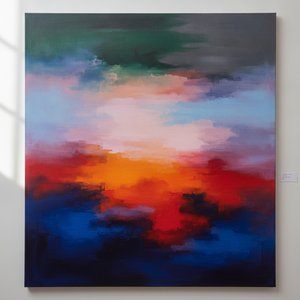
Color Field Painting: The Emotional Power of Pure Abstraction and Chromatic Depth
Explore the profound emotional depth of Color Field painting. Discover the history of mid-century abstraction, from Rothko to Newman, and learn how pure color transforms the viewer's experience through our expert art history guide.

Abstraktin ekspressionismin mestariteokset: Taidetta ja inspiraatiota kotiisi
Tutustu abstraktin ekspressionismin 10 mestariteokseen! Jackson Pollock, Mark Rothko ja muut taiteilijat inspiroivat tunteellisuudellaan. Löydä upeita taidemaalauksia kotiisi OriginalUniqueArt.comista – museolaatuista laatua ja sisustusehdotuksia.

Geometrisen abstraktion mestariteokset: Taidetta kotiin OriginalUniqueArtilta
Tutustu geometrisen abstraktion 10 mestariteokseen! Piet Mondrian, Kandinsky ja muut taiteilijat muovasivat modernin taiteen historiaa. Löydä inspiraatiota kotiisi OriginalUniqueArtilta – laadukkaat taideprintit ja sisustusehdotukset odottavat. Tutki kokoelma verkossa!
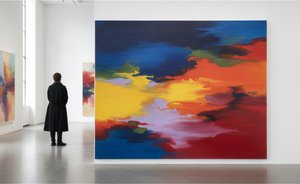
Beyond the Brushstroke: A Definitive Guide to the Emotional Power of Color Field Painting
Explore the profound history and emotional depth of Color Field painting. From Mark Rothko to Barnett Newman, discover how pure color redefined modern art through our expert-led guide for students and collectors alike.

Gene Davis: Chromatic Explorations of Color Field Painting & the Washington Color School
Explore the vibrant world of Gene Davis and the Washington Color School. Discover his iconic stripe paintings, innovative techniques, and lasting impact on American abstract art. A deep dive for collectors & enthusiasts.