

 Katso seinällä
 Lähetä
 Jaa
Jaa
 Tarkemmat tiedot
 Opas
Opas

 Lataa kuva
 Samanlaisia kohteita
 Röntgenkuvaus
 Diaesitys
 Tilastot
Dead Cock
 Acrylic On Canvas
- WallArt
- Baroque
 57.0 x 40.0 cm
 Museo del Prado
 Lue lisää
Käsinmaalattu öljyvärinen jäljennös
Käsinmaalattu öljyväri kankaalle haluamassasi koossa ja kehyksissä, taiteilijoidemme valmistamana tilauksesta. ( Vaihda tulosteeseen Siirry digitaaliseen kuvaan)




P118B €10

P118H €10

P118W €10

P438Z €10

P508JH €12

P508YH €12

P805H €10

P805Z €10

P919BZ €10

P919G €10

P919XJ €10

P959ZH €10

P968JZ €12

W106C €8

W218G €10

W218JH €8

W218Y €10

W307PJ €10

W316G €10

W316PJ €8

W316Y €10

W398PJ €8

W4111J €10

W500HY €15

W500JH €15

W692G €12

W849H €8

W940BG €15

W953PJ €8




Valitse valmiista mitoistamme sellaiset, jotka vastaavat teoksen alkuperäisiä mittasuhteita.

Kirjoita tarvitsemasi leveys ja korkeus, jotta teos sopii kehyskehyksiisi tai seinällesi. Koska kyseessä on käsinmaalattu teos, taiteilija voi maalata hieman enemmän kuvan ympärille tai rajata sitä hieman, jos haluat eri muotoisen koon — valinta on sinun. Lähetämme sinulle digitaalisen mallikuvan hyväksyttäväksi ennen kuin maalaus alkaa. Tällä sivulla näkyvä kuva ei vastaa lopullista tulosta — vain mallikuva näyttää sen.
Tilauksen jälkeen OriginalUniqueArt.com -tiimi lähettää asiakkaalle sähköpostitse ohjeet ja esikatselukuvan.
Maailmanlaajuinen toimitus () 3–4 viikossa tavallisen 5 viikon sijaan. (23 lokakuu). Laadusta ei tingitä.

Ilmainen pikatoimitus ympäri maailman

Korkealaatuinen pellavakangas

Kattava kuljetusvakuutus

Tulliveron palautustakuu

Takuu täydellisestä värien vastaavuudesta

100 päivän palautusoikeus valmistusvirhetapauksissa

100% rahat takaisin -takuu

Määräalennus saatavilla
 Lasivaihtoehto on saatavilla vain alle 110 cm kokoisille teoksille

Dead Cock
Reproduktiotapa
Replikaatin koko
-


Kokonaishinta
€ 264
A Silent Testament: Gabriel Metsu’s “Dead Cock”
Gabriel Metsu's "Dead Cock," painted circa 1659-1660, is not merely a still life; it’s a profoundly unsettling meditation on mortality, vulnerability, and the fleeting nature of beauty. This small panel, measuring just 57 x 40 cm, housed within the Museo del Prado in Madrid, commands attention with its stark simplicity and unnerving realism. It depicts a recently deceased rooster, meticulously rendered with an almost clinical precision – feathers ruffled, skin subtly flushed, and feet delicately positioned on a simple wooden hook. Yet, it’s precisely this meticulous detail that elevates the painting beyond a straightforward depiction of death; Metsu forces us to confront the raw, unvarnished truth of decay.
Metsu's artistic trajectory is notoriously complex, defying easy categorization. He was a “highly eclectic artist,” as art historian Arnold Houbraken noted, moving seamlessly between history paintings, portraits, and genre scenes – often blending influences from various masters like Rembrandt and Jan Steen. This versatility is particularly evident in "Dead Cock," which draws upon elements of both Dutch Baroque realism and the more emotionally charged style of Flemish artists. The composition itself is deceptively straightforward: a single subject dominating the frame, bathed in a muted, almost somber light that emphasizes its vulnerability. The dark background serves to heighten the rooster’s presence, creating a dramatic contrast that underscores its stillness.
The Symbolism of Mortality and Loss
The symbolism embedded within “Dead Cock” is layered and open to interpretation. The rooster itself – traditionally associated with masculinity, vitality, and heraldry – becomes an emblem of loss and the inevitable decline of life. Its recent demise is palpable; the subtle discoloration of its skin hints at the swiftness of death, while the carefully arranged feathers suggest a deliberate attempt to preserve some semblance of dignity in the face of oblivion. The hook, a simple, utilitarian object, serves as a stark reminder of the rooster’s fate – suspended between life and death, a poignant symbol of suspension itself.
Furthermore, the painting's context within Metsu’s oeuvre—his penchant for depicting solitary women engaged in domestic activities—adds another layer of meaning. The rooster’s vulnerability mirrors the fragility of human existence, echoing themes often explored in his genre scenes. It’s a quiet lament on the transient beauty of life and the inevitability of decay, rendered with an almost unnerving stillness.
Technique and Artistic Nuances
Metsu's technical skill is undeniable. He masterfully employs chiaroscuro – the dramatic contrast between light and shadow – to sculpt the form of the rooster, creating a sense of three-dimensionality that belies its small scale. The meticulous rendering of feathers, with their individual textures and subtle variations in color, demonstrates an extraordinary level of detail and observation. The use of oil paint allows for a rich, luminous quality, capturing the delicate sheen of skin and the subtle reflections on the rooster’s plumage.
Notably, Metsu's work was often characterized by a deliberate lack of overt sentimentality. He avoided dramatic gestures or exaggerated expressions, instead opting for a quiet, understated realism that invites contemplation. This restraint is particularly evident in “Dead Cock,” where the painting’s power lies not in its emotional intensity but in its ability to evoke a profound sense of melancholy and reflection.
A Reproduction Worth Cherishing
OriginalUniqueArt offers meticulously hand-painted reproductions of Gabriel Metsu's "Dead Cock," capturing the essence of this haunting masterpiece. Each reproduction is created by skilled artists using archival-quality materials, ensuring that the colors and details faithfully replicate those of the original painting. Whether displayed in a formal gallery setting or incorporated into a personal collection, this reproduction provides a tangible connection to one of the most enigmatic figures of the Dutch Golden Age – a silent testament to the beauty and fragility of life.
Kysymykset ja vastaukset
Miten teoksen Gabriel Metsu:n "Dead Cock" väripaletti on kuvattu?
Gabriel Metsu:n "Dead Cock"-teoksessa käytetään Earthy-väripalettia. Paletti tiivistää teoksen yleisen värikarakterin.
Mitä tunnetta Baroque-tyylisuunnan teos "Dead Cock" välittää?
Baroque-suuntauksen sisällä teos "Dead Cock" on tallennettu Melancholic sävyllä.
Mistä "Dead Cock" on tehty ja millä tyylillä?
Gabriel Metsu:n "Dead Cock" yhdistää Acrylic On Canvas-tekniikan ja Baroque-tyylin. Tekniikka ja tyylisuunta kuvaavat teoksen valmistustapaa ja tyyliä.
Taiteilijan elämäkerta
**taiteellisen tutkimusmatkailun elämä**
gabriël metsu, hollantilainen taiteilija Alankomaista, eli elämän, jota leimasivat taiteellinen tutkimusmatkailu ja innovaatio. Metsun teokset, jotka syntyivät vuoden 1629 jälkeen, ilmentivät hollannin kultakauden henkeä – aikakautta, joka tunnetaan poikkeuksellisesta ja hedelmällisestä taiteellisesta tuotannostaan. Tämä elämäkerta sukeltaa tämän arvoituksellisen hahmon elämään ja teoksiin, joiden panos taidemaailmaan kiehtoo meitä edelleen.**nuoruus ja vaikutteet**
Metsu syntyi vuonna 1629, Jacques Metsun poikana, joka oli alkujaan Hainautista kotoisin oleva matonkudoja ja maalaaja. Tämä monipuolinen tausta vaikutti todennärelisesti Gabrielin varhaiseen kiinnostukseen erilaisia taiteellisia tekniikoita kohtaan. Perheen muutto Leideniin, jossa Metsu kasvoi, altisti hänet monille eri kulttuurisille vaikutteille.**taiteellinen ura**
Metsun uraa leimasi kieltäytyminen yhdestä ainoasta tyylistä tai tekniikasta, mikä antoi hänelle tittelin "erittäin eklektinen taiteilija". Hänen tuotantonsa kattoi historialliset maalaukset, asetelmat, muotokuvat ja genremalaukset. On huomionarvoista, että vain 14 hänen 133 teoksestaan on päivätty, mikä jättää paljon löydettävää hänen luovasta prosessistaan.- rembrandt van rijn:n vaikutus Metsun varhaiseen työhön on selvästi nähtävissä, erityisesti hänen valon ja värin käytössään.
- Metsun muutto Amsterdamiin vuonna 1655 merkitsi merkittävää muutosta hänen tyylissään, painottaen enemmän kotimaisia sisätiloja ja genrenäkymiä.
- Hänen koulutuksensa Michiel van Musscherin ja Joost van Geelin johdolla heijastaa hänen sitoutumistaan taiteelliseen yhteisöön.
**merkittävät teokset ja perintö**
Metsun maalaukset esittivät usein nuoria naisia, markkinakohtauksia ja vanhuksia, ammentaen suosiosta tulleista embleemeistä. Huomattava esimerkki on lintujen myyjä, joka osoittaa hänen taitonsa käyttää symboliikkaa. keskeisiä teoksia:- sairas lapsi (n. 1664), joka heijastaa Metsun ihailua Vermeerin työtä kohtaan.
- hinlopenin suvun muotokuva, mestariteos, joka yhdistää genren ja muotokuvamaalauksen.
**museot ja kokoelmat**
Metsun teoksia löytyy useista museoista, mukaan lukien Rijksmuseum Amsterdamista. Lisätietoja hänen taiteestaan ja muiden hollannin kultakauden maalareiden tutkimiseksi vieraile /fi/art/show/art-d3c627-fi/ saadaksesi kattavan yleiskatsauksen. johtopäätös: Gabriel Metsun elämä ja taide ovat todistus hollannin kultakauden innovatiivisesta hengestä. Hänen eklektinen tyylinsä, vaikka se on joskus arvoituksellista, on jättänyt peruuttamattoman jäljen taidemaailmaan. Kun jatkamme hänen elämänsä ja teostensa paljastamista, muistamme syvän vaikutuksen, joka hänellä oli länsimaisen taiteen kehityksessä.- syvempää ymmärrystä hollannin kultakaudesta varten tutustu [https://en.wikipedia.org/wiki/dutch_golden_age_painting](https://en.wikipedia.org/wiki/dutch_golden_age_painting) sivustolle.
- tutustu lisää Metsun teoksiin ja hänen aikalaisiensa tuotantoon osoitteessa [https://OriginalUniqueArt.com/@/gabriel-metsu](https://OriginalUniqueArt.com/@/gabriel-metsu).
**lähteet:**
- the house of orange-nassau historic collection trust (Haag, Alankomaat), [https://OriginalUniqueArt.com/@@/a@d3ccx5](https://OriginalUniqueArt.com/@@/a@d3ccx5).
- van gogh museum (Alankomaat) - taiteen ystävien satama, [https://OriginalUniqueArt.com/@@/a@d3c8x3](https://OriginalUniqueArt.com/@@/a@d3c8x3).
- hollannin kultakauden maalaus, [https://en.wikipedia.org/wiki/dutch_golden_age_painting](https://en.wikipedia.org/wiki/dutch_golden_age_painting).

Gabriel Metsu
1629 - 1667 , Alankomaat
Tietoa taiteilijasta
- Artistic Movement Or Style: Dutch Golden Age painting
- Artists Who Influenced This Artist:
- Rembrandt van Rijn
- Johannes Vermeer
- Date Of Birth: 1629
- Date Of Death: 1667
- Full Name: Gabriel Metsu
- Nationality: Dutch
- Notable Artworks:
- The Sick Child
- Poultry Seller
- Portrait of the Hinlopen Family
- Place Of Birth: Leiden, Netherlands
Aiheeseen liittyvät artikkelit

Dante Gabriel Rossettin 25 mestariteosta: Taidetta ja inspiraatiota kotiisi | OriginalUniqueArt
Tutustu Dante Gabriel Rossettin 25 lumoavinta mestariteosta! Uppoudu viktoriaanisen ajan symbolismiin ja Pre-Raphaelite taiteen maailmaan. Löydä inspiraatiota sisustukseesi ja hanki korkealaatuisia taideprinttejä OriginalUniqueArt.comista. Tutki kokoelma verkossa!

Hollantilaisen kultakauden 10 mestariteosta – Taidetta kotiisi OriginalUniqueArt.com
Uppoudu hollantilaisen kultakauden taiteen maailmaan! Tutustu Rembrandtin, Vermeerin ja muiden mestareiden ikonisiin maalauksiin. Löydä inspiraatiota kotiisi OriginalUniqueArt.com:ista – laadukkaat taidevedokset ja sisustustaulut jokaiseen tilaan. Explore the full collection online!

Gabriel Metsu: Illuminating Dutch Daily Life with Exquisite Detail
Explore the captivating world of Gabriel Metsu, a leading Dutch Golden Age painter. Discover his exquisite genre scenes, masterful realism, and insightful social commentary. Learn about key works & his lasting legacy.
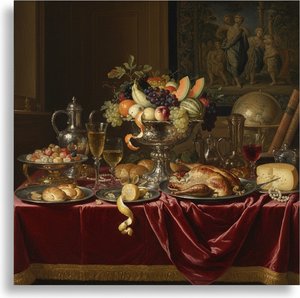
Abraham Hendricksz van Beyeren: Pioneering Dutch Still Life & the Banquet Tradition
Explore the captivating world of Dutch Golden Age still life with Abraham van Beyeren. Discover his innovative techniques, symbolic banquet scenes & lasting influence on art history. Learn about collecting these masterpieces.

Golden Light & Dutch Skies: The Timeless Magic of Dutch Golden Age Landscapes
Discover the breathtaking beauty of Dutch Golden Age landscapes. Explore the mastery of light, chiaroscuro, and 17th-century realism through an expert art history lens, celebrating the enduring legacy of the Dutch Masters for discerning collectors and art lovers.


