

 Esikatselu
 Jaa
Jaa Jaa
Jaa
 Tarkemmat tiedot

 Lataa
Lataa
 Samanlaisia
 Röntgenkuva
 Diaesitys
The Rainbow (also known as Rainbow over Burnley)


 Näytä lisää
Käsinmaalattu öljykopio
Käsinmaalattu öljyväri kankaalle haluamassasi koossa ja kehyksissä, taiteilijoidemme valmistamana tilauksesta. ( Osta printti Osta kuva)




P118B $10

P118H $10

P118W $10

P438Z $10

P508JH $12

P508YH $12

P805H $10

P805Z $10

P919BZ $10

P919G $10

P919XJ $10

P959ZH $10

P968JZ $12

W106C $8

W218G $10

W218JH $8

W218Y $10

W307PJ $10

W316G $10

W316PJ $8

W316Y $10

W398PJ $8

W4111J $10

W500HY $15

W500JH $15

W692G $12

W849H $8

W940BG $15

W953PJ $8




Valitse valmiista mitoistamme sellaiset, jotka vastaavat teoksen alkuperäisiä mittasuhteita.

Voit syöttää omat mitat sopimaan tiettyyn kehykseen tai tilaan. Jos valitsemasi koko ei vastaa alkuperäisen kuvan mittasuhteita, rajaamme taideteoksen tai jatkamme maalausta käsin maalatuilla elementeillä. Digitaalinen esikatselu lähetetään hyväksyttäväksi ennen tuotannon aloittamista.
Huomioithan, että näytöllä oleva esikatselu ei vastaa todellista rajausta tai jatkamista. Vain digitaalinen mallikuva näyttää lopullisen sommittelun tarkasti.
Vaikka mittatilaustyöt ovat mahdollisia, suosittelemme valitsemaan mitan ennalta määritetystä listasta alkuperäisten mittasuhteiden säilyttämiseksi.
Tilauksen jälkeen OriginalUniqueArt.com -tiimi lähettää asiakkaalle ohjeet ja esikatselukuvan.
Maailmanlaajuinen toimitus () 3–4 viikossa tavallisen 5 viikon sijaan. (22 elokuu). Laadusta ei tingitä.

Ilmainen pikatoimitus ympäri maailman

Korkealaatuinen pellavakangas

Kattava kuljetusvakuutus

Tulliveron palautustakuu

Täydellinen värien vastaavuustakuu

60 päivän palautusoikeus (vain valmistusvirheet)

100% rahat takaisin -takuu

Määräalennus tarjous
 Lasivaihtoehto on saatavilla vain alle 110 cm kokoisina teoksina

The Rainbow (also known as Rainbow over Burnley)
Reproduktiotekniikka
Replikaatin koko
-


Kokonaishinta
$ 300
Teoksen kuvaus
A Celestial Spectacle Over the Australian Landscape
In the annals of Australian impressionism, few works capture the fleeting majesty of the natural world as poignantly as Frederick McCubbin’s The Rainbow, also known as Rainbow over Burnley. Painted in 1910, this evocative oil on panel serves as a breathtaking window into a moment where the heavens and the earth collide in a display of atmospheric drama. The composition is dominated by a sweeping, vibrant rainbow that arches across the sky, acting as a bridge between the turbulent, swirling clouds above and the grounded reality of the landscape below. McCubbin masterfully captures a sense of transition, where the heavy, bruised tones of an approaching or receding storm give way to a sudden, luminous clarity. The scene is set against the backdrop of the Burnley quarry, a significant industrial site in Melbourne during the early 20th century, providing a profound contrast between the raw, man-made scars of industry and the unbridled, ethereal beauty of the meteorological phenomenon.
The artistry of McCubbin is most evident in his sophisticated command of light and texture. Utilizing an impressionistic approach, he employs loose, expressive brushstrokes that prioritize the sensation of movement over rigid anatomical or architectural detail. The technique involves a rhythmic interplay of thick and thin paint applications, creating a tactile surface that seems to vibrate with life. His palette is a masterful study in color harmony; deep blues and verdant greens evoke a sense of profound serenity, while the rainbow itself introduces a spectrum of vivid, saturated hues that pierce through the atmospheric haze. This wet-on-wet technique allows colors to bleed and blend softly into one another, producing an ethereal, dreamlike quality that mimics the way light scatters through moisture in the air, making the entire sky feel as though it is breathing.
Symbolism and the Emotional Resonance of Nature
Beyond its visual splendor, The Rainbow carries a deep symbolic weight that speaks to the Australian identity and the human condition. The juxtaposition of the industrial Burnley quarry with the celestial rainbow serves as a powerful metaphor for the tension between progress and preservation. It invites the viewer to contemplate the resilience of natural beauty even amidst the encroachment of industrialization. There is an inherent sense of awe and perhaps a touch of apprehension in the swirling, dark cloud formations, reminding us of the immense, uncontrollable forces of nature that dwarf human endeavors. Yet, the presence of the rainbow offers a counter-narrative of hope, promise, and renewal, suggesting that even after the most turbulent storms, light and color will inevitably return.
For the discerning collector or interior designer, this masterpiece offers more than just aesthetic appeal; it provides an emotional anchor for any space. The painting’s ability to evoke both tranquility and dynamic energy makes it a versatile centerpiece for sophisticated decor. Whether placed in a quiet study to inspire contemplation or in a grand living area to serve as a conversation piece, the work brings a sense of historical depth and natural grandeur. Owning a high-quality reproduction of this McCubbin classic allows one to invite the spirit of the Australian landscape into their home, celebrating a legacy of light, color, and the enduring magic of the sky.
Taiteilijan elämäkerta
A Life Rooted in the Australian Landscape
Frederick McCubbin, born February 25th, 1855, in Melbourne, Australia, stands as a cornerstone of Australian art—a figure inextricably linked to the nation’s evolving identity and its distinctive visual language. His journey from humble beginnings—the son of bakers who instilled in him a profound work ethic—to becoming a pivotal voice within the Heidelberg School is testament to his unwavering dedication and artistic vision. McCubbin's formative years were marked by diverse experiences; he served as solicitor’s clerk, assisting in the family bakery before fully embracing his calling as a painter. These seemingly disparate influences imbued him with an unparalleled understanding of everyday Australian life—a theme that would permeate throughout his oeuvre. He received foundational training at the National Gallery of Victoria's School of Design, studying under esteemed artists like Eugene von Guerard and George Folingsby, honing his skills in landscape painting while absorbing the prevailing artistic currents of the time. A decisive turning point arrived with his enduring friendship with Tom Roberts—a bond that would shape the trajectory of Australian art history.The Heidelberg School: Defining a National Aesthetic
In 1885, McCubbin and Roberts established Box Hill Artists’ Camp—a landmark event propelling the development of the Heidelberg School movement. This plein air collective—soon bolstered by Arthur Streeton and Charles Conder—pursued an unprecedented ambition: to capture the essence of Australian life and landscapes with breathtaking immediacy and authenticity. Rejecting the conventions of European academic painting, they ventured into the bush, embracing its raw beauty alongside its harsh realities—a deliberate defiance of artistic norms. McCubbin’s contributions during this period were instrumental in establishing a uniquely Australian aesthetic. His paintings from this era—such as *Down on His Luck* (1889), *On the Wallaby Track* (1896), and *The Pioneer* (1904)—became iconic representations of pioneering life, portraying the struggles and resilience of early settlers against the backdrop of a vast and often unforgiving landscape. These works weren’t merely depictions of scenery; they were narratives imbued with social commentary—exploring themes of solitude, hardship, and the complex relationship between European settlers and the Indigenous land. Heidelberg School artists sought to portray Australia as it truly was—moving away from imported styles and subjects—resulting in canvases brimming with vibrant color and evocative atmosphere.Early Influences and Artistic Training
McCubbin’s artistic education began at William Willmett's West Melbourne Common School and St Paul’s School, Swanston Street. He subsequently gained practical experience as a solicitor’s clerk and worked in his family’s bakery business—experiences that fostered an acute awareness of the Australian vernacular. Crucially, he enrolled at the National Gallery of Victoria Art School under Eugène von Guerard and George Folingsby—studying landscape painting alongside fellow artists who would become lifelong companions. This formative training instilled him with a deep appreciation for artistic technique and exposed him to the stylistic innovations emerging from Europe during that time. Notably, his friendship with Tom Roberts proved pivotal; Roberts’ return from art studies in Paris brought European Impressionism into McCubbin's orbit—a catalyst for stylistic evolution.Major Achievements: Iconic Landscapes and Artistic Legacy
McCubbin achieved lasting renown through his masterful depictions of the Australian bush—particularly *Down on His Luck*, *On the Wallaby Track*, and *The Pioneer*. These paintings exemplify the Heidelberg School’s commitment to capturing the spirit of Australia with unparalleled honesty and vibrancy. They are celebrated for their luminous color palettes, expressive brushstrokes, and evocative compositions—elements that convey not only visual beauty but also profound emotional resonance. Furthermore, McCubbin served as president of both the Victorian Artists' Society and the Australian Art Association—demonstrating his commitment to fostering artistic excellence within Australia. His influence extended beyond his own paintings; he mentored aspiring artists and championed a distinctly Australian artistic vision. Frederick McCubbin’s legacy continues to inspire artists today—his ability to convey the grandeur and melancholy of the bush landscape securing his place as one of Australia's most revered painters.
Frederick McCubbin
1855 - 1917 , Australia
Pikatiedot
- Artistic Movement Or Style: Heidelberg School
- Artists Or Movements Influenced By This Artist:
- J.M.W. Turner
- French Impressionists
- Artists Who Influenced This Artist:
- Eugene von Guerard
- George Folingsby
- Date Of Birth: Feb 25, 1855
- Date Of Death: Dec 20, 1917
- Full Name: Frederick McCubbin
- Nationality: Australian
- Notable Artworks:
- On the Wallaby Track
- Down on His Luck
- The Pioneer
- Place Of Birth: Melbourne, Australia
Liittyvät artikkelit

Top 10 Impressionistimaisemaa: Taideteokset jotka muuttivat taiteen – OriginalUniqueArt.fi
Tutustu 10 ikoniseen impressionistimaisemaan! Claude Monet’n ja muiden mestareiden teokset heräävät eloon. Taiteen historiaa, tekniikoita ja inspiraatiota kotiisi – OriginalUniqueArt.com:sta löydät museolaatuiset taideprintit ja sisustusehdotukset. Tutki kokoelma verkossa!

Impressionismin mestariteokset: Maisemamaalauksen lumo OriginalUniqueArtissa
Tutustu impressionismin lumoavaan maailmaan! Koe Claude Monet'n, Renoir'n ja muiden mestareiden ikonisten maisemamaalausten tarinat. Löydä inspiraatiota sisustukseen OriginalUniqueArtista – taidetta museolaadulla. Explore the full collection online!

Evocations of Place: A Historical Journey Through Landscape Art
Explore the rich history of landscape art with OriginalUniqueArt. Discover renowned artists, movements like Impressionism & Romanticism, and expert guidance for collecting timeless pieces. Find your perfect serene escape today!
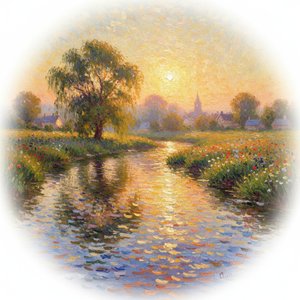
Capturing Light: A Masterclass in the Ethereal Beauty of Impressionistic Landscapes
Explore the ethereal beauty of Impressionist landscapes. Discover how masters like Monet captured fleeting light through color and texture, and learn to curate these timeless, luminous masterpieces for your home collection.

Romanttisen maisemamaalauksen mestariteokset: Taidetta ja inspiraatiota kotiin
Uppoudu romanttisen maisemamaalauksen maailmaan! Tutustu Caspar David Friedrichin, Turnerin ja muiden mestareiden ikonisiin teoksiin. Löydä inspiraatiota kotiisi taiteen avulla OriginalUniqueArt.comista – laadukkaat taideprintit ja sisustusideoita.


