

 Katso seinällä
 Lähetä
 Jaa
Jaa
 Tarkemmat tiedot
 Opas
Opas

 Lataa kuva
 Samanlaisia kohteita
 Röntgenkuvaus
 Diaesitys
 Tilastot
Cowpuncher
 Oil On Canvas
- WallArt
- American Romanticism
 1906
1906 76.0 x 53.0 cm
 Crystal Bridges Museum of American Art
 Lue lisää
Giclée- ja taideprintit
Museolaatuisia giclée- tai kankaitaulun tulosteita nopealla tuotannolla ja joustavilla viimeistelyvaihtoehdoilla. ( Tilaa käsinmaalattu jäljennös Siirry digitaaliseen kuvaan)




P118B €10

P118H €10

P118W €10

P438Z €10

P508JH €12

P508YH €12

P805H €10

P805Z €10

P919BZ €10

P919G €10

P919XJ €10

P959ZH €10

P968JZ €12

W106C €8

W218G €10

W218JH €8

W218Y €10

W307PJ €10

W316G €10

W316PJ €8

W316Y €10

W398PJ €8

W4111J €10

W500HY €15

W500JH €15

W692G €12

W849H €8

W940BG €15

W953PJ €8




Valitse valmiista mitoistamme sellaiset, jotka vastaavat teoksen alkuperäisiä mittasuhteita.

Kirjoita tarvitsemasi leveys ja korkeus, jotta tuloste sopii kehyskokoon tai seinällesi. Tulostetta voidaan vain leikata, sitä ei voi koskaan tehdä suuremmaksi kuin alkuperäinen kuva, joten eri muotoinen koko aiheuttaa osan kuvasta katoamisen. Lähetämme sinulle digitaalisen mallikuvan hyväksyttäväksi ennen kuin aloitamme tulostuksen. Tällä sivulla näkyvä kuva ei näytä lopullista leikkausta — vain mallikuva näyttää sen.
Maailmanlaajuinen toimitus () 2 viikossa tavallisen 4–5 viikon sijaan. (21 lokakuu)

Ilmainen pikatoimitus ympäri maailman

Korkealaatuinen pellavakangas

Kattava kuljetusvakuutus

Tulliveron palautustakuu

Takuu täydellisestä värien vastaavuudesta

100 päivän palautusoikeus valmistusvirhetapauksissa

100% rahat takaisin -takuu

Määräalennus saatavilla
 Lasivaihtoehto on saatavilla vain alle 110 cm kokoisille teoksille

Cowpuncher
Giclée- ja taideprintit
Replikaatin koko
-


Kokonaishinta
€ 70
A Twilight Vision: Frederic Remington’s “Cowpuncher”
Frederic Remington's "Cowpuncher," painted in 1906, isn’t merely a depiction of a cowboy; it’s a carefully constructed tableau of the American West on the cusp of profound change. Completed during a pivotal decade for the artist – a period marked by both burgeoning recognition and a deepening sense of melancholy – the painting embodies Remington's evolving artistic vision and his poignant contemplation of a vanishing frontier. The scene unfolds under a dramatic, almost theatrical twilight sky, rendered in rich, earthy tones that speak to the land itself. Notice how Remington masterfully employs opaque and transparent pigments, layering them to create an illusion of depth and texture – the rough bark of the trees, the dusty ground beneath the horse’s hooves, and the subtle shimmer of light on the cowboy's jacket all contribute to a remarkably tactile experience. The composition is deliberately balanced, drawing our eye to the central figure of the cowboy, yet simultaneously enveloping him within the vastness of the landscape. This isn’t a romanticized portrait of rugged individualism; it’s a study in solitude and resilience, reflecting Remington’s own growing awareness of the West's impending transformation.The Nocturne as Narrative
Remington’s choice to depict a nocturnal scene was remarkably innovative for his time. Traditionally, nocturnes – paintings of night scenes – were associated with Romanticism, evoking feelings of mystery and drama. However, Remington skillfully adapted this genre to the American West, imbuing it with a distinctly Western sensibility. He deliberately avoids overt sentimentality, instead presenting a starkly realistic portrayal of twilight. The darkness isn’t oppressive; rather, it serves as a backdrop for the cowboy's quiet contemplation. The horse, a powerful and essential element of the Western narrative, is rendered with meticulous detail – its muscles taut beneath its coat, its gaze fixed on an unseen horizon. It’s a creature deeply intertwined with the cowboy’s identity and livelihood. The inclusion of the dog, positioned near the bottom left corner, adds another layer to the scene, suggesting companionship and loyalty in this isolated environment. Remington's decision to focus on the *feeling* of twilight—the transition between day and night—is a key element of the painting’s enduring appeal.Symbolism of the Vanishing West
“Cowpuncher” is profoundly symbolic, reflecting Remington’s own evolving perspective on the American West. The cowboy himself represents a fading way of life – a symbol of independence, self-reliance, and a connection to the land that was increasingly threatened by industrialization and urbanization. The dark trees behind him aren't merely decorative; they symbolize the encroaching boundaries of civilization, subtly hinting at the loss of wilderness and the disruption of traditional nomadic lifestyles. The painting’s muted color palette—dominated by browns, grays, and ochres—underscores this sense of decline and the somber mood that permeates the scene. Remington was acutely aware of the changes sweeping across the West, and “Cowpuncher” can be interpreted as a lament for a disappearing world – a poignant reminder of a romanticized past. The painting’s title itself, "Cowpuncher's Lullaby," suggests a quiet, almost mournful song accompanying this transition.Technique and Legacy
Remington’s masterful technique is evident in every brushstroke. He employed a broken-color style, applying paint in short, distinct strokes to create texture and depth. This approach lends the painting a remarkable sense of immediacy and vitality. The use of chiaroscuro – the dramatic contrast between light and shadow – further enhances the scene's atmosphere, drawing attention to the central figure while simultaneously enveloping him in darkness. “Cowpuncher” solidified Remington’s reputation as one of America’s premier artists of the West, influencing generations of painters and shaping our collective image of the frontier. It remains a powerful testament to his artistic skill and his profound understanding of the American spirit—a poignant reflection on a vanishing world captured in exquisite detail. Reproductions of this iconic work continue to resonate with viewers today, offering a glimpse into a bygone era and reminding us of the enduring allure of the West.- Size: 76 x 53 cm
- Date: 1906
- Artist: Frederic Remington
- Birth Year: 1861
- Death Year: 1909
- Birth City: Canton
- Birth Country: United States of America
Kysymykset ja vastaukset
Mikä sijoittelu sopii teoksen Frederic Remington:n "Cowpuncher" formaattiin?
Muoto (Portrait) ja suositeltu tila (Living Room) ovat kaksi teokselle Frederic Remington:n "Cowpuncher" kirjattua sijoittelutietoa.
Miten teos "Cowpuncher" sijoittuu osaksi Frederic Remington'n tuotantoa?
Frederic Remington'n tuotannossa "Cowpuncher" edustaa American Romanticism-tyyliä ja kytkeytyy remington’s western romanticism, twilight, frontier life”, “american west narrative”, “nostalgia for past”, “remington’s nocturne style” teemoihin.
Mitä aihetta ja tunnelmaa Frederic Remington:n "Cowpuncher" yhdistää?
"Cowpuncher" esittää aiheita cowboy, westward expansion, nocturne, twilight, frontier, remington, landscape, rural, ja sen tunnelmaksi on tallennettu Calm.
Taiteilijan elämäkerta
A Chronicler of the Vanishing West: The Life and Art of Frederic Remington
Frederic Sackrider Remington, syntyvä Cantonissa New Yorkissa lokakuun 4 päivänä vuonna 1861, ei ollutkaan se lännenmies, jonka taideteokset niin elävästi kuvasivat; pikemminkin hän oli itäinen mies, joka muovasi oman taiteellisen identiteettinsä kiinnostuksen ja omistautuneen opiskelun kautta. Hänen perimänsä viittasivat elämään, joka oli kaukana pölyisistä polkuista ja ratsuväen taisteluista – ranskalais-baskijan juuret sekoittuivat vahvan republikaalisen New Englandin juurien kanssa, isän, joka oli sisällissodan kenraali ja sanomalehden päätoimittaja, sekä kuuluisan Remington Arms -dynastian kaukana sukulaisuudet. Silti varhainen altistuminen sotateemoille, yhdistettynä levottomaan sieluun ja tarkkaan havaintokykyyn, asetti hänet polulle, joka johti lopulta hänen rooliinsa yhtenä Amerikan lännen tunnetuimmista taiteilijoista. Hänen lapsuutensa siirtyi Bloomingtoniin Illinoisissa, takaisin Cantoniin ja lopulta Ogdensburgiin New Yorkissa, mutta hänen mielikuvaharvensa pysyivät vangittuna tarinoihin etelämästä. Vaikka hänet aluksi ohjattiin sotakoulutukseen Vermont Episcopal Instituutissa, Remingtonin todellinen kutsumus ei ollutkaan komentoja noudattaminen, vaan maailman havainnointi ja tulkinta taiteen kautta. Lyhyt harjoitus Yale-yliopistossa vahvisti tätä – jalkapallo ja piirtäminen olivat paljon kiinnostavampia kuin muodollinen akateeminen opiskelu.Illustraattorista Maalaajaksi: Taiteellisen Visioiden Muodostaminen
Remingtonin taiteellinen matka alkoi ei suurilla kankailla, vaan musteella ja paperilla. Hänen ensimmäinen julkinen työnsä, sarjakuva *Yale Courant* -lehdessä, osoitti varhaista valmiutta vangita toimintaa ja tarinaa. Keskeinen matka Montanaan vuonna 1881 sytytti hänen elämänsä ajan länteen kohdistuvaan intohimoon. Tämä ei ollutkaan turistin silmän vilkaisu; Remington pyrki uppoutumaan kulttuuriin, tarkkaillen cowboyja, alkuperäisväestöä ja itse maisemaa. Hän yritti aluksi ranch-yrityksiä ja kaivostoimintaa, mutta ne osoittautuivat epäonnistuneiksi, vapauttaen hänet täysin omistautumaan taiteelle. Palaamisen jälkeen itään hän nopeasti vakiinnutti asemansa kuvittajana merkittävillä aikakauslehdillä, kuten *Harper’s Weekly* -lehdessä, ja hänen dynaamiset lännenmaisemien kuvauksensa vangitsivat kansan huomion intohimolla etelän tarinoihin. Nämä kuvaukset eivät olleet pelkästään raportointia; ne olivat täynnä draamaa, energiaa ja romantisoitua näkemystä lännestä, joka resonoi syvästi yleisön mielikuvituksessa. Tämän työn kautta Remington hionteli taitojaan kompositioissa, liikkeen vangitsimisessa ja tunteen välittämisessä – ominaisuuksia, jotka myöhemmin määrittelivät hänen maalauksiaan. Hän sai vain vähän muodollista koulutusta muuta kuin piirustelua Yale-yliopistossa ja lyhyen ajan taidepiiriläisenä New Yorkin Taideakatemian piirissä, kehittäen sen sijaan oman, tunnistettavan tyylinsä, joka oli tunnettu energisestä siveltimestä, rohkeista väreistä ja keskittymisestä realismiin sekoitettuna dramaattiseen tyyliin.Vanhenevien Maisemien Kuvaajat: Teemat ja Tyyli
Remingtonin taide on tiiviisti sidoksissa tiettyyn ajankohtaan Amerikan historiassa – lännen hämärään. Hänen maalauksensa ovat asettuneet ikonisten hahmojen luokse: kovaa cowboyta, ratsuväkeä ja Yhdysvaltain jalkaväen sotilaita sekä sekä heroottisiin taisteluihin että surullisiin konflikteihin. Hän ei vältellyt kuvaamasta lännen karuja todellisuuksia, mutta hänen työnsä on usein romantisoitua esitystä, korostaen rohkeutta, seikkailua ja kulttuurien välistä törmäystä. Hänen maalauksensa eivät ole pelkästään historiallisia dokumentteja; ne ovat tunteisiin vetoavia tarinoita, jotka tutkivat heroismia, menetystä ja edistymisen väistämätöntä etenemistä. Remingtonin tyyli kehittyi ajan myötä, liikkuen tiukempien, akateemisempien esitysten puoleen löysempiin, tunteikkaampiin siveltimille. Hän oli mestari liikkeen vangitsemisessa – hevoset raivoissaan aavikolla, cowboyt taistelemassa karjaa vastaan ja sotilaat hyökkäämässä taisteluun. *Hän käytti usein nopeita luonnoksia ja valokuvia viitteinä, mutta hänen taiteensa ylitti pelkän jäljittelyn, se oli täynnä omaa ainutlaatuista näkemystään ja tunnetta.* Tunnettuja teoksia kuten *My Ranch*, *Waiting in the Moonlight*, *Ridden Down (1905)* ja *The Long-Horn Cattle Sign (1908)* esittävät hänen kykyään vangita sekä mahtavuutta että haavoittuvuutta Amerikan lännessä.Perintö ja Kestävää Vaikutusta
Frederic Remington kuoli yllättäen vuonna 1909, 48-vuotiaana, jättäen jälkeensä laajan teosten joukon, joka vangitsee edelleen yleisön huomion tänään. Hänen vaikutuksensa länsitaiteeseen on kiistaton; hän ei vain kuvannut länttä, vaan myös *määritti* sen sukupolvien amerikkalaisten mielessä. Hän loi visuaalisen kielen lännelle – ikonografian cowboyista, alkuperäisväestöstä ja jalkaväestä, joka juurtui syvälle kansan mielikuviin. Hänen taiteensa ei ole pelkästään historiallisia dokumentteja; ne ovat tunteisiin vetoavia tarinoita, jotka tutkivat heroismia, menetystä ja edistymisen väistämätöntä etenemistä. Remingtonin tyyli on säilynyt ajan saatossa, ja hänen teoksiaan esitellään edelleen merkittävissä museoissa ympäri maata, kuten Metropolitan Museum of Artissa ja Amon Carter Museum of American Artissa. Hänen kuvauksensa, vaikka ne olisivatkin joskus romantisoineet länttä, tarjoavat arvokkaan näkemyksen ratkaisevasta ajanjaksosta Amerikan historiassa. Hän vangitsi ei vain mitä *oli*, vaan myös sitä, mitä ihmiset *uskoivat* lännestä – sen myyttejä, legendoja ja kestäviä houkutuksia. Hän on edelleen voimakas symboli Amerikan hengelle – dokumentaattori häviävästä maailmasta, joka muutti sen ikuisiksi taiteellisiksi perinnöksi.
Frederic Remington
1861 - 1909 , Yhdysvallat
Tietoa taiteilijasta
- Artistic Movement Or Style: Länteläinen taide
- Artists Or Movements Influenced By This Artist:
- N.C. Wyeth
- Zane Grey
- Date Of Birth: 4. lokakuuta 1861
- Date Of Death: 26. joulukuuta 1909
- Full Name: Frederic Sackrider Remington
- Nationality: Amerikkalainen
- Notable Artworks:
- My Ranch
- Waiting in the Moonlight
- Ridden Down (1905)
- The Long-Horn Cattle Sign
- Place Of Birth: Canton, Yhdysvallat
Aiheeseen liittyvät artikkelit

Evocations of Place: A Historical Journey Through Landscape Art
Explore the rich history of landscape art with OriginalUniqueArt. Discover renowned artists, movements like Impressionism & tonalism, and expert guidance for collecting timeless pieces. Find your perfect serene escape today!

Romanttisen maisemamaalauksen mestariteokset: Taidetta ja inspiraatiota kotiin
Uppoudu romanttisen maisemamaalauksen maailmaan! Tutustu Caspar David Friedrichin, Turnerin ja muiden mestareiden ikonisiin teoksiin. Löydä inspiraatiota kotiisi taiteen avulla OriginalUniqueArt.comista – laadukkaat taideprintit ja sisustusideoita.
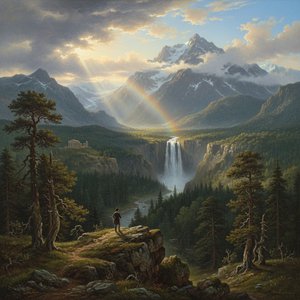
Evoking Nature's Sublime: A Comprehensive Exploration of 19th-Century Landscape Painting
Explore the captivating world of 19th-century landscape painting! Discover renowned artists like Friedrich & Monet, key movements, and find the perfect artwork to bring nature's serenity into your home. Expert insights at OriginalUniqueArt.

Evocations of Place: A Historical Journey Through Landscape Art
Explore the rich history of landscape art with OriginalUniqueArt. Discover renowned artists, movements like Impressionism & Romanticism, and expert guidance for collecting timeless pieces. Find your perfect serene escape today!

John Constablein 25 mestariteosta: Taidetta ja tunnelmaa kotiisi – OriginalUniqueArt.com
Tutustu John Constable'n 25 mestariteokseen – romanttisia maisemamaalauksia, jotka vangitsevat englantilaisen luonnon tunnelman. Taidehistoriaa ja inspiraatiota kotiisi OriginalUniqueArt.com:ssa. Löydä kaikki taideteokset verkossa!

