German Expressionism · 1914
Fighting Forms (Franz Marc, 1914)
Franz Marc (1880–1916) on luonut teoksen Fighting Forms. Se on peräisin vuodelta 1914. Se kuuluu German Expressionism-liikkeeseen. Se on valmistettu materiaalilla Oil On Canvas. Teos sijaitsee Bayerische Staatsgemäldesammlungen -museossa paikassa München, Saksa. Mitat ovat 91 × 131 cm.
- 1914
- Oil On Canvas
- 91 × 131 cm
- Bayerische Staatsgemäldesammlungen, München

 Esikatselu

 Käsinmaalattu öljymaalaus
 Jaa teos
 Jaa
 Teostiedot


 Lataa kuva
 Samanlaisia kohteita
 Röntgenkuvaus
 Diaesitys
 Kysymykset ja vastaukset

 Tilastot
Fighting Forms lyhyesti
- Teoksen nimi
- Fighting Forms
- Taiteilija
- Franz Marc (1880–1916)
- Taiteilijan syntymäpaikka
- München, Saksa
- Päivämäärä
- 1914
- Tekniikka
- Oil On Canvas
- Mitat
- 91 × 131 cm
- Missä teos on nähtävissä
- Bayerische Staatsgemäldesammlungen, München, Saksa
- Taidesuuntaus
- German Expressionism
- Aihe
- expressionism, conflict, red, black, animals, anxiety
Mitä Fighting Forms esittää?
A Symphony of Conflict: Unpacking the Power of Franz Marc’s *Fighting Forms*
Franz Marc's 1914 painting, *Fighting Forms*, isn’t merely a visual representation; it’s an intensely felt experience. Created during a period of escalating anxieties surrounding the impending First World War, this work embodies the core tenets of Expressionism – a movement dedicated to conveying subjective emotions and inner turmoil rather than objective reality. Marc, a founding member of Der Blaue Reiter, sought to capture not just what he saw, but how he *felt*, channeling his spiritual concerns into a language of vibrant color and dynamic form. The painting immediately confronts the viewer with a swirling vortex of red and black, hues that instinctively evoke danger, struggle, and perhaps even death. Yet, within this apparent chaos lies a profound sense of yearning – a desperate plea for understanding amidst the looming darkness.
- The Palette of Emotion: Marc’s masterful use of color is paramount. The dominant reds represent aggression, violence, and the destructive forces threatening to consume humanity. These fiery tones are juxtaposed with the darker blacks and browns, symbolizing the unknown, the unconscious, and the inevitable consequences of conflict.
- Animal as Symbol: As a lifelong devotee of the animal kingdom, Marc frequently employed them as symbolic figures in his work. While not explicitly depicted here, the forms themselves suggest a primal struggle – a dance between predator and prey, life and death. This connection to the natural world provides a grounding element within the painting’s emotional intensity.
Deconstructing Abstract Forms: A Language of Tension
The composition of *Fighting Forms* is deliberately abstract, eschewing realistic representation in favor of conveying raw emotion. The swirling shapes aren't meant to depict specific objects or figures; instead, they embody the very essence of conflict – a chaotic interplay of opposing forces. Marc’s brushwork is loose and gestural, emphasizing movement and energy over precise detail. Notice how the lines seem to vibrate with an almost palpable tension, mirroring the anxieties of the era. The painting feels less like a static image and more like a captured moment of intense emotional upheaval – a visual representation of a battle waged not just on the battlefield, but within the human psyche.
Technique & Materials: Executed in oil on canvas, Marc’s technique is characterized by bold strokes and an expressive application of paint. The layering of colors creates depth and dynamism, while the loose brushwork contributes to the painting's overall sense of movement and urgency.Historical Context: A Precursor to War
To fully appreciate *Fighting Forms*, it’s crucial to understand its creation within the context of 1914. Europe was teetering on the brink of war, and Marc, like many artists of his time, felt a deep sense of foreboding. His work reflects this anxiety – not through explicit depictions of warfare, but through an exploration of the underlying emotions that fueled it: fear, uncertainty, and the potential for destruction. *Fighting Forms* can be seen as a visual meditation on the fragility of peace and the ever-present threat of violence. It’s a poignant reminder of how art can serve as a powerful reflection of its time.
A Legacy of Emotional Resonance
Franz Marc's *Fighting Forms* remains a profoundly moving work of art, continuing to resonate with viewers over a century later. Its abstract forms and emotionally charged colors capture the anxieties of a turbulent era while simultaneously offering a glimpse into the artist’s deeply held spiritual beliefs. Reproductions of this powerful painting offer an opportunity to bring its intensity into any space, prompting contemplation on themes of conflict, spirituality, and the enduring human condition. Consider how the vibrant hues might transform a room – injecting it with a sense of urgency and introspection.
Missä museossa teos Fighting Forms sijaitsee?
Bayerische Staatsgemäldesammlungen
München, Saksa
Bayerische Staatsgemäldesammlungen historia Bayerische Staatsgemäldesammlungen juuret ulottuvat vuoteen 1799, jolloin perustettiin Centralgemäldegaleriedirektion. Münchenissä, Saksassa sijaitseva instituutio sai alkunsa kuratoidun tilan, joka oli tarkoitettu kuninkaallisille kokoelmille. Tämä varhainen tarkoitus heijastaa aikakautta, jolloin taide kuului aatelin yksityisiin piireihin, ennen kuin se siirtyi nykyiseen muotoonsa julkiseksi resurssiksi.


Fighting Forms korkearesoluutioiset kuvat

Tekijänoikeudet: teos on vapaasti käytettävissä, taiteilija kuoli vuonna 1916.
Muut koot, rajaukset ja viittaukset →Franz Marc, Fighting Forms (1914).
Franz Marc (1880–1916), Fighting Forms, 1914, oil on canvas, Bayerische Staatsgemäldesammlungen, München, Saksa. Tekijänoikeudet vapaat. Kuva: OriginalUniqueArt.com.
Kysymyksiä teoksesta Fighting Forms ja vastauksia niihin
Missä voin nähdä alkuperäisen teoksen Franz Marc:n "Fighting Forms"?
Voit nähdä alkuperäisteoksen "Fighting Forms" kohteessa Bayerische Staatsgemäldesammlungen, München, Saksa.
Milloin "Fighting Forms" on tehty?
Teos Franz Marc:n "Fighting Forms" on valmistunut vuonna 1914.
Millä tekniikalla "Fighting Forms" on tehty?
Teoksen Franz Marc:n "Fighting Forms" tekniikka on Oil On Canvas. Vedosten tavoitteena on jäljitellä tämän tekniikan ulkoasua.
Mitkä ovat alkuperäisen Franz Marc:n "Fighting Forms" mitat?
Teoksen "Fighting Forms" alkuperäiset mitat ovat 91 x 131 cm. Alkuperäiset mitat ovat hyödyllinen vertailukohta, kun valitset reproduktion kokoa.
Mitä aiheita teoksessa Franz Marc:n "Fighting Forms" esiintyy?
Teoksen Franz Marc:n "Fighting Forms" teemoihin kuuluvat expressionism, conflict, red, black, animals, anxiety, war, forms. Yhdessä ne tiivistävät teoksen aiheen.
Onko teoksen Franz Marc:n "Fighting Forms" kuva vapaasti käytettävissä?
Tekijänoikeuksien osalta teos "Fighting Forms" on vapaasti käytettävissä – tekijänoikeussuoja on päättynyt.
Kenen teokseksi "Fighting Forms" on merkitty?
Teos "Fighting Forms" on yhdistetty Franz Marc.
Mihin taidesuuntaukseen Franz Marc:n "Fighting Forms" kuuluu?
"Fighting Forms" on German Expressionism-tyylisuuntaan kuuluva teos. Tyylisuunta ilmaisee taiteellisen perinteen, johon teos kuuluu.
Mihin Franz Marc'n uran vaiheeseen "Fighting Forms" kuuluu?
"Fighting Forms" edustaa taiteilijan Franz Marc tuotantokautta Late Period."
Tietoa taiteilijasta, Franz Marc

1880–1916, Saksa
Franz Marc
Varhaisluonnos, perhe ja taiteellinen kasvu Franz Marc syntyi Münchenissä, Saksassa, kotiin, jossa maisemamaalauksen visuaalinen kieli oli jo vakiintunut osa arkea. Hänen isänsä, Wilhelm Marc, työskenteli ammattimaisena maisemamaalarina, mikä tarjosi suoran, vaikkakin täysin varman, esittelyn taiteen mekaniikkaan. Tämä perheside tarkoitti, että taiteen työkalut olivat läsnä jo lapsuudesta lähtien, mutta Marcin polku ei kuitenkaan ollut suora viiva perinnöstä kankaalle. Ennen kuin hän omisti itsensä maalaamiselle, hän vietti aikaa teologian parissa – hengellisen pohdiskelun aikakausi, joka myöhemmin määritti hänen visuaalisen tuotantonsa intensiteetin.
Tietoa taiteilijasta Franz Marc Franz Marcn merkittävimmät teokset
Myös Franz Marc -teoksia
 Sininen hevonen I1911
 nimettömäksi (4325)
 Suuret siniset hevoset1911
 Tyrol1914
Esseitä teoksesta Fighting Forms
 The Visceral Language of Emotion: Exploring Representations of Intense Feeling in Art HistoryExplore the profound history of emotional representation in art. Discover how masters like Goya evoked feeling & the impact of affect theor…
 25 Masterpieces by Franz Marc: The Soul of German ExpressionismFranz Marc co-founded the Blue Rider movement in Munich. See 25 works including The Large Blue Horses and Tyrol from the era of Expressioni…
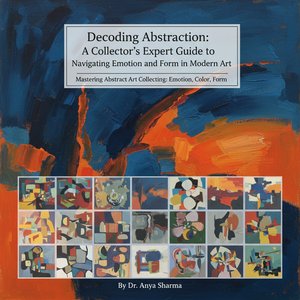 Abstraktion kieli: Tunne ja merkityksen tulkinta modernissa taiteessaTutustu abstraktin taiteen kiehtovaan maailmaan! Oppaanamme alan johtavat asiantuntijat. Löydä inspiraatiota, ymmärrä teosten merkityksiä j…