

 Katso seinällä
 Lähetä
 Jaa
Jaa
 Tarkemmat tiedot
 Opas
Opas

 Lataa kuva
 Samanlaisia kohteita
 Röntgenkuvaus
 Diaesitys
 Tilastot
Zinc Yellow
 Oil On Canvas
- WallArt
- Abstract Expressionism
 1959
1959- Modern
 236.0 x 201.0 cm
 Chrysler Museum of Art
 Lue lisää
Tällä sivulla esitettyä taideteosta suojaa tekijänoikeuslaki, mikä tarkoittaa, ettemme voi laillisesti luoda tai myydä täsmälleen samanlaista jäljennöstä. Tämä suoja toteutetaan kansainvälisten sopimusten, kuten esimerkiksi Berne-konventio ja kansallisilla laeilla, mukaan lukien niillä määritellyt Yhdysvaltain tekijänoikeuslaki – Luku 17. Kaikki oikeudet pidätetään. Luvaton kopiointi tai jäljittely on kielletty.
Tämä menetelmä noudattaa täysin tekijänoikeussäännöksiä, sillä se ei sisällä suojatun taideteoksen kopioimista tai jäljentämistä. Sen sijaan kyseessä on luova uudelleentulkinta – uusi maalaus, joka ammentaa vaikutteita alkuperäisestä, mutta ei ole sen identtinen kopio.
Giclée- ja taideprintit
Museolaatuisia giclée- tai kankaitaulun tulosteita nopealla tuotannolla ja joustavilla viimeistelyvaihtoehdoilla. ( Tilaa käsinmaalattu jäljennös Siirry digitaaliseen kuvaan)




P118B €10

P118H €10

P118W €10

P438Z €10

P508JH €12

P508YH €12

P805H €10

P805Z €10

P919BZ €10

P919G €10

P919XJ €10

P959ZH €10

P968JZ €12

W106C €8

W218G €10

W218JH €8

W218Y €10

W307PJ €10

W316G €10

W316PJ €8

W316Y €10

W398PJ €8

W4111J €10

W500HY €15

W500JH €15

W692G €12

W849H €8

W940BG €15

W953PJ €8




Valitse valmiista mitoistamme sellaiset, jotka vastaavat teoksen alkuperäisiä mittasuhteita.

Voit syöttää omat mitat sopiaksesi tiettyyn kehykseen tai tilaan. Jos valittu koko ei vastaa alkuperäisen kuvan mittasuhteita, rajaamme teosta tai laajennamme kuvaa peilatulla tai yhtenäisellä reunalla. Digitaalinen mallikuva lähetetään hyväksyttäväksi ennen tuotannon aloittamista.
Huomaathan, että näytöllä näkyvä esikatselu ei vastaa lopullista rajausta tai laajennusta. Vain mallikuva näyttää lopullisen sommittelun tarkasti.
Vaikka räätälöityjä kokoja on saatavilla, suosittelemme valitsemaan mitat valmiista listasta alkuperäisten mittasuhteiden säilyttämiseksi.
Maailmanlaajuinen toimitus () 2 viikossa tavallisen 4–5 viikon sijaan. (13 lokakuu)

Ilmainen pikatoimitus ympäri maailman

Korkealaatuinen pellavakangas

Kattava kuljetusvakuutus

Tulliveron palautustakuu

Takuu täydellisestä värien vastaavuudesta

100 päivän palautusoikeus valmistusvirhetapauksissa

100% rahat takaisin -takuu

Määräalennus saatavilla
 Lasivaihtoehto on saatavilla vain alle 110 cm kokoisille teoksille

Zinc Yellow
Giclée- ja taideprintit
Replikaatin koko
-


Kokonaishinta
€ 69
A Symphony of Contrast: The Raw Power of Zinc Yellow
In the pantheon of Abstract Expressionism, few works command the immediate, visceral attention of a room quite like Franz Kline’s Zinc Yellow. Completed in 1959, this monumental canvas serves as a breathtaking masterclass in reductive abstraction, where the boundaries between color and form dissolve into a singular, energetic event. At first glance, the viewer is met with an expansive, luminous field of yellow that seems to vibrate against the stark, structural interruptions of dark grey and black. It is not merely a painting; it is a physical presence. The work eschews traditional subject matter in favor of pure, unadulterated movement, inviting the observer to move beyond the search for recognizable figures and instead surrender to the rhythmic tension of the brushstrokes themselves.
The brilliance of this piece lies in its deceptive simplicity. While it may appear as a spontaneous outburst of emotion—a hallmark of the Action Painting movement—the composition is actually a result of profound, deliberate planning. Kline often utilized small oil studies to map out the architectural weight of his larger works, ensuring that each jagged stroke and heavy block of pigment achieved a perfect, precarious balance. This tension between spontaneity and control creates an intoxicating visual experience; the eye is pulled diagonally across the canvas, caught in a dance between the light-filled yellow expanse and the gravity-defying black forms that anchor the composition.
The Architecture of Emotion: Technique and Texture
To stand before a reproduction of Zinc Yellow is to witness the tactile legacy of the New York School. Kline was a master of impasto, applying oil paints with such density that the canvas transforms into a topographical map of artistic struggle. The thick, sculptural layers of pigment create palpable ridges and valleys, catching the light and casting minute shadows that change as one moves around the piece. This heavy application of paint lends the work a sense of permanence and weight, making it an ideal centerpiece for sophisticated interiors where texture is as vital as color.
The palette is intentionally restrained, yet its impact is maximalist. By limiting his vocabulary to the high-contrast relationship between yellow, black, and white, Kline achieves a clarity that transcends time. The white highlights do not merely sit atop the dark masses; they puncture them, acting as breaths of light that prevent the heavy blacks from becoming stagnant. For the collector or interior designer, this piece offers a unique versatility. Its bold, graphic nature allows it to anchor a minimalist modern space with authority, while its rich, painterly texture provides a necessary warmth and soul to more austere architectural settings.
A Legacy of Movement and Modernity
Historically, Zinc Yellow emerged from a period of intense artistic revolution. As part of the New York School, Kline worked alongside titans like Jackson Pollock and Willem de Kooning, yet he carved out a niche that was uniquely his own. While others sought total abstraction through drips and splatters, Kline utilized the language of structural geometry to convey emotional intensity. His work carries the echoes of the Old Masters—the dramatic chiaroscuro of Rembrandt and the commanding presence of Velázquez—reimagined for a mid-century world grappling with new forms of expression.
Ultimately, the enduring appeal of this masterpiece lies in its ability to evoke a sense of emotional release. There is a primal energy within these strokes that resonates with the human spirit, reflecting both the chaos and the underlying order of our existence. Whether viewed as a study in color theory or an exploration of gestural freedom, Zinc Yellow remains a profound statement of modern identity. It is a work that does not just decorate a wall; it transforms an environment, offering a window into the vigorous, searching heart of one of art history's most compelling visionaries.
Kysymykset ja vastaukset
Millaista kylläisyyttä ja intensiteettiä Franz Kline:n "Zinc Yellow" edustaa?
Teoksen Franz Kline:n "Zinc Yellow" värit ilmentävät Clear Color Presence kylläisyyttä ja Vivid voimakkuutta.
Mitä tunnetta Abstract Expressionism-tyylisuunnan teos "Zinc Yellow" välittää?
Abstract Expressionism-suuntauksen sisällä teos "Zinc Yellow" on tallennettu Energetic sävyllä.
Missä "Zinc Yellow" suositellaan sijoitettavan, kun otetaan huomioon sen väripaletti?
Franz Kline:n "Zinc Yellow" -teoksen Pastels värit soveltuvat erinomaisesti sen suositeltuun tilaan: Living Room.
Mistä kansallisuudesta "Zinc Yellow"-teoksen Abstract Expressionism kumpuaa?
"Zinc Yellow" on Franz Kline tekemä teos, joka on syntynyt Abstract Expressionism-suuntauksen vaikutuksesta; taiteilija on kotoisin Yhdysvallat. Taiteilijan alkuperä yhdistää teoksen Abstract Expressionism-tyyliin, jota Yhdysvallat -maasta kotoisin olevat taiteilijat edustavat.
Mistä voin nähdä esikatselun teoksesta "Zinc Yellow"?
"Zinc Yellow"-teoksen Esikatselu -sivulla voit esikatsella teosta ennen tilaamista.
Miten teoksen Franz Kline:n "Zinc Yellow" tunnelma on kuvattu?
"Zinc Yellow"-teoksessa on Bold tunnelma.
Miten voin katsella teosta Franz Kline:n "Zinc Yellow" diashow'na?
Diaporama on saatavilla: Franz Kline:n "Zinc Yellow" -teoksen Diaesitys -sivu.
Kuinka tunnettu teos "Zinc Yellow" on, jonka on luonut Franz Kline?
Teoksen Franz Kline:n "Zinc Yellow" suosiotaso on Iconic.
Taiteilijan elämäkerta
Kontrastien muovaama elämä: Franz Klinen maailma
Franz Kline, abstraktin ekspressionismin keskeinen hahmo, on taiteilija, jonka teokset resonoivat edelleen raa'an voiman ja emotionaalisen syvyyden kanssa. Hänen elämäänsä merkitsi varhainen kärsimys: isän itsemurha, kun Kline oli vasta seitsemänvuotias, heitti pitkän varjon hänen ylleen ja vaikutti herkkyyteen, joka löysi myöhemmin ilmaisunsa häntä määrittelevissä jyrkissä kontrasteissa. Tämä muovaava kokemus johti nomadiseen nuoruuteen ja lopulta opiskelupaikkaan Girard Collegessa, Philadelphiassa sijaitsevassa sisäoppilaitoksessa poikia varten, jotka olivat menettäneet isänsä. Juuri täällä, kurinalaisen ympäristön keskellä, Klinen taiteelliset taipumukset alkoottivat nousta pintaan, ravittuna perinteisellä kuvituksen ja piirtämisen koulutuksella. Hän jatkoi opintojaan Bostonin yliopistossa ja hioi myöhemmin taitojaan Lontoon Heatherley School of Fine Artissa, uppoutuen vanhojen mestareiden – Rembrandtin, Velázquezin, El Grecon, Goyan ja Dürerin – teoksiin sekä imien itseensä japanilaisten puupiirrosten vivahteita. Nämä varhaiset vaikutteet, vaikka ne vaikuttivat kaukaisilta hänen lopulliselle abstraktille tyylilleen, loivat perustan hänen ymmärrykselleen sommittelusta, valosta ja viivan ekspressiivisestä potentiaalista.Esittämisestä ilmoitukseen: Abstraktin vision evoluutio
Klinen taiteellinen matka ei ollut suoraviivainen eikä välitön. 1930-luvun ja 1940-luvun alun aikana hän työskenteli figuratiivisena maalarina luoden maisemia, kaupunkinäkymiä, muotokuvia ja jopa seinämalauksia. Hänen ”Hot Jazz” -seinämaalaussarjansa vuodelta 1atum 1940, joka tehtiin Greenwich Villagen tavernalle, merkitsi siirtymää kohti pelkistämistä ja viittasi tuleviin rohkeisiin muotoihin. Kuitenkaan todellinen abstrakti potentiaali vapautui vasta kohtaamisessa Willem de Kooningin kanssa vuonna 1948. De Kooning ehdotti yhden Klinen luonnoksen projisointia seinälle Bell-Opticon-projektorilla – teko, joka suurensi ja muutti kuvaa dramaattisesti pelkistäen sen olennaisiin vetoihin. Tämä kokemus oli Klinelle valaiseva; hän alkoi tutkia laaja-asteisia abstraktioita, joille oli ominaista dynaamiset mustat siveltimenvedot valkoisilla kankailla. Hän hylkäsi representaation, ei muodon hylkäämisen vuoksi, vaan puhtaan ilmaisun tavoitteluna, riisuen narratiivisen sisällön keskittyäkseen eleen ja viivan viskeraaliseen vaikutukseen. Syntyneet teokset eivät olleet pelkkiä maalauksia, ne olivat tapahtumia – energisiä kohtaamisia pimeyden ja valon, kontrollin ja kaaoksen välillä.Mustan ja valkoisen kieli: Klinen estetiikan määrittely
Klinen kypsä tyyli on välittömästi tunnistettavissa monokromaattisesta paletistaan – pääasiassa mustasta valkoisella. Tämä ei ollut rajoite, vaan tietoinen valinta, joka korosti positiivisen ja negatiivisen tilan vuorovaikutusta luoden visuaalista jännitettä, joka vetää katsojan sommittelun ytimeen. Hän uskoi, että valkoinen oli yhtä tärkeää kuin musta; se ei ollut pelkkä värin puute, vaan aktiivinen osallistuja muodon ja tyhjyyden välisessä dialogissa. Hänen siveltimenvetonsa olivat sulavia, dystaalisia ja usein levitetty suuren kankaan päälle talomaalausharjoilla, upottaen katsojan abstraktiin maailmaansa. Vaikka jotkut tarkkailijat ovat huomioineet yhtäläisyyksiä japanilaiseen kalligrafiaan, Kline kielsi johdonmukaisesti minkään tietoista vaikutusta ja väitti työnsä kumpuavan primitiivisemmasta, intuitiivisesta lähteestä. Hän nimesi maalauksensa usein lapsuutensa paikkojen tai teollisuusmaisemien mukaan – ”Lehighton”, ”Mahoning” – tarjoten hienovaraisia ankkureita henkilökohtaiseen historiaansa ilman, että hän määrittelisi abstraktien muotojen tulkintaa. Nämä nimet toimivat pikemminkin kaikuina kuin selityksinä, kutsuen katsojia kohtaamaan teoksen omilla ehdoillaan.Perintö ja vaikutus: Pysyvä jälki modernissa taiteessa
1950-luvulle tultaessa Franz Kline oli saavuttanut merkittävän tunnustuksen New York Schoolin piirissä – epävirallisessa taiteilijaryhmässä, johon kuuluivat muun muassa Jackson Pollock, Willem de Kooning, Robert Motherwell ja Lee Krasner, jotka määrittelivät amerikkalaista taidetta uudelleen. Hän näytteli arvostetuissa gallerioissa, kuten Egan Gallery ja Sidney Janis Gallery, osallistui Venetsian biennaaliin vuonna 1960 (saaden Italian opetusministeriön palkinnon) ja opetti Black Mountain Collegessa sekä Pratt Institutissa. Klinen vaikutus ulottui abstraktin ekspressionismin ulkopuolelle muovaten hienovaraisesti minimalismia. Hänen haluttomuutensa täyttää työnsä piilotetuilla merkityksillä resonoi taiteilijoiden, kuten Donald Juddin ja Richard Serran, kanssa, jotka pyrkivät pelkistämään taiteen sen olennaisiin muotoihin. Traagisesti Klinen ura katkesi terveyden heikkenemiseen; diagnoosina reumakuume vuonna 1961, hän kuoli New Yorkissa vuonna 1962 vain 51-vuotiaana. Huolimatta suhteellisen lyhyestä taiteellisesta tuotannostaan, Franz Kline jätti peruuttamattoman jäljen moderniin taiteeseen vakiinnuttaen gestuaalisen abstraktion voimakkaaksi ja kestäväksi voimaksi. Hänen maalauksensa jatkavat yleisön lumoamista raa'alla energiallaan, emotionaalisella intensiteetillään ja muodon sekä tilan syvällisellä tutkimuksella – todistuksena elämästä, joka on muovattu kontrasteista ja ilmaistu mustan ja valkoisen rohkealla kielellä.
Franz Kline
1910 - 1962 , Yhdysvallat
Tietoa taiteilijasta
- Artistic Movement Or Style: Abstrakti ekspressionismi
- Artists Or Movements Influenced By This Artist:
- Minimalismi
- Donald Judd
- Richard Serra
- Artists Who Influenced This Artist:
- Rembrandt
- Velasquez
- El Greco
- Goya
- De Kooning
- Date Of Birth: May 23, 1910
- Full Name: Franz Kline
- Nationality: Amerikkalainen
- Notable Artworks:
- Lehighton
- Palladio
- Kitzker
- Untitled
- Place Of Birth: Wilkes-Barre, USA
Aiheeseen liittyvät artikkelit

Mustan sävyt taiteessa: 10 kuuluisinta mestariteosta ja niiden tarinat
Tutustu 10 kuuluisimpaan mustasävyiseen mestariteokseen! Rembrandtista Manetiin, syvenny taiteen historiaan ja synkkiin tunnetiloihin. Laadukkaat taidevedokset sisustukseesi OriginalUniqueArt.com:ssa. Tutustu kokoelmaamme verkossa!

Wassily Kandinskin 25 mestariteosta: Värien ja muodon syvä maailma | OriginalUniqueArt
Tutustu Wassily Kandinskin 25 vaikuttavinta teosta! Uppoudu abstraktin taiteen maailmaan, värien symboliikkaan ja modernin ekspressionismin historiaan. Löydä inspiraatiota kodin sisustukseen OriginalUniqueArt.com:ista – laadukkaat taideprintit ja reproduktiot.

Abstraktin ekspressionismin mestariteokset: Taidetta ja inspiraatiota kotiisi
Tutustu abstraktin ekspressionismin 10 mestariteokseen! Jackson Pollock, Mark Rothko ja muut taiteilijat inspiroivat tunteellisuudellaan. Löydä upeita taidemaalauksia kotiisi OriginalUniqueArt.comista – museolaatuista laatua ja sisustusehdotuksia.
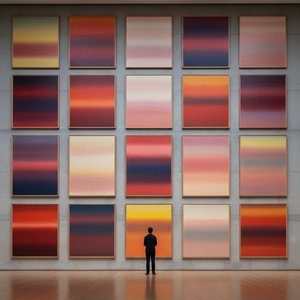
Mark Rothkon 25 mestariteosta: Värien syvyydessä – Taidetta kotiisi OriginalUniqueArtilta
Tutustu Mark Rothkon 25 mestariteokseen ja syvälliseen maailmaan abstraktin ekspressionismin parissa. Löydä tunteelliset väritaulut, taidehistorian helmet ja inspiraatiota kotiisi OriginalUniqueArtilta. Tutki kokoelma verkossa!

Geometrisen abstraktion mestariteokset: Taidetta kotiin OriginalUniqueArtilta
Tutustu geometrisen abstraktion 10 mestariteokseen! Piet Mondrian, Kandinsky ja muut taiteilijat muovasivat modernin taiteen historiaa. Löydä inspiraatiota kotiisi OriginalUniqueArtilta – laadukkaat taideprintit ja sisustusehdotukset odottavat. Tutki kokoelma verkossa!

