Bauhaus · 1974
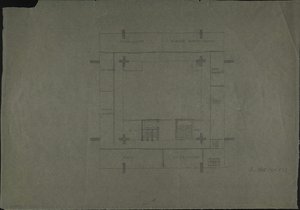
BASIC SCHEME FOR ROOM UNITS AND UTILISATION IN THE HV HOUSE (Trading House Berlin) (Franz Ehrlich, 1974)
Franz Ehrlich (1907–1984) on luonut teoksen BASIC SCHEME FOR ROOM UNITS AND UTILISATION IN THE HV HOUSE (Trading House Berlin). Se on peräisin vuodelta 1974. Se kuuluu Bauhaus-liikkeeseen. Se on valmistettu materiaalilla Drawing. Teos sijaitsee Bauhaus Dessau Foundation -museossa paikassa Dessau-Roßlau, Saksa. Koko on 36 × 62 cm.
- 1974
- Drawing
- 36 × 62 cm
- Bauhaus Dessau Foundation, Dessau-Roßlau

 Esikatselu

 Käsinmaalattu öljymaalaus
 Jaa teos
 Jaa
 Tiedot-arkki


 Lataa kuva
 Samanlaisia kohteita
 Röntgenkuvaus
 Diaesitys
 Kysymykset ja vastaukset

 Tilastot
BASIC SCHEME FOR ROOM UNITS AND UTILISATION IN THE HV HOUSE (Trading House Berlin) lyhyesti
- Otsikko
- BASIC SCHEME FOR ROOM UNITS AND UTILISATION IN THE HV HOUSE (Trading House Berlin)
- Taiteilija
- Franz Ehrlich (1907–1984)
- Taiteilija syntynyt
- Reuth, Germany
- Päivämäärä
- 1974
- Tekniikka
- Drawing
- Mitat
- 36 × 62 cm
- Missä teos on nähtävissä
- Bauhaus Dessau Foundation, Dessau-Roßlau, Saksa
- Tyylisuunta
- Bauhaus
- Aikakausi
- Modern
- Aihe
- architectural plan, blueprint, floor plan, interior design, room layout, technical drawing
Mitä BASIC SCHEME FOR ROOM UNITS AND UTILISATION IN THE HV HOUSE (Trading House Berlin) esittää?
The Blueprint of Visionary Order
In the intersection of architectural precision and graphic elegance lies Franz Ehrlich’s 1974 masterpiece, BASIC SCHEME FOR ROOM UNITS AND UTILISATION IN THE HV HOUSE. This intricate drawing serves as more than a mere technical blueprint; it is a window into a structured mind attempting to harmonize human movement with spatial efficiency. As one gazes upon the detailed layout of the Trading House Berlin, the eye is immediately drawn to the rhythmic dance of labels and dimensions that define each room. The work captures a moment where the functional requirements of a modern trading house meet the avant-garde sensibilities of a designer trained in the legendary halls of the Bauhaus. It is an evocative exploration of how space dictates life, presenting a meticulously mapped universe where every kitchen, living area, and corridor is assigned a purposeful existence.
The technique employed by Ehrlich reflects his profound background as a calligrapher and graphic designer. There is a deliberate, almost musical quality to the way the lines intersect and the text is placed within the architectural voids. The drawing possesses a clarity that transcends its utilitarian purpose, utilizing a clean, modernist aesthetic that emphasizes legibility and structural integrity. For the collector or interior designer, this piece offers a sophisticated layer of intellectual depth. It does not merely decorate a wall; it invites contemplation on the very foundations of our built environment. The interplay between the starkness of the plan and the density of information creates a visual texture that is both stimulating and grounding, making it an ideal centerpiece for spaces that celebrate modernism, minimalism, or industrial chic.
A Legacy of Resilience and Design
To understand the soul of this work, one must look toward the turbulent history of its creator. Franz Ehrlich’s life was a testament to the endurance of the creative spirit amidst political upheaval. Having been shaped by the radical innovations of the Bauhaus in Dessau, Ehrlich carried the principles of functionalism and social responsibility through some of the most challenging decades of the twentieth century. This specific scheme for the HV House, created in 1974, represents a mature synthesis of his lifelong commitment to design as a tool for societal organization. The drawing embodies the post-war architectural drive to rebuild and redefine urban spaces with clarity and logic.
For those seeking to integrate this reproduction into a curated collection, the emotional impact lies in its quiet authority. It evokes a sense of nostalgia for an era of monumental planning while remaining strikingly contemporary in its graphic execution. The piece resonates with anyone who finds beauty in order, structure, and the hidden geometries of our daily lives. Whether placed in a professional studio or a private residence, this work by Ehrlich serves as a profound reminder that even the most functional plans are, at their heart, works of profound artistic intention.
Missä museossa teos BASIC SCHEME FOR ROOM UNITS AND UTILISATION IN THE HV HOUSE (Trading House Berlin) on?
Bauhaus Dessau Foundation
Dessau-Roßlau, Saksa
Bauhaus Dessau Foundation: Where Modernism Still Breathes Saksassa, Dessau-Roßlau’n sydämessä, sijaitsee paikka, joka on enemmän kuin pelkkä museo – se on elävä muistutus modernismin mullistavasta vaikutuksesta. Bauhaus Dessau Foundationin rakennus, Walter Gropiusin suunnittelema ikoninen mestariteos, on itsekin taideteos, ja sen sisällä kätkeytyy maailman toiseksi suurin Bauhaus-kokoelma. Tämä ei ole vain esineiden kokoelma; se on kokonaisvaltainen matka ajatusten, ideoiden ja arkkitehtuurin synnyinpaikkaan – paikkaan, jossa perinteet haastettiin ja tulevaisuuden visioita luotiin.


BASIC SCHEME FOR ROOM UNITS AND UTILISATION IN THE HV HOUSE (Trading House Berlin) korkearesoluutioiset kuvat

Protected by copyright: these files are for personal reference, not a licence to republish.
Franz Ehrlich, BASIC SCHEME FOR ROOM UNITS AND UTILISATION IN THE HV HOUSE (Trading House Berlin) (1974), Bauhaus Dessau Foundation.
Kysymyksiä teoksesta BASIC SCHEME FOR ROOM UNITS AND UTILISATION IN THE HV HOUSE (Trading House Berlin), vastaukset
Missä teosta Franz Ehrlich:n "BASIC SCHEME FOR ROOM UNITS AND UTILISATION IN THE HV HOUSE (Trading House Berlin)" voidaan tällä hetkellä nähdä?
Alkuperäinen Franz Ehrlich:n "BASIC SCHEME FOR ROOM UNITS AND UTILISATION IN THE HV HOUSE (Trading House Berlin)" on osa Bauhaus Dessau Foundation, Dessau-Roßlau, Saksa-museon kokoelmaa. Reproduktio mahdollistaa teoksen näyttämisen kotona.
Milloin "BASIC SCHEME FOR ROOM UNITS AND UTILISATION IN THE HV HOUSE (Trading House Berlin)" on tehty?
Franz Ehrlich:n "BASIC SCHEME FOR ROOM UNITS AND UTILISATION IN THE HV HOUSE (Trading House Berlin)" on luotu vuonna 1974.
Millä tekniikalla "BASIC SCHEME FOR ROOM UNITS AND UTILISATION IN THE HV HOUSE (Trading House Berlin)" on tehty?
Teoksen Franz Ehrlich:n "BASIC SCHEME FOR ROOM UNITS AND UTILISATION IN THE HV HOUSE (Trading House Berlin)" tekniikka on Drawing. Vedosten tavoitteena on jäljitellä tämän tekniikan ulkoasua.
Mikä on Franz Ehrlich:n "BASIC SCHEME FOR ROOM UNITS AND UTILISATION IN THE HV HOUSE (Trading House Berlin)" todellinen koko?
Teoksen Franz Ehrlich:n "BASIC SCHEME FOR ROOM UNITS AND UTILISATION IN THE HV HOUSE (Trading House Berlin)" mitat ovat 36 x 62 cm. Vedoksia voi tilata muissa koossa säilyttäen samat mittasuhteet.
Mitä Franz Ehrlich:n "BASIC SCHEME FOR ROOM UNITS AND UTILISATION IN THE HV HOUSE (Trading House Berlin)" esittää?
Franz Ehrlich:n "BASIC SCHEME FOR ROOM UNITS AND UTILISATION IN THE HV HOUSE (Trading House Berlin)" esittää: architectural plan, blueprint, floor plan, interior design, room layout, technical drawing.
Onko teoksen Franz Ehrlich:n "BASIC SCHEME FOR ROOM UNITS AND UTILISATION IN THE HV HOUSE (Trading House Berlin)" kuva vapaasti käytettävissä?
Franz Ehrlich:n "BASIC SCHEME FOR ROOM UNITS AND UTILISATION IN THE HV HOUSE (Trading House Berlin)" on on edelleen tekijänoikeuden alainen. Tämä tila määrittää, miten teoksen kuvaa saa käyttää uudelleen.
Kenen teokseksi "BASIC SCHEME FOR ROOM UNITS AND UTILISATION IN THE HV HOUSE (Trading House Berlin)" on merkitty?
Teoksen "BASIC SCHEME FOR ROOM UNITS AND UTILISATION IN THE HV HOUSE (Trading House Berlin)" taiteilija on Franz Ehrlich. Teos on luetteloitu Franz Ehrlich nimellä.
Mihin taidesuuntaukseen Franz Ehrlich:n "BASIC SCHEME FOR ROOM UNITS AND UTILISATION IN THE HV HOUSE (Trading House Berlin)" kuuluu?
Teoksen Franz Ehrlich:n "BASIC SCHEME FOR ROOM UNITS AND UTILISATION IN THE HV HOUSE (Trading House Berlin)" tyylisuunta on Bauhaus. Tämä luokittelu sijoittaa teoksen muiden samankaltaisten taiteilijoiden ja teosten joukkoon.
Mihin vaiheeseen Franz Ehrlichin kehityksestä "BASIC SCHEME FOR ROOM UNITS AND UTILISATION IN THE HV HOUSE (Trading House Berlin)" edustaa?
"BASIC SCHEME FOR ROOM UNITS AND UTILISATION IN THE HV HOUSE (Trading House Berlin)" kuuluu Franz Ehrlich uran Late Period-vaiheeseen. Tämä luokittelu yhdistää teoksen taiteilijan kehitysvaiheeseen.
Tietoa taiteilijasta, Franz Ehrlich
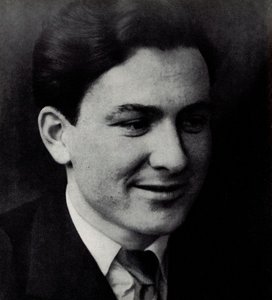
1907–1984, Germany
Franz Ehrlich
Varhaiset elämänvaiheet ja koulutusFranz Ehrlich, kuuluisa saksalainen arkkitehti, kaligraafi ja graafinen suunnittelija, syntyi vuonna 1907. Hänen muovaavat vuotensa olivat leimahtineet luontaisesta taipumuksesta taiteisiin, mikä johti hänen opiskelemaan Bauhausissa Dessaussa vuosina 1927–1930. Tämä arvostettu oppilaitos toimi keskeisenä voimana Ehrlichin taiteellisen näkökulman muovaamisessa, esittelemällä hänelle aikakauden avantgardistiset liikkeet. Taideuralla ja kommunistinen suuntautuminenEhrlichin sitoutuminen kommunistipuolueeseen vaikutti syvästi hänen elämäänsä ja uraansa.
Tietoa kohteesta Franz Ehrlich Franz Ehrlichn merkittävimpiä teoksia
Myös Franz Ehrlich -teoksia
 3. kerros
 LBH BUILDING MACHINERY WOODWORKING MACHINERY HALL 5 (Leipzig Trade Fair, plan view exhibition stand)1949
 Neljä tuolia ja yksi penkki. Valtion tiedeakatemian toimisto Berliinissä
 Kirjakauppa Hauptstraße / Transversaalinen sektio (FDGB Kirjakauppa1949
Esseitä teoksesta BASIC SCHEME FOR ROOM UNITS AND UTILISATION IN THE HV HOUSE (Trading House Berlin)
 Geometric Precision and Graphic Impact: Defining Modernity through Bauhaus and Pop ArtMaster the integration of Bauhaus structure and Pop Art energy in hospitality design. Elevate your next large-scale project today.
 Art for Every Course: Using Visual Rhythm to Design Multi-Zone Dining SpacesMaster the art of multi-zone dining design with expert strategies for using visual rhythm and curated art. Learn to transform hotel and res…
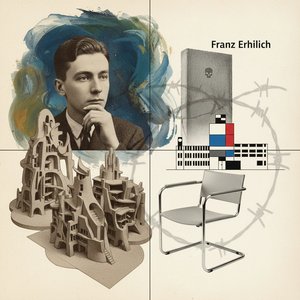 Franz Ehrlich: Bridging Expressionism, Bauhaus & the Shadows of HistoryExplore the life of Franz Ehrlich, a pivotal Bauhaus architect whose career spanned Expressionism, resistance during Nazi Germany, and GDR …