

 Katso seinällä
 Lähetä
 Jaa
Jaa
 Tarkemmat tiedot
 Opas
Opas

 Lataa kuva
 Samanlaisia kohteita
 Röntgenkuvaus
 Diaesitys
 Tilastot
The Lacemaker


 Lue lisää
Giclée- ja taideprintit
Museolaatuisia giclée- tai kankaitaulun tulosteita nopealla tuotannolla ja joustavilla viimeistelyvaihtoehdoilla. ( Tilaa käsinmaalattu jäljennös Siirry digitaaliseen kuvaan)




P118B €10

P118H €10

P118W €10

P438Z €10

P508JH €12

P508YH €12

P805H €10

P805Z €10

P919BZ €10

P919G €10

P919XJ €10

P959ZH €10

P968JZ €12

W106C €8

W218G €10

W218JH €8

W218Y €10

W307PJ €10

W316G €10

W316PJ €8

W316Y €10

W398PJ €8

W4111J €10

W500HY €15

W500JH €15

W692G €12

W849H €8

W940BG €15

W953PJ €8




Valitse valmiista mitoistamme sellaiset, jotka vastaavat teoksen alkuperäisiä mittasuhteita.

Kirjoita tarvitsemasi leveys ja korkeus, jotta tuloste sopii kehyskokoon tai seinällesi. Tulostetta voidaan vain leikata, sitä ei voi koskaan tehdä suuremmaksi kuin alkuperäinen kuva, joten eri muotoinen koko aiheuttaa osan kuvasta katoamisen. Lähetämme sinulle digitaalisen mallikuvan hyväksyttäväksi ennen kuin aloitamme tulostuksen. Tällä sivulla näkyvä kuva ei näytä lopullista leikkausta — vain mallikuva näyttää sen.
Maailmanlaajuinen toimitus () 2 viikossa tavallisen 4–5 viikon sijaan. (26 lokakuu)

Ilmainen pikatoimitus ympäri maailman

Korkealaatuinen pellavakangas

Kattava kuljetusvakuutus

Tulliveron palautustakuu

Takuu täydellisestä värien vastaavuudesta

100 päivän palautusoikeus valmistusvirhetapauksissa

100% rahat takaisin -takuu

Määräalennus saatavilla
 Lasivaihtoehto on saatavilla vain alle 110 cm kokoisille teoksille

The Lacemaker
Giclée- ja taideprintit
Replikaatin koko
-


Kokonaishinta
€ 70
A Symphony of Silence and Skill
In the quiet corners of the Dutch Golden Age, there exists a profound beauty found not in grand spectacles, but in the rhythmic, meditative pulse of everyday life. The Lacemaker serves as a breathtaking window into this era of domestic tranquility. The painting captures a young woman lost in the delicate, painstaking labor of her craft, her focus so absolute that the world around her seems to dissolve into a soft, atmospheric haze. As she sits before her work, the viewer is invited to share in her solitude, experiencing a moment of stillness that feels both timeless and deeply intimate. This is not merely a portrait of a worker; it is an invitation to appreciate the dignity found in concentration and the quiet grace of a life lived with purpose.
The composition is a masterclass in the fijnschilder style, a technique synonymous with the legendary Dutch masters of Leiden. Every inch of the canvas vibrates with meticulous detail, from the intricate patterns of the lace to the heavy, tactile presence of the crimson and black patterned cloth draped across the table. The artist employs a sophisticated use of light—a soft, diffused glow that seems to emanebate from an unseen window, casting gentle shadows that lend a remarkable three-dimensionality to the scene. This subtle manipulation of luminosity creates a sense of depth, pulling the viewer into the room and making the textures of fabric, porcelain, and skin feel almost touchable. For the discerning collector or interior designer, this level of technical brilliance offers a piece that commands attention through its subtlety rather than through loud, jarring colors.
Symbolism and the Art of Observation
Beyond its surface beauty, The Lacemaker is rich with the symbolic language of the 17th century. The act of lacemaking itself was often viewed as a metaphor for virtue, patience, and the careful weaving of one's destiny. The woman’s composed posture and downward gaze reflect a sense of moral fortitude and intellectual engagement, suggesting that even the most humble domestic tasks can be elevated to an art form. The presence of the mirror on the table adds a layer of introspective depth, reflecting her image back to us and creating a psychological loop that emphasizes themes of self-reflection and the duality of public duty versus private thought.
The color palette is intentionally balanced to evoke a sense of calm yet sophisticated elegance. The vibrant red of the tablecloth provides a striking counterpoint to the muted, pearlescent tones of the woman’s attire, ensuring that the eye is drawn naturally toward her hands—the very site of her creative struggle and triumph. This careful orchestration of color and light makes the painting an ideal centerpiece for a curated space, offering a sense of historical weight and refined taste. Whether placed in a sunlit study or a more formal gallery setting, a high-quality reproduction of this masterpiece brings with it an aura of serenity and a profound connection to the enduring legacy of Dutch excellence.
Kysymykset ja vastaukset
Kuinka tunnettu teos "The Lacemaker" on, jonka on luonut Frans van Mieris?
Teoksella Frans van Mieris:n "The Lacemaker" on Iconic suosioaste. Tämä luokitus heijastaa teoksen tunnettuutta.
Mitä Frans van Mieris:n "The Lacemaker" tuo sisustukseen?
Frans van Mieris:n "The Lacemaker" -teoksessa on Serene tunnelma, ja se sopii erinomaisesti Living Room-tilaan. Tunnelmalla tarkoitetaan sitä, minkä fiiliksen teos tuo ympäröivään tilaan.
Mikä painokoko on suositeltava teokselle Frans van Mieris:n "The Lacemaker"?
Teokselle "The Lacemaker" suositeltu tulostuskoko on Medium. Muita kokoja on saatavilla samoissa mittasuhteissa.
Taiteilijan elämäkerta
Yksityiskohtiin uppoutunut elämä: Frans van Mieris vanhemman maailma
Frans van Mieris vanhempi on nimi, joka on synonyymi äärimmäiselle tarkkuudelle ja hienostuneelle taidokkuudelle, ja hän hallitsee merkittävää asemaa hollantilaisen kultakauden historiassa. Leidenissä vuonna 1635 syntyneen taiteilijan polku erosi perinteisestä kultasepän ammatista – jota hänen isänsä Jan Bastiaensz van Mieris harjoitti – ja johdatti hänet maalaustaiteen lumoavaan maailmaan. Tämä varhainen taipumus piirtämiseen loi pohjan uralle, joka määritteli niin kutsutun ”fijnschilder”-tyylin ja tarjosi intiimin ikkunan 1600-luvun hollantilaiseen yhteiskuntaan. Hänen alkuvaiheen koulutuksensa Abraham Toorenvliet’n alaisuudessa, jota seurasi arvostetun Gerrit Dou’n antama ratkaiseva opastus, loi vankan perustan, jonka päälle hän rakensi oman, omaleimaisen taiteellisen äänensä. Nämä muovaavat vuodet opettivat hänelle paitsi teknistä taitoa, myös kykyä ymmärtää kerronnallista vivahteikkuutta ja hienovaraisen havainnoinnin voimaa.”Fijnschilder”-mestarin nousu
Van Mieris nousi nopeasti kuuluisuuteen fijnschilder-tyylin mestarina – hollantilainen termi, joka viittaa ”hienomaalaukseen”. Tätä tekniikkaa leimasi lähes pakkomielteinen huomio yksityiskohtiin, sileä ja huoliteltu siveltimenjälki sekä mieltymys pienikokoisiin kankaisiin. Kyse ei ollut pelkästään todellisuuden toistamisesta, vaan sen ylentämisestä äärimmäisen tarkkuuden avulla. Hänen maalauksensa pinnat tuntuvat hehkuvan elämää: satiinin kiiltävä hohde, sametin herkkä tekstuuri ja metallin välke on toteutettu hämmästyttävällä tarkkuudella. Hän ei ainoastaan maalannut huonetta, vaan hän loi uudelleen sen koko tunnelman, kutsuen katsojan osaksi kotiympäristön ja vaurauden kohtauksia. Hänen aiheensa pyörivät usein varakkaan väestön elämän ympärillä: tyylikkäissä kokoontumisissa, loisteliaissa sisätiloissa ja muotokuvissa, jotka tavoittivat paitsi ulkoisen olemuksen, myös luonnon. Toistuvat motiivit, kuten osterilounaat, lääkäreiden vastaanotot ja arjen askareissaan olevat naiset, tarjosivat ikkunoita yläluokan tapoihin ja sosiaalisiin rituaaleihin. Vaikka hän oli aluksi voimakkaasti Gerrit Dou’n tyylin vaikutteiden alaisena, Van Mieris kehitti vähitellen oman ainutlaatuisen lähestymistapansa. Hän siirtyi pois yksityiskohtien ylikylläisyydestä kohti suurempaa painotusta hahmojen väliseen vuorovaikutukseen ja sommitelmien sisällä avautuviin kertomuksiin. Myöhemmissä teoksissaan hän käytti toisinaan tummempia sävyjä verrattuna varhaisemman tuotantonsa kirkkaampiin paleteihin, mikä heijasti kasvavaa kypsyyttä ja taiteellista tutkimusmatkaa.Merkittävät teokset ja kestävä perintö
Useat keskeiset teokset seisovat todistuksina Van Mierisin taidosta ja kehittyvästä tyylistä. Doctor's Visit (1657), jota pidetään yhtenä hänen varhaisimmista ja tärkeimmistä päivätyistä, osoittaa hänen nousevan itsenäisyyttään Dou’n vaikutuspiiristä. Maalaus on mestariteos lääketieteellisen tutkimuksen hiljaisen jännityksen vangitsemisessa äärimmäisellä realismilla. Hänen Self-Portrait with a Cittern -itsemuotokuvansa on yhtä vakuuttava, osoittaen hänen kykynsä kuvata ylellisiä asuja samalla kun hän välittää tunteen persoonallisuudesta ja itsetutkiskelusta. Portrait of the Artist's Wife, Cunera van der Cock puolestaan ilmentää hänen hallintansa muotokuvataiteessa, korostaen sekä teknistä taitoa että ymmärrystä chiaroscurosta – valon ja varjon dramaattisesta vuoropuhelusta. Genrekohtausten ja muotokuvien lisäksi Van Mieris uskalsi siirtyä myös allegorisiin maalauksiin, kuten teoksiin, jotka kuvasivat paheita, kuten juomista, tupakointia ja uhkapelaamista, osoittaen taiteellisten kykyjensä laajuutta. Frans van Mierisin vaikutus ulottui paljon pidemmälle kuin hänen oma elinaikansa. Hänen vaikutuksensa resonoi hänen perheessään; hänen poikansa Willem van Mieris (1662–1747) ja pojanpoikansa Frans van Mieris nuorempi (1689–1763) molemmat tulivat taitaviksi genremaalareiksi jatkaen tätä taiteellista perinnettä. Hänen tyylinsä suosio synnytti myös lukuisia jäljittelijöitä, erityisesti A. D. Snaphaanin, joka työskenteli Leipzigissä ja nautti Anhalt-Dessau’n hovin suosiota.Pysyvä panos hollantilaiselle taiteelle
Frans van Mierisilla oli ratkaiseva rooli hollantilaisen kultakauden maalaustaiteen fijnschilder-liikkeen muovaamisessa. Hänen omistautumisensa tarkalle yksityiskohtaisuudelle, realistiset kuvaukset arjesta ja yläluokkaisesta yhteiskunnasta sekä tekninen loisto antoivat merkittävän panoksen aikakaudelle, joka oli jo valmiiksi tunnettu taiteellisesta innovaatiostaan. Hän nautti arvostettujen henkilöiden, kuten arkkiherttua Leopoldin ja Cosimo III de' Medicin, suosiota, mikä on todiste hänen lahjakkuutensa kansainvälisestä tunnustuksesta. Vielä tänäkin päivänä hänen teoksensa lumoavat yleisöä hienostuneella käsityötaidollaan ja 1600-luvun kulttuurin oivaltavalla kuvauksellaan. Sydneyssä sijaitsevan Art Gallery of New South Wales -galleriaan varastettu itsemuotokuva toimii koskettavana muistutuksena hänen taiteensa pysyvästä arvosta ja vetovoimasta – perinnöstä, joka jatkaa keräilijöiden ja taiteenharrastajien inspiroimista. Hänen maalauksensa eivät ole pelkkiä historiallisia artefakteja; ne ovat ikkunoita menneeseen aikaan, huolellisesti valmistettuja ja ajattoman kauneuden täyttämiä.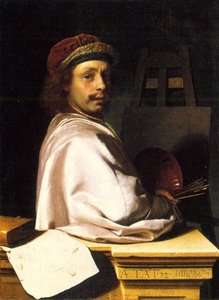
Frans van Mieris
1635 - 1681 , Alankomaat
Tietoa taiteilijasta
- Artistic Movement Or Style: Fijnschilder
- Artists Or Movements Influenced By This Artist: ['Gerard Dou']
- Artists Who Influenced This Artist: ['Gerrit Dou']
- Date Of Birth: Leiden, 1635
- Date Of Death: Leiden, 1681
- Full Name: Frans Jansz. van Mieris
- Nationality: Nederlands
- Notable Artworks:
- Dokter's Visit
- Zelfportret met citerne
- Place Of Birth: Leiden
Aiheeseen liittyvät artikkelit

Johannes Vermeer: Light, Intimacy & the Dutch Golden Age – A Comprehensive Exploration
Explore the life, techniques & enduring legacy of Johannes Vermeer, a master of Dutch Golden Age painting. Discover symbolism in his iconic works like 'The Milkmaid' and learn about his revolutionary use of light.

Golden Age Reflections: Dutch Baroque Painting & Cultural Innovation
Explore the Dutch Golden Age of painting! Discover key artists like Vermeer & ter Borch, their innovative techniques, and the rich cultural context behind these Baroque masterpieces. Learn about collecting & appreciating this iconic art period.

Illuminating Innovation: Exploring the Dutch Golden Age of Painting
Explore the Dutch Golden Age of painting with OriginalUniqueArt. Discover Rembrandt, Vermeer & other Masters. Learn about key characteristics, iconic artworks, and lasting influence. Expert insights for collectors & enthusiasts.

Golden Light & Dutch Skies: The Timeless Magic of Dutch Golden Age Landscapes
Discover the breathtaking beauty of Dutch Golden Age landscapes. Explore the mastery of light, chiaroscuro, and 17th-century realism through an expert art history lens, celebrating the enduring legacy of the Dutch Masters for discerning collectors and art lovers.

Hollantilaisen kultakauden 10 mestariteosta – Taidetta kotiisi OriginalUniqueArt.com
Uppoudu hollantilaisen kultakauden taiteen maailmaan! Tutustu Rembrandtin, Vermeerin ja muiden mestareiden ikonisiin maalauksiin. Löydä inspiraatiota kotiisi OriginalUniqueArt.com:ista – laadukkaat taidevedokset ja sisustustaulut jokaiseen tilaan. Explore the full collection online!

