Valikko
ILMAINEN TAIDEKONSULTAATIO
Tilaa painos Tilaa painosOsta kuva Osta kuva JaaJaa
Tarkemmat tiedotTarkemmat tiedot Lisää suosikkeihin Lisää suosikkeihin LataaLataa SamanlaisiaSamanlaisia RöntgenkuvaRöntgenkuva DiaesitysDiaesitys


Duet

An elegant scene of a woman playing the harpsichord captures the refined detail of Dutch Golden Age master Frans van Mieris, inviting you to bring this exquisite moment of 17th-century sophistication into your home.

Frans van Mieris (1635-1681): Hollantilainen kultaseppä ja maalari, joka tunnettiin tarkkuudesta ja yksityiskohtaisista genremaalauksistaan sekä hollantilaisen kulttuurin kuvauksesta.

Käsinmaalattu öljykopio

Käsinmaalattu öljyväri kankaalle haluamassasi koossa ja kehyksissä, taiteilijoidemme valmistamana tilauksesta.

P118B $10
P118H $10
P118W $10
P438Z $10
P508JH $12
P508YH $12
P805H $10
P805Z $10
P919BZ $10
P919G $10
P919XJ $10
P959ZH $10
P968JZ $12
W106C $8
W218G $10
W218JH $8
W218Y $10
W307PJ $10
W316G $10
W316PJ $8
W316Y $10
W398PJ $8
W4111J $10
W500HY $15
W500JH $15
W692G $12
W849H $8
W940BG $15
W953PJ $8

Standard
custom
CM
INCH

Valitse valmiista mitoistamme sellaiset, jotka vastaavat teoksen alkuperäisiä mittasuhteita.

leveys
korkeus

Voit syöttää omat mitat sopimaan tiettyyn kehykseen tai tilaan. Jos valitsemasi koko ei vastaa alkuperäisen kuvan mittasuhteita, rajaamme taideteoksen tai jatkamme maalausta käsin maalatuilla elementeillä. Digitaalinen esikatselu lähetetään hyväksyttäväksi ennen tuotannon aloittamista.
Huomioithan, että näytöllä oleva esikatselu ei vastaa todellista rajausta tai jatkamista. Vain digitaalinen mallikuva näyttää lopullisen sommittelun tarkasti.
Vaikka mittatilaustyöt ovat mahdollisia, suosittelemme valitsemaan mitan ennalta määritetystä listasta alkuperäisten mittasuhteiden säilyttämiseksi.

Esimerkkejä muutettavissa olevista asioista: Vaihda kasvot asiakkaan omaan valokuvaan; Lisää lemmikki (esim. korvaa kissa koiralla); Lisää piilotettu viesti taustaan; Muuta taustan maisemaa tai elementtejä.
Tilauksen jälkeen OriginalUniqueArt.com -tiimi lähettää asiakkaalle ohjeet ja esikatselukuvan.

Maailmanlaajuinen toimitus () 3–4 viikossa tavallisen 5 viikon sijaan. (18 heinäkuu). Laadusta ei tingitä.

why_choose_icon
Ilmainen pikatoimitus ympäri maailman
why_choose_icon
Korkealaatuinen pellavakangas
why_choose_icon
Kattava kuljetusvakuutus
why_choose_icon
Tulliveron palautustakuu
why_choose_icon
Täydellinen värien vastaavuustakuu
why_choose_icon
60 päivän palautusoikeus (vain valmistusvirheet)
why_choose_icon
100% rahat takaisin -takuu
why_choose_icon
Määräalennus tarjous

Kokonaishinta

-

reproduction

Duet

Reproduktiotekniikka

Replikaatin koko

-

Kokonaishinta

-

Pikaista tietoa

  • Title: Duet
  • Year: 1658
  • Artist: Frans van Mieris
  • Notable elements or techniques: Meticulous detail, fine painting
  • Subject or theme: Woman playing harpsichord

Teoksen kuvaus

A Symphony of Light and Detail

In the quiet intimacy of a seventeenth-century Dutch interior, Frans van Mieris the Elder captures a moment of profound musical connection in his masterpiece, Duet. This exquisite work serves as a quintessential example of the fijnschilder style, a technique where the artist’s brushwork becomes nearly invisible, leaving behind only the breathtaking reality of texture and light. As we gaze upon the scene, we are transported to an era of refined elegance, where the soft glow of candlelight or filtered daylight dances across the polished wood of a harpsimchord and the rich, crimson folds of a lady's gown. The painting is not merely a depiction of a musical performance; it is a sensory experience that invites the viewer to hear the delicate pluck of strings and feel the hushed reverence of the room.

The composition centers on a woman lost in the rhythmic flow of her music, her posture poised and graceful. Beside her, a companion watches with an intensity that suggests a shared emotional resonance, creating a silent dialogue between the performers. The inclusion of a small dog, resting loyally at their feet, adds a layer of domestic warmth and symbolizes fidelity, grounding the sophisticated atmosphere in a sense of home and heart. Every element, from the delicate lace of a collar to the subtle sheen on the musical score, is rendered with a precision that speaks to Van Mieris’s mastery of the Leiden school, making this piece a jewel of the Dutch Golden Age.

Historical Elegance for the Modern Collector

To possess a reproduction of Duet is to bring a piece of history into the contemporary living space. Created in 1658, during the height of the Dutch Golden Age, this work reflects the prosperity and cultural sophistication of the Netherlands. During this period, artists like Van Mieris were celebrated for their ability to elevate genre scenes—everyday moments of life—into high art through unparalleled technical virtuosity. For the discerning interior designer, this painting offers a timeless focal point that complements both classical and modern decor. Its rich palette of deep reds, warm ambers, and soft shadows provides a sophisticated anchor for a room, evoking a sense of luxury and intellectual depth.

Beyond its aesthetic appeal, the painting serves as an emotional sanctuary. In an age of digital noise, the stillness captured in Duet offers a meditative quality that can transform the atmosphere of any gallery or private residence. It is a celebration of the fine arts, the beauty of domesticity, and the enduring power of human connection. Whether displayed in a sunlit study or a formal dining room, this work continues to inspire awe, reminding us of the meticulous beauty that can be found in life's most quiet, harmonious moments.


Taiteilijan elämäkerta

Frans van Mieris the Elder (1635 - 1681): Dutch Golden Age Master of Detail

Frans Jansz. van Mieris, a name synonymous with meticulous detail and refined artistry, stands as one of the most celebrated figures within the Dutch Golden Age—a period characterized by unparalleled artistic innovation and cultural flourishing. Born in Leiden on April 16, 1635, into a family steeped in the craft of goldsmithing—his father, Jan Bastiaensz van Mieris, practiced this trade—van Mieris’s path diverged from conventional familial pursuits towards the captivating realm of painting. This early fascination with drawing foreshadowed a career that would solidify his reputation as a master of *fijnschilder*—a Dutch term denoting “fine painting.” This technique, unlike its bolder predecessors, prioritized subtlety and nuance, aiming to capture not merely what was seen but also the very essence of an interior space or human emotion. Early Training and Influences: The Seeds of Style Van Mieris’s artistic journey commenced under the tutelage of Abraham van Toorenvliet, a respected Leiden painter known for his landscapes and portraits. However, it was Gerrit Dou—a fellow Leiden artist who championed realism and psychological insight—who profoundly shaped van Mieris's stylistic development. Dou instilled in him not only technical proficiency but also an unwavering commitment to observation and the depiction of human character with remarkable accuracy. This formative influence would permeate his subsequent works, establishing a distinctive visual language that distinguishes him from many of his contemporaries. Furthermore, he studied briefly under Abraham van den Tempel, honing his skills in historical painting and furthering his understanding of artistic conventions. The Rise of *Fijnschilder* and Genre Painting’s Triumph Van Mieris quickly embraced the burgeoning *fijnschilder* movement—a stylistic trend that dominated Dutch art during the mid-century. Characterized by extraordinarily smooth brushwork, luminous surfaces, and a penchant for diminutive canvases, *fijnschilder* sought to elevate realism beyond mere representation. Artists like Dou and Rembrandt had pioneered this approach, but van Mieris elevated it to new heights of sophistication. He excelled particularly in genre scenes—domestic interiors populated with figures engaged in everyday activities—capturing the subtle dramas of daily life with astonishing precision. His paintings weren’t merely decorative; they were windows into the social customs and psychological complexities of his time. Consider “Doctor's Visit,” for instance: The scene unfolds with quiet tension, rendered with an almost obsessive attention to detail—the texture of satin upholstery, the glint of metal instruments, the expressions on the faces of the physician and patient alike. These elements coalesce into a portrait not just of appearance but also of inner life. Notable Works and Artistic Legacy Among van Mieris’s most enduring achievements are “Self-Portrait with Cittern,” which showcases his mastery of self-representation—a genre that demanded both technical skill and psychological awareness—and “Portrait of Cunera van der Cock,” a luminous depiction of his wife that exemplifies the artist's ability to convey character through subtle gestures and facial expressions. His exploration of allegory—particularly in works depicting vices like drinking, smoking, and gambling—demonstrates the breadth of his artistic vision. The influence of Gerrit Dou’s style is palpable throughout van Mieris’s oeuvre, yet he cultivated a singular aesthetic that distinguishes him from his teacher. He moved away from an overwhelming abundance of detail towards a greater emphasis on interaction between figures and the unfolding narratives within his compositions—a hallmark of his distinctive artistic voice. A Lasting Impression: Recognition and Influence Beyond Leiden Frans van Mieris enjoyed patronage from prominent Leiden citizens, including Archduke Leopold Wilhelm, who recognized his talent and invited him to Vienna as court painter. His son Willem van Mieris continued the family tradition of painting—establishing himself as a respected genre artist in Leipzig—and grandson Frans van Mieris the Younger carried on the artistic legacy into the eighteenth century. Van Mieris’s meticulous technique and profound understanding of human psychology ensured his place among the giants of Dutch Baroque art, securing his reputation as one of the most influential painters of his era. His work continues to inspire admiration for its exquisite craftsmanship and insightful portrayal of 17th-century society—a testament to the enduring power of artistic vision.
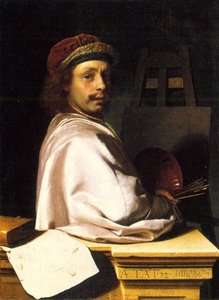
Frans van Mieris

Frans van Mieris

1635 - 1681 , Alankomaat

Pikatiedot

  • Artistic Movement Or Style: Fijnschilder
  • Artists Or Movements Influenced By This Artist: ['Gerard Dou']
  • Artists Who Influenced This Artist: ['Gerrit Dou']
  • Date Of Birth: Leiden, 1635
  • Date Of Death: Leiden, 1681
  • Full Name: Frans Jansz. van Mieris
  • Nationality: Nederlands
  • Notable Artworks:
    • Dokter's Visit
    • Zelfportret met citerne
  • Place Of Birth: Leiden
Tutustu teoksiin, jotka on järjestetty aiheiden, tyylien ja ominaisuuksien mukaan.