

 Katso seinällä
 Lähetä
 Jaa
Jaa
 Tarkemmat tiedot
 Opas
Opas

 Lataa kuva
 Samanlaisia kohteita
 Röntgenkuvaus
 Diaesitys
 Tilastot
Boy Blowing Bubbles
 Acrylic On Canvas
- WallArt
- Dutch Golden Age
 1663
1663 184.0 x 257.0 cm
 Kunstpalast
 Lue lisää
Osta korkearesoluutioinen, parannettu digitaalikuva, joka on laadultaan huomattavasti parempi kuin verkkosivuston esikatselu.
Jokainen tiedosto valmistellaan huolellisesti omien asiantuntijoidemme toimesta käyttäen edistyneitä työkaluja ja ammattitaitoista manuaalista retusointia. Varmistamme, että jokaisessa kuvassa on poikkeuksellinen selkeys, tarkka värintoisto ja hienovaraiset yksityiskohdat.
Lopputiedosto toimitetaan sähköpostitse 72 tunnin kuluessa, ja se on optimoitu välittömään käyttöön ammattimaisissa, toimituksellisissa ja painoympäristöissä. Laatu on sama, johon huipputason suunnittelustudiot, kustantajat ja galleriat luottavat.
Digitaalinen kuva
Lataa korkearesoluutioinen tiedosto henkilökohtaiseen näyttelyyn, tulostamiseen ja luoviin projekteihin. ( Vaihda tulosteeseen Tilaa käsinmaalattu jäljennös)
Sisältyy jokaiseen digitaalisen kuvan tilaukseen
Asiantunteva digitaalinen toimitus, laatu taattu
Kun valitset OriginalUniqueArt.com-palvelun, et saa vain kuvaa – saat ammattimaisesti viimeistellyn digitaalisen taideteoksen, joka on luotu tarkkuudella ja jonka takaa tulee tyytyväisyystakuu. Tässä on kaikki, mitä tilauksesi sisältää, automaattisesti:

Nopea sähköpostitoimitus
Saat korkearesoluutioisen digitaalisen kuvatiedostosi sähköpostiisi 72 tunnin kuluessa tilauksesta – valmiina käytettäväksi välittömästi.

Tekoälyllä optimoitu digitaalinen tiedosto
Teoksesi on optimoitu ammattimaisesti edistyneiden tekoälytyökalujen ja manuaalisen jälkikäsittelyn avulla, mikä takaa maksimaalisen yksityiskohtaisuuden, selkeyden ja väritarkkuuden.

Ilmainen elinikäinen uudelleenlähetys
Oletko vahingossa poistanut tai kadottanut tiedostosi? Ei hätää – lähetämme sen sinulle uudelleen milloin tahansa täysin maksutta.

Ei tuontimaksuja – koskaan
Nauti taiteestasi välittömästi ilman tullimaksuja, veroja tai toimituskuluja – digitaaliset lataukset ovat aina verovapaita.

Värintoiston tarkkuustakuu
Varmistamme, että digitaalinen kuvasi vastaa alkuperäisiä värejä mahdollisimman tarkasti käyttämällä ammattilaistason työkaluja ja värinhallintaa.

100 päivän tyytyväisyystakuu
Jos et ole tyytyväinen digitaaliseen kuvaasi, muokkaamme sitä tai palautamme 100% hinnan 100 päivän kuluessa – kysymystä ei esitetä.

100% Rahat takaisin -takuu
Et ole tyytyväinen? Saat täyden hyvityksen 100 päivän kuluessa digitaalisen tiedostosi vastaanottamisesta – kysymystä ei esitetä.

Suurtilaaja-alennukset
Osta 3 kuvaa, säästä 10% - Osta 5, säästä 15% - Osta 10+, säästä 20%. Erinomainen valinta luoviin projekteihin, gallerioille ja toimistoille.
A Moment Frozen in Time: Frans van Mieris’ ‘Boy Blowing Bubbles’
Frans van Mieris' “Boy Blowing Bubbles,” painted in 1663, isn’t merely a portrait; it’s a carefully constructed tableau of Dutch Golden Age life, brimming with subtle symbolism and an exquisite attention to detail that defines the artist’s signature style. Housed within the Mauritshuis in The Hague, this captivating scene invites us into a world where innocence dances alongside contemplation, and the ephemeral beauty of childhood is juxtaposed against deeper philosophical questions about mortality and the passage of time.
The ‘Fijnschilder’ Technique: A Masterclass in Illusion
Van Mieris was a leading figure in the “fijnschilder” movement, a group of Dutch painters known for their meticulous realism and mastery of illusionistic techniques. He achieved this through painstaking layering of glazes – incredibly thin washes of paint applied over dry layers – creating an astonishingly lifelike surface that seems to shimmer with depth and texture. Observe the delicate rendering of the boy’s skin, the subtle folds in his clothing, and the way the light catches on the bubbles themselves. Van Mieris didn't simply depict; he constructed a convincing illusion of reality, employing techniques borrowed from both painting and drawing – a testament to his rigorous training under Gerrit Dou.
Symbolism Woven into the Scene: A Tapestry of Meaning
The composition is rich with layered symbolism, reflecting the intellectual currents of 17th-century Holland. The boy, seemingly lost in a simple pleasure – blowing bubbles – represents fleeting joy and innocence. However, the artist subtly introduces an undercurrent of melancholy. The woman behind him, dressed in luxurious fabrics, holds a baby, suggesting motherhood and domesticity, yet her gaze is distant, hinting at the burdens of responsibility. The dog, a symbol of loyalty, stands attentively beside her, perhaps representing steadfastness amidst uncertainty. Even the objects within the room – the vases overflowing with flowers, the clock measuring the relentless march of time, and the window offering a glimpse to an unseen world – contribute to this complex web of meaning.
Contextualizing the Image: The ‘Paragone’ and the Illusion of Space
“Boy Blowing Bubbles” exists within the broader context of the “paragone,” a heated debate in 17th-century Europe concerning the relative merits of painting versus sculpture. Van Mieris, through his masterful manipulation of perspective and texture, powerfully demonstrated painting’s ability to create convincing illusions of space and depth – a skill that directly challenged the perceived superiority of three-dimensional sculpture. The window itself serves as a visual metaphor for this illusionistic prowess, inviting the viewer to step into the scene and contemplate its intricacies. The artist deliberately employs techniques reminiscent of Renaissance perspective, elevating painting’s status within the artistic hierarchy.
Beyond its technical brilliance and symbolic depth, “Boy Blowing Bubbles” evokes a profound sense of nostalgia for a bygone era – a poignant reminder of childhood's fleeting beauty and the inevitable passage of time. It is a work that continues to resonate with viewers today, offering a glimpse into the complexities of human experience and the enduring power of art to capture a single, unforgettable moment.
- Artist: Frans van Mieris the Elder
- Date: 1663
- Location: Mauritshuis, The Hague
- Medium: Oil on Panel
Learn more about the artwork at the Mauritshuis
Kysymykset ja vastaukset
Milloin ja millä materiaaleilla "Boy Blowing Bubbles" on tehty?
"Boy Blowing Bubbles" on valmistettu vuonna 1663 käyttäen Acrylic On Canvas-tekniikkaa. Materiaali ja päivämäärä kertovat, miten ja milloin alkuperäisteos on tehty.
Onko Frans van Mieris:n "Boy Blowing Bubbles" -teoksesta saatavilla tietolomaketta opiskelijoille?
Opas teokseen "Boy Blowing Bubbles" on teoksen Opas -sivu – tulostettava tietolomake, joka esittää teoksen kuvatekstin, tekijätiedot ja tunnistetaulukon (taiteilija, päivämäärät, tekniikka, alkuperäinen koko, kokoelma) sisältäen.
Onko Frans van Mieris:n "Boy Blowing Bubbles" pysty-, vaaka- vai neliökompositio?
Teoksella Frans van Mieris:n "Boy Blowing Bubbles" on Portrait -muoto. Muoto kuvaa sommittelun mittasuhteita.
Taiteilijan elämäkerta
Yksityiskohtiin uppoutunut elämä: Frans van Mieris vanhemman maailma
Frans van Mieris vanhempi on nimi, joka on synonyymi äärimmäiselle tarkkuudelle ja hienostuneelle taidokkuudelle, ja hän hallitsee merkittävää asemaa hollantilaisen kultakauden historiassa. Leidenissä vuonna 1635 syntyneen taiteilijan polku erosi perinteisestä kultasepän ammatista – jota hänen isänsä Jan Bastiaensz van Mieris harjoitti – ja johdatti hänet maalaustaiteen lumoavaan maailmaan. Tämä varhainen taipumus piirtämiseen loi pohjan uralle, joka määritteli niin kutsutun ”fijnschilder”-tyylin ja tarjosi intiimin ikkunan 1600-luvun hollantilaiseen yhteiskuntaan. Hänen alkuvaiheen koulutuksensa Abraham Toorenvliet’n alaisuudessa, jota seurasi arvostetun Gerrit Dou’n antama ratkaiseva opastus, loi vankan perustan, jonka päälle hän rakensi oman, omaleimaisen taiteellisen äänensä. Nämä muovaavat vuodet opettivat hänelle paitsi teknistä taitoa, myös kykyä ymmärtää kerronnallista vivahteikkuutta ja hienovaraisen havainnoinnin voimaa.”Fijnschilder”-mestarin nousu
Van Mieris nousi nopeasti kuuluisuuteen fijnschilder-tyylin mestarina – hollantilainen termi, joka viittaa ”hienomaalaukseen”. Tätä tekniikkaa leimasi lähes pakkomielteinen huomio yksityiskohtiin, sileä ja huoliteltu siveltimenjälki sekä mieltymys pienikokoisiin kankaisiin. Kyse ei ollut pelkästään todellisuuden toistamisesta, vaan sen ylentämisestä äärimmäisen tarkkuuden avulla. Hänen maalauksensa pinnat tuntuvat hehkuvan elämää: satiinin kiiltävä hohde, sametin herkkä tekstuuri ja metallin välke on toteutettu hämmästyttävällä tarkkuudella. Hän ei ainoastaan maalannut huonetta, vaan hän loi uudelleen sen koko tunnelman, kutsuen katsojan osaksi kotiympäristön ja vaurauden kohtauksia. Hänen aiheensa pyörivät usein varakkaan väestön elämän ympärillä: tyylikkäissä kokoontumisissa, loisteliaissa sisätiloissa ja muotokuvissa, jotka tavoittivat paitsi ulkoisen olemuksen, myös luonnon. Toistuvat motiivit, kuten osterilounaat, lääkäreiden vastaanotot ja arjen askareissaan olevat naiset, tarjosivat ikkunoita yläluokan tapoihin ja sosiaalisiin rituaaleihin. Vaikka hän oli aluksi voimakkaasti Gerrit Dou’n tyylin vaikutteiden alaisena, Van Mieris kehitti vähitellen oman ainutlaatuisen lähestymistapansa. Hän siirtyi pois yksityiskohtien ylikylläisyydestä kohti suurempaa painotusta hahmojen väliseen vuorovaikutukseen ja sommitelmien sisällä avautuviin kertomuksiin. Myöhemmissä teoksissaan hän käytti toisinaan tummempia sävyjä verrattuna varhaisemman tuotantonsa kirkkaampiin paleteihin, mikä heijasti kasvavaa kypsyyttä ja taiteellista tutkimusmatkaa.Merkittävät teokset ja kestävä perintö
Useat keskeiset teokset seisovat todistuksina Van Mierisin taidosta ja kehittyvästä tyylistä. Doctor's Visit (1657), jota pidetään yhtenä hänen varhaisimmista ja tärkeimmistä päivätyistä, osoittaa hänen nousevan itsenäisyyttään Dou’n vaikutuspiiristä. Maalaus on mestariteos lääketieteellisen tutkimuksen hiljaisen jännityksen vangitsemisessa äärimmäisellä realismilla. Hänen Self-Portrait with a Cittern -itsemuotokuvansa on yhtä vakuuttava, osoittaen hänen kykynsä kuvata ylellisiä asuja samalla kun hän välittää tunteen persoonallisuudesta ja itsetutkiskelusta. Portrait of the Artist's Wife, Cunera van der Cock puolestaan ilmentää hänen hallintansa muotokuvataiteessa, korostaen sekä teknistä taitoa että ymmärrystä chiaroscurosta – valon ja varjon dramaattisesta vuoropuhelusta. Genrekohtausten ja muotokuvien lisäksi Van Mieris uskalsi siirtyä myös allegorisiin maalauksiin, kuten teoksiin, jotka kuvasivat paheita, kuten juomista, tupakointia ja uhkapelaamista, osoittaen taiteellisten kykyjensä laajuutta. Frans van Mierisin vaikutus ulottui paljon pidemmälle kuin hänen oma elinaikansa. Hänen vaikutuksensa resonoi hänen perheessään; hänen poikansa Willem van Mieris (1662–1747) ja pojanpoikansa Frans van Mieris nuorempi (1689–1763) molemmat tulivat taitaviksi genremaalareiksi jatkaen tätä taiteellista perinnettä. Hänen tyylinsä suosio synnytti myös lukuisia jäljittelijöitä, erityisesti A. D. Snaphaanin, joka työskenteli Leipzigissä ja nautti Anhalt-Dessau’n hovin suosiota.Pysyvä panos hollantilaiselle taiteelle
Frans van Mierisilla oli ratkaiseva rooli hollantilaisen kultakauden maalaustaiteen fijnschilder-liikkeen muovaamisessa. Hänen omistautumisensa tarkalle yksityiskohtaisuudelle, realistiset kuvaukset arjesta ja yläluokkaisesta yhteiskunnasta sekä tekninen loisto antoivat merkittävän panoksen aikakaudelle, joka oli jo valmiiksi tunnettu taiteellisesta innovaatiostaan. Hän nautti arvostettujen henkilöiden, kuten arkkiherttua Leopoldin ja Cosimo III de' Medicin, suosiota, mikä on todiste hänen lahjakkuutensa kansainvälisestä tunnustuksesta. Vielä tänäkin päivänä hänen teoksensa lumoavat yleisöä hienostuneella käsityötaidollaan ja 1600-luvun kulttuurin oivaltavalla kuvauksellaan. Sydneyssä sijaitsevan Art Gallery of New South Wales -galleriaan varastettu itsemuotokuva toimii koskettavana muistutuksena hänen taiteensa pysyvästä arvosta ja vetovoimasta – perinnöstä, joka jatkaa keräilijöiden ja taiteenharrastajien inspiroimista. Hänen maalauksensa eivät ole pelkkiä historiallisia artefakteja; ne ovat ikkunoita menneeseen aikaan, huolellisesti valmistettuja ja ajattoman kauneuden täyttämiä.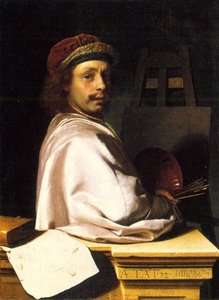
Frans van Mieris
1635 - 1681 , Alankomaat
Pähkinänkuoressa
- Artistic Movement Or Style: Fijnschilder
- Artists Or Movements Influenced By This Artist: ['Gerard Dou']
- Artists Who Influenced This Artist: ['Gerrit Dou']
- Date Of Birth: Leiden, 1635
- Date Of Death: Leiden, 1681
- Full Name: Frans Jansz. van Mieris
- Nationality: Nederlands
- Notable Artworks:
- Dokter's Visit
- Zelfportret met citerne
- Place Of Birth: Leiden