Valikko

() ·

A painting made for you, by hand

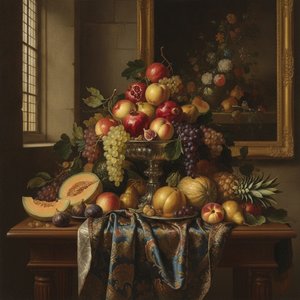
Fruit Stall

Käsinmaalattu öljyvärinen jäljennös

Käsinmaalattu öljyväri kankaalle haluamassasi koossa ja kehyksissä, taiteilijoidemme valmistamana tilauksesta. ( Vaihda tulosteeseen Siirry digitaaliseen kuvaan)

Keräilykohteen kuvaus

Experience the vibrant abundance of Frans Snyders' 'Fruit Stall' (1618). A dynamic Baroque masterpiece showcasing a bustling marketplace filled with fresh produce and captivating figures.

Taiteilijan elämäkerta

"meta_description": "Frans Snyders (1579-1657) oli flaamilainen barokki taiteilija, tunnettu eläinpaintauksistaan, markkinakohtauksistaan ja ylellisistä still life -kuvistaan. Yhteistyö Rubensin kanssa on merkittävää!"

from ·

Chapter 1

How large should it be?

Slide to change the size; the picture on the left shows the frame at its real width. The proportions of the original are kept.

Vakiokoko
räätälöity
CM
INCH

Valitse valmiista mitoistamme sellaiset, jotka vastaavat teoksen alkuperäisiä mittasuhteita.

leveys
korkeus

Kirjoita tarvitsemasi leveys ja korkeus, jotta teos sopii kehyksiisi tai seinällesi. Koska kyseessä on käsinmaalattu teos, taiteilija voi maalata hieman enemmän kuvan ympärille tai rajata sitä hieman, jos haluat eri muotoisen koon — valinta on sinun. Lähetämme sinulle digitaalisen mallikuvan hyväksyttäväksi ennen kuin maalaus alkaa. Tällä sivulla näkyvä kuva ei vastaa lopullista tulosta — vain mallikuva näyttää sen.

Chapter 2

How should it arrive?

Choose the edges of the stretched canvas

Choose your frame

Corner sample of the WhiteWrap canvas edge finish, stretched on massiivipuu bars
White €1
Corner sample of the BlurSideWrap canvas edge finish, stretched on massiivipuu bars
Blurside €1
Corner sample of the ExtendedWrap canvas edge finish, stretched on massiivipuu bars
Extended €1
Corner sample of the P118B picture frame: valettu polystyreeni, 5 cm wide and 3 cm thick
P118B €10
Corner sample of the P118H picture frame: valettu polystyreeni, 5 cm wide and 3 cm thick
P118H €10
Corner sample of the P118W picture frame: valettu polystyreeni, 5 cm wide and 3 cm thick
P118W €10
Corner sample of the P438Z picture frame: valettu polystyreeni, 5.5 cm wide and 3.5 cm thick
P438Z €10
Corner sample of the P508JH picture frame: valettu polystyreeni, 7 cm wide and 3.5 cm thick
P508JH €12
Corner sample of the P508YH picture frame: valettu polystyreeni, 7 cm wide and 3.5 cm thick
P508YH €12
Corner sample of the P805H picture frame: valettu polystyreeni, 5 cm wide and 3.5 cm thick
P805H €10
Corner sample of the P805Z picture frame: valettu polystyreeni, 5 cm wide and 3.5 cm thick
P805Z €10
Corner sample of the P919BZ picture frame: valettu polystyreeni, 7 cm wide and 3.5 cm thick
P919BZ €10
Corner sample of the P919G picture frame: valettu polystyreeni, 7 cm wide and 3.5 cm thick
P919G €10
Corner sample of the P919XJ picture frame: valettu polystyreeni, 7 cm wide and 3.5 cm thick
P919XJ €10
Corner sample of the P959ZH picture frame: valettu polystyreeni, 5 cm wide and 3 cm thick
P959ZH €10
Corner sample of the P968JZ picture frame: valettu polystyreeni, 6 cm wide and 4 cm thick
P968JZ €12
Corner sample of the W106C picture frame: massiivipuu, 5 cm wide and 3 cm thick
W106C €8
Corner sample of the W218G picture frame: massiivipuu, 5 cm wide and 3 cm thick
W218G €10
Corner sample of the W218JH picture frame: massiivipuu, 5 cm wide and 3 cm thick
W218JH €8
Corner sample of the W218Y picture frame: massiivipuu, 5 cm wide and 3 cm thick
W218Y €10
Corner sample of the W307PJ picture frame: massiivipuu, 6 cm wide and 3 cm thick
W307PJ €10
Corner sample of the W316G picture frame: massiivipuu, 6 cm wide and 3 cm thick
W316G €10
Corner sample of the W316PJ picture frame: massiivipuu, 6 cm wide and 3 cm thick
W316PJ €8
Corner sample of the W316Y picture frame: massiivipuu, 6 cm wide and 3 cm thick
W316Y €10
Corner sample of the W398PJ picture frame: massiivipuu, 5 cm wide and 3 cm thick
W398PJ €8
Corner sample of the W4111J picture frame: massiivipuu, 6.5 cm wide and 3.5 cm thick
W4111J €10
Corner sample of the W500HY picture frame: massiivipuu, 7 cm wide and 5 cm thick
W500HY €15
Corner sample of the W500JH picture frame: massiivipuu, 7 cm wide and 5 cm thick
W500JH €15
Corner sample of the W692G picture frame: massiivipuu, 8 cm wide and 4 cm thick
W692G €12
Corner sample of the W849H picture frame: massiivipuu, 5 cm wide and 3 cm thick
W849H €8
Corner sample of the W940BG picture frame: massiivipuu, 7.5 cm wide and 4.5 cm thick
W940BG €15
Corner sample of the W953PJ picture frame: massiivipuu, 6 cm wide and 3.5 cm thick
W953PJ €8
Corner sample of the H24-GOLD picture frame: kaiverrettua puuta ja gessoa, 10 cm wide and 6 cm thick
H24-GOLD €30
Corner sample of the H24-SILVER picture frame: kaiverrettua puuta ja gessoa, 10 cm wide and 6 cm thick
H24-SILVER €30
Corner sample of the H36-GOLD picture frame: kaiverrettua puuta ja gessoa, 15 cm wide and 6.5 cm thick
H36-GOLD €45
Corner sample of the H36-SILVER picture frame: kaiverrettua puuta ja gessoa, 15 cm wide and 6.5 cm thick
H36-SILVER €45
Kehyksen esikatselu
Kehystetty

Moulding: . Overall size with the frame: .

Chapter 3

Who paints it, and should anything change?

Examples of what can be changed: Replace face with customer photo; Add pet (e.g., replace cat with dog); Include hidden message in background; Change background landscape or elements.
After order, OriginalUniqueArt.com team will email client for instructions and provide a mockup preview

Maailmanlaajuinen toimitus () 3–4 viikossa tavallisen 5 viikon sijaan. (31 lokakuu). Laadusta ei tingitä.

Chapter 4

The finishing touches

A nameplate, as in a museum?

Kaiverretun pronssilaatan tiedot

This elegant plaque features the artist's name and the title of the artwork, finely engraved for a timeless presentation.

It is made from bronze with a refined, elegant finish. The text is precisely laser-engraved for a sharp and permanent result. Measuring 9x2 cm, the plaque is compact yet easy to read. It's built to be durable and scratch-resistant, offering a professional, museum-quality look. Mounting is simple thanks to the included adhesive backing.

Läpinäkyvän akryylilaatan tiedot

The plaque includes essential engraved details such as the artist's name, the title of the artwork, the date it was created, the type of media used-like oil on canvas or watercolor-a brief description of the piece, and a QR code that links to the complete artwork information.

It is crafted from clear acrylic, offering a sleek, modern appearance. The text is UV-engraved in black to ensure strong visual contrast. With a size of 10x15 cm, it ensures optimal readability. It comes equipped with two metal hooks for secure wall mounting. The plaque is designed to be weather-resistant, making it suitable for various environments, and it includes interactive features that work seamlessly with smartphone scanning.

Mustan akryylilaatan tiedot

This elegant plaque includes engraved information such as the artist's name, the title of the artwork, the date it was created, the type of media used (like oil on canvas or watercolor), a short description of the artwork, and a QR code for quick access to more information.

The plaque itself is made from refined black acrylic with a premium finish. The text is laser-engraved in white for high contrast and readability. Its size is 10x15 cm, designed to be easy to read. It comes with two metal hooks for professional mounting. The design is sleek and fits any interior style. It is also weather-resistant and durable, with built-in digital integration for mobile compatibility.

A protective varnish?

When do you need it?

Chapter 5

Your painting, as you ordered it

Fruit Stall

Reproduktiotekniikka

Replikaatin koko

-

Kokenut huipputaiteilija

Lisää yksityiskohtia, hienostuneisuutta ja enemmän aikaa tuotantoon

-

Reproduktion kehystysvaihtoehdot

-

-

Teoksille tai reproduktioille, joiden mikä tahansa sivu on suurempi kuin 105 cm (noin 41 tuumaa), kehys toimitetaan osina purettuna sarjana. Tämä menetelmä varmistaa turvallisen toimituksen ja ehkäisee vaurioita kuljetuksen aikana.

Vaatii ammattimaista kokoamista – kyseessä ei ole tee-se-itse-tuote.
Sarja on koottava ja kangas kiristettävä kokeneen kehystysammattilaisen toimesta käyttäen puuliimaa (ei sisälly pakkaukseen), kangaspinnetteitä ja puristimia, jotta kehyksen kulmat pysyvät suorina liiman kuivuessa. Virheellinen kokoaminen tai epätasainen kankaan kiristys voi vaurioittaa teosta pysyvästi, eikä tällaiset vauriot ala takuun piiriin.

  • Kaikki massiivipuupalat sisältyvät, tarkasti mittojen mukaan leikattuina.

  • Kootaan mukana tulevilla ruuveilla sekä kulmaliitoksia varten tarvittavalla puuliimalla, jota ei toimiteta, joten se on hankittava kehystäjältä.

  • Vaatii ammattilaisvälineitä, jotka eivät sisälly pakkaukseen: kankaan venytyspihdit (kiristin) ja puristimet, joilla pidetään kehyksen puut suorassa liiman kuivuessa.

Tärkeää:
Kulmaliitoksissa tarvitaan puuliimaa, kehyksien osat on pidettävä puristimilla, kunnes liima on täysin kuivunut, ja koottuun kehykseen jännitettävän kankaan kiristämiseen tarvitaan kangaspenssipihti. Mikään näistä ei sisälly pakkaukseen. Suosittelemme varmistamaan kokeneen kehystäjän saatavuuden ennen tämän kokoisen kehyksen tilaamista.

Nimilaatta

-

-

Suojalakkaus

Kiiltävä lakka (syventää värejä, suojaa valolta ja kosteudelta)

-

Mukauta taideteokseni

Esimerkkejä muokattavista asioista: Vaihda kasvot asiakkaan omaan valokuvaan; Lisää lemmikki (esim. vaihda kissa koiraan); Lisää taustalle piilotettu viesti; Muuta taustan maisemaa tai elementtejä.

-

Pikatoimitus

Maailmanlaajuinen toimitus () 3–4 viikossa tavallisen 5 viikon sijaan. (31 lokakuu). Laadusta ei tingitä.

-

Pikatoimitus

Maailmanlaajuinen toimitus () 5 viikon kuluessa. (7 marraskuu).

Sisältyy hintaan

Kokonaishinta

€ 266

Kokonaishinta € 266

Lasivaihtoehto on saatavilla vain alle 110 cm kokoisille teoksille

Included with every order

  • Ilmainen pikatoimitus ympäri maailman
  • Korkealaatuinen pellavakangas
  • Kattava kuljetusvakuutus
  • Tulliveron palautustakuu
  • Takuu täydellisestä värien vastaavuudesta
  • 100 päivän palautusoikeus (vain valmistusvirheet)
  • 100% rahat takaisin -takuu
  • Määräalennus tarjolla

Frans Snyders’ “Fruit Stall”: A Baroque Symphony of Abundance

Frans Snyders' "Fruit Stall," painted in 1618, isn’t merely a depiction of a marketplace scene; it’s a vibrant, teeming microcosm of the world as perceived through the lens of the Dutch Golden Age. This monumental oil on canvas, now residing within the esteemed Hermitage Museum in St. Petersburg, is a testament to Snyders' mastery of capturing dynamic movement and overwhelming abundance – hallmarks of his unique artistic vision. The painting immediately assaults the senses with its sheer density: overflowing baskets brimming with an astonishing variety of produce—apples gleaming ruby red, plump bananas, vibrant carrots, and even broccoli—all vying for attention amidst a bustling crowd.

Snyders’ style firmly anchors this work within the Baroque period. Rejecting the cool rationality of Mannerism, he embraced dramatic lighting, intense color palettes, and an almost theatrical approach to composition. Notice how light dramatically illuminates specific elements – a particularly luscious apple or a merchant's outstretched hand – while plunging other areas into shadow, creating a powerful sense of depth and volume. The figures themselves are not idealized; they’re rendered with a remarkable realism that captures the weariness of labor, the shrewdness of commerce, and the casual interactions of everyday life. The painting is less about presenting a perfect scene than it is about conveying the raw energy and sensory overload of a busy marketplace.

A Masterclass in Composition and Detail

Snyders’ genius lies not just in his ability to paint realistically, but in his masterful orchestration of elements. The composition is deliberately chaotic yet meticulously balanced. The eye is drawn from the foreground figures – a man and woman engaged in what appears to be a transaction – through a complex network of baskets, tables, and bodies, ultimately leading to a distant, hazy background. This layering creates an incredible sense of spatial depth, pulling the viewer directly into the heart of the scene. Every detail, from the individual wrinkles on the merchants’ faces to the texture of the fruit skins, is rendered with painstaking accuracy – a testament to Snyders' meticulous observation and technical skill.

The inclusion of seemingly mundane objects—a wheelbarrow laden with goods, a simple wooden table, a collection of earthenware jugs—adds layers of symbolic meaning. These elements represent not just the practicalities of trade but also the fundamental values of prosperity, community, and sustenance. The abundance depicted is a deliberate celebration of life’s earthly pleasures, reflecting the optimism and material wealth that characterized the Dutch Republic during this period.

Symbolism and the Renaissance Spirit

Beyond its immediate visual impact, “Fruit Stall” resonates with deeper symbolic themes rooted in Renaissance thought. The profusion of goods can be interpreted as a metaphor for earthly riches and the fleeting nature of material possessions – a common preoccupation of artists during this era. The presence of both merchants and customers highlights the interconnectedness of society and the importance of trade in fostering economic growth. Furthermore, Snyders’ depiction of everyday life reflects the Renaissance humanist interest in portraying humanity in all its complexity and imperfection.

Interestingly, the painting's composition echoes earlier works like Johann Zoffany’s “A Florentine Fruit Stall,” demonstrating a shared fascination with capturing the dynamism of market scenes. However, Snyders injects his own distinctive Baroque flair, imbuing the scene with an unparalleled sense of drama and vitality. The inclusion of elements such as the passion fruit (a symbol of fertility and resurrection) subtly elevates the painting beyond a simple depiction of commerce, hinting at deeper spiritual and philosophical themes.

Bringing “Fruit Stall” into Your Space

Reproductions of Snyders’ "Fruit Stall" offer a remarkable opportunity to bring this captivating scene into your home or office. Whether you opt for a high-quality print on canvas, aluminum, or even watercolor paper, you'll experience the painting's vibrant colors and dynamic composition in stunning detail. Consider framing it within a classic Baroque style frame to further enhance its historical context. “Fruit Stall” is more than just a beautiful image; it’s a window into a bygone era—a celebration of abundance, commerce, and the enduring spirit of human creativity.

Kysymykset ja vastaukset

Mistä "Fruit Stall" on tehty ja millä tyylillä?

Teoksessa "Fruit Stall" Oil On Canvas-tekniikka kohtaa Baroque-suuntauksen.

Kuinka voimakkaita värit ovat teoksessa Frans Snyders:n "Fruit Stall"?

Teoksen "Fruit Stall" väri-intensiteetti on Balanced. Intensiteetti kuvaa värien voimakkuutta.

Mistä voin nähdä esikatselun teoksesta "Fruit Stall"?

"Fruit Stall"-teoksen Esikatselu tilassa -sivulla voit esikatsella teosta ennen tilaamista.

More about this painting

Esikatselu Esikatsele AR-tilassa Vaihda tulosteeseen Siirry digitaaliseen kuvaan Jaa teos
Tiedot Opas Lisää suosikkeihin Lataa kuva Samanlaisia kohteita Röntgenkuvaus Diaesitys Q&A Tilastot

In numbers

  • 1618the year it was painted
  • 29frames to choose from
  • standard sizes, in its own proportions
  • 5weeks to paint and deliver it
Frans Snyders

Frans Snyders

1579 - 1657, Belgia

Quick facts about Frans Snyders

  • Artistic Movement Or Style: Barokki
  • Artists Or Movements Influenced By This Artist: ['Jean-Baptiste Oudry']
  • Artists Who Influenced This Artist:
    • Pieter Bruegel II
    • Hendrik van Balen
  • Date Of Birth: 1579
  • Date Of Death: 1657
  • Full Name: Frans Snyders
  • Nationality: Flemish
  • Notable Artworks:
    • Ruokakaruselli
    • Markkinat
    • Metsästys
  • Place Of Birth: Antwerpen, Belgia

Taiteilijan elämäkerta

A Master of Abundance: The Life and Art of Frans Snyders

Frans Snyders, syntynyt Antwerpenissa vuonna 1579, on merkittävä hahmo flaamisen barokin taiteessa. Hän ei ollut pelkästään esittämään esineitä; hän juhli ylellisyyttä, nautti tekstuurista ja vangitsi hetkellisen maanläheisen ilon. Hänen isänsä, Jan Snijders, oli suosittu viinibaari, jota taiteilijat vierailevat usein, mikä loi nuorelle Fransille luovaa energiaa jo varhain. Tämä ympäristö todennäköisesti edesauttoi hänen taiteellisia pyrkimyksiään, ja on sanottu, että tunnettu maalaaja Frans Floris hylkäsi siellä vaurauksensa – värikäs anekdootti, joka viittaa eläväiseen tunnelmaan, jonka ympärillä Snydersin lapsuus tapahtui. Hän aloitti koulutuksensa Pieter Bruegel the Youngerin johdolla, omaksuttaen opetuksia kompositioista ja yksityiskohdista, ennen kuin hiontinsa paransi Hendrick van Balenin ohjauksessa, joka oli myös Anthony van Dyckin mentori. Tämä vankka pohja mahdollisti hänen mestaruutensa Antwerpenin Pyhän Luukkaan yhdistyksessä vuonna 1602, mikä merkitsi hänen tuotteliaan uransa virallista alkua.

Collaboration and Innovation: Snyders’ Artistic Development

Snydersin taiteellinen matka ei ollut yksinäistä pyrkimystä; yhteistyö oli keskeisessä roolissa hänen käytännössään. Hänestä tuli nopeasti kysytyin kumppani ajan johtavien taiteilijoiden keskuudessa, erityisesti Peter Paul Rubens. Heidän suhteensa osoittautui erittäin hedelmälliseksi, ja Snydersille annettiin usein tehtävä maalata eläimiä ja maisemaelementtejä Rubensin suurissa kompositioissa. Torre de la Parada -metsästyspaviljongin Espanjassa on todiste heidän yhdistetystä geniusistaan – Snyders maalaus yli 60 eläintä Rubensin suunnitelmien pohjalta. Tämä kumppanuus ei ollut vain komissioiden täyttämistä; se oli dynaaminen vaihto ideoiden, joka pakotti molempia taiteilijoita uusiin teknisiin ja ilmaisullisiin tasoihin. Rubensin lisäksi Snyders teki yhteistyötä Anthony van Dyckin, Jacob Jordaensin ja Abraham Janssensin kanssa, osoittaen hänen monipuolisuutensa ja sopeutumiskykynsä. Hän ei kuitenkaan ainoastaan palvellut näiden mestarien apuna; hän loi oman tyylinsä, joka oli tunnusomaista dynaamisille kompositioille, mestarilliselle tekstuurien renderöinnille – höyhenten ja turkin huolellisen tarkastelun mukaan lukien – ja eläväiselle realismille, joka toi hänen aiheensa eloon. Snyders perusti pohjimmiltaan itsenäisen eläinpainauksen genren, siirtyen perinteisten metsästystilkkapintojen ulkopuolelle tutkimaan luonnon kauneutta ja monimutkaisuutta.

A Feast for the Eyes: Themes and Techniques

Snydersin teokset pohjautuvat maallisiin nautintoihin – markkinoiden ylellisyyteen, metsästyksen jännitykseen ja hyvin varustellun keittiön yksinkertaiseen eleganssiin. Hänen markkinansa ovat erityisen kiehtovia, täynnä ihmisiä, ylisuuria ostoskoreja ja lähes aistittavaa energiaa. Hän ei välttele ruoantuotannon todellisuuksia; yhdessä puhtaiden hedelmien ja vihannesten lisäksi voi löytää poimittuja lintuja tai vastikään saaliiksi tullutta kalaa, muistuttaen katsojia elämän ja ravinnon syklistä luonnosta. Hänen tilkkapintansa eivät ole staattisia järjestelyjä vaan dynaamisia esityksiä, jotka tuntuvat kutsuvan vuorovaikutukseen. Snyders omisti poikkeuksellisen kyvyn vangita valo ja varjo, luoden syvyyden ja volyymin tunteen, joka saa aiheensa näyttämään lähes kosketeltavalta. Hän käytti löysää, maalaustyyppistä siveltystekniikkaa erityisesti turkin ja höyhenten renderöinnissä, saavuttaen huomattavan tason realismia ilman taiteellisen ilmaisun uhraamista. *The Pantry* on esimerkiksi upea osoitus tästä tekniikasta – kaoottinen mutta harmoninen ruokien ja keittiölaitteiden järjestely dramaattisessa valossa. Taiteilijan huolellisuus yksityiskohtia kohtaan on tarkka, mutta se ei tunnu liian hiffaavalta; pikemminkin se edistää kokonaisuuden yleistä ylellisyyttä ja elinvoimaa.

Legacy and Enduring Influence

Frans Snydersin vaikutus still life - ja eläinpainauksen kehitykseen ulottuu hänen oman aikansa ulkopuolelle. Hän asetti uuden standardin näiden genrejen realismille ja dynamiikalle, mikä on vaikuttanut sukupolvien taiteilijoihin, jotka ovat seuranneet häntä. Hänen työnsä avasi tien myöhemmille mestareille, kuten Jean-Baptiste Oudrylle ja François Desportelle, jotka hienosäädivät eläinpainauksen taidetta entisestään. Snydersin vaikutus näkyy myös hollantilaisen kultakauden still life -perinteessä, jossa taiteilijat kuten Willem Claeszoon Heda ja Pieter Claesz omaksuivat samanlaisen keskittymisen tekstuurille, valolle ja kompositiolle. Hän ei ollut vain taitava teknikko vaan myös tarkkaavainen luonnon tarkkailija, joka vangitsi sen kauneuden ja monimutkaisuuden huomattavan herkkyydellä. Hänen maalauksensa jatkavat kiinnostamasta katsojia tänäkin päivänä, tarjoten näkymän 1600-luvun Antwerpenin eläväiseen taiteelliseen maisemaan ja muistuttaen meitä taiteen pysyvästä voimasta juhlistamaan elämän yksinkertaisia nautintoja. Hänen laaja kokoelmansa, jonka Matthijs Musson osti hänen kuoleman jälkeen vuonna 1657, varmisti hänen perinnöstään inspiroivan taiteilijoita vuosisatojen ajan.

Pikaista tietoa

  • Movement: Baroque
  • Title: Fruit Stall
  • Year: 1618
  • Location: Hermitage, St. Petersburg
  • Subject or theme: Market scene
  • Artistic style: Still life

Taidevisat

Jokaisessa kysymyksessä on vain yksi oikea vastaus.

Kysymys 1:
What is the primary subject matter of Frans Snyders’ ‘Fruit Stall’?
Kysymys 2:
In what year was ‘Fruit Stall’ painted?
Kysymys 3:
Frans Snyders was known for his specialization in which of the following art forms?
Kysymys 4:
The image description mentions a ‘wheelbarrow’ in the scene. What does this likely symbolize?
Kysymys 5:
Frans Snyders’ artistic style is most closely associated with which period?
Tutustu teoksiin, jotka on järjestetty aiheiden, tyylien ja ominaisuuksien mukaan.