Esikatselu
 Jaa teos
 Jaa
Jaa
 Tiedot
 Opas
Opas

 Lataa kuva
 Samanlaisia kohteita
 Röntgenkuvaus
 Diaesitys
 Q&A
Q&A Tilastot
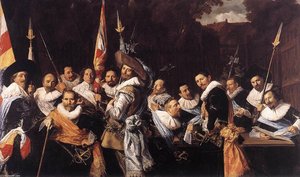
Herman Langelius


 Lue lisää
Giclée- ja taideprintit
Museolaatuisia giclée- tai kankaitaulun tulosteita nopealla tuotannolla ja joustavilla viimeistelyvaihtoehdoilla. ( Osta käsinmaalattu taideteos Siirry digitaaliseen kuvaan)




P118B €10

P118H €10

P118W €10

P438Z €10

P508JH €12

P508YH €12

P805H €10

P805Z €10

P919BZ €10

P919G €10

P919XJ €10

P959ZH €10

P968JZ €12

W106C €8

W218G €10

W218JH €8

W218Y €10

W307PJ €10

W316G €10

W316PJ €8

W316Y €10

W398PJ €8

W4111J €10

W500HY €15

W500JH €15

W692G €12

W849H €8

W940BG €15

W953PJ €8




Valitse valmiista mitoistamme sellaiset, jotka vastaavat teoksen alkuperäisiä mittasuhteita.

Syötä tarvitsemasi leveys ja korkeus, jotta tuloste sopii kehyksiisi tai seinällesi. Tulostetta voidaan vain leikata, sitä ei voida koskaan suurentaa alkuperäistä kuvaa suuremmaksi, joten eri muotoinen koko aiheuttaa osan kuvasta katoamisen. Lähetämme sinulle digitaalisen mallikuvan hyväksyttäväksi ennen kuin aloitamme tulostuksen. Tällä sivulla näkyvä kuva ei näytä lopullista rajausta — vain mallikuva näyttää sen.
Maailmanlaajuinen toimitus () 2 viikossa tavallisen 4–5 viikon sijaan. (30 lokakuu)

Ilmainen pikatoimitus ympäri maailman

Korkealaatuinen pellavakangas

Kattava kuljetusvakuutus

Tulliveron palautustakuu

Takuu täydellisestä värien vastaavuudesta

100 päivän palautusoikeus (vain valmistusvirheet)

100% rahat takaisin -takuu

Määräalennus tarjolla
 Lasivaihtoehto on saatavilla vain alle 110 cm kokoisille teoksille

Herman Langelius
Giclée- ja taideprintit
Replikaatin koko
-


Kokonaishinta
€ 71
The Intimate Gaze of Herman Langelius
Frans Hals’s “Herman Langelius,” painted around 1660, is more than just a portrait; it's a window into the soul of a man caught in a moment of quiet contemplation. This remarkable work, currently residing in the Musée de Picardie in Amiens, France, exemplifies Hals’s signature style – a masterful blend of realism and expressive brushwork that captures not only physical likeness but also an underlying sense of character and emotion. The painting depicts Herman Langelius, a Dutch Protestant minister, presented in a half-length pose, his gaze fixed directly upon the viewer with an intensity that is both arresting and profoundly human.
Hals’s technique here is particularly noteworthy. He employs a loose, almost impressionistic approach to rendering the figure, eschewing meticulous detail in favor of capturing the essence of Langelius's presence. Notice how the brushstrokes are visible, creating a textured surface that seems to vibrate with life. The chiaroscuro – the dramatic contrast between light and shadow – is expertly utilized, drawing attention to Langelius’s face and hands while subtly obscuring the background, further emphasizing his isolation and introspective mood. Hals was known for this technique, often referred to as “wet-on-wet,” where he applied paint while it was still wet, allowing colors to blend and merge organically.
A Baroque Masterpiece: Context and Style
“Herman Langelius” firmly situates itself within the vibrant context of the Dutch Golden Age. This period, roughly spanning from the mid-16th to the early 18th centuries, witnessed an unprecedented flourishing of art, science, and commerce in the Netherlands. Hals was a central figure in this artistic revolution, pushing boundaries with his innovative portraiture and genre scenes. His work stands apart from the more formal and idealized portraits favored by some of his contemporaries, instead embracing a sense of immediacy and spontaneity that reflects the dynamism of everyday life.
The painting’s Baroque style is evident in its dramatic lighting, rich textures, and emphasis on emotional expression. Baroque art, which flourished throughout Europe during this period, sought to evoke strong emotions in the viewer through grand gestures, intense colors, and dynamic compositions. Hals masterfully translates these principles into his portrait of Langelius, creating a work that is both visually stunning and emotionally resonant.
Symbolism and Character
Beyond its technical brilliance, “Herman Langelius” is rich in subtle symbolism. The subject’s direct gaze invites the viewer to engage with him on a personal level, suggesting a shared understanding or perhaps even a silent dialogue. His slightly melancholic expression hints at a contemplative nature, reflecting the burdens and responsibilities of his role as a minister. The dark clothing he wears also speaks to the solemnity of his profession.
Interestingly, Hals often painted what are known as “tronies”—studies of facial expressions rather than commissioned portraits. This approach allowed him to explore a range of human emotions and personalities without being constrained by specific requests from clients. The painting’s focus on Langelius's face—particularly his eyes—is a testament to Hals’s ability to capture the essence of a person through a single, powerful image.
A Timeless Portrait: Reproduction Possibilities
OriginalUniqueArt offers high-quality reproductions of “Herman Langelius,” allowing art lovers worldwide to experience the beauty and power of this iconic painting. Our meticulous printing process faithfully captures Hals’s distinctive brushwork and vibrant colors, ensuring that your reproduction will be a stunning addition to any home or office. Whether you're seeking an authentic representation for personal enjoyment or a sophisticated piece for interior design, our reproductions provide a remarkable way to connect with one of the Dutch Golden Age’s most celebrated artists.
Explore the full details and order your own reproduction today at OriginalUniqueArt.
Kysymykset ja vastaukset
Mitkä värit ja mikä hallitseva sävy määrittelevät teoksen "Herman Langelius"?
Frans Hals I:n "Herman Langelius"-teoksen väri-identiteetti: Earthy paletti, jota hallitsee Phthalo Green (#282322).
Onko teos Frans Hals I:n "Herman Langelius" koettu valoisaksi vai tummaksi?
Teoksen Frans Hals I:n "Herman Langelius" koettu kirkkaus on deep_shadow. Sen valoisuus voidaan sovittaa tarkoitettuun tilaan.
Minkälaisia värejä teoksessa "Herman Langelius" käytetään?
Frans Hals I:n "Herman Langelius"-teoksessa käytetään Earthy-väripalettia. Paletti tiivistää teoksen yleisen värikarakterin.
Taiteilijan elämäkerta
Frans Hals I: Elämä maalauksessa
Frans Hals I oli hollantilainen mestari, joka syntyi Antwerpenissa, Belgiassa, noin vuonna 1580. Vaikka hänen varhaisista vuosistaan tiedetään vain vähän, hän nousi yhdeksi hollantilaisen kultakauden merkittävimmistä hahmoista. Häntä juhlitaan nykyään erityisesti innovatiivisesta muotokuvauksestään ja eläväisistä genremaalauksistaan, jotka vangitsevat ajan henkeä tavalla, joka on säilyttänyt lumun vuosisatoja.
Varhaiset vuodet ja taiteellinen kasvu
Tiedot Halsin muovautuvista vuosista ovat harvinaisia. Uskotaan, että hän sai ensimmäisen taidekoulutuksensa Antwerpenissa, joka oli tuolloin merkittävä maalaustaiteen keskus. Uskonnollinen ja poliittinen levottomuus kuitenkin pakotti hänen perheensä muuttamaan Alankomaihin, Haarlemiin. Vuonna 1610 hänestä tuli Haarlemin Pyhän Luukkaan kilta jäsen, mikä merkitsi hänen ammatillisen uransa virallista alkua ja avasi ovet arvostetun taiteilijayhteisön pariin.
Taiteellinen tyyli ja kehitys
Hals erottui aikalaisistaan hämmästyttävän tuoreella ja spontaanilla tyylillään. Toisin kuin monet hänen aikalaistensa mestarit, jotka suosivat äärimmäistä tarkkuutta ja yksityiskohtia, Hals käytti vapaata ja ilmaisukasta sivellintä. Tämä tekniikka antoi hänen maalauksilleen välittömyyden ja elinvoiman tuntua, vangiten kohteidensa persoonallisuuden ja luonteen tavalla, joka oli aikanaan vallankumouksellista.
- Hänen muotokuvansa eivät olleet pelkkiä kasvonpiirteiden kopioita; ne olivat psykologisia tutkimusmatkoja.
- Hän oli mestari kuvaamaan ohikiitäviä hetkiä – naurua, keskustelua tai syvää mietiskelyä.
- Halsin taitava valon ja varjon käyttö lisäsi syvyyttä ja draamaa hänen sommitelmiinsa.
Merkittävät teokset
Vaikka Hals loi laajan kirjon erilaisia teoksia, hänet tunnetaan parhaiten muotokuvistaan. Hänen kuuluisimpien maalauksensa joukossa ovat:
- The Laughing Cavalier (1624) – Täydellinen esimerkki hänen kyvystään vangita luonne ja liike. avli
- Malle Babbe (n. 1633–1635) – Silmiinpistävä kuvaus iäkkäästä naisesta, joka osoittaa Halsin taitoa kuvata ikääntymistä ja persoonallisuutta.
- Haarlemin vanhustenkodin regenttien muotokuvat (1664) – Teos, joka osoittaa hänen mestaruutensa ryhmämuotokuvauksessa.
Hän loi myös kiehtovia genrekohtauksia – arjen kuvauksia – jotka tarjosivat katsojalle ikkunan hollantilaiseen yhteiskuntaan.
Vaikutteet ja perintö
Halsin suorien vaikutteiden määrittäminen on haastavaa, sillä hän kehitti erittäin yksilöllisen tyylin. On kuitenkin todennälin, että hän tunsi varhaisten flaamilaisten maalaajien, kuten Pieter Bruegel vanhemman, työn. Hänen innovatiivinen lähestymistapansa muotokuvaukseen vaikutti syvästi seuraaviin taiteilijasukupolviin.
- Hän vaikutti taiteilijoihin, kuten Adriaen Brouweriin ja Johannes Vermeeriiin.
- Hänen painotuksensa persoonallisuuden vangitsemiseen raivasi tietä intiimmimmille ja psykologisemmille muotokuville.
- Myöhemmät taiteilijat, mukaan lukien impressionistit, ihailivat hänen vapaata sivellintekniikkaansa ja valon käyttöään.
Historiallinen merkitys
Frans Hals I pelasi ratkaisevan roolin hollantilaisen maalaustaiteen muovaamisessa kultakauden aikana. Hänen työnsä heijastaa Alankomaiden tuolloista kasvavaa vaurautta ja yksilöllisyyttä. Hän siirtyi jäykästä muodollisuudesta kohti luonnollisempaa ja ilmaisukasta tyyliä, jättäen pysyvän jäljen taidehistoriaan.
Nykyään hänen maalauksiaan etsitään suurella intohimolla, ja niitä löytyy suurista museoista ympäri maailmaa, mukaan lukien Haarlemin Frans Hals Museum, jossa säilytetään hänen teostensa laajinta kokoelmaa. Hänen panoksensa jatkaa taiteilijoiden inspiroimista ja yleisön lumoamista vielä vuosisatojen jälkeenkin.

Frans Hals I
1580 - 1585 , Belgia
Pähkinänkuoressa
- Artistic Movement Or Style: Dutch Golden Age
- Artists Or Movements Influenced By This Artist:
- Adriaen Brouwer
- Johannes Vermeer
- Artists Who Influenced This Artist: ['Pieter Bruegel the Elder']
- Date Of Birth: c. 1582
- Date Of Death: 1666-08-26
- Full Name: Frans Hals I
- Nationality: Dutch
- Notable Artworks:
- Laughing Cavalier
- Malle Babbe
- Portraits of the Regents
- Place Of Birth: Antwerp, Belgium
Aiheeseen liittyvät artikkelit

Hollantilaisen kultakauden 10 mestariteosta – Taidetta kotiisi OriginalUniqueArt.com
Uppoudu hollantilaisen kultakauden taiteen maailmaan! Tutustu Rembrandtin, Vermeerin ja muiden mestareiden ikonisiin maalauksiin. Löydä inspiraatiota kotiisi OriginalUniqueArt.com:ista – laadukkaat taidevedokset ja sisustustaulut jokaiseen tilaan. Explore the full collection online!

Hollantilaisen barokin mestariteokset: Taidetta ja inspiraatiota kotiin
Uppoudu hollantilaisen barokin maailmaan! Tutustu Rembrandtin, Vermeerin ja muiden mestarien ikonisiin teoksiin. Taidetta, historiaa ja inspiraatiota kotiisi – löydä upeat reproduktiot OriginalUniqueArt.comista.

Golden Age Reflections: Dutch Baroque Painting & Cultural Innovation
Explore the Dutch Golden Age of painting! Discover key artists like Vermeer & ter Borch, their innovative techniques, and the rich cultural context behind these Baroque masterpieces. Learn about collecting & appreciating this iconic art period.

Frans Hals I: Innovation, Intimacy & the Dutch Golden Age Portrait
Explore the revolutionary portraiture of Frans Hals I, a master of the Dutch Golden Age. Discover his innovative techniques, captivating character studies & lasting impact on art history. Learn more at OriginalUniqueArt.

Rembrandtin mestariteokset: 25 taideteosta valokuvapainatuksina kotiisi | OriginalUniqueArt
Tutustu Rembrandtin 25 mestariteokseen – valokuvapainatuksina kotiisi! Uppoudu hollantilaisen kultakauden taiteeseen, varjoihin ja valoon. Löydä ikonisia muotokuvia ja historiallisia maalauksia OriginalUniqueArt.comista. Tutustu kokoelma!