
 Esikatselu
 Jaa teos
 Jaa
Jaa
 Tiedot
 Opas
Opas

 Lataa kuva
 Samanlaisia kohteita
 Röntgenkuvaus
 Diaesitys
 Kysymykset ja vastaukset
 Tilastot
Girl Reading


 Lue lisää
Giclée- ja taideprintit
Museolaatuisia giclée- tai kankaitaulun tulosteita nopealla tuotannolla ja joustavilla viimeistelyvaihtoehdoilla. ( Osta käsinmaalattu taideteos Siirry digitaaliseen kuvaan)




P118B €10

P118H €10

P118W €10

P438Z €10

P508JH €12

P508YH €12

P805H €10

P805Z €10

P919BZ €10

P919G €10

P919XJ €10

P959ZH €10

P968JZ €12

W106C €8

W218G €10

W218JH €8

W218Y €10

W307PJ €10

W316G €10

W316PJ €8

W316Y €10

W398PJ €8

W4111J €10

W500HY €15

W500JH €15

W692G €12

W849H €8

W940BG €15

W953PJ €8




Valitse valmiista mitoistamme sellaiset, jotka vastaavat teoksen alkuperäisiä mittasuhteita.

Syötä tarvitsemasi leveys ja korkeus, jotta tuloste sopii kehyksiisi tai seinällesi. Tulostetta voidaan vain leikata, sitä ei voida koskaan suurentaa alkuperäistä kuvaa suuremmaksi, joten eri muotoinen koko aiheuttaa osan kuvasta katoamisen. Lähetämme sinulle digitaalisen mallikuvan hyväksyttäväksi ennen kuin aloitamme tulostuksen. Tällä sivulla näkyvä kuva ei näytä lopullista rajausta — vain mallikuva näyttää sen.
Maailmanlaajuinen toimitus () 2 viikossa tavallisen 4–5 viikon sijaan. (11 marraskuu)

Ilmainen pikatoimitus ympäri maailman

Korkealaatuinen pellavakangas

Kattava kuljetusvakuutus

Tulliveron palautustakuu

Takuu täydellisestä värien vastaavuudesta

100 päivän palautusoikeus (vain valmistusvirheet)

100% rahat takaisin -takuu

Määräalennus tarjolla
 Lasivaihtoehto on saatavilla vain alle 110 cm kokoisille teoksille

Girl Reading
Giclée- ja taideprintit
Replikaatin koko
-


Kokonaishinta
€ 73
A Moment of Quiet Reflection: Frank Duveneck’s “Girl Reading”
Frank Duveneck's "Girl Reading," painted in 1876, isn’t merely a portrait; it’s a carefully constructed tableau of domesticity and intellectual pursuit. The painting immediately draws the viewer into a scene of serene contemplation – a young woman lost within the pages of her book, bathed in a soft, diffused light that speaks to both intimacy and a certain melancholy. Duveneck, a remarkably prolific artist whose life was tragically cut short at the age of 71, masterfully captures this quiet moment, imbuing it with an emotional resonance that transcends its simple subject matter.
The composition is deceptively straightforward. The girl, dressed in a vibrant crimson gown – a bold and striking color choice for the era – sits poised on what appears to be a small stool or bench. Her posture suggests both comfort and concentration; her hand rests lightly upon the book, while her gaze is utterly absorbed by its contents. The dark shawl draped across her shoulders and the matching hat contribute to a sense of understated elegance and perhaps a touch of reserve. The background, rendered in muted browns and greens, serves as a subtle counterpoint to the girl’s vivid attire, directing the eye back to her central figure.
Impressionistic Realism: A Delicate Balance
Duveneck's style is often described as “impressionistic realism,” a term that perfectly encapsulates his approach. He skillfully blends elements of both movements – the loose brushstrokes and emphasis on capturing fleeting moments characteristic of Impressionism, with the meticulous detail and accurate representation favored by Realists. Notice how he uses broken color to create an atmospheric effect, particularly in the dappled light filtering through an unseen window. The paint isn’t blended smoothly; instead, it's applied in short, visible strokes that give the scene a sense of immediacy and vitality. This technique allows him to convey not just what he *sees*, but also how he *feels* about what he sees – a subtle emotional layering that elevates the painting beyond a simple likeness.
The artist’s use of light is particularly noteworthy. It's not harsh or dramatic, but rather soft and diffused, creating a sense of warmth and intimacy. This gentle illumination highlights the girl’s face and hands, drawing attention to her engagement with the book. The shadows are equally deliberate, adding depth and dimension to the scene and subtly hinting at the quiet solitude of the moment.
A Window into 19th-Century Life
"Girl Reading" offers a poignant glimpse into the domestic life of mid-19th century America. The painting reflects a time when education, particularly for women, was increasingly valued, though still often limited. The girl’s act of reading represents a burgeoning intellectual curiosity and a desire for knowledge – a subtle assertion of agency within a society that frequently confined women to traditional roles. Furthermore, the setting itself—a simple interior space—suggests a life centered around family and home, values deeply rooted in the era.
Considering Duveneck’s own biography adds another layer of meaning. His early life was marked by profound loss – the death of his father at a young age and the subsequent remarriage of his mother. These experiences undoubtedly shaped his artistic vision, imbuing his work with a sense of melancholy and perhaps a yearning for stability and connection. “Girl Reading,” therefore, can be interpreted as an exploration of these themes—a quiet meditation on loss, memory, and the solace found in intellectual pursuits.
Symbolism and Emotional Resonance
Beyond its historical context, "Girl Reading" is rich with symbolic meaning. The book itself represents knowledge, wisdom, and escape – a portal to other worlds and ideas. The girl’s posture suggests introspection and a desire for self-discovery. The crimson dress, while vibrant, also carries connotations of passion and perhaps even vulnerability. Duveneck masterfully uses color and composition to create an atmosphere of quiet contemplation, inviting the viewer to share in the girl's moment of solitude.
Ultimately, “Girl Reading” is a remarkably evocative work that transcends its simple subject matter. It’s a testament to Duveneck’s artistic skill and his ability to capture not just the physical appearance of his subjects, but also their inner lives. It remains a powerful reminder of the enduring appeal of quiet moments, intellectual pursuits, and the beauty found in the everyday.
Kysymykset ja vastaukset
Mihin vaiheeseen Frank Duveneckin uraa teos "Girl Reading" (1876) kuuluu?
"Girl Reading", luotu vuonna 1876, kuuluu Frank Duveneck'n uran Mature Period-vaiheeseen."
Kuinka voimakas kontrasti teoksessa Frank Duveneck:n "Girl Reading" on?
Teoksessa Frank Duveneck:n "Girl Reading" on Serene kontrasti vaaleiden ja tummien alueiden välillä.
Onko Frank Duveneck:n "Girl Reading" -teoksesta saatavilla opiskelijoille suunnattua tietolomaketta?
Frank Duveneck:n "Girl Reading" -teoksen Opas -sivu tarjoaa tulostettavan kahden sivun tietolomakkeen: teoksen ja sen tunnistetiedot, aikajanan, joka sijoittaa teoksen taiteilijan elinaikaan, muita taiteilijan teoksia, mitatun väripaletin sekä neljällä eri tyylillä valmiiksi muotoillut lähdeviitteet.
Taiteilijan elämäkerta
Frank Duveneck: Elämä ja Taide Traagisen Vahvuuden Syntyessä
Frank Duveneck, syntynyt Frank Decker vuonna 1848 Covingtonissa, Kentuckyssä, oli taiteilija jonka elämä tarina on yhtä kiehtova kuin hänen voimakkaasti maalattuja teoksiaan. Hänen varhaiset vuosinsa olivat varjostettuja menetyksellä; isänsä kuolema koleran seurauksena vain vähän yli vuoden ikäisenä jätti pysyvän jäljen hänen polulleen. Tämä muotoileva tragedia, yhdistettynä äitinsä myöhempään avioliittoon Joseph Duvenekin kanssa – josta hän otti pysyvänsä nimen – loi hänelle sisua ja ehkä myös herätti herkkyyttä, joka myöhemmin heijastui hänen taiteeseensa. Saksan perinnön yhdistyminen isänsä puolisonsa kautta ja Amerikan ainutlaatuinen maisema ympäristössä loivat taiteilijan ainutlaatuisen kulttuuritaustan. Jo nuorena poikana piirtämiskyvyllään oli lahjakkuutta, mikä johti opintoihin paikallisen maalari Johann Schmittin johdolla ja harjoittelun yritykseen, joka erikoistui kirkkojen koristeluun – tärkeä aikakausi, jossa hän hioi taitojaan ja omaksui visuaalisten kuvien tarinankerronnan voiman. Tämä ei ollut pelkästään tekniikan hallintaa; kyse oli siitä, miten taidetta voidaan herättää tunteita ja kertoa tarinoita – opetukset, jotka resonoivat hänen uransa läpi.Munichin Kruunu: Tumman Realismin Omaksuminen
Vuonna 1869 Duveneck matkusti muuttuvaksi kaupungiksi Müncheniin, Saksaan, etsien edistyneää taiteellista koulutusta Kuninkaallisesta Akatemiasta. Tämä muutto osoittautui ratkaisevaksi. Munichin vallitseva estetiikka oli karu realismi – harkittu hylkääminen akateemisesta idealismista suoraan havaintojen ja totuudenmukaisuuden puolesta. Se resonoi syvästi Duvenekin kanssa, joka omaksui synkemmän sävymaailman ja voimakkaamman, ilmaisuvoimaisemman siveltimen. Hän oli lumoutunut 1600-luvun hollantilaisen mestarin Frans Halsin työn kiehtovuudesta, jonka eloisat muotokuvat ja taitava valon käsittely vaikuttivat hänen tyyliinsä syvästi. Tämä vaikutus on selvästi näkyvissä maalauksissa kuten *Lady with Fan* (1873), jossa leikkaavat siveltimet ja synkkä sävy jäljittelevät Halsin henkeä, mutta samalla luovat oman ainutlaatuisen äänensä. Juuri näinä varhaisina vuosina hän alkoi kehittää tyyliä, jollaista hän myöhemmin tuli tunnetuksi: voimakas realismi, joka oli täynnä psykologista syvyyttä ja tunteellista intensiteettiä – poikkeama akateemisten konventioiden suosimasta pinnallisuudesta. *The Whistling Boy* (1872) on tämän varhaisen ilmaisun huomattava esimerkki, joka vangitsee hetken nuoruuden vilinää uskomattoman välittömästi ja tunteen täydellä elämällä.Mentorin Vaikutus: “Duvenekin Poikia” ja Sen Jälkeen
Vuonna 1878 Duveneck oli vakiinnuttanut asemansa merkittäväksi taiteilijaksi, ei pelkästään maalarena vaan myös opettajana. Hän avasi oman koulun Münchenissä, houkutellen joukon intohimoisia amerikkalaisia taiteilijoita, jotka tunnettiin nimellä “Duvenekin Poikia”. Näiden joukossa olivat John Twachtman, Otto Bacher, Julius Rolshoven ja John White Alexander – taiteilijat, jotka itsessään muuttuivat merkittäviksi amerikkalaisiksi impressionisteiksi ja realisteiksi. Duvenekin opetusfilosofia korosti suoraa havaintoa, voimakkaampaa siveltimenkäyttöä ja konventioiden hylkäämistä. Hän kannusti oppilaitaan muovaamaan omaa taiteellista polkuansa pohjautuen vahvoihin piirustustaitoihin ja ilmaisuvoimaiseen värien käyttöön. Hänen vaikutuksensa ulottui takaisin Amerikkaan, kun hän hyväksyttiin opettajaksi Cincinnati Art Academiassa, jossa hän mentoroi uuden sukupolven taiteilijoita, kuten Ida Holterhoff Hollowaya, John Christen Johansenia ja Russelia Wrightia. Hän loi innovatiivisen ja itsenäisen henkeä, joka muokkasi Amerikan taidetta.Evoluoivat Visiot ja Kestävä Perintö
Duvenekin taiteellinen matka jatkui kehittymisessä hänen palattuaan Amerikkaan. Vaikka hän pysyi sitoutuneena realismiin, hänen sävymaailmansa kirkastui, vaikutteita Impressionismista ja useista matkoista Italiaan ja Ranskaan. Hän tutki maisemamaalauksen lisäksi, vangiten aurinkoisia kohtauksia Venetsiasta ja karua kauneutta rannikkokaupungista Massachusettsissa. Vaikka hänen tyylinsä muuttui, se säilytti aina oman ainutlaatuisen luonteen – teknisen mestaruuden, tunteellisen syvyyden ja psykologisen näkökulman yhdistelmän. Henkilökohtaisen tragedian, vaimonsa Elizabeth Boott Duvenekin kuoleman, joka tapahtui vuonna 1888, varjo lankesi hänen myöhempien vuosieni aikana, ehkä vaikuttamalla joihinkin hänen myöhemmistä teoksistaan. Frank Duveneck kuoli Covingtonissa, Kentuckyssä, vuonna 1919, jättäen jälkeensä rikkaat taiteelliset perinnöt. Hänen maalauksensa säilytetään arvostetuissa kokoelmissa, kuten Metropolitan Museum of Art New Yorkissa, National Gallery of Art Washingtonissa, D.C., ja Cincinnati Art Museum – todiste hänen kestävistä panoksistaan Amerikan taiteeseen. Hän on edelleen merkittävä hahmo siirtymässä akateemisesta perinteestä moderniin realismiin, taiteilija, joka uskollisesti haastoi konventiot ja muovasi oman polkunsa vakaumuksella.Kestävän Vaikutuksen Jättäminen
- Ensimmäinen Realistinen Taiteilija: Duvenekin sitoutuminen elämän kuvaamiseen sellaisena kuin se oli, ilman idealisointia, loi tien tuleville amerikkalaisten realistien sukupolville.
- Vaikuttava Opettaja: Hänen “Duvenekin Poikien” ja myöhempien opiskelijoiden mentorinsa vaikutus on ollut merkittävä Amerikan impressionistisen ja realistisen taiteen kehitykselle.
- Tekninen Mestaruus: Duvenekin taitava siveltimenkäyttö, värien käsittely ja kompositiot inspiroivat edelleen taiteilijoita tänään.
- Psykologinen Syvyys: Hänen kykynsä vangita aiheensa sisäelämää tuo teoksiinsa psykologisen syvyyden ja tunteellisen resonanssin.
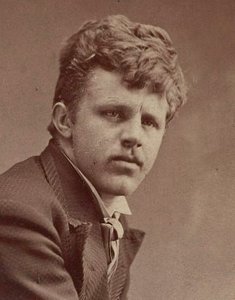
Frank Duveneck
1848 - 1919 , Yhdysvallat
Pähkinänkuoressa
- Artistic Movement Or Style: Realismi, impressionismi
- Artists Or Movements Influenced By This Artist: ['Munichin koulu']
- Artists Who Influenced This Artist: ['Frans Hals']
- Date Of Birth: 9. marraskuuta 1848
- Date Of Death: 3. tammikuuta 1919
- Full Name: Frank Duveneck
- Nationality: Amerikkalainen
- Notable Artworks:
- Lady with Fan
- Whistling Boy
- Place Of Birth: Covington, Kentucky
Aiheeseen liittyvät artikkelit
Realism in Art: A Professional Guide to Authentic Detail and Lifelike Masterpieces for Large-Scale Interior Projects
Master the use of Realism in professional interiors. This expert guide explores 19th-century masterpieces, offering procurement managers and designers technical insights into selecting authentic, hand-painted oil reproductions for high-end hotel and corporate projects.
Realistisen taiteen mestariteoksia: 10 teosta, jotka vangitsevat todellisuuden – OriginalUniqueArt.fi
Tutustu 10 realistisen taiteen mestariteokseen! Courbet'sta Rembrandtiin – syvenny taidemaalareiden tarinoihin ja tekniikoihin. Löydä inspiraatiota sisustukseesi OriginalUniqueArt.com:ista. Tutki kokoelma verkossa!
The Raw Truth: A Definitive Guide to the Power and Legacy of Social Realism Art
Explore the profound impact of Social Realism. Discover how masters like Courbet rejected idealism to capture the raw, socio-political truths of the working class through powerful, unvarnished art history and enduring visual critique.

Romantic Realism's Finest: 10 Masterpieces for Your Home | OriginalUniqueArt
Explore 10 defining masterpieces of Romantic Realism! Discover Courbet, Millet & Daumier's powerful paintings—capturing emotion and social realities. Find museum-quality reproductions for your home at OriginalUniqueArt.com.

Echoes of Society: Exploring Social Realism's Enduring Legacy in Art
Explore the powerful world of Social Realism art! Discover key artists, masterpieces & its profound social commentary. Expert insights into this influential movement's history and enduring legacy.