Valikko
Text size

() ·

A painting made for you, by hand

French, approx. )

Käsinmaalattu öljyvärinen jäljennös

Käsinmaalattu öljyväri kankaalle haluamassasi koossa ja kehyksissä, taiteilijoidemme valmistamana tilauksesta. ( Vaihda tulosteeseen Siirry digitaaliseen kuvaan)

Keräilykohteen kuvaus

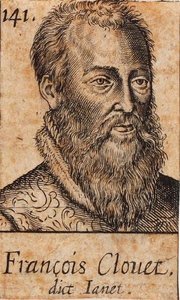
Admire François Clouet's exquisite portrait from circa 1510. This oil on canvas captures the elegance of French Renaissance court life with remarkable detail.

Taiteilijan elämäkerta

"meta_description": "François Clouet (1510-1572) oli ranskalainen renessanssimaalari, joka tunnetaan hienostuneista hovimaisuuksistaan ja tarkasta tyyliltään. Hänen mestariteoksiaan ovat muun muassa Francis I:n ja Mary, Queen of Scotsin muotokuvat."

from ·

Chapter 1

How large should it be?

Slide to change the size; the picture on the left shows the frame at its real width. The proportions of the original are kept.

Vakiokoko
räätälöity
CM
INCH

Valitse valmiista mitoistamme sellaiset, jotka vastaavat teoksen alkuperäisiä mittasuhteita.

leveys
korkeus

Kirjoita tarvitsemasi leveys ja korkeus, jotta teos sopii kehyksiisi tai seinällesi. Koska kyseessä on käsinmaalattu teos, taiteilija voi maalata hieman enemmän kuvan ympärille tai rajata sitä hieman, jos haluat eri muotoisen koon — valinta on sinun. Lähetämme sinulle digitaalisen mallikuvan hyväksyttäväksi ennen kuin maalaus alkaa. Tällä sivulla näkyvä kuva ei vastaa lopullista tulosta — vain mallikuva näyttää sen.

Chapter 2

How should it arrive?

Choose the edges of the stretched canvas

Choose your frame

Corner sample of the WhiteWrap canvas edge finish, stretched on massiivipuu bars
White €1
Corner sample of the BlurSideWrap canvas edge finish, stretched on massiivipuu bars
Blurside €1
Corner sample of the ExtendedWrap canvas edge finish, stretched on massiivipuu bars
Extended €1
Corner sample of the P118B picture frame: valettu polystyreeni, 5 cm wide and 3 cm thick
P118B €10
Corner sample of the P118H picture frame: valettu polystyreeni, 5 cm wide and 3 cm thick
P118H €10
Corner sample of the P118W picture frame: valettu polystyreeni, 5 cm wide and 3 cm thick
P118W €10
Corner sample of the P438Z picture frame: valettu polystyreeni, 5.5 cm wide and 3.5 cm thick
P438Z €10
Corner sample of the P508JH picture frame: valettu polystyreeni, 7 cm wide and 3.5 cm thick
P508JH €12
Corner sample of the P508YH picture frame: valettu polystyreeni, 7 cm wide and 3.5 cm thick
P508YH €12
Corner sample of the P805H picture frame: valettu polystyreeni, 5 cm wide and 3.5 cm thick
P805H €10
Corner sample of the P805Z picture frame: valettu polystyreeni, 5 cm wide and 3.5 cm thick
P805Z €10
Corner sample of the P919BZ picture frame: valettu polystyreeni, 7 cm wide and 3.5 cm thick
P919BZ €10
Corner sample of the P919G picture frame: valettu polystyreeni, 7 cm wide and 3.5 cm thick
P919G €10
Corner sample of the P919XJ picture frame: valettu polystyreeni, 7 cm wide and 3.5 cm thick
P919XJ €10
Corner sample of the P959ZH picture frame: valettu polystyreeni, 5 cm wide and 3 cm thick
P959ZH €10
Corner sample of the P968JZ picture frame: valettu polystyreeni, 6 cm wide and 4 cm thick
P968JZ €12
Corner sample of the W106C picture frame: massiivipuu, 5 cm wide and 3 cm thick
W106C €8
Corner sample of the W218G picture frame: massiivipuu, 5 cm wide and 3 cm thick
W218G €10
Corner sample of the W218JH picture frame: massiivipuu, 5 cm wide and 3 cm thick
W218JH €8
Corner sample of the W218Y picture frame: massiivipuu, 5 cm wide and 3 cm thick
W218Y €10
Corner sample of the W307PJ picture frame: massiivipuu, 6 cm wide and 3 cm thick
W307PJ €10
Corner sample of the W316G picture frame: massiivipuu, 6 cm wide and 3 cm thick
W316G €10
Corner sample of the W316PJ picture frame: massiivipuu, 6 cm wide and 3 cm thick
W316PJ €8
Corner sample of the W316Y picture frame: massiivipuu, 6 cm wide and 3 cm thick
W316Y €10
Corner sample of the W398PJ picture frame: massiivipuu, 5 cm wide and 3 cm thick
W398PJ €8
Corner sample of the W4111J picture frame: massiivipuu, 6.5 cm wide and 3.5 cm thick
W4111J €10
Corner sample of the W500HY picture frame: massiivipuu, 7 cm wide and 5 cm thick
W500HY €15
Corner sample of the W500JH picture frame: massiivipuu, 7 cm wide and 5 cm thick
W500JH €15
Corner sample of the W692G picture frame: massiivipuu, 8 cm wide and 4 cm thick
W692G €12
Corner sample of the W849H picture frame: massiivipuu, 5 cm wide and 3 cm thick
W849H €8
Corner sample of the W940BG picture frame: massiivipuu, 7.5 cm wide and 4.5 cm thick
W940BG €15
Corner sample of the W953PJ picture frame: massiivipuu, 6 cm wide and 3.5 cm thick
W953PJ €8
Corner sample of the H24-GOLD picture frame: kaiverrettua puuta ja gessoa, 10 cm wide and 6 cm thick
H24-GOLD €30
Corner sample of the H24-SILVER picture frame: kaiverrettua puuta ja gessoa, 10 cm wide and 6 cm thick
H24-SILVER €30
Corner sample of the H36-GOLD picture frame: kaiverrettua puuta ja gessoa, 15 cm wide and 6.5 cm thick
H36-GOLD €45
Corner sample of the H36-SILVER picture frame: kaiverrettua puuta ja gessoa, 15 cm wide and 6.5 cm thick
H36-SILVER €45
Kehyksen esikatselu
Kehystetty

Moulding: . Overall size with the frame: .

Chapter 3

Who paints it, and should anything change?

Examples of what can be changed: Replace face with customer photo; Add pet (e.g., replace cat with dog); Include hidden message in background; Change background landscape or elements.
After order, OriginalUniqueArt.com team will email client for instructions and provide a mockup preview

Maailmanlaajuinen toimitus () 3–4 viikossa tavallisen 5 viikon sijaan. (30 lokakuu). Laadusta ei tingitä.

Chapter 4

The finishing touches

A nameplate, as in a museum?

Kaiverretun pronssilaatan tiedot

This elegant plaque features the artist's name and the title of the artwork, finely engraved for a timeless presentation.

It is made from bronze with a refined, elegant finish. The text is precisely laser-engraved for a sharp and permanent result. Measuring 9x2 cm, the plaque is compact yet easy to read. It's built to be durable and scratch-resistant, offering a professional, museum-quality look. Mounting is simple thanks to the included adhesive backing.

Läpinäkyvän akryylilaatan tiedot

The plaque includes essential engraved details such as the artist's name, the title of the artwork, the date it was created, the type of media used-like oil on canvas or watercolor-a brief description of the piece, and a QR code that links to the complete artwork information.

It is crafted from clear acrylic, offering a sleek, modern appearance. The text is UV-engraved in black to ensure strong visual contrast. With a size of 10x15 cm, it ensures optimal readability. It comes equipped with two metal hooks for secure wall mounting. The plaque is designed to be weather-resistant, making it suitable for various environments, and it includes interactive features that work seamlessly with smartphone scanning.

Mustan akryylilaatan tiedot

This elegant plaque includes engraved information such as the artist's name, the title of the artwork, the date it was created, the type of media used (like oil on canvas or watercolor), a short description of the artwork, and a QR code for quick access to more information.

The plaque itself is made from refined black acrylic with a premium finish. The text is laser-engraved in white for high contrast and readability. Its size is 10x15 cm, designed to be easy to read. It comes with two metal hooks for professional mounting. The design is sleek and fits any interior style. It is also weather-resistant and durable, with built-in digital integration for mobile compatibility.

A protective varnish?

When do you need it?

Chapter 5

Your painting, as you ordered it

French, approx. )

Reproduktiotekniikka

Replikaatin koko

-

Kokenut huipputaiteilija

Lisää yksityiskohtia, hienostuneisuutta ja enemmän aikaa tuotantoon

-

Reproduktion kehystysvaihtoehdot

-

-

Teoksille tai reproduktioille, joiden mikä tahansa sivu on suurempi kuin 105 cm (noin 41 tuumaa), kehys toimitetaan osina purettuna sarjana. Tämä menetelmä varmistaa turvallisen toimituksen ja ehkäisee vaurioita kuljetuksen aikana.

Vaatii ammattimaista kokoamista – kyseessä ei ole tee-se-itse-tuote.
Sarja on koottava ja kangas kiristettävä kokeneen kehystysammattilaisen toimesta käyttäen puuliimaa (ei sisälly pakkaukseen), kangaspinnetteitä ja puristimia, jotta kehyksen kulmat pysyvät suorina liiman kuivuessa. Virheellinen kokoaminen tai epätasainen kankaan kiristys voi vaurioittaa teosta pysyvästi, eikä tällaiset vauriot ala takuun piiriin.

  • Kaikki massiivipuupalat sisältyvät, tarkasti mittojen mukaan leikattuina.

  • Kootaan mukana tulevilla ruuveilla sekä kulmaliitoksia varten tarvittavalla puuliimalla, jota ei toimiteta, joten se on hankittava kehystäjältä.

  • Vaatii ammattilaisvälineitä, jotka eivät sisälly pakkaukseen: kankaan venytyspihdit (kiristin) ja puristimet, joilla pidetään kehyksen puut suorassa liiman kuivuessa.

Tärkeää:
Kulmaliitoksissa tarvitaan puuliimaa, kehyksien osat on pidettävä puristimilla, kunnes liima on täysin kuivunut, ja koottuun kehykseen jännitettävän kankaan kiristämiseen tarvitaan kangaspenssipihti. Mikään näistä ei sisälly pakkaukseen. Suosittelemme varmistamaan kokeneen kehystäjän saatavuuden ennen tämän kokoisen kehyksen tilaamista.

Nimilaatta

-

-

Suojalakkaus

Kiiltävä lakka (syventää värejä, suojaa valolta ja kosteudelta)

-

Mukauta taideteokseni

Esimerkkejä muokattavista asioista: Vaihda kasvot asiakkaan omaan valokuvaan; Lisää lemmikki (esim. vaihda kissa koiraan); Lisää taustalle piilotettu viesti; Muuta taustan maisemaa tai elementtejä.

-

Pikatoimitus

Maailmanlaajuinen toimitus () 3–4 viikossa tavallisen 5 viikon sijaan. (30 lokakuu). Laadusta ei tingitä.

-

Pikatoimitus

Maailmanlaajuinen toimitus () 5 viikon kuluessa. (6 marraskuu).

Sisältyy hintaan

Kokonaishinta

€ 266

Kokonaishinta € 266

Lasivaihtoehto on saatavilla vain alle 110 cm kokoisille teoksille

Included with every order

  • Ilmainen pikatoimitus ympäri maailman
  • Korkealaatuinen pellavakangas
  • Kattava kuljetusvakuutus
  • Tulliveron palautustakuu
  • Takuu täydellisestä värien vastaavuudesta
  • 100 päivän palautusoikeus (vain valmistusvirheet)
  • 100% rahat takaisin -takuu
  • Määräalennus tarjolla

A Glimpse into Renaissance Elegance: François Clouet's Portrait of a Lady

This captivating oil on canvas painting, attributed to François Clouet and dated circa 1510, offers an intimate portrait of a woman embodying the refined sensibilities of the French Renaissance. The subject, poised with a subtle downward gaze, exudes an air of quiet dignity and grace. Her attire—a gown adorned with a delicate ruffled collar and a lustrous pearl necklace—speaks to her status and taste within the courtly circles of the time. Clouet’s masterful rendering captures not only the physical likeness but also hints at the woman's inner character, inviting viewers into a moment frozen in time.

Style and Technique: The Precision of Renaissance Miniaturism

François Clouet was renowned for his exceptional skill as a miniaturist and painter, inheriting this talent from his father, Jean Clouet, also a prominent court artist. This portrait exemplifies the hallmarks of his style: meticulous detail, precise rendering of textures (particularly in the fabrics and pearls), and a restrained color palette that emphasizes elegance over dramatic flair. The painting showcases Clouet’s mastery of oil on canvas, utilizing subtle gradations of light and shadow to create depth and form. His approach reflects the broader Renaissance interest in realism and accurate representation, while retaining a distinctly courtly aesthetic.
  • Miniaturist Precision: The level of detail is remarkable, demonstrating Clouet's training and expertise.
  • Restrained Palette: The muted colors contribute to the portrait’s overall sense of refinement and dignity.
  • Textural Rendering: Notice how meticulously Clouet captures the sheen of the pearls, the crispness of the ruffles, and the drape of the gown.

Historical Context: The French Court in the Early 16th Century

Created during the reign of Louis XII and later Francis I, this portrait provides a valuable window into the world of the French court. The early 16th century was a period of significant cultural flourishing in France, marked by the influence of Italian Renaissance art and humanist ideals. Portraiture became increasingly important as a means of documenting the nobility and asserting their status. Clouet’s position as a court painter afforded him unparalleled access to the royal family and their circle, allowing him to create these intimate and revealing depictions. The portrait's style reflects the evolving tastes of the French aristocracy, moving away from earlier Gothic conventions towards a more naturalistic and refined aesthetic.

Emotional Impact and Symbolism

Beyond its technical brilliance, this portrait evokes a sense of quiet contemplation and understated elegance. The woman’s downward gaze suggests introspection or perhaps a moment of private reflection. The pearl necklace, a symbol of purity and wealth, further underscores her status. While the identity of the sitter remains uncertain, the painting resonates with a timeless quality, capturing the essence of Renaissance beauty and grace. It offers viewers an opportunity to connect with a past era and appreciate the artistry of one of France’s most celebrated portraitists. The overall effect is both captivating and serene, making it a compelling addition to any art collection or interior space.

Kysymykset ja vastaukset

Mistä maasta Renaissance-tyylinen teos "French, approx. )" on peräisin?

Renaissance-tyylinen teos "French, approx. )" on Ranska:ssa syntyneen taiteilijan käsialaa.

Mikä on teoksen "French, approx. )" formaatti?

François Clouet:n "French, approx. )" on Portrait-muotoinen sommitelma. Suhteet kannattaa tarkistaa ennen tulostekoon valitsemista.

Onko olemassa teoksia, jotka muistuttavat teosta "French, approx. )"?

Teoksen François Clouet:n "French, approx. )" Samankaltaisia teoksia -sivu esittelee samankaltaisia teoksia.

More about this painting

Esikatselu Esikatsele AR-tilassa Vaihda tulosteeseen Siirry digitaaliseen kuvaan Jaa teos
Tiedot Opas Lisää suosikkeihin Lataa kuva Samanlaisia kohteita Röntgenkuvaus Diaesitys Q&A Tilastot

In numbers

  • 1510the year it was painted
  • 29frames to choose from
  • standard sizes, in its own proportions
  • 5weeks to paint and deliver it
François Clouet

François Clouet

1510 - 1572, Ranska

Quick facts about François Clouet

  • Artistic Movement Or Style: Renaissance porträttimaalaus
  • Artists Or Movements Influenced By This Artist: ['Ranskalaiset maalari']
  • Artists Who Influenced This Artist:
    • Jean Clouet
    • Leonardo da Vinci
  • Date Of Birth: c. 1510
  • Date Of Death: 1572
  • Full Name: François Clouet
  • Nationality: Ranskalainen
  • Notable Artworks:
    • Elisabetta I:n kuva
    • Maria Stuartin kuva
    • Kaarle IX:n kuva
  • Place Of Birth: Tours, France

Taiteilijan elämäkerta

A Legacy of Likeness: The World of François Clouet

François Clouet, a name synonymous with the refined portraiture of the French Renaissance, emerged from a lineage steeped in artistic skill and courtly favor. Born around 1510 in Tours, France, his life unfolded against a backdrop of evolving artistic sensibilities and the opulent world of the Valois monarchy. He wasn’t merely a painter; he was a chronicler of an era, capturing the essence of kings, queens, and courtiers with a meticulousness that continues to captivate viewers today. The shadow of his father, Jean Clouet, loomed large – both artists shared not only a profession but also the familiar nickname ‘Janet,’ leading to occasional confusion in attributing their works across generations. Yet, François carved his own distinct path, blending Flemish naturalism with an emerging Italianate grace, and establishing himself as one of France’s most celebrated portraitists.

Inheriting a Tradition: Early Life and Artistic Formation

The early years of François Clouet remain somewhat veiled in historical obscurity, but his artistic trajectory was undeniably shaped by the legacy of his father. Jean Clouet, originating from the Southern Netherlands, brought with him to the French court the meticulous detail and realistic approach characteristic of Flemish painting. This foundation formed the bedrock of François’s training. A pivotal moment arrived in 1541 when François inherited his father's estate, formally stepping into his artistic inheritance and assuming the responsibilities that came with it. This wasn’t simply a transfer of property; it was an assumption of a role within the very fabric of the French court. The Clouet family also enjoyed a unique connection to the Italian Renaissance through Jean’s time in Amboise, exposing François to the burgeoning ideals and innovative techniques emanating from Italy – a subtle but significant influence that would later manifest in his work. He absorbed not just technique, but an understanding of how art could serve as both documentation and celebration of power and status. He diligently studied the works of Leonardo da Vinci, recognizing the importance of anatomical accuracy and psychological insight—principles he would carry forward into his own artistic endeavors.

The Art of Revelation: Style and Major Works

François Clouet’s oeuvre is defined by a remarkable precision and elegance. His portraits weren’t merely likenesses; they were insightful studies of character, capturing not only physical features but also the personality and social standing of his subjects. He possessed an extraordinary ability to convey royal authority and sophistication, as evidenced in several notable depictions of Francis I, examples of which reside in prestigious collections like the Uffizi Gallery and the Louvre Museum. Beyond Francis I, Clouet’s brush immortalized other key figures of the era. He likely painted portraits of Catherine de' Medici at Versailles, contributing to a visual record of her influential reign. Perhaps one of his most celebrated achievements is the chalk drawing of Mary, Queen of Scots, held in the Bibliothèque nationale – a work that showcases his mastery of capturing delicate features and conveying emotional depth with astonishing subtlety. Other notable works include portraits of Elizabeth of Austria (Louvre), Marguerite of France (Château de Chantilly), and Charles IX (Château de Chantilly). His paintings often possess a quiet dignity, a restrained elegance that reflects the refined sensibilities of the French court. The use of light and shadow – *chiaroscuro* – is subtle yet effective, adding depth and dimension to his portraits without resorting to dramatic contrasts.

A Defining Aesthetic: Characteristics of Clouet’s Art

Several hallmarks define François Clouet's distinctive style.
  • Elaborate Detail: A meticulous attention to detail permeates his work, evident in the intricate rendering of clothing, jewelry, and facial features – every element contributing to a sense of realism and opulence.
  • Accurate Drawing: Clouet’s portraits are grounded in precise anatomical rendering and skillful use of line, demonstrating a mastery of draftsmanship that underpinned his artistic vision.
  • Exquisite Completeness: His compositions convey a sense of wholeness and personality, going beyond mere physical representation to capture the inner life of his subjects. He didn’t just paint faces; he painted individuals.
His paintings often possess a quiet dignity, a restrained elegance that reflects the refined sensibilities of the French court. The use of light and shadow – *chiaroscuro* – is subtle yet effective, adding depth and dimension to his portraits without resorting to dramatic contrasts.

A Lasting Impression: Historical Significance and Legacy

François Clouet’s contributions to French Renaissance art are profound. He played a crucial role in establishing portraiture as a prominent genre in France, elevating the status of the artist and providing invaluable visual records of the royal court. He bridged the gap between medieval artistic traditions and the emerging Renaissance ideals, incorporating naturalism and humanistic principles into his work. As a court painter for multiple French monarchs – Francis I, Henry II, Francis II, and Charles IX – he documented the lives and appearances of key figures in French history, creating a visual archive that continues to inform our understanding of this period. His meticulous style and attention to detail profoundly influenced subsequent generations of French portraitists, solidifying his place as a pivotal figure in the development of French art. As a symbol of artistic excellence and royal patronage, François Clouet remains an enduring testament to the splendor of the Valois era. He died on December 22, 1572, shortly after the tumultuous St. Bartholomew's Day Massacre – a poignant end for an artist who had dedicated his life to immortalizing the world around him.

Pikaista tietoa

  • Artist: François Clouet
  • Notable elements or techniques: Detailed portraiture
  • Year: 1510
  • Medium: Oil on canvas

Taidevisat

Jokaisessa kysymyksessä on vain yksi oikea vastaus.

Kysymys 1:
Approximately when was this portrait by François Clouet painted?
Kysymys 2:
What is the primary medium used in this artwork?
Kysymys 3:
François Clouet is best known for his portraits of whom?
Kysymys 4:
What detail does the image description highlight about the woman's attire?